

Lower Left Back Pain: Causes, Symptoms and Treatment

Key Takeaways
- Lower left back pain can start in muscles, joints, nerves, kidneys, or nearby organs.
- The pattern of pain, along with other symptoms such as fever or urinary changes, helps narrow the cause.
- Most cases improve with rest, movement, posture support, and guided treatment, but some need imaging or specialist care.
- Sudden severe pain, weakness, numbness, or bladder and bowel changes deserve prompt medical attention.
- Traveling for care is possible when symptoms need specialist assessment, follow-up, or imaging-based diagnosis.
Medically reviewed by the Acıbadem clinical team — August 19, 2026
Lower left back pain is a common symptom with many possible causes, ranging from muscle strain and spine-related issues to kidney or digestive conditions. A careful evaluation helps identify the source so treatment can match the problem rather than just the pain.
Overview
Lower left back pain is a symptom, not a diagnosis. In many people, it comes from the muscles, ligaments, joints, or discs of the lower spine. In others, the discomfort may be referred from the kidney, bowel, or reproductive organs, which is why the location alone does not always reveal the cause.
The pain may feel sharp, dull, tight, burning, or achy. It may stay in one spot or spread into the buttock, hip, groin, or leg. Some people notice it after lifting, twisting, long sitting, or exercise; others feel it without any clear trigger. A thoughtful history and physical examination usually guide the next step.
For patients considering care across borders, lower back pain often raises practical questions too: whether imaging is needed, how soon a specialist should be seen, and whether the problem can be managed conservatively before travel is planned. Those questions are best answered after the likely source of pain is identified.
Symptoms
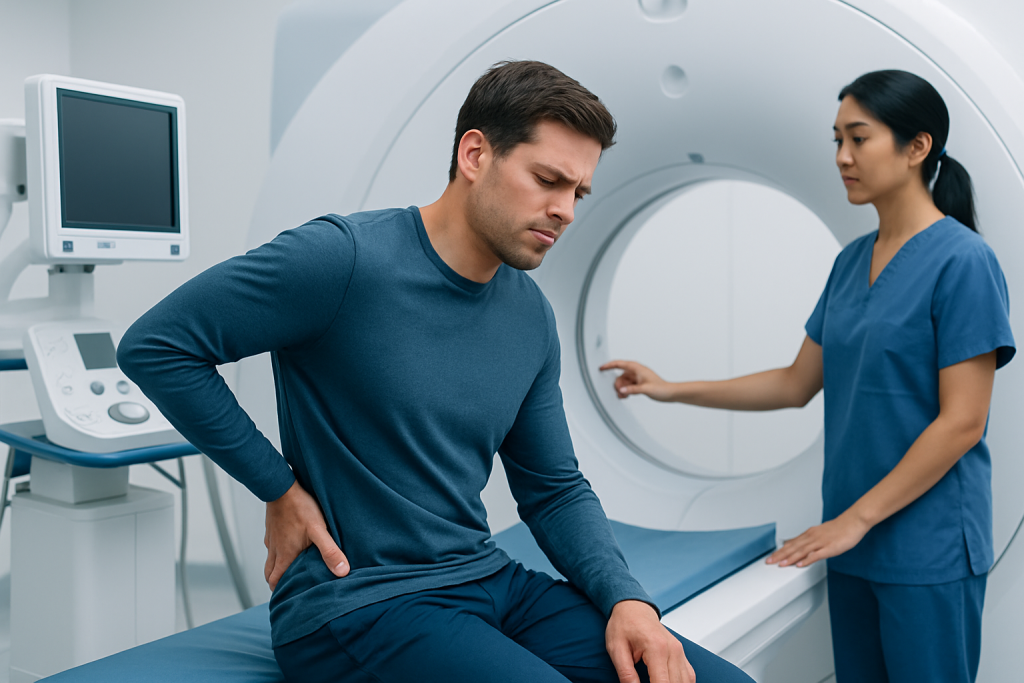
Lower left back pain can appear in different forms depending on the underlying cause. Muscle strain often causes localized soreness and stiffness that worsens with movement. Spine-related pain may become more noticeable when bending, sitting, standing, or coughing. If a nerve is irritated, the pain may travel down the leg or be accompanied by tingling or numbness.
Some symptoms suggest that the pain may not be coming from the spine alone. Kidney-related pain can be felt deeper in the flank and may come with fever, nausea, painful urination, blood in the urine, or frequent urination. Digestive causes may bring bloating, constipation, or abdominal discomfort. In women, pelvic conditions can sometimes be felt in the lower back as well.
- Stiffness or reduced range of motion
- Pain that radiates to the buttock, hip, groin, or leg
- Muscle spasm or tenderness to touch
- Fever, urinary symptoms, or abdominal pain
- Weakness, numbness, or walking difficulty
Causes & Risk Factors
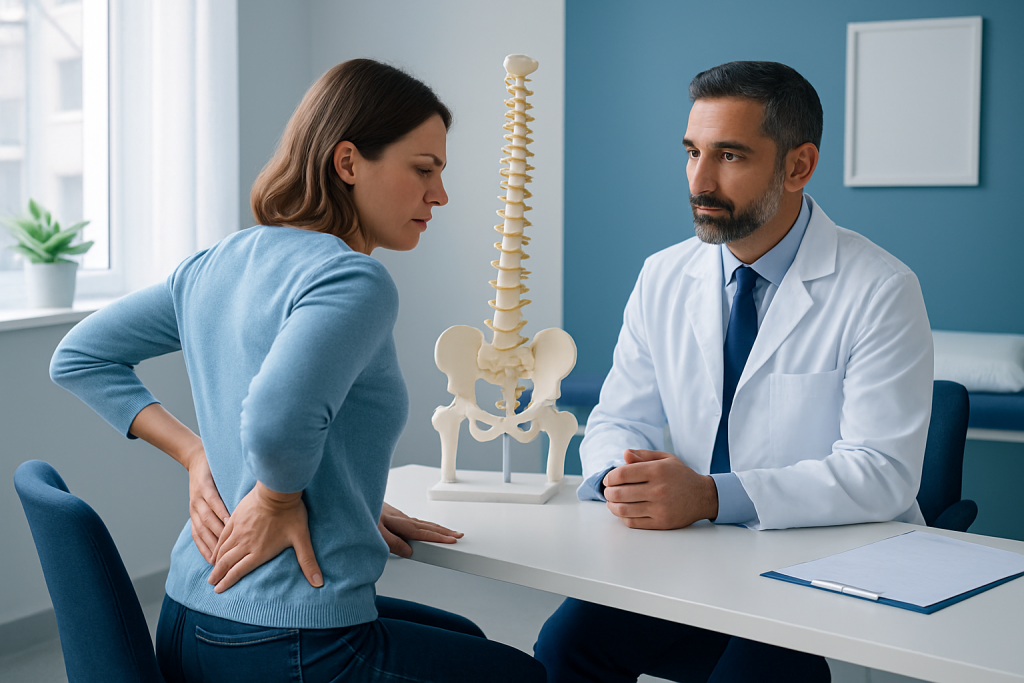
The most common cause is mechanical strain, especially after lifting, sudden twisting, sports activity, or prolonged poor posture. Over time, repeated stress can irritate the muscles and joints that support the lower spine. Disc degeneration, facet joint inflammation, and sacroiliac joint problems are also frequent sources of one-sided low back pain.
Other causes include herniated discs, spinal stenosis, kidney stones, kidney infection, constipation, and less commonly inflammatory conditions or referred pain from abdominal and pelvic organs. Pain can also follow an injury, such as a fall or car accident, even if the discomfort starts gradually afterward.
Risk is higher in people who sit for long periods, have limited core strength, smoke, are overweight, lift heavy loads incorrectly, or have a previous back injury. Age-related changes in the spine can also make pain more likely, but they do not automatically mean something serious is happening.
Diagnosis
Diagnosis begins with a detailed conversation about when the pain started, where it is felt, what makes it better or worse, and whether any other symptoms are present. A clinician will usually examine posture, movement, tenderness, reflexes, strength, and sensation to see whether the pain appears muscular, spinal, nerve-related, or referred from another organ.
Testing is chosen based on the suspected cause. Imaging such as X-ray, MRI, or CT may be used when trauma, nerve compression, persistent pain, or another structural problem is suspected. Urine tests or blood tests may be ordered if kidney or infection-related causes are considered.
For patients traveling internationally, it is helpful to bring prior imaging, medical records, and a list of symptoms with timing and triggers. That background can reduce delays and help a specialist decide whether the pain can be managed without further testing or whether a more detailed workup is needed.
Treatment Options
Treatment depends on the cause, but many cases of lower left back pain improve with conservative care. Short periods of relative rest, gentle movement, heat or cold, and posture changes are often part of the first plan. Physical therapy may help restore flexibility, strengthen supporting muscles, and reduce the chance of repeat episodes.
When pain is linked to inflammation, nerve irritation, kidney stones, infection, or another medical condition, treatment focuses on the underlying source. That may include medications prescribed by a doctor, targeted rehabilitation, or, in selected cases, procedures or surgery. The goal is not only to ease pain, but also to correct the reason it began.
Patients who need care while abroad may benefit from coordinated evaluation across orthopedics, neurology, radiology, urology, or rehabilitation, depending on the suspected cause. At Acibadem Health Point, multidisciplinary specialists and JCI-accredited hospitals diagnose and treat this condition for international patients in a coordinated setting.
Prevention & Self-care
Not every episode can be prevented, but daily habits can lower the chance of recurring pain. Regular movement, core conditioning, and attention to lifting technique help protect the lower back. Many people also benefit from adjusting desk ergonomics, changing positions often, and avoiding long stretches of sitting without breaks.
At home, mild pain often responds to simple self-care. A person can try gentle walking, supported rest, and heat or cold as tolerated. Staying hydrated, managing constipation, and treating coughs or infections promptly may also reduce strain on the back. For travelers, planning for adequate rest, comfortable footwear, and sensible luggage handling can make a noticeable difference.
- Keep the spine moving with light activity rather than prolonged bed rest
- Use safe lifting mechanics: bend the knees and keep objects close
- Strengthen the abdomen, hips, and back under guidance
- Set up work and travel environments to reduce strain
- Seek early advice if pain keeps returning
When to See a Doctor
Medical assessment is important if the pain is severe, does not improve, keeps returning, or affects sleep and daily function. It is also wise to see a doctor if the pain follows an injury or if it spreads down the leg with numbness, tingling, or weakness. These features can help distinguish a simple strain from nerve or spine involvement.
Prompt care is especially important when lower left back pain occurs with fever, vomiting, painful urination, blood in the urine, unexplained weight loss, or abdominal pain. New bladder or bowel problems, saddle numbness, or marked leg weakness should be treated as urgent. Even when the symptoms turn out to be benign, these signs deserve timely evaluation.
People who are planning medical travel should ask whether they need local evaluation first, whether any emergency symptoms are present, and what records to bring. A clear diagnosis before travel can help the receiving team arrange the right consultation and avoid unnecessary delays.
Frequently asked questions
Is lower left back pain usually serious?
Often it is not serious and comes from muscle strain or posture-related stress. However, it should be evaluated if it is severe, persistent, or linked to symptoms such as fever, urinary changes, weakness, or numbness.
Can kidney problems cause pain in the lower left back?
Yes. Kidney stones or infection can cause pain felt in the flank or lower back, sometimes on one side. Urinary symptoms, fever, nausea, or blood in the urine make a kidney cause more likely and should be checked by a doctor.
How can someone tell if the pain is from a muscle or a nerve?
Muscle pain is often localized and worse with movement or pressing on the area. Nerve pain more often travels into the buttock or leg and may come with tingling, numbness, or weakness.
What tests are commonly used for lower left back pain?
A doctor may start with a physical examination and then decide whether imaging or lab tests are needed. MRI, X-ray, CT, urine tests, or blood tests may be useful depending on the suspected cause.
Can exercise help, or should activity be avoided?
Gentle activity often helps more than complete rest once serious causes are ruled out. A clinician or physical therapist can suggest safe exercises based on the source of pain and the person’s overall health.
When should someone seek urgent care?
Urgent care is important for sudden weakness, trouble walking, bladder or bowel changes, saddle numbness, high fever, or severe pain after trauma. These symptoms need prompt evaluation to rule out a more serious problem.
References
- World Health Organization
- National Institute of Neurological Disorders and Stroke
- Mayo Clinic
- National Institute of Arthritis and Musculoskeletal and Skin Diseases
- NHS
This article is for general information only and is not a substitute for professional medical advice. Please consult a qualified doctor about your individual situation.
Persistent digestive symptoms? Get evaluated in Turkey
JCI-accredited · board-certified surgeons · reply within 24h
Add us as a Preferred Source to see more of our trusted health content across Google Search, AI Overviews and Discover.
More from the Health Library



Related Specialists

Prof. Dr. Ahmet Alanay
Orthopedic Surgery & Traumatology
Dr. Sinan Aksu
Orthopedic Surgery & Traumatology
Dr. Sirri Baştürk
Orthopedic Surgery & Traumatology
Prof. Dr. Korhan Özkan
Orthopedic Surgery & Traumatology