

Muscle Spasm: Causes, Symptoms and Treatment

Key Takeaways
- Muscle spasm is an involuntary muscle contraction that may feel like a tight knot, twitch, or cramp.
- Common triggers include overuse, dehydration, poor posture, electrolyte imbalance, stress, and some medicines.
- Diagnosis is usually based on symptoms, medical history, and a physical examination, with tests used when another cause is suspected.
- Self-care such as rest, gentle stretching, hydration, heat, and improving posture can help many mild spasms settle.
- Repeated, severe, or unexplained spasms deserve medical review, especially if they come with weakness, numbness, swelling, or injury.
Medically reviewed by the Acıbadem clinical team — August 19, 2026
Muscle spasm is a sudden, involuntary tightening of one or more muscles that can range from a brief twitch to a painful cramp. Most episodes are temporary and manageable, but recurring or severe spasms may point to an underlying issue that should be assessed by a clinician.
Overview
Muscle spasm describes a muscle that contracts when it was not asked to do so. The sensation may be a quick flicker under the skin, a firm tightening in the back or neck, or a cramp that briefly locks a leg or foot. Although the experience can be uncomfortable, many spasms are short-lived and improve with simple measures.
For some people, a spasm appears after exercise or long periods in one position. For others, it arrives during sleep, after travel, or during a stressful period when the body has been tense for hours. In international-patient care, this symptom is often discussed not as a single diagnosis, but as a clue that helps clinicians look for the reason a muscle is reacting this way.
Most muscle spasms are not dangerous on their own. The key question is whether they are isolated and predictable, or frequent enough to suggest an issue such as dehydration, nerve irritation, medication effects, or a musculoskeletal problem that needs more attention.
Symptoms
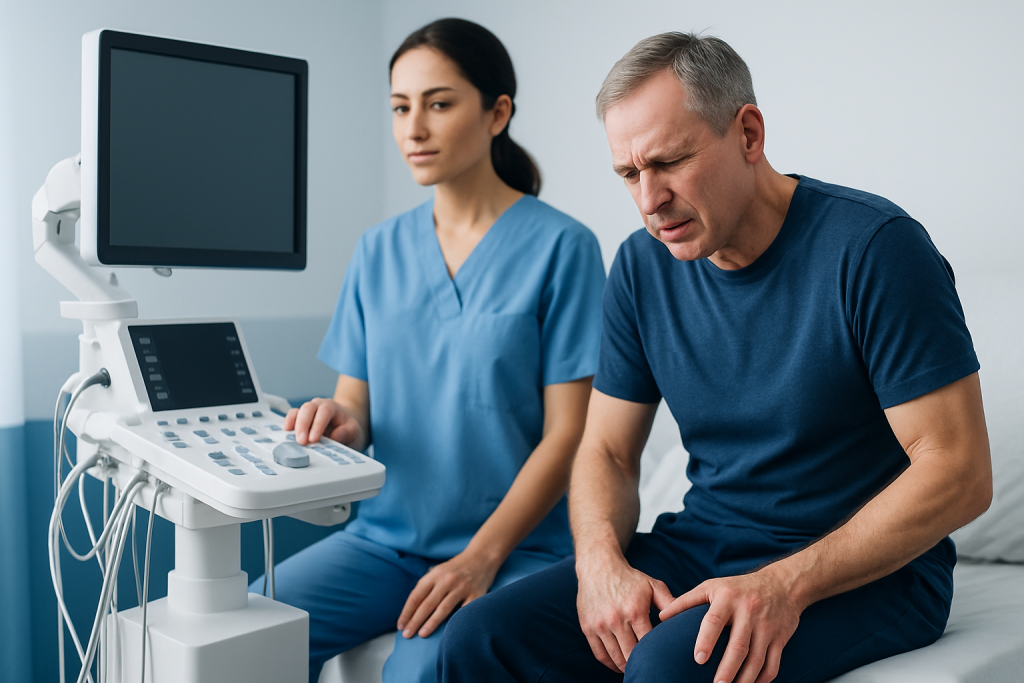
People describe muscle spasm in different ways because the feeling can vary from subtle to intense. A small twitch may only be visible under the skin, while a stronger spasm can create pain, stiffness, or a temporary loss of normal movement.
Common sensations include a sudden knotting of the muscle, tightness that does not relax easily, cramping, soreness after the spasm passes, or a muscle that feels tender for hours afterward. Spasms often affect the calf, foot, thigh, back, neck, or shoulder, but they can occur in nearly any skeletal muscle.
Depending on the cause, symptoms may come with fatigue, dehydration, sweating, tremor, reduced flexibility, or pain that is triggered by motion. If the spasm is part of a larger problem, such as nerve compression or injury, the person may also notice weakness, numbness, swelling, or pain that travels beyond the muscle itself.
Causes & Risk Factors

Muscles usually spasm when they are irritated, overworked, undernourished, or asked to function in a mechanically awkward way. Overuse during sports, repetitive lifting, long-distance travel, poor sleep posture, and prolonged sitting can all make a muscle more likely to tighten suddenly.
Fluid loss and mineral imbalance are also common contributors. Dehydration, vomiting, diarrhea, heavy sweating, and low levels of electrolytes such as potassium, calcium, or magnesium may make muscles more excitable. In some people, caffeine excess, alcohol use, or certain medicines can add to the problem.
Other causes include stress-related muscle tension, pregnancy, nerve irritation, arthritis near a joint, spinal problems, and local injury. Risk can be higher in older adults, athletes, people with physically demanding jobs, and travelers who spend long hours in planes, cars, or unfamiliar beds with limited movement.
- Muscle overuse or sudden exertion
- Dehydration or electrolyte imbalance
- Prolonged sitting, standing, or poor posture
- Stress, anxiety, or sleep disruption
- Injury, nerve irritation, or joint problems
- Medication side effects in some cases
Diagnosis
Diagnosis usually begins with a careful conversation about when the spasm started, what it feels like, how long it lasts, and whether anything seems to trigger it. A clinician will also ask about exercise habits, recent illness, hydration, sleep, medications, and any history of back, neck, or nerve problems.
A physical examination can help identify muscle tenderness, reduced range of motion, posture issues, swelling, or signs of nerve involvement. If the episodes are mild and clearly linked to a temporary cause, no further testing may be needed.
When spasms are frequent, severe, or unusual, tests may be used to look for a broader explanation. These can include blood tests for electrolytes or thyroid function, imaging for suspected spinal or joint problems, or nerve studies if weakness or numbness suggests a nerve-related cause. For international patients, these evaluations are often coordinated so that diagnosis and follow-up can be completed efficiently during a planned visit.
Treatment Options
Treatment depends on the cause, but many muscle spasms improve with conservative care. Resting the affected area, gently stretching the muscle, and using heat can reduce the tightness. If the spasm followed exercise or heat exposure, replacing fluids may also help.
When pain is stronger, a clinician may suggest simple pain-relief strategies or physical therapy. Therapists can teach movement patterns, stretching routines, and strengthening exercises that reduce strain on repeatedly affected muscles. This is particularly helpful when poor posture, reduced flexibility, or spinal mechanics are part of the picture.
If a medicine side effect, electrolyte abnormality, or another medical condition is contributing, treatment focuses on that underlying issue. In more persistent cases, doctors may consider additional therapies tailored to the cause, but the goal is always to treat the source rather than only silence the symptom.
- Gentle stretching and gradual return to activity
- Heat therapy for tight muscles
- Hydration and correction of fluid loss
- Physical therapy or rehabilitation exercises
- Review of medicines and underlying conditions
Prevention & Self-care
Preventing muscle spasm often comes down to helping muscles work under better conditions. Regular movement breaks, especially during flights or desk work, can limit the stiffness that builds up when a muscle stays in one position for too long. A gradual warm-up before exercise also lowers the chance of sudden tightening.
Daily habits matter as well. Adequate fluid intake, balanced meals, sleep, and sensible pacing of physical activity can all support muscle function. People who are prone to leg cramps may find that gentle calf stretches, foot positioning before bed, or a short walk after long sitting periods make a noticeable difference.
Self-care is most useful when it is consistent and realistic. Rather than forcing intense stretching or returning too quickly to heavy activity, it is better to ease back step by step and pay attention to patterns such as dehydration, stress, or repetitive strain that repeatedly bring on symptoms.
- Drink fluids regularly, especially during heat, exercise, or travel
- Stretch gently before and after activity
- Change position frequently during long sitting or standing
- Address posture, footwear, and workstation setup
- Manage stress and protect sleep routines
When to See a Doctor
Medical review is sensible when spasms keep returning, interfere with sleep, limit mobility, or do not improve with basic self-care. It is also important to seek assessment if the muscle feels weak afterward, if the area is swollen or red, or if pain is becoming more widespread.
A doctor should be contacted sooner if spasms follow an injury, are accompanied by numbness or tingling, or appear with fever, dark urine, severe dehydration, or trouble breathing. These features can suggest a cause beyond simple overuse or cramping.
For patients traveling from another country, it can be helpful to seek evaluation before the journey becomes more difficult. Clear documentation of symptoms, current medicines, and any prior imaging or lab results can speed up decision-making and make follow-up care easier once treatment begins. Acibadem Health Point’s multidisciplinary specialists and JCI-accredited hospitals diagnose and treat this condition for international patients as part of coordinated care.
Living With Recurring Spasms
When spasms keep happening, the practical goal is not only short-term relief but also pattern recognition. Many people benefit from keeping a simple note of when symptoms occur, what they were doing beforehand, how long the episode lasted, and whether hydration, sleep, travel, or exercise seemed to play a role.
This type of record can be useful during a clinic visit because it helps the care team connect symptoms with possible triggers. For some patients, the answer may be a movement problem that improves with physiotherapy; for others, it may be a medication review, nerve evaluation, or correction of a metabolic imbalance.
With the right assessment, recurring muscle spasm can often be managed in a straightforward way. The most reassuring part is that a spasm is a symptom, not usually a diagnosis in itself, and identifying the reason behind it often makes treatment much more effective.
Frequently asked questions
What is the difference between a muscle spasm and a muscle cramp?
A muscle spasm is a broad term for an involuntary muscle contraction. A cramp is a type of spasm that is usually more painful and sustained. In everyday language, the terms are often used interchangeably.
Can dehydration really cause muscle spasms?
Yes. When the body loses fluids, muscles may become more irritable and cramp more easily. Dehydration can be more likely during exercise, illness, hot weather, or long travel.
Are muscle spasms a sign of something serious?
Often they are not. Many episodes are linked to overuse, posture, stress, or temporary fluid loss. However, recurring spasms with weakness, numbness, swelling, or severe pain should be checked by a clinician.
What helps a muscle spasm right away?
Gentle stretching, rest, and warmth often help the muscle relax. Rehydrating may also be useful if the spasm followed sweating, illness, or travel. If the pain is intense or the episode keeps repeating, medical advice is appropriate.
Can travel make muscle spasms worse?
Long periods of sitting, limited movement, dehydration, and disrupted sleep can all make spasms more likely during travel. Regular stretching, short walking breaks, and good hydration can reduce the risk.
Should someone exercise when they have a muscle spasm?
It is usually better to pause and let the muscle settle, then return gradually once the pain eases. If the spasm is severe or keeps happening with activity, a clinician or physiotherapist can help determine the safest plan.
References
- National Institute of Neurological Disorders and Stroke
- Mayo Clinic
- Cleveland Clinic
- Merck Manual Professional Edition
- National Health Service
This article is for general information only and is not a substitute for professional medical advice. Please consult a qualified doctor about your individual situation.
Explore treatments in Turkey — costs, top hospitals & a free quote
JCI-accredited · board-certified surgeons · reply within 24h
Add us as a Preferred Source to see more of our trusted health content across Google Search, AI Overviews and Discover.
More from the Health Library



Related Specialists

Prof. Dr. Ahmet Alanay
Orthopedic Surgery & Traumatology
Dr. Sinan Aksu
Orthopedic Surgery & Traumatology
Dr. Sirri Baştürk
Orthopedic Surgery & Traumatology
Prof. Dr. Korhan Özkan
Orthopedic Surgery & Traumatology