What Causes Back Pain

Key Takeaways
- Back pain is a symptom, not a diagnosis, and its cause can range from strain to a spinal or non-spinal medical condition.
- Most short-term back pain improves with time, movement, and simple self-care, but persistent or severe pain deserves medical assessment.
- Pain with numbness, weakness, fever, injury, or bladder and bowel changes needs prompt medical attention.
- A careful history, physical examination, and selected imaging or tests help doctors identify the source of pain.
- Good posture, regular activity, and healthy lifting habits can lower the chance of recurring back pain.
Back pain can come from muscles, joints, discs, nerves, posture, or health conditions beyond the spine itself. Understanding the likely cause helps guide the right treatment, whether the pain is mild and temporary or needs medical evaluation.
Overview
Back pain is one of the most common reasons people look for medical advice, yet the story behind it is often different from one person to the next. For some, the discomfort begins after lifting, twisting, or long hours in one position. For others, it appears without a clear trigger and gradually becomes harder to ignore.
The back is a complex structure made up of bones, discs, joints, ligaments, muscles, and nerves. Pain may start in any of these tissues, but it can also reflect problems in nearby organs or in the wider body. That is why the phrase “what causes back pain” does not point to a single answer; it points to a careful search for patterns, triggers, and accompanying symptoms.
In many cases, back pain is temporary and improves with conservative care. Still, pain that returns often, lasts longer than expected, or comes with other symptoms deserves evaluation so that the underlying cause is not missed.
Symptoms
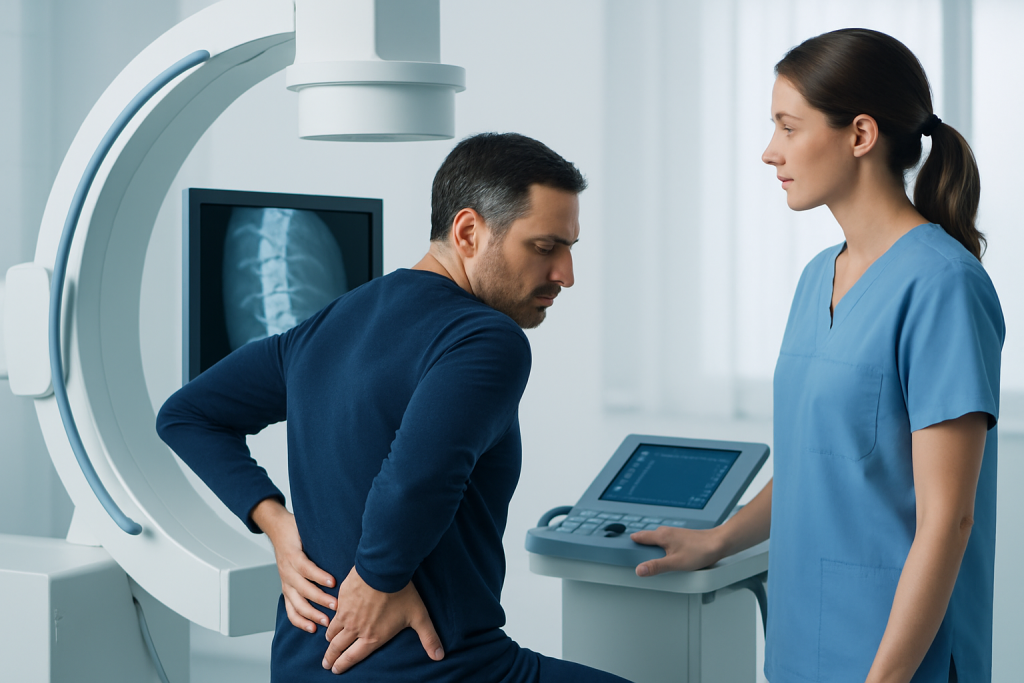
Back pain can feel dull, aching, sharp, tight, burning, or stabbing. Some people notice a constant soreness, while others feel pain only with bending, standing, coughing, or walking. The location also matters: pain may stay in the lower back, move between the shoulder blades, or travel down a leg if a nerve is involved.
When muscles are strained, the back may feel stiff and tender, especially after activity or after waking up. Joint-related pain may feel worse with certain movements and better with rest. If a disc or nerve is involved, the pain may radiate, tingle, or produce numbness in the buttocks, legs, or feet.
Doctors also look for symptoms that suggest a broader problem. These can include fever, unexplained weight loss, pain at night, weakness, trouble walking, or changes in bladder or bowel control. Such symptoms do not always mean something serious, but they do help guide the next steps.
Causes & Risk Factors

The most common causes of back pain are mechanical. Muscle or ligament strain can happen after lifting something awkwardly, overtraining, sudden movement, or even repeated small stresses over time. Poor conditioning, long periods of sitting, and weak core muscles can make these strains more likely.
Problems with the spine itself are also frequent. Wear-and-tear changes in the discs and joints may lead to stiffness and pain, especially as people age. A herniated disc can irritate a nearby nerve, while spinal narrowing, arthritis, or a vertebral fracture may create pain that behaves differently from simple strain.
Not all back pain starts in the spine. Kidney stones, infections, inflammatory conditions, abdominal issues, and some gynecologic problems can all be felt in the back. Because the back sits at the center of the body, pain there sometimes reflects a condition elsewhere that needs attention.
Common factors that raise the chance of back pain include:
- Older age and natural disc and joint wear
- Heavy lifting or repetitive twisting
- Long hours sitting, driving, or working in one position
- Weak core and hip muscles
- Excess body weight
- Smoking, which can affect disc health and healing
- Previous back injury or recurring episodes
Diagnosis
Finding the cause of back pain usually begins with a detailed conversation. A doctor will ask when the pain started, where it is located, what makes it better or worse, and whether it spreads to the arms or legs. The answer often gives the first clue about whether the problem is muscular, joint-related, nerve-related, or something else.
A physical examination follows. This may include checking posture, flexibility, strength, reflexes, sensation, and walking pattern. The doctor may ask the patient to bend, lift, turn, or press against resistance to see which movements reproduce the pain.
Imaging tests are not always needed right away. Many people recover without them. However, X-rays, MRI, CT, or blood tests may be used if the pain is severe, persistent, related to injury, or paired with warning signs. In international care settings, patients often arrive with previous scans or reports; bringing these records helps the specialist compare past findings with current symptoms and avoid unnecessary repeat testing.
Treatment Options
Treatment depends on the cause, severity, and duration of pain. For uncomplicated strain, doctors often begin with conservative care such as activity modification, gentle movement, and measures that reduce stiffness. Rest is usually kept brief, because prolonged inactivity can slow recovery and make the back feel even tighter.
Physical therapy is a central part of care for many causes of back pain. A therapist may guide stretching, core strengthening, posture training, and movement strategies that protect the back during daily tasks. For people traveling for treatment, rehabilitation planning is especially important because it supports recovery after returning home and helps maintain progress across time zones and schedules.
Medication may sometimes be recommended to ease pain or inflammation, but the choice depends on the person’s medical history and the suspected cause. In selected cases, doctors may consider injections or procedures, particularly when a nerve, joint, or inflamed structure is clearly identified as the source. Surgery is usually reserved for specific conditions such as severe nerve compression, structural instability, fracture, or pain that does not improve with appropriate non-surgical care.
Because the best treatment follows the cause, patients benefit from a plan that is individualized rather than generic. A focused assessment can prevent months of trial-and-error and help ensure that treatment matches the actual problem.
Prevention & Self-care
Not every episode of back pain can be prevented, but many can be reduced in frequency or severity with consistent habits. The spine tends to respond well to regular movement, balanced strength, and sensible pacing, rather than long periods of rest followed by sudden strain.
Simple self-care strategies often make a meaningful difference. Gentle walking, heat or cold therapy as advised, staying hydrated, and using supportive sleep and work positions can ease discomfort. People who spend much of the day seated may benefit from breaks to stand, stretch, and reset posture before stiffness builds.
Helpful habits for everyday protection include:
- Keeping the body active with low-impact exercise
- Strengthening the abdomen, hips, and back under guidance
- Using proper lifting technique and avoiding sudden twisting
- Adjusting chairs, screens, and work surfaces for neutral posture
- Maintaining a healthy weight when possible
- Stopping smoking to support overall musculoskeletal health
For patients who travel for care, carrying out the home program consistently matters as much as the clinic visit. Clear written instructions, follow-up appointments, and rehabilitation check-ins help maintain momentum after the trip.
When to See a Doctor
Medical review is wise when back pain lasts more than a short period, keeps returning, or interferes with sleep, work, walking, or daily tasks. A doctor can help determine whether the pain is likely to improve with conservative care or whether further testing is needed.
Prompt evaluation is especially important if back pain follows an accident or fall, or if it comes with leg weakness, numbness, severe pain, fever, unexplained weight loss, or loss of bladder or bowel control. These symptoms do not automatically signal a serious illness, but they do need timely attention.
People planning treatment from another country may find it helpful to organize their symptoms, prior images, and medication list before the trip. That preparation allows the first consultation to focus on decisions, not paperwork, and helps the care team move efficiently from diagnosis to treatment and follow-up planning. Acibadem Health Point’s multidisciplinary specialists and JCI-accredited hospitals can diagnose and treat back pain for international patients in a coordinated way when a specialist evaluation is needed.
Frequently asked questions
What is the most common cause of back pain?
The most common causes are muscle or ligament strain and other mechanical problems related to movement, posture, or overuse. Disc and joint changes can also contribute, especially when pain keeps returning or becomes linked to certain motions.
Can back pain come from something other than the spine?
Yes. Kidney problems, infections, inflammatory conditions, abdominal issues, and some gynecologic problems can all cause pain felt in the back. That is one reason a doctor looks at the whole symptom pattern, not just the painful area.
When is back pain considered serious?
Back pain deserves prompt medical attention if it follows an injury or occurs with fever, numbness, weakness, trouble walking, or bladder and bowel changes. Pain that is severe at night, unexplained, or steadily worsening should also be assessed.
Do I need an MRI for back pain?
Not always. Many cases improve without imaging, and doctors often start with a history and physical examination first. MRI or other tests are usually reserved for persistent pain, nerve symptoms, injury, or warning signs.
What helps back pain at home?
Gentle movement, short walks, posture changes, and careful use of heat or cold can help many people feel better. It is also useful to avoid heavy lifting and long periods of sitting until the pain settles.
Can back pain be prevented from coming back?
It can often be reduced with regular exercise, core and hip strengthening, healthy lifting habits, and ergonomic changes at work and home. A physical therapist can help build a practical plan that fits the person’s daily routine.
References
- American Academy of Orthopaedic Surgeons
- National Institute of Neurological Disorders and Stroke
- Mayo Clinic
- NHS
- World Health Organization
This article is for general information only and is not a substitute for professional medical advice. Please consult a qualified doctor about your individual situation.