

Ligament

Key Takeaways
- Ligaments connect bones and help stabilize joints during movement.
- A ligament injury may range from a mild sprain to a partial or complete tear.
- Swelling, pain, bruising, and joint instability are common signs of injury.
- Diagnosis may include a physical exam and imaging when needed.
- Treatment often starts with rest, protection, and rehabilitation, with surgery reserved for selected cases.
Ligaments are strong bands of tissue that help hold joints together and guide movement. When they are stretched or torn, pain, swelling, and instability can affect everyday activity, sports, and recovery planning.
Overview
Ligaments are dense, flexible bands of connective tissue that help keep joints aligned. They act like steady straps around a moving hinge, allowing motion while limiting excess movement that could damage the joint.
Because ligaments are essential to joint stability, an injury can affect how a person walks, grips, turns, or reaches. In daily life this may show up as a knee that feels unreliable, an ankle that gives way on uneven ground, or a finger that remains sore after a twist or impact. The exact pattern depends on which ligament is involved and how badly it has been stretched or torn.
In many cases, ligament problems begin as a sprain, which means the ligament has been overstretched. More significant injuries may involve partial or complete tearing. Early assessment matters because the right plan can protect the joint, reduce complications, and support a safer return to movement.
Symptoms
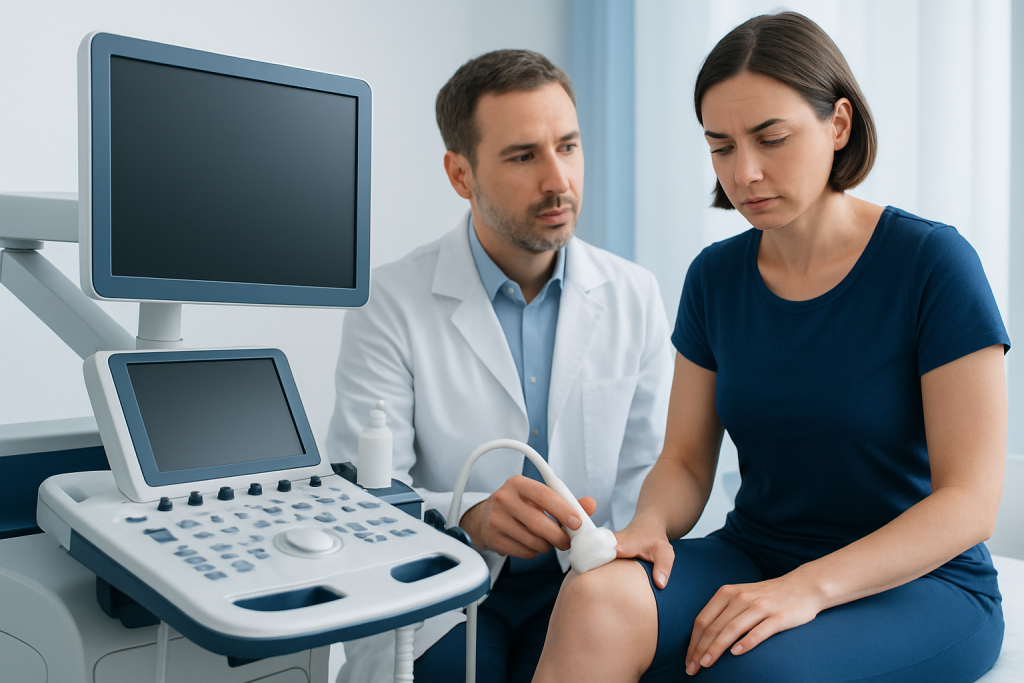
Ligament injuries often announce themselves quickly after a twist, fall, sudden stop, or direct blow. Pain is usually felt around the joint, and it may become worse with weight-bearing, gripping, or certain directions of movement.
Common signs include swelling, tenderness, bruising, reduced range of motion, and a feeling that the joint is not holding together as it should. Some people notice a popping sensation at the moment of injury, while others realize something is wrong only when the joint feels unstable later that day or the next morning.
- Pain around the affected joint
- Swelling or stiffness
- Bruising or skin discoloration
- Difficulty using the joint normally
- A sense of looseness, wobbling, or “giving way”
Symptoms do not always reveal how serious the injury is. A relatively small tear can still create a lot of discomfort, while a more significant injury may seem manageable at first. For that reason, the overall picture and a clinical exam are more useful than the pain level alone.
Causes & Risk Factors
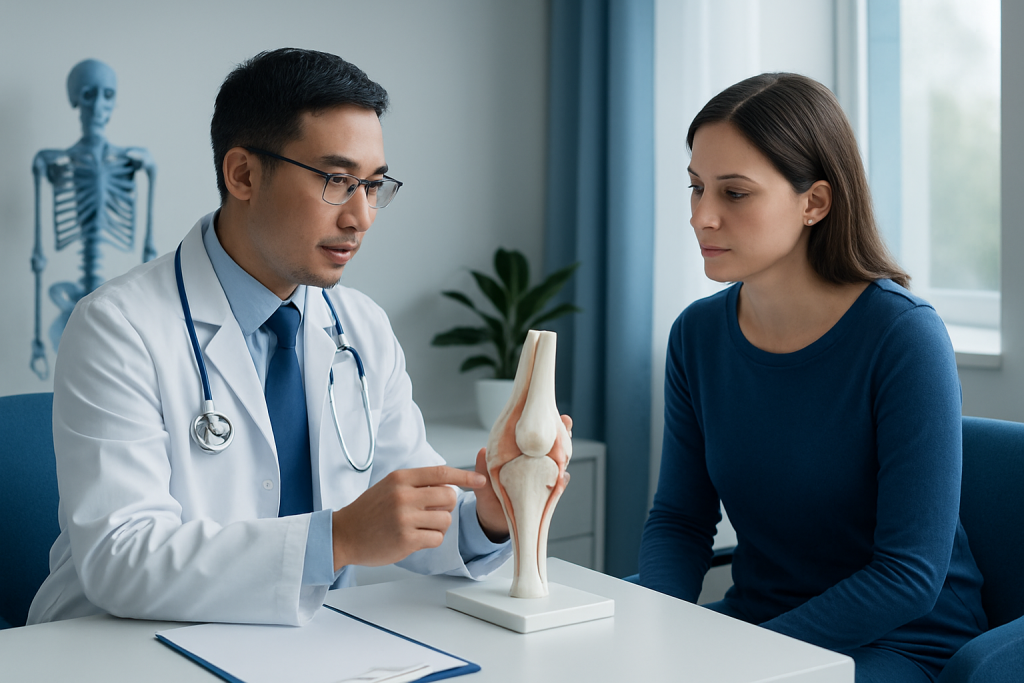
Ligament injuries usually happen when a joint is forced beyond its usual range. This can occur during sports, but it is also common in routine situations such as slipping on stairs, twisting an ankle while walking on uneven ground, or landing awkwardly after a jump.
Sports that involve sudden changes in direction, jumping, tackling, or rapid deceleration place extra stress on ligaments. The knee, ankle, wrist, thumb, shoulder, and fingers are frequently affected because they are exposed to fast, forceful motion.
Certain factors can increase the chance of injury:
- Previous ligament injury or joint instability
- Muscle weakness or poor conditioning
- Insufficient warm-up before activity
- Uneven surfaces or unsafe footwear
- High-impact sports or physically demanding work
Age, joint anatomy, and overall balance also play a role. For international patients planning care away from home, it can be helpful to think beyond the injury itself and consider how travel, long flights, and temporary changes in activity may affect swelling, comfort, and rehabilitation timing.
Diagnosis
Diagnosis begins with a careful history of how the injury happened and what symptoms followed. The clinician will usually ask about the position of the joint, whether there was a pop or snap, and whether the person can still bear weight or use the limb normally.
A physical examination helps identify tenderness, swelling, bruising, range of motion, and any signs of joint looseness. Specific stress tests may be used to see how the ligament responds when the joint is gently moved in certain directions.
Imaging is sometimes needed to confirm the diagnosis or rule out related problems such as fractures, cartilage injury, or tendon damage. X-rays may be used to look for bone injury, while ultrasound or MRI can help assess soft tissues in more detail. The best test depends on the joint involved and the clinical question being answered.
For patients traveling for treatment, diagnostic planning may be organized so that the exam and any needed imaging happen close together. This can reduce delays, make follow-up clearer, and help the care team build a practical recovery plan before the patient returns home.
Treatment Options
Treatment depends on the ligament, the severity of the injury, and the patient’s activity goals. Many ligament injuries improve with non-surgical care, especially when the joint is protected early and rehabilitation begins at the right time.
Initial treatment often focuses on reducing pain and swelling while preventing further injury. This may include rest from the provoking activity, temporary support with a brace, splint, or tape, and gradual reintroduction of movement under professional guidance. Rehabilitation usually plays a central role, because strength, balance, and joint control are needed to restore stability.
Possible treatment approaches include:
- Activity modification and short-term protection of the joint
- Physical therapy or supervised rehabilitation exercises
- Bracing, taping, or immobilization in selected cases
- Knee Pain Relief: Causes and Treatment" class="ahp-ilk">Pain relief measures recommended by a clinician
- Surgery for certain complete tears or when instability persists
Surgery is not required for every ligament injury. It is considered when the joint remains unstable, when the injury is severe, or when the demands of work or sport make precise stabilization especially important. Recovery after surgery typically involves structured rehabilitation and follow-up over time.
Prevention & Self-care
Many ligament injuries are not completely preventable, but several habits can lower risk and support recovery. Good movement habits matter before, during, and after activity, especially for people returning to sports or exercise after a previous sprain.
A helpful routine includes warm-up exercises, progressive strengthening, and balance training. Proper footwear, attention to surface conditions, and avoiding sudden increases in training intensity can also reduce strain on vulnerable joints.
For self-care after a suspected mild ligament injury, a conservative approach is usually safest until the joint is assessed. Resting from aggravating activity, using support as advised, and monitoring swelling and movement can help prevent worsening. Keeping the limb elevated when practical and using gentle, approved motion exercises may also be part of early management.
People recovering away from home should plan ahead for follow-up visits, access to therapy, and any equipment they may need during travel. Recovery is often smoother when the care plan is realistic in the context of flights, hotel stays, and the pace of returning to work or daily life.
When to See a Doctor
Medical evaluation is a good idea when joint pain follows a twist, fall, or impact and does not settle as expected. A clinician should also assess the joint if swelling is significant, if movement is limited, or if the person cannot bear weight or use the limb normally.
Prompt care is especially important when the joint feels unstable, looks deformed, or symptoms are severe. Even when the injury seems mild, an examination can help confirm whether a ligament is involved and whether other structures may also be affected.
People with repeated sprains, lingering weakness, or a return of symptoms during activity should not ignore the pattern. A targeted diagnosis can help prevent repeated injury and reduce the risk of long-term instability. For international patients, multidisciplinary specialists and JCI-accredited hospitals at Acibadem Health Point can diagnose and treat ligament injuries while supporting coordinated care for those traveling from abroad.
Living With Recovery
Recovery from a ligament injury is usually measured in function, not just in pain reduction. The joint should gradually feel more dependable, movement should become smoother, and daily tasks should become easier before a full return to higher-demand activity is attempted.
Rehabilitation may include range-of-motion work, strengthening, balance drills, and sport- or job-specific training. Patience matters, because returning too early can set recovery back. A steady plan, built around the injured person’s goals and the joint involved, often leads to the best practical outcome.
Follow-up is useful even when symptoms improve. It allows the care team to check stability, adjust exercises, and decide when the joint is ready for more demanding use. That final stage is often where confidence returns, which is especially important for athletes, active travelers, and anyone whose work depends on reliable movement.
Frequently asked questions
What is a ligament in simple terms?
A ligament is a tough band of tissue that connects bones and helps keep a joint stable. It supports movement by limiting motion that would otherwise strain the joint. When a ligament is injured, the joint may become painful or feel unstable.
Is a ligament injury the same as a sprain?
A sprain is the medical term commonly used for a ligament injury. It can mean the ligament is stretched, partially torn, or completely torn. The severity of the sprain depends on how much damage has occurred.
How do doctors tell if a ligament is torn?
Doctors usually begin with a physical exam and questions about how the injury happened. Imaging such as MRI may be recommended if the diagnosis is unclear or if a more serious tear is suspected. The exact test depends on the joint and the symptoms.
Can a ligament heal without surgery?
Many ligament injuries do improve without surgery, especially if the joint can be protected and rehabilitation is started appropriately. Treatment depends on the ligament, the size of the tear, and whether the joint remains stable. A doctor can help decide which approach fits the injury best.
How long does recovery take?
Recovery time varies widely and depends on the joint, the severity of the injury, and the person’s overall health and activity level. Some mild sprains improve relatively quickly, while larger tears take longer and may need structured therapy. A clinician can give a more realistic timeline after examining the injury.
What should someone do right after a suspected ligament injury?
It is sensible to stop the activity, protect the joint, and avoid movements that worsen pain or swelling. If there is significant swelling, inability to bear weight, or a feeling of instability, medical assessment is important. Early evaluation can help prevent the injury from becoming more complicated.
References
- Mayo Clinic
- Cleveland Clinic
- American Academy of Orthopaedic Surgeons
- National Institute of Arthritis and Musculoskeletal and Skin Diseases
- NHS
This article is for general information only and is not a substitute for professional medical advice. Please consult a qualified doctor about your individual situation.
More from the Health Library



Related Specialists

Prof. Dr. Ahmet Alanay
Orthopedic Surgery & Traumatology
Dr. Sinan Aksu
Orthopedic Surgery & Traumatology
Dr. Sirri Baştürk
Orthopedic Surgery & Traumatology
Prof. Dr. Korhan Özkan
Orthopedic Surgery & Traumatology