

Cardiovascular Surgery
Surgical treatment of the heart, valves and blood vessels, including minimally invasive and complex procedures.

Quick answer
Cardiovascular surgery is the medical unit that treats diseases of the heart and major blood vessels with surgery — from blocked coronary arteries and faulty heart valves to aneurysms of the aorta. At Acıbadem International, cardiovascular surgery works as one heart team with cardiology, so that every patient's…
Medically reviewed by the Acıbadem clinical team — June 12, 2026
Cardiovascular surgery is the medical unit that treats diseases of the heart and major blood vessels with surgery — from blocked coronary arteries and faulty heart valves to aneurysms of the aorta. At Acıbadem International, cardiovascular surgery works as one heart team with cardiology, so that every patient’s case is reviewed by both the doctors who treat the heart with medicine and procedures and the surgeons who operate, and a single, agreed plan is reached. For people travelling from abroad for heart surgery — among the most significant decisions a patient can face — that combination of experienced surgeons, modern operating theatres and joint decision-making is exactly what matters most.
This page explains what the cardiovascular surgery unit covers, the conditions it treats, how heart and vessel disease is assessed, the operations available, and how international patients are supported from their first remote review through surgery and recovery.
What the cardiovascular surgery unit covers
Cardiovascular surgery is highly specialized, and the unit is organized so that the right surgical expertise is applied to each problem. Its main areas of work include:
- Coronary artery bypass surgery — restoring blood flow to the heart muscle when arteries are severely narrowed.
- Heart valve surgery — repairing or replacing valves that are narrowed or leaking.
- Aortic surgery — treating aneurysms and other diseases of the body’s main artery.
- Surgery for structural and congenital heart conditions — including problems present from birth.
- Minimally invasive and catheter-based valve procedures — where they suit the patient.
Because heart disease can often be treated either with medicine and catheter procedures or with surgery, the choice is rarely the surgeon’s alone. Cardiovascular surgery and cardiology review cases together, so the treatment chosen reflects combined expertise rather than one specialty acting in isolation.
Conditions we treat
The unit cares for the full range of surgical heart and major-vessel disease. The most common reasons international patients are referred include:
- Coronary artery disease — severe narrowing of the heart’s arteries causing angina or threatening the heart muscle.
- Heart valve disease — narrowing (stenosis) or leakage (regurgitation) of the heart valves.
- Aortic aneurysm and aortic disease — dangerous enlargement or weakening of the main artery.
- Structural heart problems — including some conditions present from birth.
- Heart failure — where surgical options may help selected patients.
Many patients arrive having already been told they may need heart surgery, often carrying significant anxiety. A central role of the unit is to review the evidence carefully, confirm whether surgery is truly the best option, and explain the realistic choices clearly — including when a less invasive approach or continued medical management is more appropriate.
How heart and vessel disease is assessed
Sound surgical decisions rest on accurate assessment, and the unit evaluates each patient with the investigations that genuinely inform the plan. These are usually carried out together with cardiology and may include:
- Echocardiography — ultrasound imaging of the heart and its valves.
- Coronary angiography — mapping the heart’s arteries to locate narrowings.
- CT and advanced imaging — detailed assessment of the aorta and heart structures.
- Functional and risk assessment — evaluating overall fitness for surgery.
These investigations are supported by the hospital group’s medical technologies and by radiology, and the findings are reviewed by the heart team. For international patients, much of this assessment can begin with a remote review of existing reports and imaging before any travel, so that a considered plan is in place before a decision is made.
Operations and treatments
The unit performs the established cardiovascular operations and, wherever it is appropriate, favours less invasive approaches that achieve the goal with a gentler recovery.
Coronary artery bypass surgery
When the heart’s arteries are severely narrowed, bypass surgery creates new routes for blood to reach the heart muscle, relieving symptoms and protecting the heart. It is one of the most established and effective heart operations, and the approach is planned individually for each patient.
Heart valve repair and replacement
Diseased valves can be repaired or replaced to restore normal blood flow through the heart. Repair is preferred where it is possible, as it preserves the patient’s own valve; where replacement is needed, the choice of valve is discussed with the patient. Some patients are suitable for catheter-based valve procedures that avoid open surgery.
Aortic surgery
Aneurysms and other diseases of the aorta are treated to prevent serious complications, using open or, where suitable, endovascular techniques chosen according to the location and nature of the problem. These are complex procedures that require careful planning.
Minimally invasive and catheter-based options
For selected patients, minimally invasive surgery through smaller incisions, or catheter-based procedures performed with cardiology, can treat the problem with less disruption. Whether these suit a particular patient is decided by the heart team after full assessment. Specific procedures can be explored in the treatments library.
The heart team approach
The defining principle of modern cardiovascular care is the heart team: surgeons, cardiologists and imaging specialists reviewing complex cases together and agreeing the best path. This matters because many conditions can be treated in more than one way, and the right choice depends on the whole picture — the disease, the patient’s overall health and their wishes. At Acıbadem International, this joint decision-making means the plan a patient receives reflects combined expert judgment, not a single viewpoint, which is precisely the safeguard that high-stakes heart care should have.
Technology and approach
Cardiovascular surgery depends on precision, planning and a fully equipped environment rather than any single device. The unit uses detailed imaging to plan operations, modern operating theatres, and minimally invasive and catheter-based techniques where they are appropriate, all supported by dedicated cardiac intensive care. But technology serves judgment: the decision of whether and how to operate is made by the heart team, and the least invasive safe option is always preferred. This blend of advanced capability and careful, collaborative decision-making is what underpins good surgical outcomes.
Recovery and rehabilitation
Recovery after heart surgery is a structured process, and rehabilitation is an important part of regaining strength and confidence. The unit plans recovery from the outset and works with physical medicine and rehabilitation and cardiac rehabilitation services so that patients rebuild fitness safely. For international patients, the recovery and follow-up plan is designed to begin in Turkey and continue at home or with a local provider, because the weeks after surgery are when a good result is consolidated. The unit is realistic with patients about the pace of recovery and what to expect at each stage.
Your multidisciplinary team
Your care may involve a cardiovascular surgeon, a cardiologist, an anesthesiologist, cardiac intensive-care specialists, perfusionists and specialist nurses, with rehabilitation support during recovery. The surgeons who lead this unit are listed on the doctors page, and operations are performed across Acıbadem’s accredited hospitals, which maintain international quality and safety standards and provide dedicated cardiac intensive care.
The international patient journey
Travelling for heart surgery is a major step, so the unit is built around a clear, supported pathway.
1. Remote review of your case
You begin by sharing your reports, echocardiogram and angiography results and a description of your symptoms. The heart team reviews them and provides a written opinion on the likely problem and the realistic options, including whether surgery is truly needed. A second opinion is available — entirely remotely, before you commit to travel.
2. A clear plan
If treatment in Turkey makes sense, you receive a proposed plan: what is recommended, what the operation would involve, how long you would need to stay, and what recovery to expect. The plan is explained honestly, including risks and benefits.
3. Coordinated surgery and care
A dedicated coordinator arranges your appointments, admission, interpreting in your language and travel logistics. Your diagnosis is confirmed in person, and your case is reviewed by the heart team before surgery.
4. Recovery and follow-up
After surgery you receive discharge documents, your results and a rehabilitation and follow-up plan to continue at home. The team remains reachable during your recovery. To begin, request an online consultation.
Why patients choose Acıbadem for heart surgery
Acıbadem International brings together experienced cardiovascular surgeons and cardiologists, modern operating theatres with minimally invasive and catheter-based options, dedicated cardiac intensive care, and a true heart team model — all within accredited hospitals that operate around the clock. For international patients facing heart surgery, the coordinated, multidisciplinary approach and structured support are as important as the technical expertise: the cardiologist who assesses you and the surgeon who may operate plan your care together, which is how complex cardiac treatment should work. The result is care aimed at the safest, most effective outcome for each individual.
What to expect and practical notes
Heart operations vary in complexity, so the length of stay and recovery differ from case to case. The hospital stay after major heart surgery is longer than for many other procedures, and early recovery matters, so your coordinator plans your total time abroad around safe recovery and travel. The unit is honest about timelines and outcomes, and recommends surgery only when it is genuinely the best option; where a catheter procedure or continued medical management is more appropriate, that is what will be advised. Recovery is a process, and the goal is a result you can build on at home.
Coordinated care for complex patients
Heart disease rarely exists in isolation, and treatment within a large hospital group means the right experts are already together. Cases are planned jointly with cardiology, imaging with radiology, and recovery with rehabilitation. For patients who also have diabetes, kidney disease or other conditions, having endocrinology, nephrology and intensive-care colleagues in the same group means surgery can be planned safely around the whole person, not just the heart. This joined-up approach matters most in exactly the complex, higher-risk cases that heart surgery so often involves.
Understanding your options: surgery, stents or medicine
One of the most important things the heart team does is help patients understand that heart disease can often be treated in more than one way. For coronary disease, options may include medication, a catheter-based procedure such as a stent placed with cardiology, or bypass surgery — and the right choice depends on the pattern and severity of the disease, the patient’s overall health and their wishes. For valve disease, the choice may lie between open surgery, a repair, or a catheter-based valve procedure. None of these is automatically “better”; what matters is which is right for the individual. The unit explains these options clearly, in plain language, so that patients understand not just what is recommended but why. This honest, educational approach is central to how the heart team works, because a patient who understands their options is better placed to make a confident decision about treatment that will affect the rest of their life.
How safety is protected in heart surgery
Heart surgery is understandably one of the most daunting prospects a patient can face, and the unit believes patients deserve a clear understanding of how their safety is protected. It begins with thorough assessment: the heart team evaluates not only the heart condition but the patient’s overall fitness for surgery, identifying and managing any other conditions beforehand. The operation itself is carried out in a modern theatre by an experienced team, with anesthesia and monitoring throughout. Afterwards, recovery is managed in dedicated cardiac intensive care, where any change can be responded to quickly. Just as important, the decision to operate is made carefully and jointly — surgery is recommended only when its benefits clearly outweigh its risks for that patient. The unit discusses these risks and benefits openly, because informed patients approach surgery with greater confidence.
Life after heart surgery
Recovery after heart surgery is a journey that continues well beyond the hospital, and the unit prepares patients for it. In the early period, recovery is monitored closely and activity is increased gradually under guidance. Over the following weeks, cardiac rehabilitation helps patients rebuild strength, fitness and confidence safely, and lifestyle guidance supports long-term heart health. Many patients find that, after recovery, they feel substantially better than before surgery — relieved of symptoms that had limited their lives. The unit is realistic about the pace of recovery, which varies between individuals and procedures, and provides a clear plan that international patients can continue at home or with a local provider. The weeks and months after surgery are when a good result is consolidated, so this ongoing support is treated as an essential part of care rather than an afterthought.
Preparing for heart surgery
The period before surgery is used to make the operation as safe and effective as possible. Tests confirm the diagnosis and assess the patient’s overall fitness, and any other conditions — such as diabetes, high blood pressure or lung problems — are optimized beforehand. The patient receives clear information about what the surgery involves, what to expect, and how to prepare. For international patients, much of this preparation can begin remotely, with reports and imaging reviewed before travel, so that the in-person stay is used efficiently and the patient arrives well informed. This careful preparation is one reason structured cardiac programmes achieve good, safe results.
This page provides general health information about the services of this unit and is not a substitute for personal medical advice. Any diagnosis and treatment plan is determined after individual assessment by qualified specialists.
Specialists in this Unit

Prof. Dr. Ahmet Tulga Ulus
Cardiovascular Surgery
Prof. Dr. Ahmet Ümit Güllü
Cardiovascular Surgery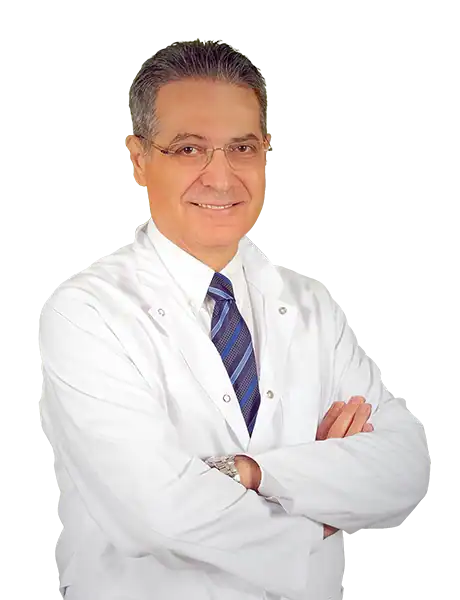
Prof. Dr. Bülent Kisacikoğlu
Cardiovascular Surgery
Prof. Dr. Cem Alhan
Cardiovascular Surgery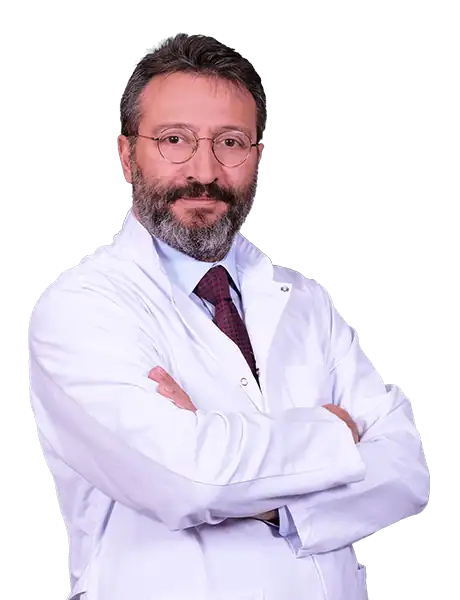
Prof. Dr. Ersin Erek
Cardiovascular Surgery
Prof. Dr. Eyüp Murat Ökten
Cardiovascular Surgery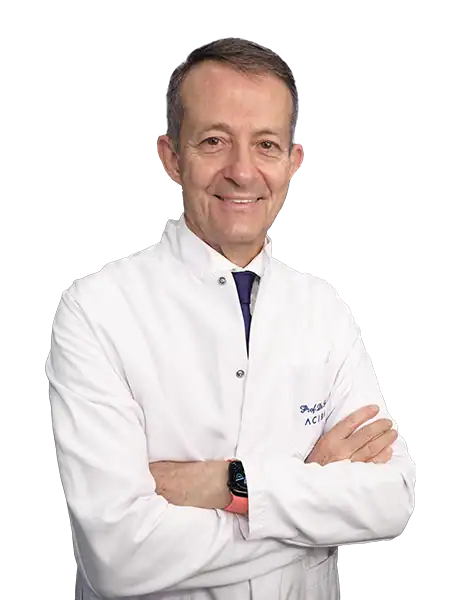
Prof. Dr. Fuat Bilgen
Cardiovascular Surgery
Prof. Dr. Hüsnü Cemal Kahraman
Cardiovascular Surgery
Prof. Dr. Mehmet Özkan
Cardiovascular Surgery
Prof. Dr. Mustafa Karaçelik
Cardiovascular Surgery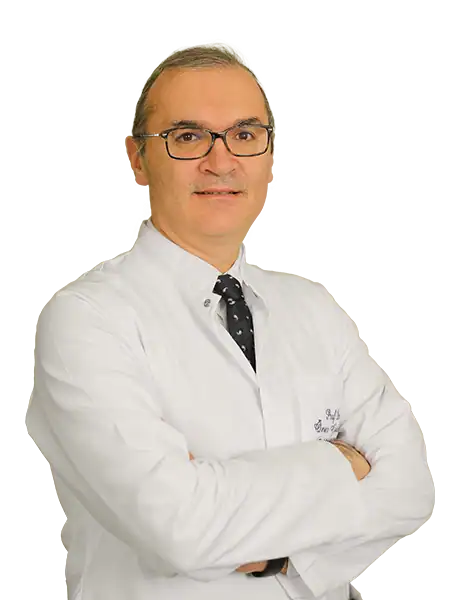
Prof. Dr. Öner Gülcan
Cardiovascular Surgery
Assoc. Prof. Dr. Ahmet Arnaz
Cardiovascular Surgery
Assoc. Prof. Dr. Cüneyt Narin
Cardiovascular Surgery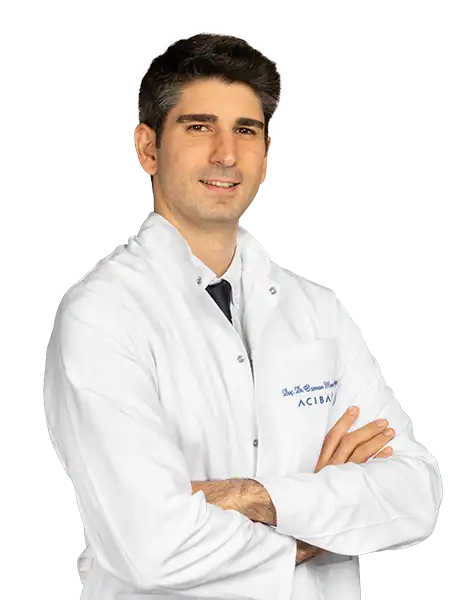
Assoc. Prof. Dr. Murat Baştopcu
Cardiovascular Surgery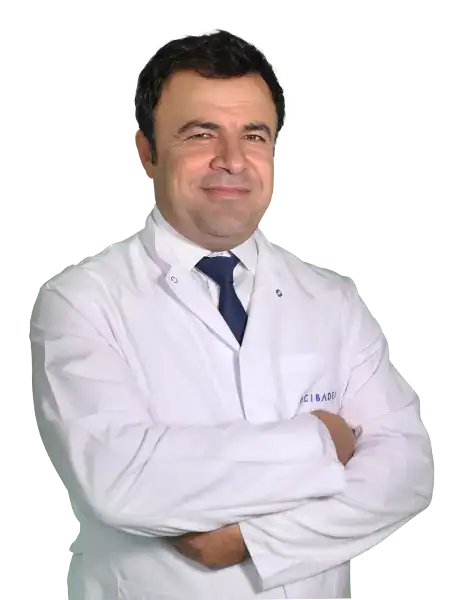
Assoc. Prof. Dr. İsmail Selçuk
Cardiovascular Surgery
Asst. Prof. Dr. Gökhan Arslanhan
Cardiovascular Surgery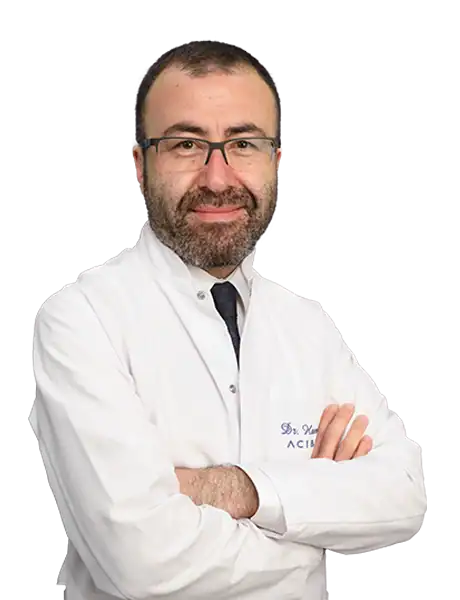
Asst. Prof. Dr. Hamdi Toköz
Cardiovascular Surgery
Dr. Abdullah Doğan
Cardiovascular Surgery
Dr. Ahmet Arif Ağlar
Cardiovascular Surgery
Dr. Anil Karaağaç
Cardiovascular Surgery
Dr. Arzu Ercan
Cardiovascular Surgery
Dr. Aytaç Çalışkan
Cardiovascular Surgery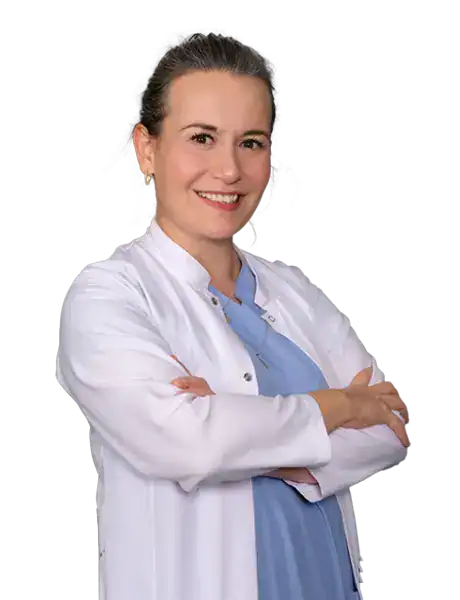
Dr. Ayça Özgen
Cardiovascular Surgery
Dr. Bakytbek Kazybaev
Cardiovascular SurgeryAvailable at these Hospitals








Frequently Asked Questions
Can my heart reports be reviewed before I travel?
Yes. You can send your echocardiogram, angiography and other reports for a remote evaluation by the heart team, and receive a written opinion — often including a second opinion — before deciding to travel.
Do the surgeons and cardiologists decide together?
Yes. Complex cases are reviewed by a heart team of surgeons, cardiologists and imaging specialists, so the plan reflects combined expertise rather than one specialty acting alone.
Do I always need open-heart surgery?
No. Many conditions can be treated with catheter-based procedures or continued medical management, and the heart team recommends surgery only when it is genuinely the best option for you.
Are minimally invasive heart procedures available?
For selected patients, minimally invasive surgery or catheter-based procedures can treat the problem with less disruption. Whether they suit your case is decided after full assessment.
How long will I need to stay in Turkey for heart surgery?
The stay after major heart surgery is longer than for many procedures, and early recovery matters. Your coordinator plans your total time abroad around safe recovery and travel and gives a realistic estimate in advance.
Will a valve be repaired or replaced?
Repair is preferred where possible, as it preserves your own valve; where replacement is needed, the choice of valve is discussed with you. The right approach depends on your specific condition.
Do you treat aortic aneurysms?
Yes. Aneurysms and other diseases of the aorta are treated using open or, where suitable, endovascular techniques chosen according to the location and nature of the problem.
Is cardiac rehabilitation part of my care?
Yes. Recovery is planned from the outset, with cardiac rehabilitation to rebuild strength safely and a plan designed to continue at home.
What if I have other health conditions?
Because relevant specialists are part of the same hospital group, surgery is planned safely around conditions such as diabetes or kidney disease, considering the whole person.
How soon can urgent cases be seen?
Acıbadem International hospitals operate around the clock, and more urgent cardiac cases can be prioritized. Sharing your latest reports allows the team to advise quickly on the safest next step.
Will I receive a clear plan to take home?
Yes. You receive discharge documents, your results and a structured rehabilitation and follow-up plan so your recovery can continue safely with your own doctor after you return.
Can I get a second opinion if I have already been told I need surgery?
Yes. The heart team can review your case and provide an honest second opinion, advising whether surgery is the best option or whether an alternative is more appropriate.
Will my family be supported during my stay?
Yes. The international patient coordinator helps with practical arrangements so a companion can accompany you during surgery and early recovery.
Is the hospital equipped for complex cardiac cases?
Yes. Operations are performed in accredited hospitals with modern theatres, advanced imaging and dedicated cardiac intensive care, and complex cases are reviewed by the heart team before surgery.
How is my fitness for surgery assessed?
The heart team assesses not only your heart condition but your overall fitness for surgery, identifying and optimizing any other conditions beforehand, so that the operation is planned as safely as possible.
Do you treat congenital heart conditions in adults?
Yes. The unit treats structural and some congenital heart conditions, including in adults, planned individually after assessment.
When can I travel home after heart surgery?
The right time to travel depends on the operation and your recovery. Your team advises on safe timing, and your coordinator plans your stay around it.
Do you coordinate with my cardiologist at home?
Yes. You receive full documentation and results, and the team can communicate clearly so your care continues smoothly with your own cardiologist after you return.
Will my family be supported during my stay?
Yes. The international patient coordinator helps with practical arrangements so a companion can accompany you during surgery and recovery.
Can I get an estimate of what the visit involves before I travel?
Yes. After a remote review by the heart team, your coordinator can outline what the recommended treatment would involve, roughly how long you would stay, and what recovery to expect, so you can plan your trip with confidence and clear information.
Is the hospital equipped for the most complex heart cases?
Yes. Operations are performed in accredited hospitals with modern theatres, advanced imaging and dedicated cardiac intensive care, and complex cases are reviewed by the heart team of surgeons and cardiologists before any surgery is undertaken.
Will my recovery plan be tailored to me?
Yes. Recovery and cardiac rehabilitation are planned individually, taking into account your operation, your overall health and your circumstances, with a clear plan you can continue at home or with a local provider.
Speak with our medical team
Share your case and our international patient team will guide you to the right specialist — free of charge.