

Neurology
Diagnosis and treatment of disorders of the brain, spinal cord, nerves and muscles.

Medically reviewed by the Acıbadem clinical team — June 12, 2026
Neurology is the medical unit that diagnoses and treats disorders of the brain, spinal cord, nerves and muscles — conditions such as stroke, epilepsy, multiple sclerosis, Parkinson’s disease, headache and many others — using medical (non-surgical) approaches. At Acıbadem International, neurology works as one team with neurosurgery, so that the medical and surgical sides of nervous-system care are weighed together and patients receive a single, coordinated plan. For people travelling from abroad, that combination of careful diagnosis, modern treatment and joined-up neurological care is exactly what complex conditions of the nervous system require.
This page explains what the neurology unit covers, the conditions it treats, how disorders are diagnosed, the treatments available, and how international patients are supported through diagnosis, treatment and ongoing care.
What the neurology unit covers
Neurology is highly specialized, and the unit is organized so that the right expertise is applied to each condition. Its main areas of work include:
- Stroke and cerebrovascular disease — diagnosis, treatment and prevention.
- Epilepsy — diagnosis and management of seizure disorders.
- Movement disorders — including Parkinson’s disease and related conditions.
- Multiple sclerosis and other neuro-immune conditions.
- Headache and migraine.
- Disorders of the nerves and muscles, and memory-related conditions.
Because many neurological conditions can be managed with medicine but some may need surgery, neurology and neurosurgery review complex cases together, so that the treatment chosen reflects combined expertise rather than one specialty acting in isolation.
Conditions we treat
The unit cares for the full range of neurological conditions. Common reasons international patients are referred include:
- Stroke — and the assessment and prevention of future strokes.
- Epilepsy and seizures.
- Parkinson’s disease and other movement disorders.
- Multiple sclerosis.
- Chronic headache and migraine.
- Neuropathies and muscle disorders.
- Memory and cognitive concerns.
Many patients arrive seeking a clear diagnosis after troubling symptoms, or a better plan for a condition diagnosed at home. The unit’s first task is to assess accurately — neurological diagnosis can be complex — and explain the realistic options clearly.
How conditions are diagnosed
Accurate diagnosis is the foundation of neurological care, and it can be intricate, so the unit assesses each patient carefully with a detailed examination and the right investigations. These may include:
- MRI and CT imaging — to examine the brain and spinal cord.
- Electrophysiological studies — such as EEG for seizures and nerve and muscle studies.
- Laboratory tests — to identify specific causes.
- Detailed clinical and cognitive assessment.
These are supported by the hospital group’s medical technologies and radiology, and the findings are interpreted alongside the patient’s history and symptoms. For international patients, much of this assessment can begin with a remote review of existing reports and imaging before travel, so that a considered plan is in place.
Treatments and approaches
The unit offers a full range of medical neurological treatment, tailored to the condition and the individual.
Stroke care and prevention
Stroke is a medical emergency where time matters, and the unit provides assessment and treatment in the acute setting, together with careful evaluation to reduce the risk of future strokes. Prevention — managing the underlying risk factors — is a central part of stroke care.
Epilepsy management
Epilepsy is diagnosed and managed to control seizures, usually with medication tailored to the individual. For selected patients whose seizures are not controlled by medication, the unit works with neurosurgery to consider whether surgery may help.
Movement disorders and multiple sclerosis
Conditions such as Parkinson’s disease and multiple sclerosis are managed with modern treatments aimed at controlling symptoms and, where possible, modifying the course of disease, with care tailored over time as the condition evolves.
Headache and other conditions
Chronic headache and migraine, neuropathies, muscle disorders and memory-related conditions are assessed and managed with approaches suited to the cause and the individual. Specific treatments can be explored in the treatments library.
The neurology and neurosurgery partnership
The defining strength of modern neurological care is the close partnership between neurology and neurosurgery. Many conditions of the nervous system can be treated either with medicine or, in some cases, with surgery, and the right choice depends on the whole picture. By reviewing complex cases together, the two specialties ensure that a patient receives the most appropriate treatment — medical where that is best, surgical where it is needed — rather than a decision driven by one viewpoint alone. At Acıbadem International, this joint approach means the plan a patient receives reflects combined expert judgment, which is exactly the safeguard that complex neurological care should have.
Living with long-term neurological conditions
Many neurological conditions are long-term, and caring for them well means supporting the patient over time, not just at a single visit. Conditions such as Parkinson’s disease, multiple sclerosis and epilepsy often need treatment that is adjusted as the condition evolves, alongside attention to quality of life. The unit works with physical medicine and rehabilitation where rehabilitation can help maintain function, and recognizes the emotional impact of living with a chronic neurological condition, with psychological support available where helpful. For international patients, the unit provides a clear plan that can be continued with care at home, so that long-term conditions are managed consistently.
Technology and approach
Neurology relies on careful clinical assessment supported by precise diagnostic technology. The unit uses high-quality imaging and electrophysiological studies to reach an accurate diagnosis — often the hardest and most important step — and modern treatments to manage conditions effectively. But technology serves judgment: a thorough clinical assessment by an experienced neurologist remains central, and complex cases are reviewed jointly with neurosurgery. This combination of skilled assessment, accurate diagnosis and coordinated decision-making is what underpins good neurological care.
Your team
Your care may involve a neurologist with the relevant subspecialty, a neuro-radiologist, and — for cases that may need surgery — neurosurgery, with rehabilitation and psychological support where helpful, all supported by specialist nurses. The physicians who lead this unit are listed on the doctors page, and care is delivered across Acıbadem’s accredited hospitals, which maintain international quality and safety standards.
The international patient journey
The unit is organized to make neurological care clear and well supported for international patients.
1. Remote review of your case
You begin by sharing your history, symptoms and any imaging or test results. A neurologist reviews them, often jointly with neurosurgery for complex cases, and provides an opinion on the likely diagnosis and the realistic options. A second opinion is available — entirely remotely, before you commit to travel.
2. A clear plan
If treatment in Turkey makes sense, you receive a plan explaining what is recommended, what it would involve, how long you would stay and what to expect.
3. Coordinated care
A dedicated coordinator arranges appointments, any admission, interpreting and travel logistics. Your diagnosis is confirmed in person, and complex cases are reviewed by the relevant teams.
4. Follow-up
You receive clear documentation and a follow-up plan to continue at home, which matters particularly for long-term conditions, and the team remains reachable for questions. To begin, request an online consultation.
Why patients choose Acıbadem for neurological care
Acıbadem International brings together experienced neurologists and neurosurgeons, precise diagnostic technology, a joint medical-surgical model, and well-coordinated international patient support — all within accredited hospitals. For patients with complex conditions of the nervous system, the coordinated, multidisciplinary approach is as important as the technical expertise: the neurologist who assesses you and the surgeon who may be involved plan your care together, which is how neurological treatment should work. The result is care aimed at accurate diagnosis and the most appropriate treatment for each individual.
What to expect and practical notes
Neurological conditions vary enormously, from acute events to long-term conditions, so care and any length of stay differ greatly from case to case. Reaching an accurate diagnosis is often the most important step, and the unit takes the time this requires. Many conditions are managed with medicine, and surgery is involved only where it is genuinely needed, decided jointly with neurosurgery. For long-term conditions, the unit provides a clear plan to continue at home, and is honest about what treatment can realistically achieve. Throughout, clear communication is a priority.
Coordinated care for complex conditions
Neurological conditions frequently intersect with other specialties, and treatment within a large hospital group means the right experts are already together. Conditions that may need surgery are reviewed with neurosurgery; imaging is supported by radiology; rehabilitation is provided with physical medicine and rehabilitation; and emotional wellbeing is supported through psychology. For patients with other health conditions, having the relevant specialists in the same group means care can be coordinated safely around the whole person. This joined-up approach matters most in exactly the complex cases that neurology so often involves.
Understanding stroke and why time matters
Stroke is one of the most time-critical conditions in medicine, because brain tissue is affected quickly when its blood supply is interrupted, and prompt assessment and treatment can make a profound difference to recovery. The unit provides stroke assessment and treatment in the acute setting, supported by the imaging and round-the-clock resources of a full hospital. Beyond the immediate event, an equally important part of stroke care is understanding why it happened and reducing the risk of another — managing blood pressure, other risk factors and any underlying conditions. For patients who have had a stroke, recovery is often supported by rehabilitation to regain function, planned with physical medicine and rehabilitation. The unit approaches stroke as both an emergency to be treated and a long-term risk to be managed, so that patients are cared for not only in the acute phase but in the months and years that follow, when prevention and recovery matter most.
Living well with epilepsy
Epilepsy affects people very differently, and good care is about achieving the best possible seizure control while supporting the person’s quality of life. The unit diagnoses epilepsy carefully, since an accurate diagnosis guides the right treatment, and manages it usually with medication tailored to the individual and adjusted over time. Many people with epilepsy achieve good control and lead full lives, and the unit works to find the treatment that best balances effectiveness with day-to-day wellbeing. For the smaller group whose seizures are not controlled by medication, the unit works with neurosurgery to consider whether surgery may help, after careful assessment. Throughout, clear explanation and ongoing support are central, because living with epilepsy involves understanding the condition and managing it confidently over the long term, not just at a single appointment.
Diagnosing complex neurological conditions
Neurological diagnosis is among the most intricate in medicine, because the same symptom can have many different causes, and reaching the right diagnosis is often the most important step in a patient’s care. The unit brings together a detailed clinical assessment by an experienced neurologist with the right investigations — imaging of the brain and spinal cord, electrophysiological studies, and laboratory tests — to build an accurate picture. This careful, methodical approach matters especially for patients who have had troubling symptoms without a clear explanation, or who are uncertain about a diagnosis made elsewhere. The unit takes the time that accurate diagnosis requires rather than rushing to conclusions, and where a case is complex, it is reviewed jointly with neurosurgery and other specialists. Getting the diagnosis right is the foundation on which effective, appropriate treatment is built.
Headache, migraine and chronic conditions
Chronic headache and migraine are common, often underestimated, and can significantly affect daily life, and the unit takes them seriously. Assessment aims to understand the type and cause of the headache, since this guides effective treatment, and management is tailored to the individual with the goal of reducing the frequency and impact of attacks. Other long-term neurological conditions, including neuropathies and muscle disorders, are similarly assessed and managed with approaches suited to the cause. The unit recognizes that conditions which are not life-threatening can still have a major impact on quality of life, and it approaches them with the same care and attention as more dramatic conditions. For many patients, effective management of a chronic neurological condition can make a real and lasting difference to how they live.
Frequently asked questions
Can my case be reviewed before I travel?
Yes. You can share your history, symptoms and any imaging or test results for a remote assessment, often reviewed jointly with neurosurgery for complex cases, and receive an opinion — including a second opinion — before deciding to travel.
Do neurology and neurosurgery work together?
Yes. Complex conditions are reviewed jointly so that medical and surgical options are weighed together, and the plan reflects both perspectives rather than one specialty acting alone.
Do you treat stroke?
Yes. The unit provides stroke assessment and treatment, together with careful evaluation to reduce the risk of future strokes, since prevention is a central part of stroke care.
How is epilepsy managed?
Epilepsy is diagnosed and managed to control seizures, usually with medication tailored to the individual. For selected patients whose seizures are not controlled, surgery may be considered with neurosurgery.
Can you manage Parkinson’s disease or multiple sclerosis?
Yes. These long-term conditions are managed with modern treatments aimed at controlling symptoms and, where possible, modifying the disease course, with care adjusted over time as the condition evolves.
Do you treat chronic headache and migraine?
Yes. Chronic headache and migraine are assessed to understand the cause and managed with approaches suited to the individual.
How long will I need to stay in Turkey?
It depends greatly on the condition. Some assessments are completed relatively quickly, while others or any treatment may need longer. Your coordinator gives a realistic estimate in advance.
Will my long-term condition be supported after I return home?
Yes. The unit provides a clear plan and follow-up so that long-term conditions can be managed consistently with care at home, and the team remains reachable for questions.
Is rehabilitation available where needed?
Yes. Where rehabilitation can help maintain function, it is provided with the physical medicine and rehabilitation unit, with a plan designed to continue at home.
Can I get a second opinion on my diagnosis or treatment?
Yes. The unit can review your case and provide an honest second opinion on your diagnosis and the most appropriate treatment.
Will my other health conditions be considered?
Yes. Because relevant specialists are part of the same hospital group, care is coordinated safely around any other health conditions you have.
Is emotional support available?
Yes. The unit recognizes the emotional impact of living with a neurological condition, and psychological support is available where helpful.
How soon can urgent cases be seen?
Acıbadem International hospitals operate around the clock, and more urgent neurological problems can be prioritized. Sharing your latest reports allows the team to advise quickly on the safest next step.
Can I receive care in my own language?
Yes. The international patient coordinator arranges interpreting and supports you through the practical and clinical steps of your care.
Is reaching an accurate diagnosis a priority?
Yes. Neurological diagnosis can be complex, and the unit takes the time required to reach an accurate diagnosis, since it is the foundation of the right treatment.
Will reaching an accurate diagnosis be the priority?
Yes. Neurological diagnosis can be complex, and the unit takes the time required to reach an accurate diagnosis through detailed assessment and the right investigations, since it is the foundation of the right treatment.
Can the wider hospital group support my care?
Yes. Within a large hospital group, neurology works with neurosurgery, radiology, rehabilitation and psychological support, so that complex neurological conditions are managed in a coordinated way around the whole person.
Will my care continue after I return home?
Yes. For long-term conditions, the unit provides a clear plan and follow-up so that care can continue consistently with your own doctor at home, and the team remains reachable for questions.
Do you treat memory and cognitive concerns?
Yes. Memory and cognitive concerns are assessed with detailed clinical and, where needed, cognitive assessment, to understand the cause and advise on appropriate management.
Will a companion be supported during my visit?
Yes. The international patient coordinator helps with practical arrangements so that a companion can accompany you, which can be especially helpful for neurological assessment and care.
Can I get an estimate of the visit before I travel?
Yes. After a remote review, your coordinator can outline what the recommended assessment or treatment would involve, roughly how long you would stay and what to expect, so you can plan with clear information.
Is emotional support available for long-term conditions?
Yes. The unit recognizes the emotional impact of living with a neurological condition, and psychological support is available where it would help, as part of caring for the whole person.
How soon can urgent neurological cases be seen?
Acıbadem International hospitals operate around the clock, and more urgent neurological problems can be prioritized. Sharing your latest reports and imaging allows the team to advise quickly on how soon you should be seen and on the safest next step for your situation.
Will my treatment be tailored to my condition?
Yes. Neurological conditions affect people very differently, so the unit tailors treatment to your specific condition, its course and your circumstances, adjusting care over time for long-term conditions rather than applying a single standard approach.
Do you treat conditions of the nerves and muscles?
Yes. Neuropathies, muscle disorders and related conditions are assessed with detailed clinical examination and electrophysiological studies to understand the cause, and managed with approaches suited to the individual and the diagnosis.
Does treatment within a hospital group benefit neurological care?
Yes. Having neurology, neurosurgery, imaging, rehabilitation and psychological support within one accredited hospital group means your care is coordinated and any complex case can be reviewed jointly, which is exactly the kind of joined-up support that complex neurological conditions require.
This page provides general health information about the services of this unit and is not a substitute for personal medical advice. Any diagnosis and treatment plan is determined after individual assessment by qualified specialists.
Specialists in this Unit
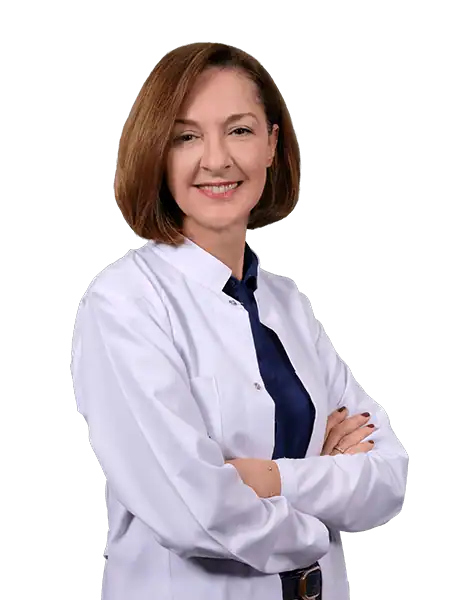
Prof. Dr. Ayşe Sağduyu Kocaman
Neurology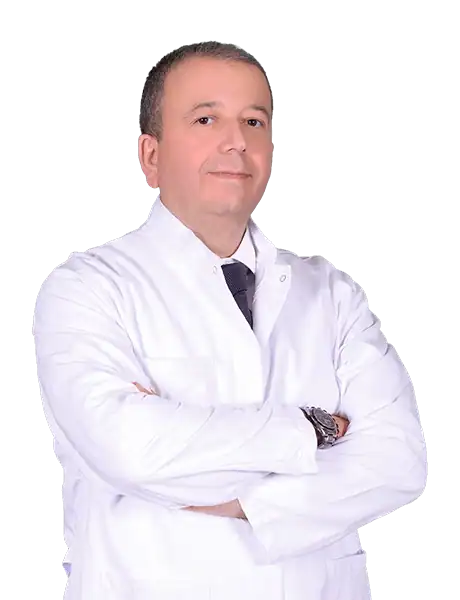
Prof. Dr. Dilaver Kaya
Neurology
Prof. Dr. Elif Ilgaz Aydınlar
Neurology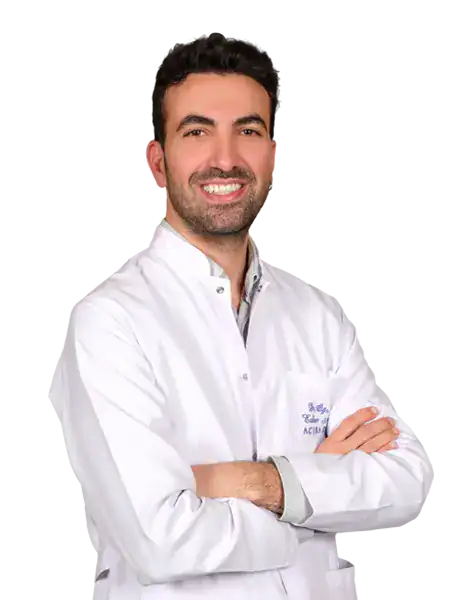
Prof. Dr. Erkan Acar
Neurology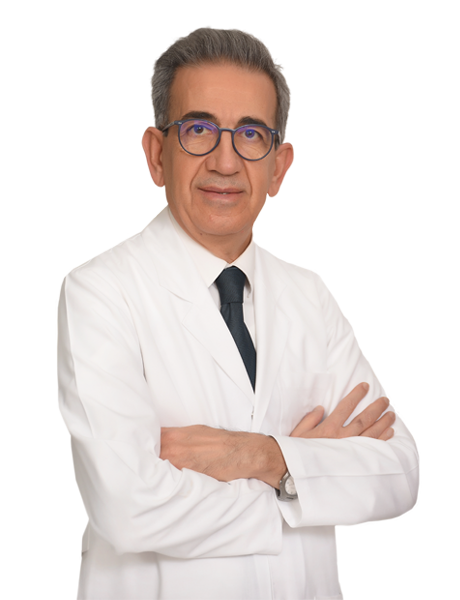
Prof. Dr. Kamil Kadir Topalkara
Neurology
Prof. Dr. Kayihan Uluç
Neurology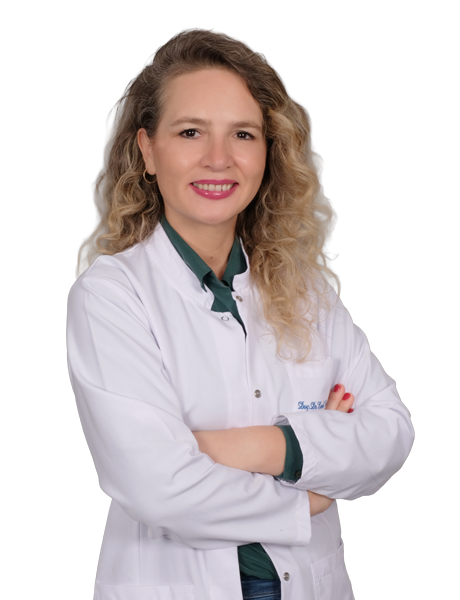
Assoc. Prof. Dr. Emel Ur Özçelik
Neurology
Assoc. Prof. Dr. Esma Kobak Tur
Neurology
Asst. Prof. Dr. Ezgi Yakupoğlu
Neurology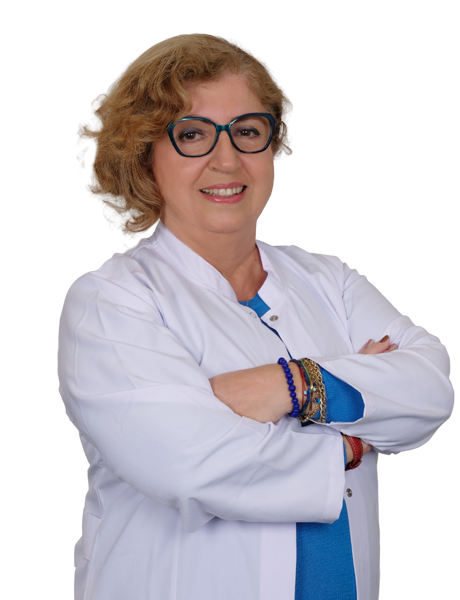
Dr. Aydan Angay
Pediatric Neurology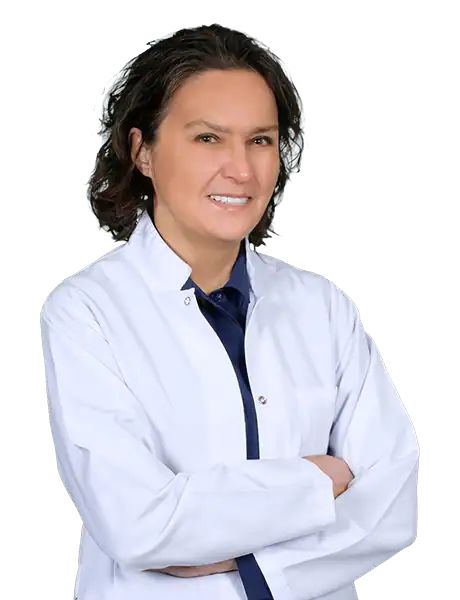
Dr. Ayla Sifoğlu
Neurology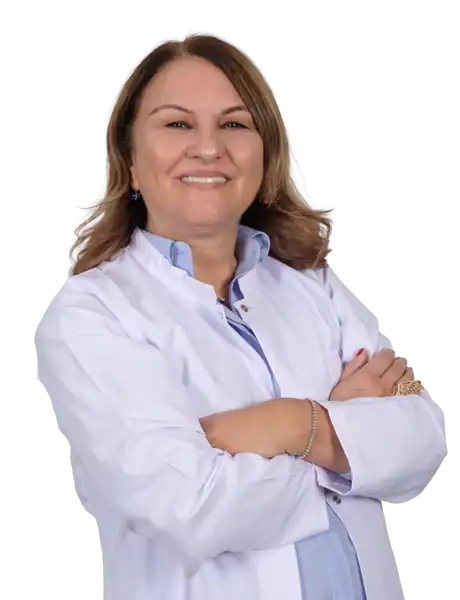
Dr. Ayşen Bıçakcı Genç
Neurology
Dr. Aytekin Ceviz
Neurology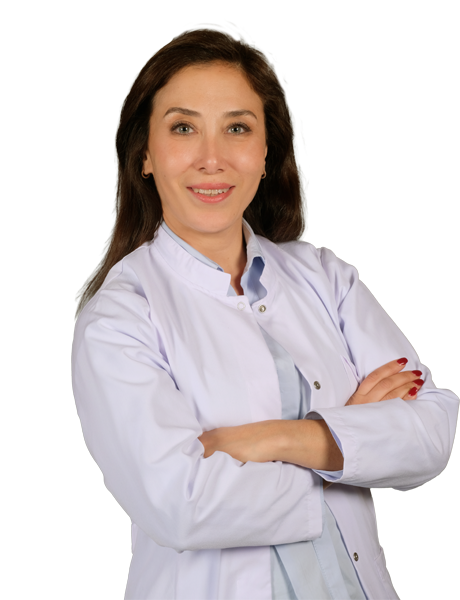
Dr. Başak Bolluk Kılıç
Neurology
Dr. Beyza Çitçi
Neurology
Dr. Cem Ortacbayram
Neurology
Dr. Cennet Nalan Soyder
Neurology
Dr. Elvan Cevizci Akkılıç
Neurology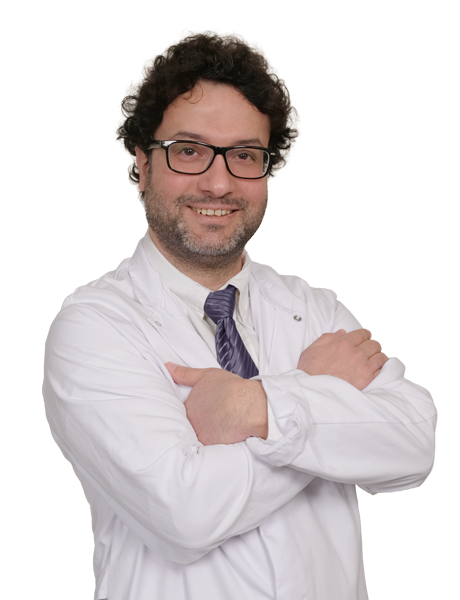
Dr. Fikri Halaçoğlu
Neurology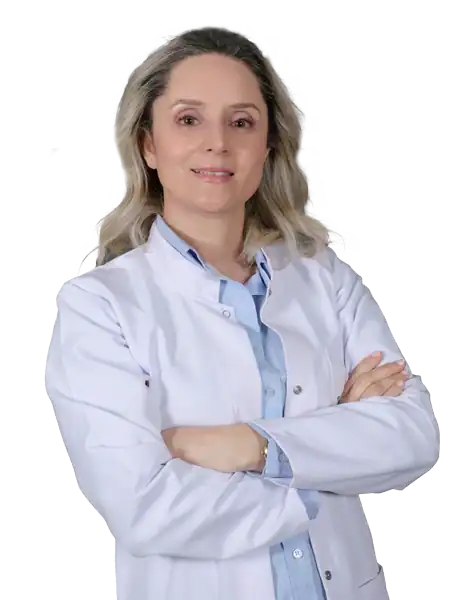
Dr. Gamze Almak
Neurology
Dr. Hafsa Hicret Bülbül Göktaş
Neurology
Dr. Haluk Caneroğlu
Neurology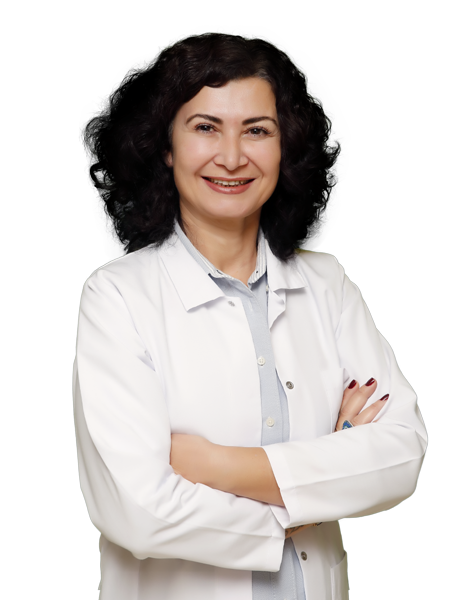
Dr. Hülya Yıldız Bayar
Neurology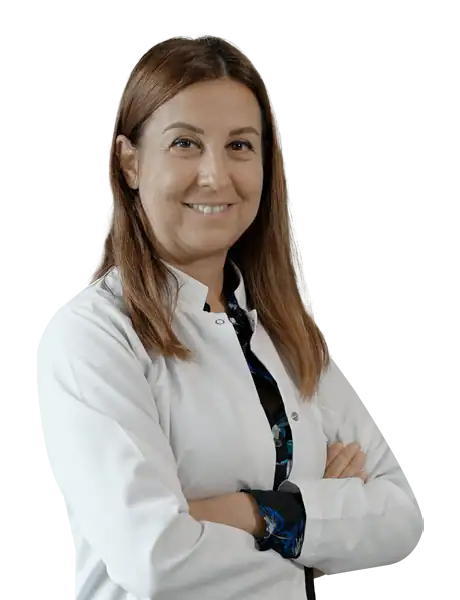
Dr. Müge Koçak
NeurologyMedical Technologies Used
Speak with our medical team
Share your case and our international patient team will guide you to the right specialist — free of charge.