

Gastroenterology
Diagnosis and treatment of the digestive system and liver, with advanced endoscopy.
Medically reviewed by the Acıbadem clinical team — June 12, 2026
Gastroenterology is the medical unit that diagnoses and treats conditions of the digestive system — the esophagus, stomach, intestines, liver, pancreas and biliary system — using both medical treatment and endoscopic procedures. At Acıbadem International, gastroenterology combines advanced endoscopy with the resources of a large hospital group, working closely with general surgery and the cancer team so that digestive conditions, from common complaints to cancers, are assessed accurately and treated in the right way. For people travelling from abroad, that combination of precise diagnosis, modern endoscopic treatment and coordinated care is what allows a wide range of digestive problems to be managed effectively.
This page explains what the gastroenterology unit covers, the conditions it treats, how digestive problems are diagnosed, the treatments available, and how international patients are supported through diagnosis, treatment and follow-up.
What the gastroenterology unit covers
Gastroenterology is broad, covering the entire digestive system, and the unit is organized so that the right expertise is applied to each problem. Its main areas of work include:
- Endoscopy — examining and treating the digestive tract from inside.
- Conditions of the stomach and esophagus — including reflux and ulcers.
- Inflammatory bowel disease — such as Crohn’s disease and ulcerative colitis.
- Liver and pancreas conditions.
- Digestive cancers and pre-cancerous conditions — including screening and early detection.
- Functional digestive disorders — affecting how the gut works.
Because some digestive conditions are managed with medicine and endoscopy while others may need surgery, the unit works closely with general surgery and, for cancers, the multidisciplinary team, so that treatment reflects combined expertise.
Conditions we treat
The unit cares for the full range of digestive conditions. Common reasons international patients are referred include:
- Acid reflux and gastro-esophageal conditions.
- Stomach and duodenal ulcers.
- Inflammatory bowel disease — Crohn’s disease and ulcerative colitis.
- Liver diseases.
- Conditions of the pancreas and biliary system.
- Digestive cancers and polyps.
- Irritable bowel and other functional disorders.
Many patients arrive with persistent digestive symptoms that have affected their quality of life, or seeking a clear plan after investigations elsewhere. The unit’s first task is to assess accurately and explain the realistic options clearly.
How conditions are diagnosed
Accurate diagnosis underpins good digestive care, and the unit assesses each patient with the investigations that genuinely inform the plan. Endoscopy is often central. Diagnosis may involve:
- Gastroscopy and colonoscopy — examining the upper and lower digestive tract directly.
- Advanced endoscopic techniques — for detailed assessment of the pancreas, bile ducts and other areas.
- Imaging — ultrasound, CT and MRI for the liver, pancreas and abdomen.
- Laboratory and other tests — to identify specific causes.
These are supported by the hospital group’s medical technologies, and findings are interpreted alongside the patient’s symptoms and history. For international patients, an initial review of existing results can often begin remotely before travel, so that a considered plan is in place.
Treatments and procedures
The unit offers a full range of treatment, from medical management to advanced endoscopic procedures.
Endoscopic diagnosis and treatment
Endoscopy allows the unit not only to examine the digestive tract but to treat many conditions without surgery — for example removing polyps, treating bleeding, or relieving narrowings. Advanced endoscopic techniques can address conditions of the pancreas and bile ducts. This ability to diagnose and treat through the same minimally invasive route is one of the strengths of modern gastroenterology.
Medical treatment of digestive conditions
Many conditions — including reflux, ulcers and inflammatory bowel disease — are managed with medical treatment tailored to the individual, with care adjusted over time for long-term conditions.
Cancer screening and early detection
Colonoscopy and other endoscopic procedures allow the detection and removal of polyps before they become cancerous, and the early detection of digestive cancers. Where cancer is found, it is treated within a multidisciplinary plan alongside medical oncology and surgery.
Liver, pancreas and other care
The unit assesses and manages liver, pancreas and biliary conditions, and a range of functional digestive disorders, with approaches suited to the cause. Specific treatments can be explored in the treatments library.
The power of endoscopy
Endoscopy is at the heart of gastroenterology, and its strength is that it allows both diagnosis and treatment through a minimally invasive route. A gastroscopy or colonoscopy lets the specialist see the digestive tract directly, take samples where needed, and frequently treat the problem in the same procedure — removing a polyp, stopping bleeding or relieving a blockage — without surgery. Advanced techniques extend this to the bile ducts and pancreas. For patients, this often means avoiding more invasive surgery, with a quicker recovery. The unit’s expertise in endoscopy is therefore central to its ability to treat a wide range of conditions effectively and gently.
Caring for long-term digestive conditions
Several digestive conditions — including inflammatory bowel disease and some liver conditions — are long-term and need ongoing, attentive management. The unit cares for these over time, adjusting treatment as the condition evolves and supporting the patient’s quality of life. Nutrition often plays an important part, and the unit works with nutrition and diet where dietary support helps. For international patients, the unit provides a clear plan that can be continued with care at home, so that long-term conditions are managed consistently. This ongoing perspective reflects the understanding that good digestive care is often about steady management, not a single treatment.
Technology and approach
Gastroenterology combines advanced endoscopic technology with careful clinical judgment. The unit uses modern endoscopy and imaging to diagnose conditions precisely and to treat many of them without surgery, supported by the resources of the hospital group. But technology serves judgment: the decision of how to investigate and treat is made after careful assessment, and the least invasive effective approach is preferred. Where surgery is needed, it is planned with general surgery; where cancer is involved, decisions are made within the multidisciplinary team.
Your team
Your care may involve a gastroenterologist with the relevant focus, endoscopy specialists, and — for complex cases — surgery, oncology and other specialists, supported by specialist nurses. The physicians who lead this unit are listed on the doctors page, and care is delivered across Acıbadem’s accredited hospitals, which maintain international quality and safety standards.
The international patient journey
The unit is organized to make digestive care clear and well supported for international patients.
1. Remote review
You begin by sharing your history, symptoms and any test results or imaging. The team reviews them, advises on the likely options, and where helpful offers a second opinion — all before you decide to travel.
2. A clear plan
If treatment in Turkey makes sense, you receive a plan explaining what is recommended, what any procedure would involve, how long you would stay and what to expect.
3. Coordinated care
A dedicated coordinator arranges appointments, any endoscopy or admission, interpreting and travel logistics. Your assessment is confirmed in person, and cancer cases are reviewed by the multidisciplinary team.
4. Follow-up
You receive clear documentation and a follow-up plan to continue at home, which matters for long-term conditions, and the team remains reachable for questions. To begin, request an online consultation.
Why patients choose Acıbadem for digestive care
Acıbadem International offers experienced gastroenterologists, advanced endoscopy, multidisciplinary cancer care, and well-coordinated international patient support — all within accredited hospitals. For patients travelling from abroad, the combination of precise diagnosis, the ability to treat many conditions through minimally invasive endoscopy, and the resources of a large hospital group for complex cases is what sets the experience apart. From common digestive complaints to cancers, the unit aims to assess accurately and treat in the right way, with the depth of a leading medical system behind it.
What to expect and practical notes
Digestive conditions and their treatments vary widely, so care and any length of stay differ from case to case. Many conditions are diagnosed and treated through minimally invasive endoscopy, often allowing a relatively quick recovery, while complex or cancer cases need more involved care and planning. Your coordinator plans your time abroad around any procedures and travel, and the unit is honest about timelines and outcomes. Surgery is involved only where it is genuinely needed, planned with general surgery; otherwise, medical and endoscopic approaches are preferred.
Coordinated care for complex cases
Digestive conditions often intersect with other areas of medicine, and treatment within a large hospital group means the right experts are already together. Surgery is planned with general surgery; digestive cancers with medical oncology; weight-related conditions connect with bariatric surgery; and dietary support is provided with nutrition and diet. For patients with other health conditions, having the relevant specialists in the same group means care can be coordinated safely around the whole person. This joined-up approach matters most in exactly the complex cases where several needs come together.
Understanding gastroscopy and colonoscopy
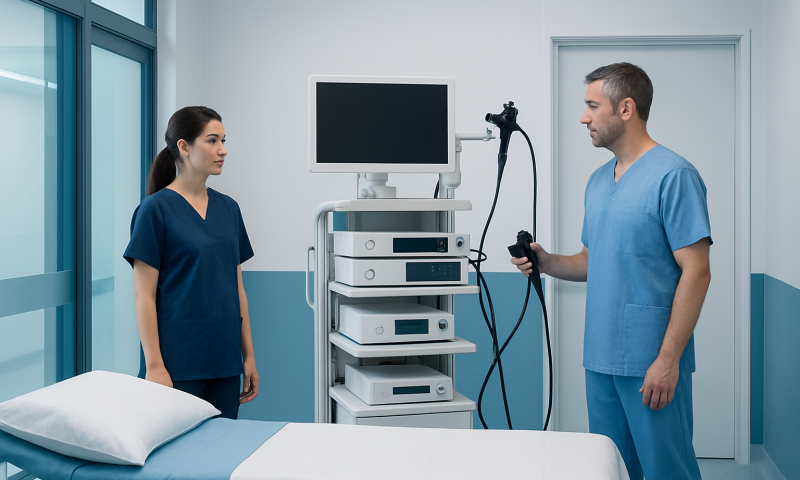
Gastroscopy and colonoscopy are the cornerstone procedures of gastroenterology, and understanding them removes much of the apprehension patients often feel. In a gastroscopy, a thin, flexible instrument with a camera is used to examine the esophagus, stomach and the first part of the small intestine; in a colonoscopy, the large intestine is examined in the same way. Both allow the specialist to see the lining of the digestive tract directly, take small samples where needed, and frequently treat problems in the same procedure — such as removing a polyp or stopping minor bleeding — without any surgery. The procedures are carried out with measures to keep the patient comfortable, and they are routine and well established. Their great value is that they combine accurate diagnosis with treatment through a single minimally invasive route, which is why they are so central to modern digestive care and so often allow patients to avoid more invasive surgery.
Reflux and what can be done
Acid reflux and related conditions are among the most common reasons people seek digestive care, and while often dismissed as minor, persistent reflux can significantly affect quality of life and sometimes needs proper assessment. The unit evaluates the symptoms, identifies the cause, and where appropriate uses endoscopy to examine the esophagus and stomach. Treatment is tailored to the individual, ranging from medical management to, in selected cases, procedures. Importantly, persistent or changing symptoms deserve assessment rather than indefinite self-treatment, because they can occasionally signal a condition that benefits from earlier attention. The unit takes reflux seriously, both because of its impact on daily life and because proper assessment ensures that anything more significant is not overlooked, while reassuring the many patients whose symptoms can be effectively managed.
Inflammatory bowel disease explained
Inflammatory bowel disease — including Crohn’s disease and ulcerative colitis — involves long-term inflammation of the digestive tract and requires attentive, ongoing management. These conditions can fluctuate over time, with periods of activity and calm, and good care aims to control the inflammation, manage symptoms and support the patient’s quality of life over the long term. The unit assesses these conditions carefully, using endoscopy and other investigations, and manages them with modern treatments adjusted as the condition evolves. Nutrition often plays an important role, and the unit works with nutrition and diet where dietary support helps. For international patients, the unit provides a clear plan that can be continued with care at home, recognizing that these are conditions to be managed steadily over time rather than resolved in a single visit.
Liver, pancreas and biliary health
The liver, pancreas and biliary system are vital to digestion and overall health, and conditions affecting them range from common to complex. The unit assesses these organs using imaging, laboratory tests and, where appropriate, advanced endoscopic techniques that can examine and treat the bile ducts and pancreas. Liver conditions are evaluated and managed according to their cause, and where a condition is more serious or potentially cancerous, it is assessed thoroughly and, if needed, managed within a multidisciplinary plan alongside surgery and oncology. Because these organs can be involved in conditions that develop quietly, careful assessment is important. The unit’s expertise in this area, combined with the resources of a large hospital group, means that even complex liver, pancreas and biliary conditions can be assessed and managed in a coordinated way.
Frequently asked questions
Can my case be reviewed before I travel?
Yes. You can share your history, symptoms and any test results or imaging for a remote assessment and receive advice on the likely options, including a second opinion where helpful, before deciding to travel.
What is endoscopy and why is it used?
Endoscopy lets the specialist examine the digestive tract directly and often treat conditions in the same procedure — such as removing a polyp or stopping bleeding — without surgery, which usually means a quicker recovery.
Do I always need surgery for a digestive condition?
No. Many conditions are managed with medical treatment or endoscopy. Surgery is involved only where it is genuinely needed, planned with general surgery.
Can you treat acid reflux and ulcers?
Yes. Reflux, ulcers and related conditions are assessed and managed with medical treatment and, where needed, endoscopy, tailored to the individual.
Do you manage inflammatory bowel disease?
Yes. Crohn’s disease and ulcerative colitis are managed over time with modern treatments, with care adjusted as the condition evolves and dietary support where helpful.
Can colonoscopy help prevent cancer?
Yes. Colonoscopy allows polyps to be detected and removed before they become cancerous, and digestive cancers to be detected early, which is why screening is valuable.
How are digestive cancers treated?
Within a multidisciplinary cancer plan alongside medical oncology and surgery, with decisions made by the tumor board so that treatments work together.
Do you assess liver and pancreas conditions?
Yes. Liver, pancreas and biliary conditions are assessed and managed with medical, endoscopic and, where needed, surgical approaches suited to the cause.
How long will I need to stay in Turkey?
It depends on the condition and treatment. Many procedures allow a relatively quick recovery, while complex cases need longer. Your coordinator gives a realistic estimate in advance.
Will my long-term condition be supported after I return home?
Yes. The unit provides a clear plan and follow-up so that long-term conditions can be managed consistently with care at home, and the team remains reachable for questions.
Can I get a second opinion on my diagnosis or treatment?
Yes. The unit can review your case and provide an honest second opinion on your diagnosis and the most appropriate treatment.
Will my other health conditions be considered?
Yes. Because relevant specialists are part of the same hospital group, care is coordinated safely around any other health conditions you have.
How soon can urgent cases be seen?
Acıbadem International hospitals operate around the clock, and more urgent digestive problems can be prioritized. Sharing your details allows the team to advise quickly on the safest next step.
Can I receive care in my own language?
Yes. The international patient coordinator arranges interpreting and supports you through the practical and clinical steps of your care.
Is dietary support available?
Yes. Where dietary support helps with a digestive condition, the unit works with the nutrition and diet unit as part of your care.
Is endoscopy uncomfortable?
Endoscopy is carried out with measures to keep you comfortable, and it is a routine, well-established procedure. Your team explains what to expect beforehand and provides clear guidance for afterwards.
Can the wider hospital group support complex cases?
Yes. For complex or cancer cases, the unit draws on a large hospital group, with surgery, oncology, nutrition and other specialists available so that your care is coordinated safely around your overall health.
Will my long-term condition be supported after I return home?
Yes. The unit provides a clear plan and follow-up so that long-term conditions can be managed consistently with care at home, and the team remains reachable for questions.
Can many conditions be treated without surgery?
Yes. A major strength of gastroenterology is that endoscopy and medical treatment allow many conditions to be managed without surgery, which often means a quicker recovery. Surgery is involved only where genuinely needed.
Will a companion be supported during my stay?
Yes. The international patient coordinator helps with practical arrangements so that a companion can accompany you during your care.
Will I receive documentation for my own doctor?
Yes. You receive clear documentation of your assessment and treatment, together with a follow-up plan, so your care can continue smoothly with your own doctor after you return.
Is dietary support part of digestive care?
Yes. Where dietary support helps with a digestive condition, the unit works with the nutrition and diet unit as part of a complete approach to your care.
How soon can urgent digestive problems be seen?
Acıbadem International hospitals operate around the clock, and more urgent digestive problems can be prioritized. Sharing your details allows the team to advise quickly on how soon you should be seen and on the safest next step for your situation.
Can I receive digestive care in my own language?
Yes. The international patient coordinator arranges interpreting and supports you through every practical and clinical step of your care, from the first remote review through any endoscopy or treatment to your follow-up, so you understand each stage clearly.
Will my treatment be tailored to me?
Yes. The unit assesses each patient individually and chooses the approach most suited to the condition and the person, whether that is medical treatment, endoscopy or surgery, and explains why a particular approach is recommended for you.
Will I receive a clear plan to take home?
Yes. You receive clear documentation of your assessment and any procedure, together with a follow-up plan that you can continue with your own doctor at home, which matters particularly for long-term digestive conditions that need steady management over time.
How soon will results and next steps be explained?
After your assessment or procedure, the team explains the findings and the recommended next steps clearly, so that you understand your diagnosis and plan, and you leave with documentation you can share with your own doctor at home.
This page provides general health information about the services of this unit and is not a substitute for personal medical advice. Any diagnosis and treatment plan is determined after individual assessment by qualified specialists.
Treatments in Gastroenterology
Specialists in this Unit

Prof. Dr. Ahmet Karaman
Gastroenterology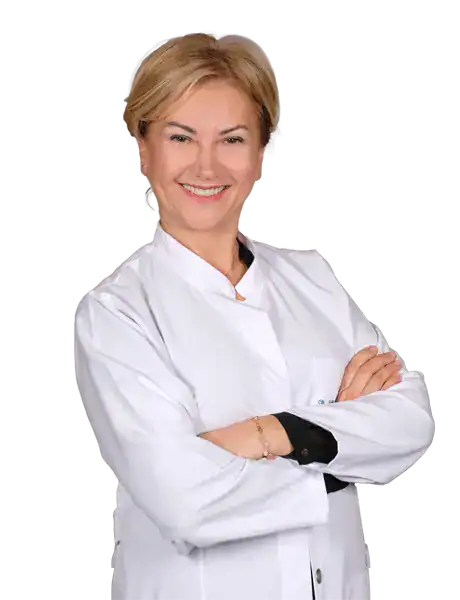
Prof. Dr. Arzu Tiftikçi
Gastroenterology
Prof. Dr. Atakan Yeşil
Gastroenterology
Prof. Dr. Bahattin Çiçek
Gastroenterology
Prof. Dr. Bülent Değertekin
Gastroenterology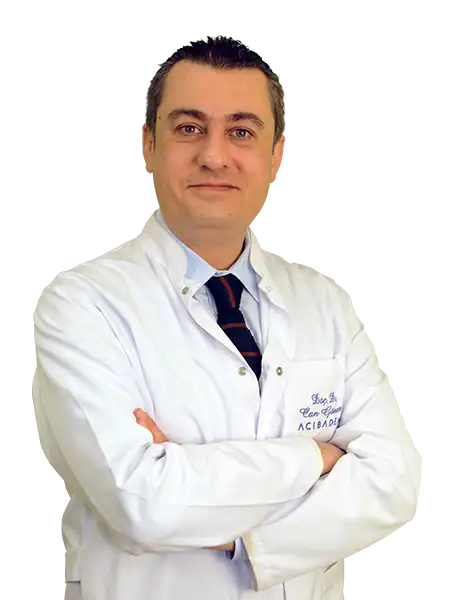
Prof. Dr. Can Gönen
Gastroenterology
Prof. Dr. Cem Aygün
GastroenterologyProf. Dr. Çetin Karaca (m) (g)
Gastroenterology
Prof. Dr. Erkin Öztaş
Gastroenterology
Prof. Dr. Ethem Tankurt
Gastroenterology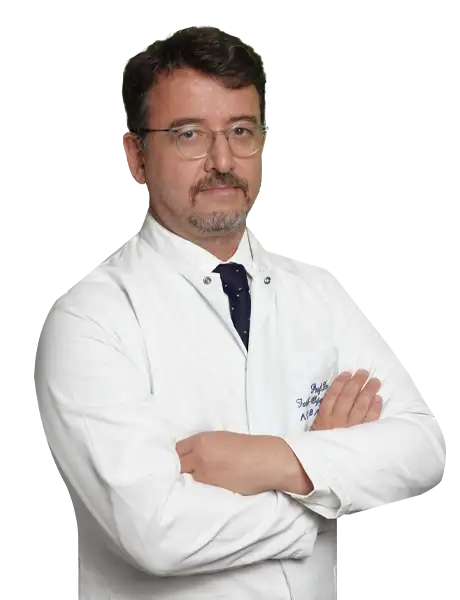
Prof. Dr. Fatih Oğuz Önder
Gastroenterology
Prof. Dr. Ferdane Pirinççi Sapmaz
Gastroenterology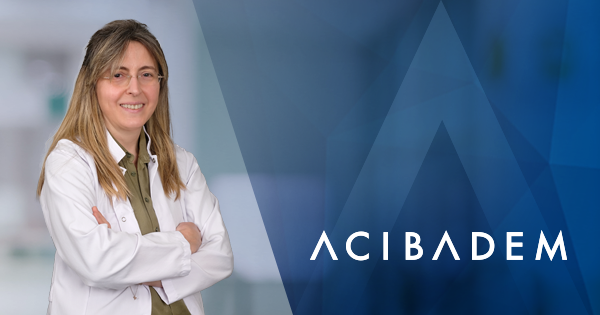
Prof. Dr. Filiz Akyüz (m) (g)
Gastroenterology
Prof. Dr. Güngör Boztaş
Gastroenterology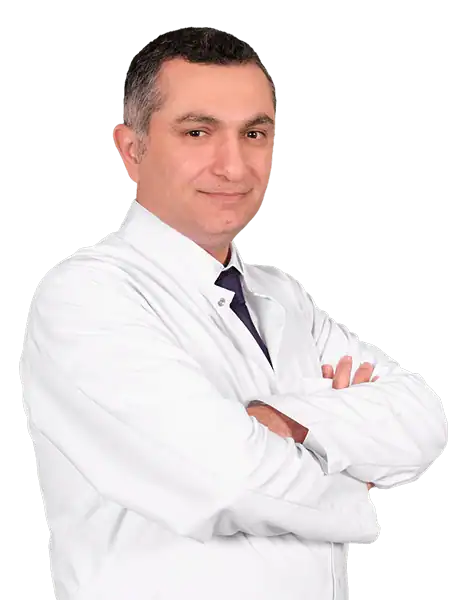
Prof. Dr. Hakan Ümit Ünal
Gastroenterology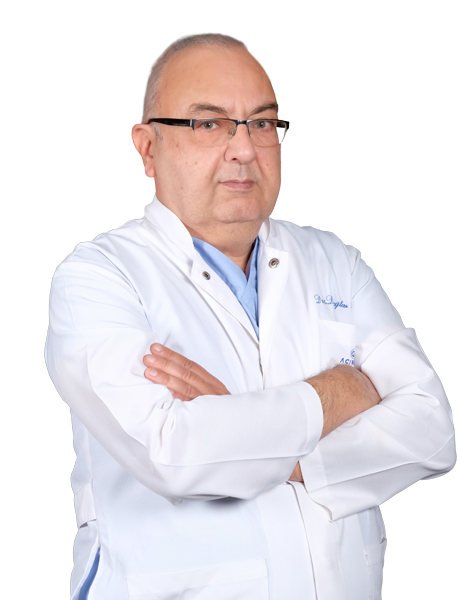
Assoc. Prof. Dr. Çağlar Baysal
Gastroenterology
Assoc. Prof. Dr. Diğdem Özer Etik
Gastroenterology
Assoc. Prof. Dr. Emine Şatır
Gastroenterology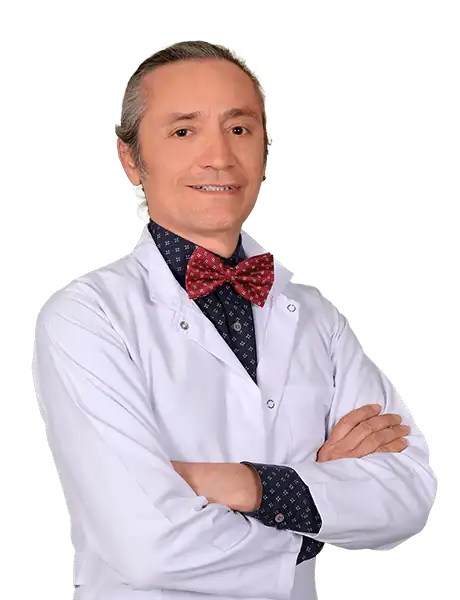
Dr. Alp Mustafa Günay
Gastroenterology
Dr. Aysun Bozbaş
Gastroenterology
Dr. Ercan Biçakci
Gastroenterology
Dr. Fatma Seçil Kirdök
Gastroenterology
Dr. Fuad Jafarov
Gastroenterology
Dr. Gürhan Şişman
GastroenterologyMedical Technologies Used
Speak with our medical team
Share your case and our international patient team will guide you to the right specialist — free of charge.