

Hip Pain: Causes, Symptoms and Treatment

Key Takeaways
- Hip pain may begin in the groin, outer hip, buttock, or even the thigh or knee, depending on the source.
- Common causes include arthritis, bursitis, tendon problems, muscle strain, injury, and referred pain from the lower back.
- A careful history, physical examination, and sometimes imaging or blood tests help identify the cause.
- Treatment often starts with activity changes, pain relief measures, and physiotherapy; some cases need injections or surgery.
- New severe pain, inability to bear weight, fever, or pain after a fall deserves prompt medical assessment.
Medically reviewed by the Acıbadem clinical team — August 19, 2026
Hip pain can arise from the joint itself, nearby muscles and tendons, the lower back, or conditions that affect the whole body. Understanding where the pain starts and what makes it better or worse helps guide the right evaluation and care.
Overview
Hip pain is a broad term for discomfort felt anywhere around the hip joint and the surrounding area. Because the hip is a deep, weight-bearing joint, pain here can affect walking, getting up from a chair, climbing stairs, sleep, and daily movement.
Not every “hip” ache comes from the hip joint itself. Pain can begin in the muscles, tendons, bursae, lower back, or pelvis and be felt in the hip region. That is why the pattern of pain matters: groin pain often points more toward the joint, while pain on the outside of the hip may suggest irritation of soft tissues on the side of the pelvis.
For people considering care from another country, the first step is usually not travel but clarity. A focused assessment can help determine whether the problem is likely to settle with conservative treatment or whether a specialist review, imaging, or a procedure should be arranged in advance so the visit is purposeful and efficient.
Symptoms
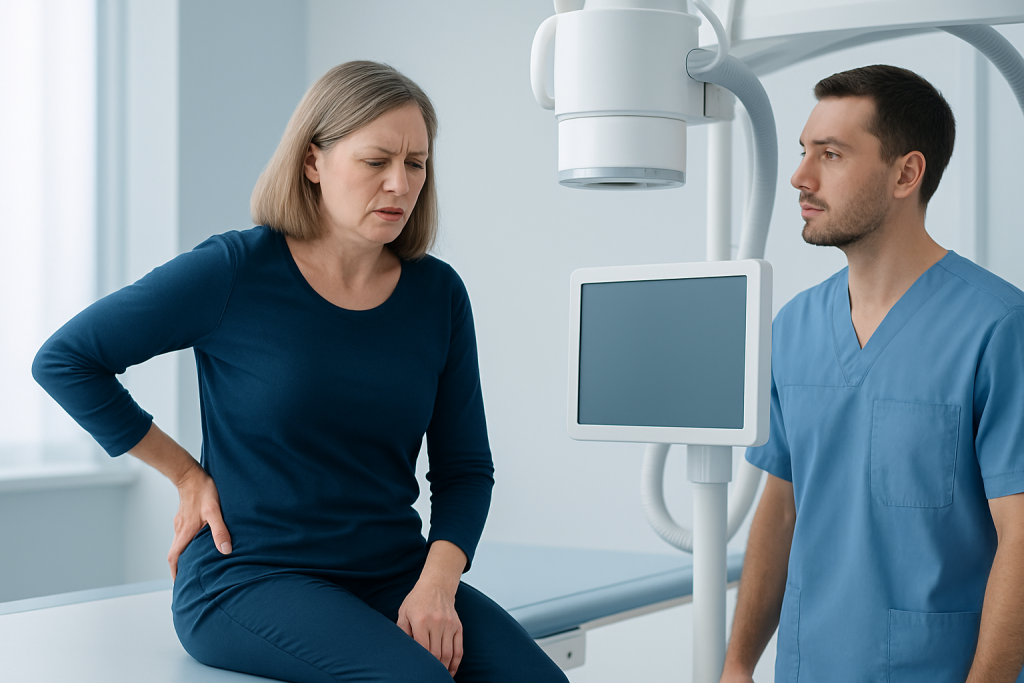
Hip pain can feel sharp, dull, burning, deep, or achy. Some people notice it only during movement, while others feel it at rest or at night. The pain may stay in one place or spread to the groin, outer thigh, buttock, or knee.
Common accompanying symptoms include stiffness, reduced range of motion, limping, clicking, catching, or weakness. Pain that worsens after sitting for a long time, after exercise, or when lying on the affected side can give useful clues about the underlying cause.
- Groin pain: often associated with joint-related problems such as arthritis or labral injury.
- Outer hip pain: may suggest bursitis or tendon irritation.
- Buttock pain: can come from the hip, the lower back, or both.
- Night pain or rest pain: should be discussed with a clinician, especially if persistent.
Symptoms that follow an injury, come on suddenly, or steadily worsen over time deserve closer attention because they may signal a fracture, inflammation, or another condition needing targeted treatment.
Causes & Risk Factors

Hip pain has many possible causes, and the most helpful diagnosis usually comes from matching the pain location with the person’s age, activity level, and medical history. In younger adults, muscle strains, overuse injuries, tendon problems, and labral tears are common. In older adults, arthritis becomes more likely.
Conditions that may cause hip pain include osteoarthritis, rheumatoid arthritis, bursitis, tendinitis, trochanteric pain syndrome, hip impingement, labral tears, fractures, avascular necrosis, and pain referred from the lower back or sacroiliac joint. In some cases, infections or inflammatory diseases can also be involved.
Risk factors depend on the cause, but several patterns are common:
- Previous injury or repetitive strain
- Age-related joint wear
- High-impact sports or occupations with repeated lifting, squatting, or twisting
- Excess body weight, which increases load on weight-bearing joints
- Inflammatory or autoimmune conditions
- Long-term corticosteroid use or heavy alcohol use in certain bone conditions
It is also important to remember that hip pain is not always mechanical. Pain with fever, unexplained weight loss, or general unwellness may point to a broader medical issue and should be assessed without delay.
Diagnosis
Diagnosis begins with a careful conversation about when the pain started, where it is felt, what activities worsen it, and whether there has been an injury. A clinician will also ask about stiffness, walking ability, previous treatments, and any symptoms elsewhere in the body.
The physical examination may include checking walking pattern, hip movement, tenderness, strength, and whether pain comes from the hip joint, back, or soft tissues around the pelvis. Simple bedside maneuvers can help narrow the source, although more than one problem may be present at the same time.
Depending on the findings, tests may include X-rays to look for arthritis, fractures, or shape-related joint changes; MRI or ultrasound to assess tendons, bursae, cartilage, or hidden bone problems; and blood tests when infection or inflammatory disease is suspected. For international patients, bringing prior images and reports in digital form can make consultation smoother and avoid repeating tests unnecessarily.
Treatment Options
Treatment depends on the cause, severity, and how much the pain is affecting movement and daily life. Many cases improve with conservative care first, especially when the cause is overuse, mild inflammation, or early degenerative change.
Common treatment approaches include activity modification, short-term use of pain-relieving measures recommended by a clinician, and physiotherapy to improve hip strength, flexibility, and movement control. Targeted exercises are often more useful than complete rest, because the goal is to calm irritation while preserving function.
When symptoms persist or a specific diagnosis is made, additional treatment may be considered. These can include guided injections for selected inflammatory or soft-tissue problems, treatment for underlying arthritis or systemic disease, or surgery when the joint is structurally damaged or conservative care is no longer enough.
Surgical options vary widely and may include arthroscopic procedures for certain tears or impingement patterns, fracture repair, or hip replacement for advanced joint disease. The best option depends on age, activity goals, imaging findings, and overall health, so the plan should be individualized rather than routine.
Prevention & Self-care
Not every cause of hip pain can be prevented, but the joint often responds well to steady, practical habits. Keeping the hip muscles strong and flexible, maintaining a healthy body weight, and pacing repetitive activity can reduce stress on the joint and surrounding tissues.
Helpful self-care measures may include gentle movement, alternating activity with rest, using supportive footwear, and avoiding long periods in one position. Some people find that a temporary change in sleep position or a pillow between the knees helps reduce pressure on the hip overnight.
For travelers or patients preparing to visit a specialist abroad, a little preparation can make recovery easier. It helps to plan comfortable clothing, mobility aids if recommended, written medication lists, and a realistic schedule for rest and follow-up. After treatment, physiotherapy and gradual return to activity are often central to maintaining progress once the person is back home.
Because hip pain can also reflect posture, back mechanics, or training errors, prevention often works best when it addresses the whole movement pattern rather than focusing only on the painful spot.
When to See a Doctor
Medical evaluation is advisable when hip pain lasts more than a short period, keeps returning, or interferes with walking, sleep, work, or exercise. A clinician can help distinguish a temporary strain from a problem that needs imaging or specialist treatment.
Prompt assessment is especially important if the pain follows a fall or other injury, if the person cannot bear weight, or if the hip looks deformed. Fever, redness, marked swelling, severe night pain, numbness, weakness, or unexplained weight loss should also be reviewed quickly.
If conservative measures are not helping, or if the pain is limiting travel plans, a pre-travel orthopedic evaluation can be useful. Acibadem Health Point’s multidisciplinary specialists and JCI-accredited hospitals diagnose and treat hip pain for international patients, with coordinated care that can support both in-person treatment and follow-up planning.
Living With Hip Pain
Many people do best when they treat hip pain as a movement problem that deserves a structured plan, not just a symptom to push through. Small adjustments in daily routines, combined with the right diagnosis, often make a meaningful difference in comfort and confidence.
Recovery is usually more successful when expectations are realistic. Some conditions improve with a few weeks of conservative care, while others need longer rehabilitation or a procedure. Tracking what activities trigger pain, what eases it, and how walking or sleep changes over time can help both the patient and the clinician judge progress more accurately.
Good follow-up matters as much as the first consultation. If symptoms change, new pain appears, or the response to treatment is not as expected, the care plan may need to be revised.
Frequently asked questions
Where is hip pain usually felt?
Hip pain is often felt in the groin, outer hip, buttock, or upper thigh. In some cases, it can also be felt in the knee or lower back because pain can be referred from nearby structures.
Can hip pain come from the back instead of the hip?
Yes. Problems in the lower back or sacroiliac joint can cause pain that seems to come from the hip. A clinician uses the exam and, if needed, imaging to tell the difference.
Is walking good or bad for hip pain?
It depends on the cause and severity. Gentle walking can help maintain mobility in some cases, but sharp or worsening pain means activity should be reduced and the problem assessed.
What are common signs that hip pain is due to arthritis?
Arthritis often causes deep groin pain, stiffness, reduced range of motion, and difficulty with activities such as bending, dressing, or getting in and out of a car. Symptoms may build gradually over time.
Do all cases of hip pain need surgery?
No. Many cases improve with activity changes, physiotherapy, and other conservative measures. Surgery is usually considered only when the cause is clear and non-surgical care is no longer enough.
When should hip pain be checked urgently?
Urgent assessment is sensible after a fall, if the person cannot bear weight, or if hip pain comes with fever, major swelling, redness, or sudden severe weakness. These features may suggest a fracture, infection, or another condition needing prompt care.
References
- American Academy of Orthopaedic Surgeons
- Mayo Clinic
- NHS
- Arthritis Foundation
- World Health Organization
This article is for general information only and is not a substitute for professional medical advice. Please consult a qualified doctor about your individual situation.
Joint and spine care in Turkey — expert assessment & treatment
JCI-accredited · board-certified surgeons · reply within 24h
Add us as a Preferred Source to see more of our trusted health content across Google Search, AI Overviews and Discover.
More from the Health Library



Related Specialists

Prof. Dr. Ahmet Alanay
Orthopedic Surgery & Traumatology
Dr. Sinan Aksu
Orthopedic Surgery & Traumatology
Dr. Sirri Baştürk
Orthopedic Surgery & Traumatology
Prof. Dr. Korhan Özkan
Orthopedic Surgery & Traumatology