

Doctors
Meet the experienced physicians and surgeons at Acibadem. Browse specialists by hospital and area of expertise to find the right doctor for your treatment.

Prof. Dr. A. Bülent Oktay
Urology
Prof. Dr. A. Çağrı Büke
Infectious Diseases & Clinical Microbiology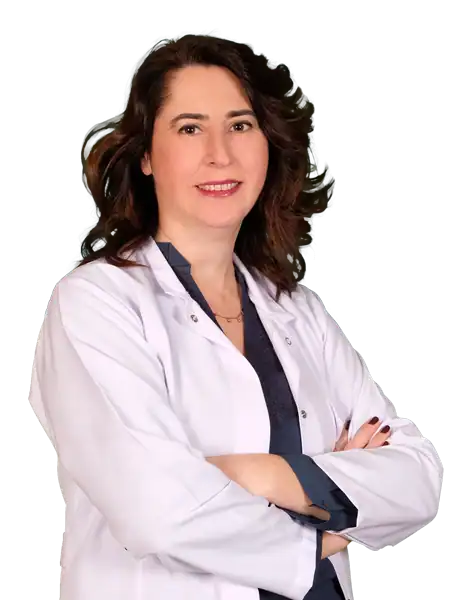
Prof. Dr. A. Sibel Erdamar Çetin
Gastrointestinal Oncology Unit Clinical Service
Prof. Dr. A. Taner Usta
Gynecology & Obstetrics
Prof. Dr. Abdullah Büyükçelik
Medical Oncology
Prof. Dr. Abdullah Zorluoğlu
General Surgery
Prof. Dr. Agop Çıtak
Pediatrics
Prof. Dr. Ahmet Akyol
Cardiology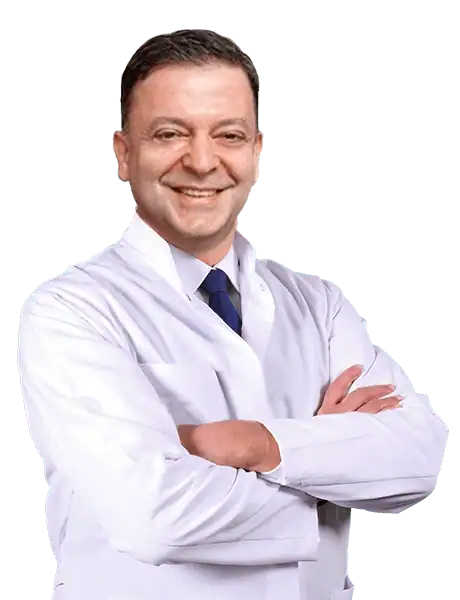
Prof. Dr. Ahmet Alanay
Orthopedic Surgery & Traumatology
Prof. Dr. Ahmet Alponat
General Surgery
Prof. Dr. Ahmet Cem Batukan
Gynecology & Obstetrics
Prof. Dr. Ahmet Karabulut
CardiologyAcıbadem Doctors are the specialist physicians and surgeons who care for patients across the Acıbadem hospital network — more than 3,300 specialists working in multidisciplinary teams, supported by accredited hospitals and modern technology. This page explains who these doctors are, how to find the right specialist for your condition, and how international patients can have their case reviewed by an experienced physician before they ever travel.
Who are Acıbadem Doctors?
Acıbadem Doctors are the physicians, surgeons and clinical specialists who diagnose and treat patients throughout the network. They span the full range of medical and surgical disciplines — from oncology, cardiology and neurosurgery to orthopaedics, transplantation, reproductive medicine, ophthalmology and many more — and many are recognised for particular expertise in complex or specialised conditions. For a patient searching for "Acıbadem Doctors" from abroad, the practical meaning is access to a large body of specialists who can be matched to a specific diagnosis, rather than being limited to whoever happens to be available locally.
What matters most about any doctor is not a title but a combination of qualifications, experience and the system around them. A specialist who treats a particular condition frequently, who works within a team that reviews difficult cases together, and who is supported by accredited facilities and reliable diagnostics is in the best position to deliver a good outcome. The strength of a large network is that it makes this combination available across many specialties at once.
How do I find the right Acıbadem doctor?
The right doctor is the specialist whose training and day-to-day practice match your specific condition. There are two practical ways to find them. The first is to browse by specialty or department and read individual profiles, which typically describe a doctor's area of focus, qualifications and the conditions they treat. The second, and often the most efficient for international patients, is to describe your situation to the international patient team and let them match your case to the most appropriate specialist within the network. Because they know which physicians treat your particular condition most often, this matching tends to be faster and more accurate than searching alone.
When you do this, it helps to share a short summary of your diagnosis or symptoms together with any existing reports, scans or test results. With that information, the team can identify the right specialist or, for a complex case, the right multidisciplinary team, and explain why that recommendation was made. You are always free to ask for more than one option or for an independent second opinion before deciding.
How are Acıbadem doctors qualified and chosen?
Patients quite reasonably want to know that the doctor treating them is properly qualified and experienced. Specialists complete extensive training in their field, hold the relevant qualifications and certifications, and many are active in teaching, research and academic medicine, which keeps their practice current with international developments. Beyond credentials, experience and case volume matter: a surgeon who performs a particular operation regularly, or a physician who manages a specific disease day in and day out, develops a depth of judgement that is difficult to match.
It is always appropriate to ask about a specialist's experience in your particular condition — how often they perform your procedure, and what the realistic outcomes and risks are. Good doctors welcome these questions. If you are arranging care from abroad, the international patient team can provide information about the proposed specialist's area of expertise and experience so that you can make an informed choice.
The multidisciplinary team: why your doctor is rarely working alone
Modern medicine, especially for serious conditions, is a team activity. For cancer, complex heart disease, transplantation and many other diagnoses, the standard of care is a multidisciplinary team in which several specialties plan treatment together. In a cancer tumour board, for example, surgeons, medical and radiation oncologists, radiologists, pathologists and specialist nurses review a case jointly so that the plan reflects the combined expertise of every relevant field rather than a single opinion.
For patients, this team-based approach is reassuring in a concrete way: your treatment is not dependent on one person's view, but is shaped and checked by a group of experts. It also means that if your case is unusual, it can be discussed by the people most likely to have seen something similar. When you choose a doctor within a network, you are also gaining access to the team and the system that stand behind them.
Can I consult an Acıbadem doctor before I travel?
Yes, and for most international patients this is the natural first step. You can share your medical history and any imaging or test results for a specialist to review remotely, and where appropriate consult by video before making any decision. This remote review allows the doctor to assess your situation, advise whether further tests are needed, outline the likely treatment options, and give you a clear sense of the plan, timeline and cost in advance. It means that by the time you travel, the path is already mapped out and your visit can be focused and efficient.
Remote consultation is also a low-risk way to begin. You can understand your options and ask questions without committing to travel, and only proceed when you feel confident. If you simply want an expert view on a diagnosis or a recommendation you have received elsewhere, a second opinion can be arranged in the same way.
How to prepare for your consultation
A well-prepared consultation makes the doctor's assessment more accurate and saves time. Before your appointment, gather the essentials: a summary of your main symptoms and when they began; your medical history, including previous illnesses, operations and ongoing conditions; a current list of your medications and any allergies; and copies of relevant test results, imaging and reports. If you have scans, the original images are usually more useful than printed pictures, and our team can advise on how to share them securely.
It also helps to write down your questions in advance so that nothing is forgotten, and to note what matters most to you about treatment, whether that is the speed of recovery, avoiding a particular side effect, or simply understanding your options fully. If language is a concern, interpreter support is available so that you can discuss everything clearly and give informed consent.
Languages and communication
Clear communication is part of good medical care, not an optional extra. International patients are supported by multilingual coordinators and interpreter services, so that consultations, explanations of your diagnosis, treatment options and consent can all take place in a language you understand. This matters at every stage: you should never feel that you have agreed to something you could not fully follow. Good doctors take the time to explain in plain terms, to check that you have understood, and to invite your questions.
Second opinions: deciding with confidence
Seeking a second opinion is a sensible, common step, especially before major treatment or surgery, and it is something good doctors actively support rather than resent. An independent specialist reviews your diagnosis and the proposed plan and gives their own assessment, which may confirm the original recommendation, suggest a different approach, or simply reassure you that you are on the right path. For international patients, a second opinion can be obtained remotely, before any travel, which makes it a practical way to make a confident, well-informed decision about your care.
How to choose between doctors
If you are presented with more than one suitable specialist, a few considerations help. Experience and case volume in your specific condition are strong indicators; so is whether the doctor works within a multidisciplinary team for complex cases. Consider, too, how clearly the doctor communicates, since you will need to understand and trust their advice. Practical factors such as timing and the structure of follow-up may also play a part. You do not have to weigh all of this alone — the international patient team can explain the strengths of each option, and a second opinion is always available if you would value another perspective before deciding.
Academic medicine, teaching and research
Many specialists in a large network are also involved in teaching and research, and this matters more to patients than it might first appear. Doctors who teach must keep their knowledge current and be able to explain their reasoning clearly; doctors involved in research are exposed to the latest evidence and techniques before they become widespread. An academic environment also tends to attract and retain experienced specialists and to encourage the kind of case discussion and peer review that improves decision-making. For a patient, being treated within such an environment means your care is more likely to reflect up-to-date practice and to benefit from collective expertise rather than the habits of a single clinician working in isolation.
This does not mean that every patient is part of a study or that care is experimental. It means the culture around your treatment values evidence, learning and scrutiny. If a newer approach is appropriate for your condition, you are more likely to be offered it where specialists stay close to developments in their field; equally, an experienced team knows when an established treatment remains the best choice.
Surgeons and physicians: who treats what
It helps to understand the broad division of roles. Physicians, such as cardiologists, oncologists, neurologists and gastroenterologists, diagnose and treat conditions largely with medication, procedures and ongoing management. Surgeons operate, and within surgery there are many sub-specialties, from cardiovascular and neurosurgery to orthopaedic, general and reconstructive surgery. For many conditions, the two work together: a cardiologist and a cardiac surgeon, for example, may jointly decide whether a heart problem is best managed with medication, a catheter-based procedure or surgery. Knowing this division helps you understand why your care may involve more than one type of specialist, and why the recommendation about whether to operate is often made by a team rather than a single surgeon. The goal is always to choose the approach that is safest and most effective for your particular situation.
What to expect during treatment with your doctor
Once a plan is agreed, your specialist leads your care while drawing on the wider team. You can expect clear information at each stage: what the treatment involves, what to expect during recovery, what symptoms are normal and which should prompt you to seek help. Good doctors check that you understand and invite your questions rather than rushing through explanations. During a hospital stay, your specialist works alongside nurses, anaesthetists, therapists and other staff, all coordinated so that your care is consistent. Your international patient coordinator remains your point of contact for anything practical, so that you can focus on your treatment and recovery rather than logistics.
Continuity between your specialist and your home doctor
For international patients, one of the most valuable things a doctor can provide is continuity. Before you return home, your specialist ensures you have a clear discharge summary, a medication and recovery plan, and your results and imaging in a portable format, so your local doctor can continue your care without gaps. Where follow-up is needed, the specialist can advise what to arrange locally and offer remote follow-up consultations to review your progress. This connection between your treating specialist and your home team is what turns a single episode of treatment into properly managed, ongoing care.
Trust and the doctor–patient relationship
Medicine is ultimately a relationship built on trust. A good doctor listens carefully, explains honestly — including being clear about uncertainty and risk — respects your values and involves you in decisions about your own care. You should feel able to ask questions, to seek a second opinion, and to understand the reasoning behind any recommendation. These are not signs of a difficult patient; they are the foundation of good care, and experienced specialists welcome them. If at any point you do not feel fully informed, it is always reasonable to ask for more explanation or for another perspective.
Specialist sub-fields: why focus matters
Within each broad specialty there are narrower areas of focus, and this depth of specialisation is often where the biggest differences in experience lie. A cardiologist may concentrate on rhythm disorders or on structural heart disease; an orthopaedic surgeon may focus on the knee, the spine or the hand; an oncologist may specialise in a particular type of cancer. For a complex or uncommon condition, being treated by someone whose focus matches your problem exactly can matter a great deal, because they have seen many cases like yours and understand the subtleties. When your case is matched within the network, this sub-specialisation is taken into account, so that you are directed not just to the right specialty but to the right specialist within it.
Questions worth asking a specialist
A short list of questions helps you get the most from any consultation and make a confident decision. It is reasonable to ask: how often do you treat my specific condition, and what outcomes do you typically see? What are my options, and what are the benefits and risks of each? Why are you recommending this particular approach? What does recovery involve, and how long will it take? What are the signs that something is wrong, and who do I contact? And, if you are unsure, is a second opinion available? Good specialists welcome these questions, because a well-informed patient is easier to care for and more satisfied with the result. There is no such thing as a question that is too basic when it concerns your own health.
Bringing your records and history
The more complete the information a specialist has, the better their advice. Before a consultation, gather your medical history, current medications and allergies, and copies of relevant reports and imaging — ideally the original scan files rather than printouts, which our team can help you share securely. If you have seen other doctors about the same problem, their letters and any previous treatment details are valuable. This preparation allows the specialist to give an accurate assessment without unnecessary repetition of tests, saving you time and helping the plan to be right from the start.
The value of experience and case volume
If there is a single factor that consistently influences outcomes, it is experience. Across medicine, teams that diagnose and treat a particular condition frequently tend to achieve better results, recognise complications sooner and manage them more effectively. This is why, when choosing a specialist from abroad, the most revealing question is often simply how often they treat your specific condition. A large network supports this depth of experience by concentrating specialised work, so that the specialists who treat uncommon or complex problems see enough cases to remain genuinely expert. Experience also brings judgement — knowing when to act and, just as importantly, when not to — which is difficult to quantify but invaluable in practice. When your case is matched within the network, this experience is one of the main things being matched, so that you are cared for by people who know your kind of problem well.
Frequently asked questions about Acıbadem Doctors
How do I find a doctor for my specific condition?
You can browse specialists by department, or describe your situation to the international patient team and share any reports so they can match your case to the most appropriate specialist within the network and explain the recommendation.
Can I speak to a doctor before travelling?
Yes. You can share your history and imaging for a remote review and, where appropriate, consult by video, so the plan, timeline and cost are clear before you decide to travel.
Are the doctors experienced in complex cases?
The network includes specialists across all major fields, and complex cases are typically reviewed by a multidisciplinary team. You can ask about a specialist's experience in your particular condition before proceeding.
Will the doctor speak my language?
International patients are supported by multilingual coordinators and interpreter services, so consultations, explanations and consent take place in a language you understand.
Can I get a second opinion?
Yes. An independent specialist can review your diagnosis and the proposed plan, remotely if you prefer, so you can make a confident, well-informed decision.
What should I prepare for a consultation?
Bring a summary of your symptoms and history, a list of medications and allergies, and copies of relevant test results and imaging. Writing down your questions in advance also helps.
How do I choose between two suitable doctors?
Consider experience and case volume in your specific condition, whether they work within a multidisciplinary team, and how clearly they communicate. The team can explain each option, and a second opinion is available.
This page is for general information and does not constitute medical advice, a diagnosis or a recommendation of any individual practitioner. The experience and availability of specialists vary; please confirm details for the specific doctor proposed for your care, and always consult a qualified clinician about your situation.