

Treating Backache

Key Takeaways
- Backache has many possible causes, ranging from muscle strain to spine-related conditions.
- Most episodes improve with conservative care such as movement, posture changes, and guided exercises.
- Persistent pain, numbness, weakness, or pain after an injury should be medically assessed.
- Treatment is usually personalized and may include medication, physical therapy, injections, or surgery in selected cases.
- Good recovery often depends on daily habits, gradual return to activity, and follow-up care.
- International patients can benefit from coordinated evaluation and rehabilitation planning before and after travel.
Backache is common, but it is not a single condition. Effective treatment starts with understanding what is driving the pain, then choosing care that fits the person’s symptoms, activity level, and overall health. This guide explains how backache is assessed, treated, and managed safely at home and with medical support.
Overview
Backache describes pain, stiffness, or aching anywhere along the spine, from the neck down to the lower back. It can appear suddenly after lifting, twisting, or long hours of sitting, or it may build gradually and linger for weeks. Because the back supports movement, posture, and balance, even mild pain can affect sleep, work, travel, and confidence in everyday activities.
Treating backache is less about one universal remedy and more about identifying the source of the pain. Some cases are linked to muscle or ligament strain, while others come from irritated joints, discs, nerves, or changes in the spine. A careful assessment helps determine whether simple self-care is enough or whether a more structured treatment plan is needed.
For people who travel for medical care, the goal is not only Knee Pain Relief: Causes and Treatment" class="ahp-ilk">pain relief but also a plan that is realistic after returning home. That may include a clear diagnosis, a short-term treatment strategy, and follow-up instructions that can be carried out safely across distances.
Symptoms
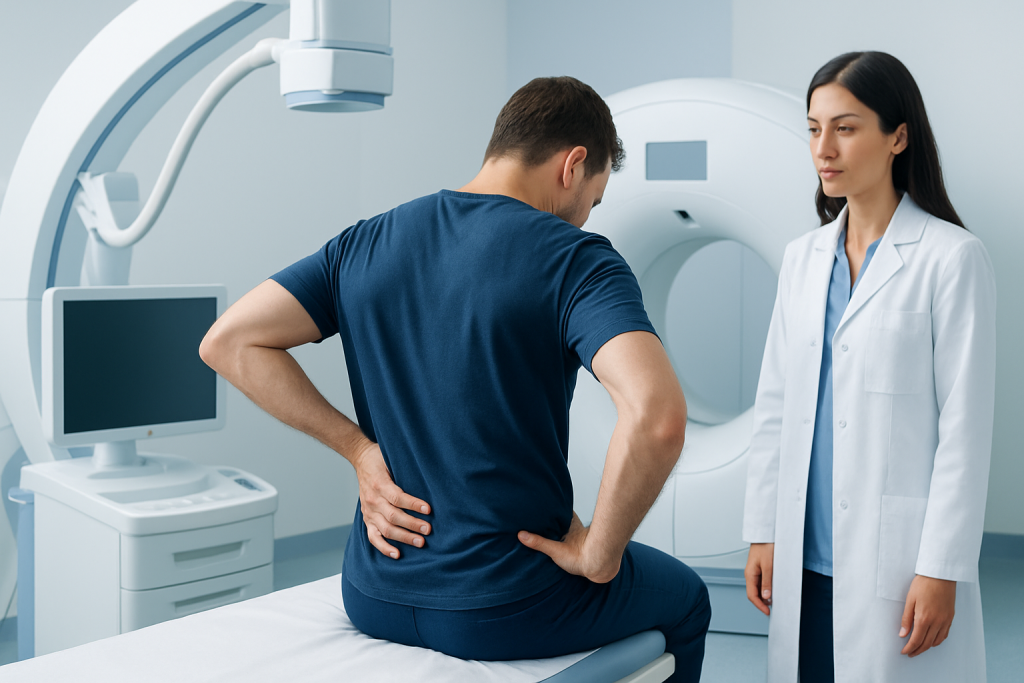
Backache can feel dull, sharp, tight, burning, or heavy. Some people notice it only during certain movements, such as standing up from a chair, bending, or turning in bed. Others feel pain that seems constant, with periods of improvement and flare-ups after activity or rest.
Symptoms often depend on where the problem is located. Lower back pain may be felt in the buttocks or thighs, while pain higher in the back can be related to muscle tension, posture, or spinal joints. When a nerve is involved, pain may spread into an arm or leg and be accompanied by tingling, numbness, or weakness.
Common features that can help a clinician narrow the cause include:
- Morning stiffness that improves with gentle movement
- Pain after lifting, twisting, or prolonged sitting
- Reduced flexibility or a feeling of the back “locking”
- Pain that worsens with coughing, sneezing, or certain positions
- Associated leg or arm symptoms when a nerve is irritated
Backache that is severe, persistent, or changing in pattern deserves attention, especially if it interferes with sleep or walking. A careful symptom history is often as important as imaging in understanding what is happening.
Causes & Risk Factors

Many episodes of backache are mechanical, meaning they are related to how the muscles, ligaments, joints, and discs of the spine work together. A strain from lifting, sudden rotation, or repetitive activity can trigger pain. Long periods of sitting, weak core muscles, poor lifting technique, and limited flexibility can all increase stress on the back.
Age can also play a role. As people get older, spinal discs and joints naturally change, and conditions such as degenerative disc disease, spinal stenosis, or arthritis may become more likely. In some cases, a herniated disc can press on a nerve and cause pain that travels beyond the back itself.
Other possible contributors include:
- Previous back injury or recurrent strain
- Obesity or sudden changes in body weight
- Smoking, which can affect spinal health and healing
- Poor ergonomics at work or during travel
- Stress, which may increase muscle tension and pain sensitivity
Less commonly, backache can be related to infection, inflammatory disease, fracture, or a problem outside the spine, such as kidney or abdominal conditions. This is why back pain that does not behave like a simple strain should be reviewed by a clinician.
Diagnosis
Diagnosis usually begins with a detailed conversation about when the pain started, what makes it better or worse, and whether it spreads to other areas. A doctor will also ask about recent injury, fever, weight loss, bladder or bowel changes, previous treatments, and the patient’s activity demands. This history often points toward the most likely cause before any test is ordered.
A physical examination typically checks posture, range of motion, muscle strength, reflexes, sensation, and walking pattern. These findings help distinguish between muscular pain, joint-related pain, and nerve-related symptoms. In many straightforward cases, no immediate imaging is needed because the pain improves with time and conservative care.
Tests may be considered when symptoms are persistent, severe, or associated with warning signs. Depending on the case, evaluation may include X-rays, MRI, CT, or blood tests. For international patients, organized diagnosis can be especially helpful because it reduces uncertainty and allows a treatment plan to be discussed clearly before the patient returns home.
Treatment Options
Most backache treatment plans begin with conservative care. Resting completely is usually not helpful for long; gentle movement, short walks, and gradual return to normal activity often support recovery better than prolonged bed rest. Heat or cold packs may ease discomfort, and a doctor may suggest over-the-counter or prescription medication when appropriate.
Physical therapy is a central part of treatment for many people. A therapist can teach stretching, strengthening, and posture exercises that improve spinal support and reduce the chance of repeat episodes. For some patients, manual therapy, supervised exercise, or core stabilization work may be included as part of a broader rehabilitation plan.
When pain is caused by nerve irritation, disc problems, or inflammation that does not settle with basic measures, additional treatments may be considered. These can include targeted injections, nerve-related procedures, or other specialist care, depending on the diagnosis. Surgery is reserved for selected cases, such as significant nerve compression, structural instability, or pain that does not improve despite well-directed non-surgical treatment.
A practical treatment plan often combines several elements:
- Pain control to make movement possible
- Exercise-based rehabilitation
- Ergonomic adjustments at work and home
- Education about safe lifting and pacing activities
- Follow-up to monitor progress and refine the plan
Prevention & Self-care
Back health is supported by habits that reduce strain before pain starts. Regular physical activity, especially walking, swimming, or guided core strengthening, can improve endurance and stability. It also helps to alternate sitting and standing, avoid sudden heavy lifting, and use good technique when picking up objects.
Small changes in daily routines can matter. A supportive chair, screen at eye level, and mindful posture during long journeys may reduce stress on the lower back. Sleep position and mattress comfort can also influence symptoms, although the best choice varies from person to person.
Self-care is usually most effective when it is consistent rather than intense. Helpful steps may include:
- Staying active within comfortable limits
- Using heat or cold as advised
- Practicing stretching and strengthening exercises
- Maintaining a healthy body weight when possible
- Managing stress and getting enough sleep
For patients who have received care abroad, following the rehabilitation plan exactly as explained is important. Written instructions, exercise handouts, and scheduled remote follow-up can make recovery smoother after the trip home.
When to See a Doctor
Medical assessment is recommended when backache lasts longer than expected, keeps returning, or limits daily function. It is also wise to seek care if pain follows a fall, car accident, sports injury, or other trauma, even if the symptoms seem manageable at first.
Prompt evaluation is especially important if back pain is accompanied by leg weakness, numbness in the groin area, loss of bladder or bowel control, fever, unexplained weight loss, or night pain that does not ease. These symptoms do not always mean something serious, but they should not be ignored.
People considering treatment in another country may benefit from a consultation that includes both diagnosis and a realistic recovery roadmap. At Acibadem Health Point, multidisciplinary specialists and JCI-accredited hospitals diagnose and treat backache for international patients, with attention to follow-up needs after travel.
Living With Backache During Recovery
Recovery is often faster when patients think in terms of function, not just pain scores. The aim is usually to move more comfortably, sit and sleep better, and return to routine tasks without repeated flare-ups. Progress may be gradual, and short setbacks do not always mean the treatment is failing.
It can help to track which activities trigger symptoms and which ones improve them. That information gives the care team practical clues and helps patients make better choices about workload, exercise, and rest. For international patients, this is also useful when coordinating care between the treating center and local doctors at home.
Backache is common, but it is also very manageable when the cause is understood and treatment is matched to the problem. A well-planned approach gives most people a strong chance of returning to normal activities with greater comfort and confidence.
Frequently asked questions
Is backache usually serious?
Most backache is not caused by a dangerous condition and often improves with conservative care. Still, persistent pain, severe symptoms, or pain after injury should be evaluated by a doctor to make sure the cause is understood.
Should a person rest in bed when back pain starts?
Short periods of rest may help if the pain is intense, but staying in bed for too long usually slows recovery. Gentle movement and a gradual return to normal activity are often recommended unless a doctor advises otherwise.
Can physical therapy help backache?
Yes, physical therapy is one of the most useful treatments for many types of back pain. It can improve flexibility, strength, posture, and movement patterns that reduce strain on the spine.
When is imaging like MRI needed?
Imaging is usually considered when symptoms are severe, persistent, or linked to nerve problems or injury. In many straightforward cases, a doctor may first rely on the history and physical examination because imaging is not always necessary right away.
What can people do at home to reduce back pain?
Staying active, using heat or cold, and avoiding awkward lifting can all help. A supportive chair, regular stretching, and attention to sleep position may also make daily pain easier to manage.
Can backache come back after it improves?
Yes, back pain can recur, especially if the original strain or contributing habits are not addressed. Learning safe movement patterns, strengthening the core, and keeping follow-up appointments can lower the chance of repeated episodes.
References
- World Health Organization
- Mayo Clinic
- National Institute of Neurological Disorders and Stroke
- American Academy of Orthopaedic Surgeons
- NHS
This article is for general information only and is not a substitute for professional medical advice. Please consult a qualified doctor about your individual situation.
More from the Health Library



Related Specialists

Prof. Dr. Ahmet Alanay
Orthopedic Surgery & Traumatology
Dr. Sinan Aksu
Orthopedic Surgery & Traumatology
Dr. Sirri Baştürk
Orthopedic Surgery & Traumatology
Prof. Dr. Korhan Özkan
Orthopedic Surgery & Traumatology