Trochanteric Bursitis

Key Takeaways
- Trochanteric bursitis usually causes pain over the outer hip, especially when walking, climbing stairs, or lying on the affected side.
- The problem often overlaps with greater trochanteric pain syndrome, which may involve tendons as well as the bursa.
- Diagnosis is mainly clinical, but imaging may be used when symptoms are persistent, unclear, or there is concern about another condition.
- Treatment usually starts with rest from aggravating activities, pain relief measures, and targeted exercises to improve hip strength and movement.
- Most people do not need surgery, and recovery is often guided by gradual return to normal activity and consistent self-care.
Trochanteric bursitis is a common cause of pain on the outside of the hip, often related to irritation around the greater trochanter rather than a single inflamed bursa alone. With the right diagnosis, most people improve through activity changes, physical therapy, and other conservative treatments.
Overview
Trochanteric bursitis refers to irritation and pain around the bursa that sits over the outer part of the hip, near the greater trochanter. In everyday language, it is often used to describe pain on the side of the hip, especially when the area becomes tender with pressure or movement.
Today, many clinicians use a broader term, greater trochanteric pain syndrome, because the discomfort may come from the bursa, nearby tendons, or both. For patients, the practical message is the same: the outer hip becomes painful, daily movement feels less comfortable, and lying on that side can be difficult.
This condition is common in adults and may appear after repetitive activity, changes in walking pattern, muscle weakness, or a period of increased exercise. It can also develop without a single clear trigger, which is why a careful examination is more useful than guessing from symptoms alone.
For international patients planning care away from home, trochanteric bursitis is usually well suited to an orthopedic evaluation, because diagnosis often depends on a focused physical exam and a treatment plan that can be started quickly, even before travel is complete.
Symptoms
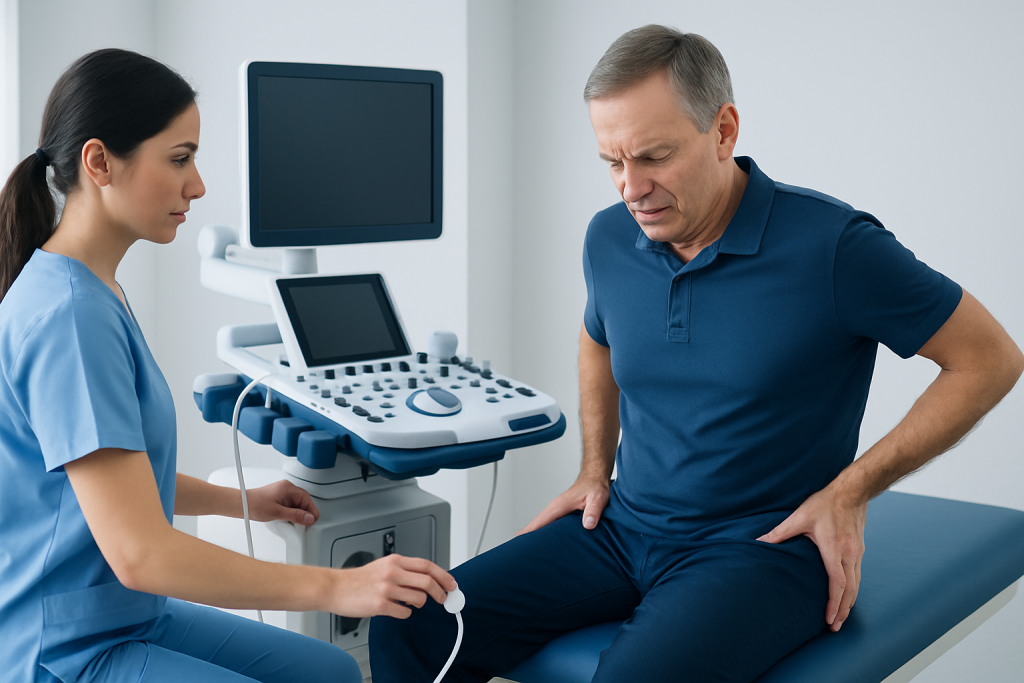
The most typical symptom is pain over the outside of the hip. It may feel sharp, aching, or burning, and it often becomes more noticeable with climbing stairs, getting up from a chair, standing for long periods, or walking uphill.
Many people notice that the pain is worse at night when lying on the affected side. The area may also feel tender to touch, and some patients describe discomfort that spreads down the outer thigh. Sitting for long periods, crossing the legs, or twisting the hip may also bring on symptoms.
Because the hip supports body weight and absorbs repeated stress, symptoms can interfere with sleep, exercise, and travel. A long flight or extended car ride may make the area feel stiffer, especially if movement has been limited for several hours.
- Pain on the outer side of the hip
- Tenderness when pressing over the bony hip area
- Pain when walking, climbing, or standing on one leg
- Discomfort when lying on the affected side
- Occasional radiation of pain down the outer thigh
Trochanteric bursitis does not usually cause severe weakness, fever, or major swelling. If those features are present, another condition may be involved and medical assessment is important.
Causes & Risk Factors
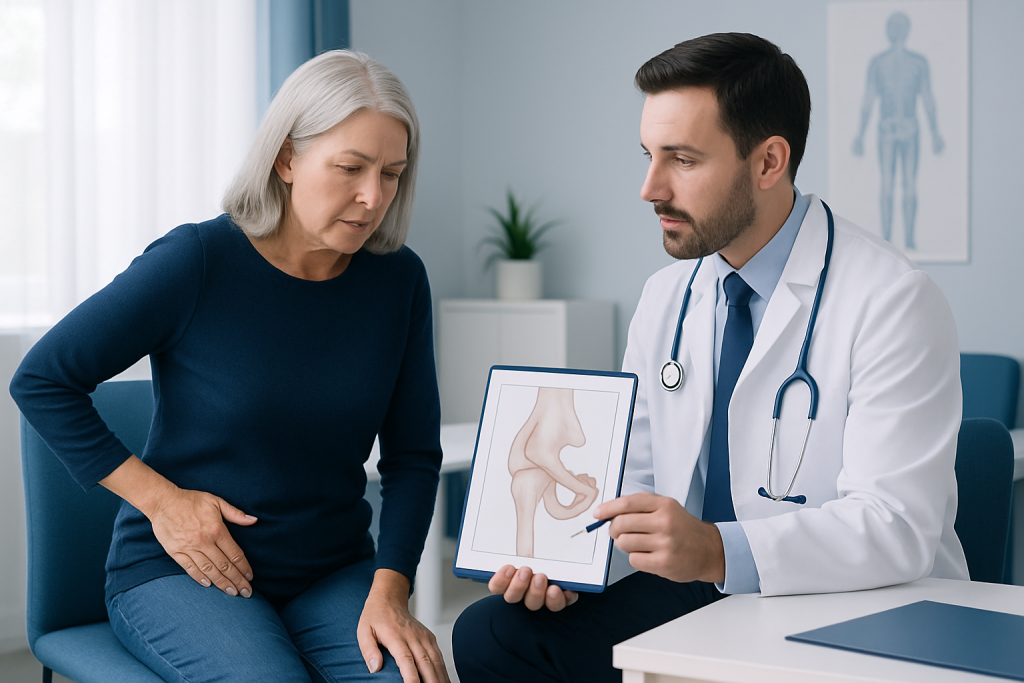
The bursa is a small fluid-filled sac that helps reduce friction between tissues. When it becomes irritated, the surrounding tissues can become painful and sensitive. In many cases, the bursa is not the only structure involved; nearby tendons and muscles may also be strained or inflamed.
Common triggers include repetitive motions, sudden increases in activity, prolonged walking, running, stair climbing, or altered biomechanics. Hip weakness, leg-length differences, posture changes, or a limp from another problem can all place extra stress on the outside of the hip.
Several factors may make trochanteric bursitis more likely:
- Age-related changes in tendons and soft tissues
- Repetitive overuse from sport or work
- Previous hip, knee, or back problems
- Muscle weakness, particularly in the hip abductors
- Arthritis or spinal conditions that change gait
- Sudden increases in exercise or long periods of standing
Risk is not determined by one single cause. Often, the condition develops when several smaller stresses accumulate over time. Understanding those stresses helps the treatment plan focus on what needs to change, rather than only treating pain after it appears.
Diagnosis
Diagnosis usually begins with a detailed history and physical examination. A doctor will ask where the pain is located, what activities make it worse, and whether lying on the side or climbing stairs affects symptoms. The examiner may gently press over the outer hip and assess how the hip moves and bears weight.
Because several hip and spine conditions can produce similar pain, the clinician may also look for signs of tendinitis, osteoarthritis, low back problems, or nerve-related pain. The goal is to identify the main pain source so treatment is directed appropriately.
Imaging is not always necessary. However, X-rays, ultrasound, or MRI may be useful if symptoms are persistent, the diagnosis is uncertain, or another condition needs to be ruled out. Imaging can also help when symptoms do not improve as expected or when planning further treatment.
For patients traveling for medical care, this evaluation is often efficient: a consultation can combine examination and imaging, allowing the specialist to build a treatment plan that fits both the diagnosis and the patient’s return schedule.
Treatment Options
Treatment usually starts with conservative care. The first aim is to calm irritation and reduce pressure on the painful side of the hip. That may mean temporarily reducing activities such as running, long walks, repeated stairs, or side-lying on the affected hip.
Physical therapy is often a central part of recovery. Exercises commonly focus on improving hip strength, flexibility, pelvic control, and walking mechanics. When the muscles around the hip work more efficiently, the bursa and surrounding tissues are less likely to be overloaded.
Doctors may also recommend ice, heat, or anti-inflammatory medicine when appropriate. Some patients benefit from guided injections into the painful area, especially when pain is limiting daily life and simpler measures have not been enough. The choice depends on the overall picture, other medical conditions, and the doctor’s assessment.
For persistent cases, additional treatments may be considered, including shock wave therapy or, less commonly, surgery. Surgery is usually reserved for people who continue to have symptoms despite a thorough, non-surgical treatment program and confirmed diagnosis.
Typical treatment approaches may include:
- Activity modification and rest from aggravating movements
- Targeted physical therapy and home exercises
- Pain-relief measures recommended by a doctor
- Image-guided corticosteroid injection in selected cases
- Treatment of contributing issues such as gait problems or back pain
Prevention & Self-care
Even after symptoms start to improve, habits at home matter. The outer hip often responds best to gradual change rather than sudden return to the same routine that caused irritation. A measured approach helps the tissues settle and reduces the chance of repeated flare-ups.
Practical self-care includes avoiding long periods of pressure on the painful hip, choosing supportive footwear, and spreading out demanding activities. If sleeping on the side is uncomfortable, a pillow between the knees or sleeping on the opposite side may reduce strain.
Staying active is still important, but activity should be adjusted rather than stopped completely. Shorter walks, low-impact exercise, and the home program recommended by the therapist can help preserve strength while symptoms are healing. Patients who are traveling should also plan for movement breaks during long journeys, since staying in one position too long may aggravate the hip.
- Warm up before exercise and increase activity gradually
- Use the therapy exercises consistently, not only when pain flares
- Avoid sitting with legs crossed for long periods
- Take standing or walking breaks during travel
- Follow ergonomic advice if work involves repeated stairs or bending
Simple changes are often more effective than dramatic ones. The aim is to reduce repeated irritation while building the strength and movement that protect the hip over time.
When to See a Doctor
Medical evaluation is appropriate when outer hip pain lasts more than a short period, keeps returning, or interferes with sleep, work, exercise, or daily mobility. A doctor should also be consulted if pain is gradually getting worse or if self-care is not bringing meaningful relief.
It is especially important to seek assessment if the pain follows a fall or injury, if the person cannot bear weight comfortably, or if there is numbness, marked swelling, redness, or fever. These features are not typical of uncomplicated trochanteric bursitis and deserve prompt attention.
Because hip pain can come from several sources, a review by an orthopedic specialist or musculoskeletal clinician can clarify whether the problem is the bursa, a tendon, the joint itself, or the lower back. That distinction often changes treatment and helps patients recover more efficiently.
Acibadem Health Point’s multidisciplinary specialists and JCI-accredited hospitals can evaluate and treat trochanteric bursitis for international patients who need coordinated orthopedic care abroad.
Living With Recovery and Follow-Up
Recovery is usually a step-by-step process. Pain may improve before strength and endurance fully return, so follow-up is important even when symptoms are already easing. Patients often do best when they continue exercises, monitor what triggers flare-ups, and adjust activity in response to the hip’s signals.
If treatment takes place while traveling, it helps to leave with a clear plan for home exercises, medication guidance if needed, and instructions on when to check back with the doctor. That continuity matters because trochanteric bursitis often improves most reliably when short-term treatment is paired with longer-term movement habits.
With consistent care, many people regain comfortable walking, better sleep, and a return to their usual routines. The pace varies, but the overall outlook is generally good when the cause is recognized early and the hip is not repeatedly overworked during healing.
Frequently asked questions
Is trochanteric bursitis the same as hip arthritis?
No. Trochanteric bursitis affects the outer soft tissues around the hip, while arthritis involves the joint itself. Both can cause hip pain, so a doctor’s examination helps tell them apart.
Why does it hurt more at night?
Lying on the affected side increases pressure on the painful area, which can make symptoms more noticeable. A pillow position that reduces direct pressure may help some people sleep more comfortably.
Do I need imaging for diagnosis?
Not always. Many cases are diagnosed from the history and physical examination, but imaging may be used if symptoms are unclear, persistent, or suggest another problem.
Can exercise make it worse?
Certain movements can aggravate symptoms, especially if they repeatedly overload the outer hip. The right exercise plan usually focuses on gradual strengthening and better movement patterns rather than complete rest.
How long does recovery take?
Recovery varies depending on the cause, how long symptoms have been present, and how consistently treatment is followed. Many people improve with conservative care, but ongoing irritation can slow healing.
When is an injection considered?
An injection may be considered when pain remains significant despite rest, exercise therapy, and other basic measures. A doctor decides whether it is appropriate based on the individual situation.
References
- Mayo Clinic
- Cleveland Clinic
- American Academy of Orthopaedic Surgeons
- National Institute of Arthritis and Musculoskeletal and Skin Diseases
- NHS
This article is for general information only and is not a substitute for professional medical advice. Please consult a qualified doctor about your individual situation.