

Treating A Meniscus Injury

Key Takeaways
- Meniscus injuries can be treated without surgery when the tear is stable and symptoms are mild.
- Persistent locking, swelling, or pain with twisting often deserves orthopedic evaluation.
- Rehabilitation is a central part of recovery, whether treatment is conservative or surgical.
- Treatment decisions are based on the tear pattern, age, activity needs, and cartilage health.
- A gradual return to walking, sport, and daily tasks lowers the chance of re-injury.
A meniscus injury is a common source of knee pain, swelling, and catching or locking during movement. Treatment depends on the tear type, symptoms, activity level, and overall knee health, ranging from guided rehabilitation to surgical repair in selected cases.
Overview
The meniscus is a crescent-shaped piece of cartilage in the knee that helps distribute weight, absorb shock, and guide smooth movement. Each knee has two menisci, and an injury can happen suddenly during a twist or gradually as the tissue wears and becomes less resilient.
Not every meniscus injury requires surgery. Some tears are small, stable, and improve with protected activity, pain control, and structured physiotherapy. Others cause mechanical symptoms such as locking, repeated catching, or ongoing swelling and may need an orthopedic specialist to consider repair or removal of the damaged fragment.
For people traveling for care, the practical question is often not only “What is the tear?” but also “What treatment will let me safely return home and recover well?” That answer usually depends on MRI findings, knee stability, the person’s age and activity level, and whether the injury is isolated or combined with ligament damage.
Symptoms
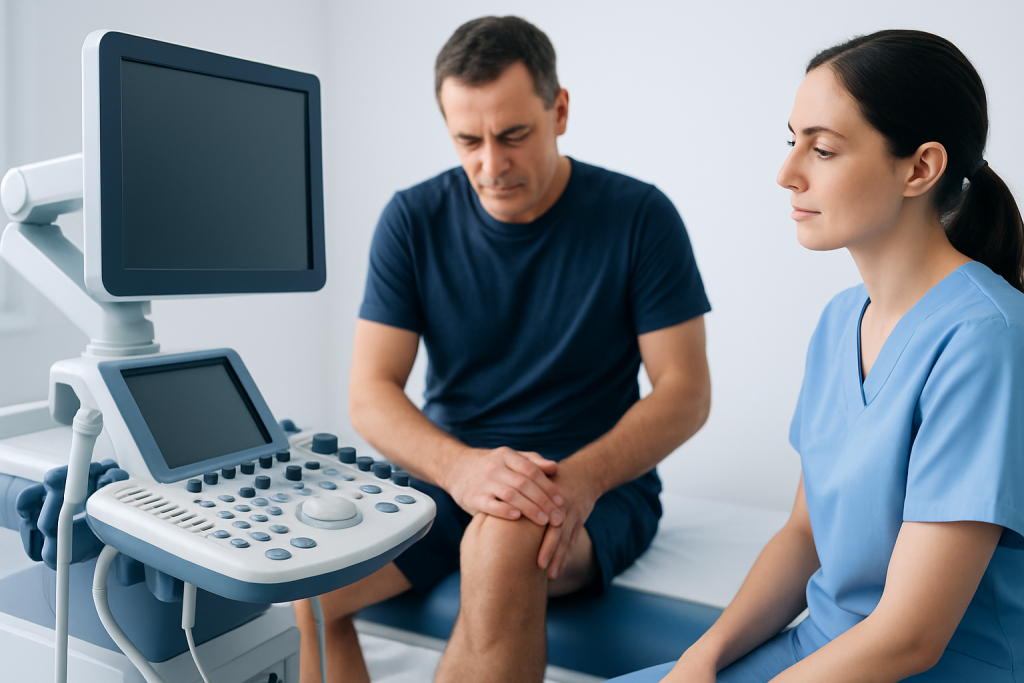
Meniscus injuries can feel different from one person to another. Some begin with a clear twisting event during sport, while others are noticed after a simple movement such as rising from a chair or turning in bed. Pain is often felt along the inner or outer side of the knee, especially with squatting, stairs, or pivoting.
Common symptoms include swelling that develops over hours or days, stiffness, a sense that the knee is not moving smoothly, and pain when fully bending or straightening the leg. Some people hear or feel a pop at the time of injury, though this is not specific to a ACL Tear or Meniscus Tear: How Orthopedic Surgeons Tell Which One Matters More" class="ahp-ilk">meniscus tear.
- Joint-line pain, especially with twisting
- Swelling or a feeling of fullness in the knee
- Catching, clicking, or locking
- Difficulty squatting or kneeling
- Feeling that the knee may give way
True locking, where the knee cannot fully straighten, suggests that the tear may be interfering with joint movement and should be assessed promptly.
Causes & Risk Factors
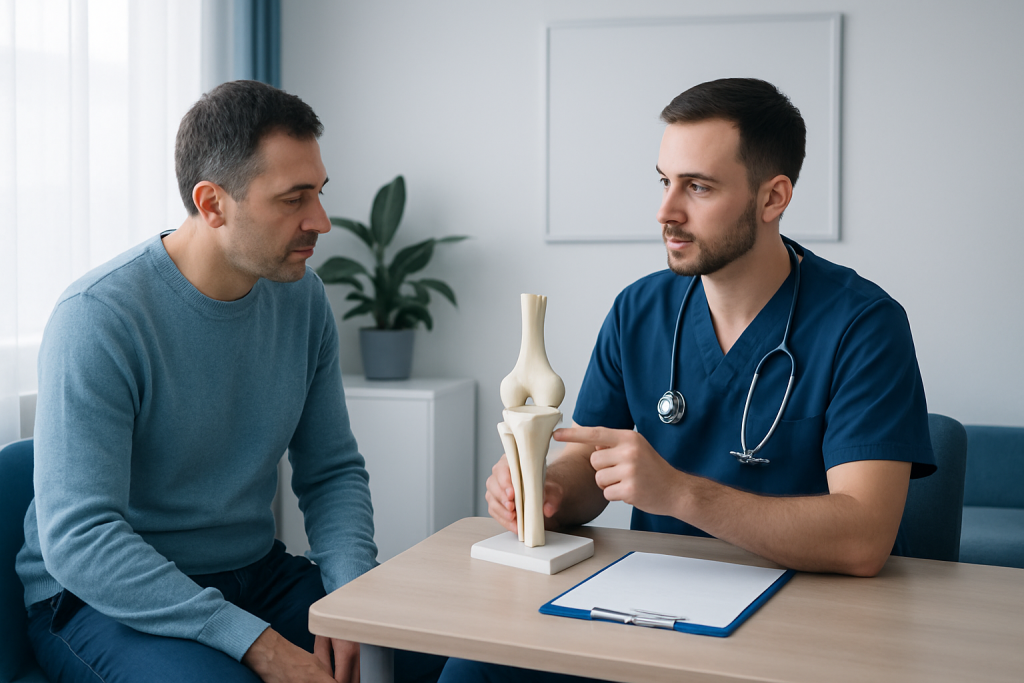
In younger and active people, meniscus injuries often result from a forceful twist while the foot is planted. Sports that involve sudden direction changes, jumping, or deep squatting can place the meniscus under stress. A direct blow to the knee may also contribute, especially when other structures are injured at the same time.
In older adults, the meniscus may tear with less dramatic force because the tissue can become more vulnerable over time. These degenerative tears may appear during routine movements and are sometimes linked with osteoarthritis or general wear in the knee joint.
Factors that can increase the chance of a meniscus injury include:
- Pivoting sports or heavy kneeling work
- Previous knee injury, especially ligament injury
- Age-related wear in the cartilage
- Osteoarthritis or malalignment of the knee
- Reduced muscle strength around the hip and thigh
Understanding the cause matters because a repairable tear in an otherwise healthy knee is approached differently from a degenerative tear in a knee with broader joint changes.
Diagnosis
Diagnosis starts with a careful history and physical examination. A clinician will ask how the injury happened, which movements worsen symptoms, whether the knee locks or gives way, and how quickly swelling developed. Specific examination maneuvers can suggest a meniscus tear, but they do not replace imaging when the picture is unclear.
MRI is often the most helpful test because it shows the meniscus, surrounding ligaments, cartilage, and bone changes. X-rays may also be used to look for arthritis, alignment issues, or an associated fracture, especially if pain is significant or the injury followed a fall or collision.
In some cases, the examination and MRI together are enough to guide treatment. For international patients, clinicians often try to organize evaluation efficiently so that decisions about travel, rehabilitation plans, and whether surgery is likely can be made before returning home.
Treatment Options
Meniscus injury treatment is individualized. The first branch in the decision is whether the tear is likely to heal or settle with conservative care, or whether it is causing mechanical problems and is better treated with an operation. Stable tears, small peripheral tears, and degenerative tears without major locking are often treated non-operatively at first.
Conservative treatment commonly includes activity modification, temporary reduction of impact loading, ice, elevation, short-term anti-inflammatory measures if appropriate, and physiotherapy to restore motion and strength. The aim is not only pain relief but also better control of the muscles that protect the knee during walking, stairs, and turning.
When surgery is considered, the two main approaches are meniscus repair and partial meniscectomy. Repair preserves tissue and is preferred when the tear pattern and blood supply make healing possible, particularly in younger patients or tears near the outer edge. Partial meniscectomy trims only the unstable damaged portion and may be used when repair is not practical. Surgeons generally aim to preserve as much meniscus as possible because this cartilage helps long-term knee health.
Rehabilitation is part of both paths. After non-surgical treatment, exercises usually progress from gentle range-of-motion work to strengthening and balance. After surgery, the program may include temporary weight-bearing limits, brace use in selected cases, and a staged return to daily activities and sport. Recovery timelines vary widely, and the right pace is the one that protects healing while restoring function steadily.
For patients coming from abroad, this plan should be realistic before travel ends: what exercises are safe on the flight home, when to begin physical therapy locally, how to monitor swelling, and which follow-up signs should prompt a review. Clear instructions help the recovery continue smoothly across borders.
Prevention & Self-care
Not every meniscus injury can be prevented, especially when sport or unexpected twisting is involved. Even so, knee-friendly habits can lower strain and support the joint before and after treatment. Strong quadriceps, hamstrings, gluteal muscles, and calf muscles help absorb force and control movement.
Warm-up routines, gradual training progressions, and attention to footwear and playing surfaces can reduce stress on the knee during exercise. People who kneel often may benefit from technique adjustments, rest breaks, or protective padding. Weight management can also ease load on the knee joint, particularly when arthritis is present.
After an injury, self-care focuses on avoiding repeated twisting, following the prescribed rehabilitation plan, and not returning to sport or heavy work too quickly. Swelling that repeatedly returns after activity is a signal to slow down and discuss the next step with a clinician or physiotherapist.
- Use guided exercises rather than pushing through pain
- Build strength before resuming running or pivoting sports
- Respect temporary limits on kneeling, squatting, or jumping
- Keep follow-up appointments, especially after surgery
When To See a Doctor
A doctor should evaluate a suspected meniscus injury when knee pain persists beyond a few days, swelling is recurring, or the knee feels unstable. An orthopedic review is especially helpful if the injury happened during sport, if walking is difficult, or if the person has already tried rest without improvement.
Prompt assessment is recommended when the knee locks, cannot fully straighten, becomes markedly swollen, or the person cannot bear weight comfortably. These findings do not always mean a serious emergency, but they do suggest that the joint needs a closer look.
People recovering from treatment should also seek review if pain is steadily increasing, the incision area becomes red or warm after surgery, fever appears, or rehabilitation seems to be moving backward rather than forward. For international patients, a coordinated follow-up plan can make it easier to know which symptoms require local medical attention and which can wait for the next scheduled review.
Acibadem Health Point offers multidisciplinary specialist evaluation and treatment for meniscus injuries through JCI-accredited hospitals for international patients, with care plans designed to support diagnosis, treatment, and follow-up across the recovery journey.
Recovery and Return to Activity
Recovery is usually gradual, not linear. Some days the knee feels almost normal, and other days it becomes sore or swollen after more activity than it is ready for. This pattern is common, and it is one reason why rehabilitation is paced around function rather than calendar dates alone.
Return to work, exercise, or sport depends on pain, swelling, range of motion, strength, and confidence in the knee. Walking and light daily tasks often resume first, followed by more demanding activities such as climbing stairs, jogging, or cutting movements. A clinician or physiotherapist may use stepwise tests to decide when the knee is ready for the next level.
Good recovery also includes practical planning. Patients who travel for treatment should know how to continue exercises at home, when to seek local physiotherapy, and when a remote or in-person follow-up is needed. A well-organized handoff can be as important as the procedure itself.
Frequently asked questions
Can a meniscus tear heal without surgery?
Some meniscus tears can improve without surgery, especially if they are small, stable, and not causing the knee to lock. Conservative treatment often includes activity modification, physiotherapy, and symptom control. A doctor will consider the tear pattern and the person’s daily needs before recommending the next step.
How is meniscus surgery decided?
Surgery is usually considered when symptoms persist despite non-surgical care, or when the knee locks, catches, or feels mechanically blocked. MRI findings, age, activity level, and the condition of the surrounding cartilage all matter. The goal is to preserve as much healthy meniscus as possible.
What is the difference between meniscus repair and meniscectomy?
Meniscus repair stitches the torn tissue so it can heal, while partial meniscectomy removes only the unstable damaged portion. Repair is preferred when the tear has a good chance of healing, but it is not suitable for every tear. The best option depends on the location and pattern of the injury.
How long does recovery take?
Recovery time varies based on whether treatment is non-surgical, repair, or partial meniscectomy. Some people return to daily activity relatively quickly, while others need a longer rehabilitation period before sport or heavy work. Progress is usually guided by symptoms, strength, and mobility rather than a fixed timeline.
Should ice or heat be used after a meniscus injury?
Ice is often used early to help calm swelling and discomfort, especially after activity. Heat may feel helpful later for stiffness, but it is not a substitute for proper assessment or rehabilitation. A clinician or physiotherapist can suggest the most appropriate approach for the individual situation.
When is a meniscus injury urgent?
Urgent assessment is wise if the knee is locked, the person cannot bear weight, swelling is severe, or the pain follows a major injury. These signs do not always indicate a dangerous problem, but they do mean the knee should be checked promptly. Rapid review can help protect the joint and guide treatment more effectively.
References
- American Academy of Orthopaedic Surgeons
- Mayo Clinic
- National Institute of Arthritis and Musculoskeletal and Skin Diseases
- NHS
This article is for general information only and is not a substitute for professional medical advice. Please consult a qualified doctor about your individual situation.
More from the Health Library



Related Specialists

Prof. Dr. Ahmet Alanay
Orthopedic Surgery & Traumatology
Dr. Sinan Aksu
Orthopedic Surgery & Traumatology
Dr. Sirri Baştürk
Orthopedic Surgery & Traumatology
Prof. Dr. Korhan Özkan
Orthopedic Surgery & Traumatology