

Cartilage

Key Takeaways
- Cartilage acts as a protective, low-friction surface in joints and other parts of the body.
- Damage can develop after injury, repetitive stress, aging, or joint conditions such as arthritis.
- Symptoms often include pain with movement, stiffness, swelling, locking, or reduced range of motion.
- Diagnosis may involve a physical exam, imaging, and sometimes arthroscopy or other specialist assessment.
- Treatment ranges from activity changes and physiotherapy to injections or surgical cartilage procedures, depending on the problem.
- Early attention can help preserve joint function and support a more active recovery.
Cartilage is the smooth, cushioning tissue that helps joints move with less friction and protects the ends of bones. When it is injured or worn down, people may notice pain, stiffness, swelling, or a catching feeling in the joint.
Overview
Cartilage is a firm, flexible connective tissue found in many parts of the body, including the joints, ribs, ears, nose, and airway. In orthopedics, the most important role of cartilage is in the joints, where it covers the ends of bones and helps them glide smoothly against each other.
That smooth surface matters every day, even during ordinary activities such as walking, climbing stairs, or reaching overhead. Healthy cartilage absorbs shock and reduces friction, which helps the joint move comfortably and efficiently.
Unlike many other tissues, cartilage has a limited blood supply, so it heals more slowly and less predictably after injury. This is one reason cartilage problems can be persistent and why early evaluation is often helpful when joint symptoms do not settle.
Symptoms
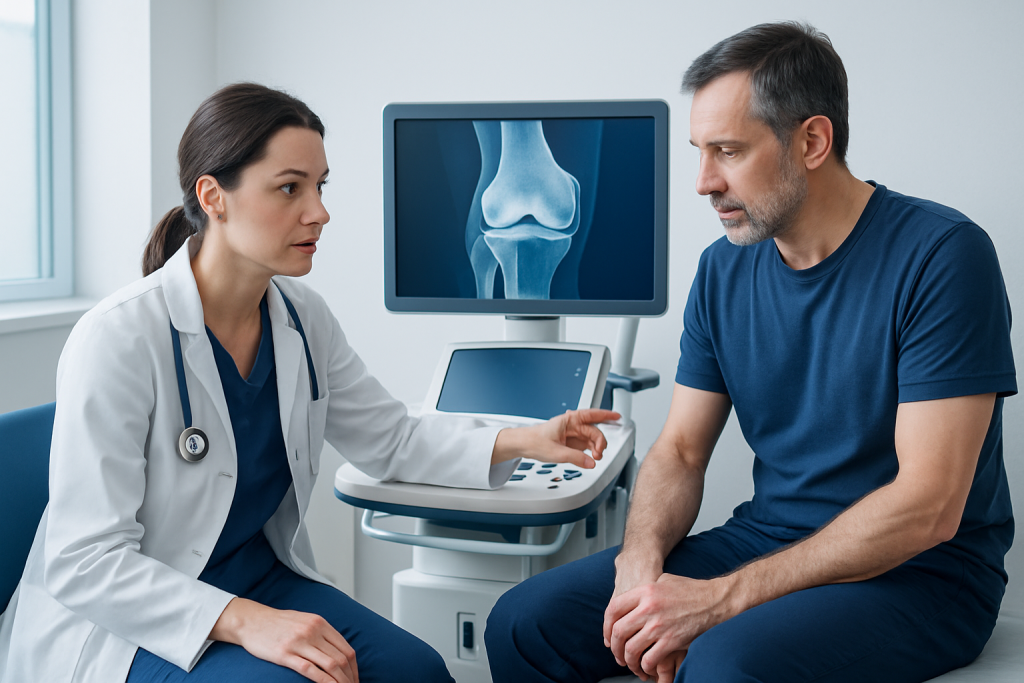
Cartilage damage does not always announce itself in a dramatic way. Some people notice a gradual change in how a joint feels, while others first become aware of discomfort after a twist, fall, Knee Pain Relief: Causes and Treatment" class="ahp-ilk">Pain Relief" class="ahp-ilk">sports injury, or long period of overuse.
Common symptoms can include pain during movement, stiffness after rest, swelling around the joint, or a sensation that the joint is catching, locking, or giving way. A person may also feel less confident using the joint for stairs, squatting, kneeling, running, or gripping.
- Joint pain that worsens with activity
- Stiffness, especially after sitting or waking up
- Swelling or a sense of fullness in the joint
- Clicking, catching, or locking
- Reduced range of motion or strength
Symptom patterns depend on the joint involved and the extent of the cartilage problem. Some cartilage injuries are small but bothersome, while broader wear can affect day-to-day function more noticeably.
Causes & Risk Factors

Cartilage can be injured suddenly, such as during a sports twist or direct impact, or it can wear down gradually over time. In weight-bearing joints like the knee, hip, and ankle, repeated stress and small mechanical imbalances may slowly increase the strain on the cartilage surface.
Ageing is another important factor, because cartilage naturally becomes less resilient over the years. Joint conditions such as osteoarthritis, previous fractures, instability, and alignment problems can also place extra load on cartilage and speed up damage.
Risk is often higher when a person has a history of joint injury, participates in repetitive high-impact activity, or has a family tendency toward certain joint problems. Excess body weight may add stress to weight-bearing joints, and poor muscle support around the joint can make movement less efficient.
For international patients planning care, it can help to bring previous imaging, surgery records, and a clear timeline of symptoms. Those details allow the specialist team to understand whether the problem is a fresh injury, a chronic wear pattern, or part of a larger joint condition.
Diagnosis
Diagnosis usually begins with a detailed conversation about the symptoms, when they started, what makes them better or worse, and whether a specific injury occurred. A physical examination then helps the clinician check swelling, movement, tenderness, stability, and signs that the joint surface may be affected.
Imaging is commonly used to look more closely at the joint. X-rays can show bone alignment and signs of wear, while MRI is often helpful for evaluating cartilage, ligaments, meniscus, and other soft tissues. In some cases, a specialist may recommend arthroscopy, a minimally invasive procedure that allows direct viewing of the joint.
Diagnosis is not only about naming the tissue involved; it is also about understanding how much the cartilage problem is affecting function. That distinction guides whether the best next step is observation, rehabilitation, an injection-based approach, or a surgical procedure.
Treatment Options
Cartilage treatment is individualized. Small or early problems may be managed with activity modification, physiotherapy, and pain-relief strategies that reduce joint stress while the tissue settles. Strengthening the muscles around the joint can improve support and movement control, which often matters as much as the cartilage itself.
When symptoms persist or the damage is more significant, a clinician may discuss additional options such as injections, cartilage repair procedures, or surgery to address underlying joint mechanics. The most suitable approach depends on the size and location of the defect, the patient’s age and activity level, and whether there are other joint injuries present.
Possible options may include:
- Physiotherapy and supervised exercise
- Temporary activity changes or bracing
- Anti-inflammatory or pain-relief measures recommended by a doctor
- Injections in selected cases
- Arthroscopic cleaning, repair, or cartilage restoration procedures
- Corrective surgery when alignment or instability is contributing to wear
Recovery time can vary widely. Some procedures require a structured rehabilitation plan over weeks or months, and follow-up is important to monitor progress, adjust exercises, and protect the joint as healing continues.
Prevention & Self-care
Cartilage cannot be made indestructible, but everyday habits can lower strain on the joints. Balanced movement is usually better than either complete rest or repeated overload, especially for people who exercise regularly or whose work involves physical demands.
Helpful self-care steps often include maintaining a healthy body weight, warming up before activity, using proper technique in sports and lifting, and building strength in the muscles that support the joint. Low-impact exercise such as cycling, swimming, or walking on suitable surfaces may be easier on the joints than repeated jumping or twisting.
It also helps to treat small problems early. Persistent swelling, a new limp, or a joint that no longer feels reliable should not be ignored simply because the symptoms seem mild at first. For people recovering from Herniated Disc Treatment Abroad: Injection, Rehab, or Surgery?" class="ahp-ilk">treatment abroad, following the rehabilitation plan at home and attending arranged check-ups are key parts of protecting cartilage and the surrounding joint structures.
When to See a Doctor
A doctor or orthopedic specialist should evaluate joint pain that lasts more than a short period, keeps returning, or limits normal activity. This is especially important after an injury, when there is swelling that does not improve, or when the joint feels unstable, locked, or unable to bear weight comfortably.
Prompt assessment is also sensible if symptoms are changing faster than expected. Increasing stiffness, recurrent catching, or pain that interferes with sleep, work, or exercise can signal that the joint needs a closer look.
International patients often seek care when local treatment has not answered the question clearly or when a more specialized repair option is being considered. In that setting, Acibadem Health Point’s multidisciplinary specialists and JCI-accredited hospitals can help diagnose and treat cartilage-related problems for international patients, with attention to both the procedure itself and the recovery plan that follows.
Living With Cartilage Problems
Many cartilage conditions are managed over time rather than solved in a single visit, so practical planning matters. A patient may need to coordinate imaging, specialist review, physical therapy, and follow-up appointments across different locations, especially if treatment begins while traveling.
Keeping copies of test results, documenting pain patterns, and noting what activities aggravate the joint can make later appointments more productive. These details help the care team judge whether the joint is improving, plateauing, or needing a different approach.
With the right diagnosis and a realistic rehabilitation plan, many people can return to everyday movement with better confidence and less discomfort. The goal is not only to calm symptoms, but also to protect joint function for the long term.
Frequently asked questions
What is cartilage in simple terms?
Cartilage is a smooth, flexible tissue that covers the ends of bones in many joints. It helps the joint move easily and acts like a cushion to reduce friction and impact.
Can damaged cartilage heal on its own?
Cartilage has a limited blood supply, so it does not heal as quickly or as completely as some other tissues. Small problems may improve with rest, rehabilitation, and load management, but more significant damage often needs specialist assessment.
Does cartilage damage always mean surgery?
No. Many people improve with physiotherapy, activity changes, and other non-surgical treatments. Surgery is considered when symptoms continue, the defect is significant, or the joint mechanics need correction.
Which joints are most often affected?
Cartilage problems are common in the knee, hip, ankle, shoulder, and sometimes the elbow. Weight-bearing joints often show wear first because they handle repeated stress over time.
How is cartilage damage different from arthritis?
Cartilage damage refers to injury or wear in the cartilage itself, while arthritis is a broader term for joint inflammation or degeneration. Cartilage loss is often one part of osteoarthritis, but not every cartilage problem means arthritis is already present.
What should a person bring to an orthopedic appointment?
It helps to bring previous imaging reports, medication lists, surgery notes, and a short summary of when the symptoms began. Wearing comfortable clothing that allows the joint to be examined can also make the visit easier.
References
- American Academy of Orthopaedic Surgeons
- Mayo Clinic
- National Institute of Arthritis and Musculoskeletal and Skin Diseases
- Arthroscopy Association of North America
- World Health Organization
This article is for general information only and is not a substitute for professional medical advice. Please consult a qualified doctor about your individual situation.
More from the Health Library



Related Specialists

Prof. Dr. Ahmet Alanay
Orthopedic Surgery & Traumatology
Dr. Sinan Aksu
Orthopedic Surgery & Traumatology
Dr. Sirri Baştürk
Orthopedic Surgery & Traumatology
Prof. Dr. Korhan Özkan
Orthopedic Surgery & Traumatology