

Synovitis

Key Takeaways
- Synovitis affects the joint lining and can make a joint feel swollen, warm, and painful.
- It may be caused by injury, arthritis, infection, overuse, or an underlying inflammatory condition.
- Diagnosis usually combines a physical exam with imaging, blood tests, or joint fluid analysis when needed.
- Treatment focuses on the cause and may include rest, medicines, physical therapy, or procedures.
- Prompt medical review is important if the joint is very hot, fever develops, or movement becomes difficult.
Synovitis is inflammation of the synovial lining inside a joint, often leading to pain, swelling, stiffness, and limited movement. It can appear after injury, with arthritis, infection, or repeated irritation, and it is usually manageable when the underlying cause is identified early.
Overview
Synovitis is inflammation of the synovium, the thin membrane that lines the inside of a joint and helps it move smoothly. When this lining becomes irritated, the joint can fill with extra fluid, feel tender, and lose its easy range of motion.
It can affect a single joint or several joints, depending on the cause. Some people notice symptoms after a twist, strain, or Pain Relief" class="ahp-ilk">sports injury; others develop synovitis as part of a longer-term condition such as rheumatoid arthritis, gout, or another inflammatory disease.
For international patients, the practical question is often not just what synovitis is, but why it keeps returning. A careful evaluation matters because the treatment plan changes depending on whether the problem is mechanical, inflammatory, infectious, or related to wear and tear.
Symptoms
The most familiar sign is a joint that looks or feels swollen. The area may be warm, stiff, or painful, especially when bending, walking, gripping, or bearing weight. Some people also notice a sense of fullness inside the joint, as if it is “tight” or under pressure.
Symptoms may be mild at first and become more noticeable after activity. In some cases, the joint feels worse in the morning or after sitting still for a while, then improves a little with gentle movement. If the inflammation is significant, the range of motion may decrease and ordinary tasks can become uncomfortable.
- Joint swelling
- Pain or tenderness
- Warmth around the joint
- Stiffness or reduced movement
- Fluid buildup in the joint
Symptoms can vary by location. Synovitis in the knee may make stair climbing difficult, while synovitis in the wrist or fingers can affect writing, lifting, or daily self-care.
Causes & Risk Factors

Synovitis is not a single disease; it is a reaction pattern. The synovium becomes inflamed because something inside or around the joint has triggered it. Common causes include overuse, trauma, autoimmune conditions, crystal-related arthritis, and infections.
In some people, repeated stress or a recent injury leads to irritation and swelling. In others, the synovium is inflamed because the immune system is attacking joint tissue, as can happen in rheumatoid arthritis or psoriatic arthritis. Gout and pseudogout may also inflame the joint lining when crystals accumulate.
Risk is higher when there is a history of joint injury, known inflammatory arthritis, high physical strain on a joint, or an untreated infection. Age can play a role as well, but synovitis can occur in younger and older adults alike. The key is to look beyond the swollen joint and identify the underlying driver.
Diagnosis
Diagnosis usually begins with a medical history and a physical examination. A clinician will ask when the swelling started, whether there was an injury, which joints are involved, and whether there are other symptoms such as fever, morning stiffness, or skin changes. These clues help separate synovitis from other causes of joint pain.
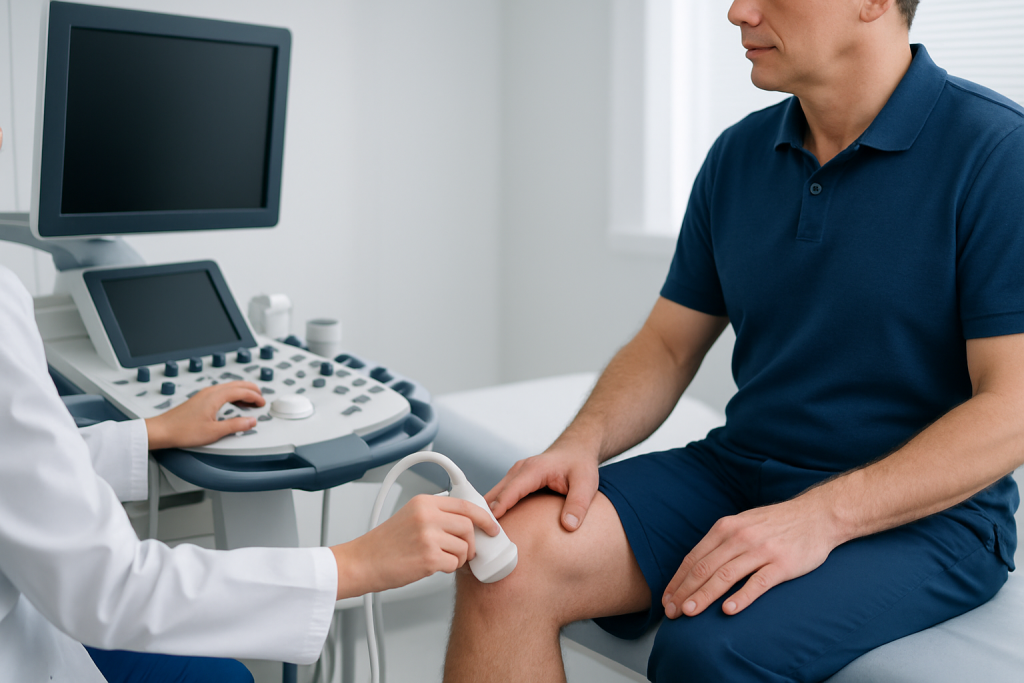
Imaging may be used to look for fluid, inflammation, or structural damage. Ultrasound can show active synovial swelling and excess fluid, while MRI may provide a more detailed picture when the diagnosis is unclear or symptoms persist. X-rays can help identify arthritis changes or old injury.
If infection or crystal disease is a concern, the doctor may recommend joint aspiration, which means removing a small amount of fluid from the joint for testing. Blood tests may also help check for inflammation, autoimmune markers, or signs of infection. For patients traveling from abroad, these tests are often coordinated in a stepwise way so the diagnosis can be clarified efficiently and safely.
Treatment Options
Treatment depends on the cause, the joint involved, and how severe the inflammation is. In many cases, the first goal is to calm the irritation while protecting the joint from further stress. Rest, temporary activity modification, and cold or warm compresses may be suggested depending on the situation.
Medicines may be used to reduce pain and inflammation. A clinician may recommend anti-inflammatory treatment or other medications tailored to the underlying condition. If synovitis is related to rheumatoid arthritis or another chronic inflammatory disorder, disease-specific therapy is usually needed to control the broader process rather than treating only the swollen joint.
Physical therapy can be important once severe pain settles, because gentle movement helps preserve flexibility, strength, and joint function. If there is a large fluid collection, drainage may bring relief and also provide diagnostic information. When infection is suspected, urgent treatment is needed, and if repeated inflammation damages the joint, specialist procedures may occasionally be considered.
For people receiving care away from home, treatment planning should also include timing, follow-up, and medication monitoring after travel. A clear written plan helps the patient continue care safely once back in their own country.
Prevention & Self-care
Not every case of synovitis can be prevented, but joint health can often be protected by reducing repeated strain and treating early warning signs promptly. Good posture, appropriate footwear, gradual return to sports or exercise, and attention to technique can all lower stress on vulnerable joints.
At home, short periods of rest during flare-ups may help, but complete inactivity for too long can make the joint stiff. Gentle movement within comfort, following the doctor’s advice, is usually preferable to pushing through pain. If a brace, support, or walking aid is recommended, using it consistently can reduce irritation while healing takes place.
- Avoid overloading a painful joint during recovery
- Follow exercise and rehabilitation advice consistently
- Keep chronic arthritis under medical control
- Use protective gear during high-risk activities
- Seek assessment early if swelling returns
Because synovitis can be linked to ongoing conditions, prevention also means staying on top of the underlying diagnosis. When the root problem is managed well, flare-ups are often less frequent and less disruptive.
When to See a Doctor
Medical review is appropriate when a joint remains swollen for more than a short period, pain interferes with daily activity, or stiffness keeps returning. It is also wise to seek evaluation if the symptoms follow an injury but do not improve as expected, since a hidden ligament, cartilage, or bone problem may be contributing.
Prompt care is especially important if the joint becomes very warm or red, if fever develops, or if the person cannot comfortably move or bear weight on the joint. These features can suggest infection or another urgent problem that should not be watched at home.
For patients considering Herniated Disc Treatment Abroad: Injection, Rehab, or Surgery?" class="ahp-ilk">treatment abroad, the right time to seek help is when a clear diagnosis is needed, symptoms keep recurring, or specialist input may reduce delays in care. Acibadem Health Point’s multidisciplinary specialists and JCI-accredited hospitals diagnose and treat synovitis for international patients with coordinated orthopedic and medical support.
Living With Synovitis
Many people do well once the cause is identified and the joint is given time to settle. The day-to-day focus is usually on reducing inflammation, maintaining movement, and preventing repeated irritation. Small adjustments in activity and follow-up care often make a meaningful difference.
If synovitis is part of a long-term inflammatory condition, regular monitoring is important. Symptoms can change over time, and treatment may need adjustment to protect the joint and preserve function. Patients who travel for care should keep copies of test results, imaging reports, and medication lists so follow-up is easier once they return home.
With the right evaluation and a practical treatment plan, synovitis is often manageable. The most useful next step is not guessing at the cause, but having the joint assessed by a qualified specialist.
References
Below are authoritative sources commonly used for patient education on joint inflammation and related conditions.
- American Academy of Orthopaedic Surgeons
- Arthritis Foundation
- National Institute of Arthritis and Musculoskeletal and Skin Diseases
- National Health Service
- Mayo Clinic
Frequently asked questions
Is synovitis the same as arthritis?
Not exactly. Synovitis means inflammation of the joint lining, while arthritis is a broader term for joint disease. Synovitis can happen on its own or as part of arthritis, especially inflammatory types such as rheumatoid arthritis.
Can synovitis go away on its own?
Mild cases sometimes settle if the joint is rested and the irritation resolves. However, persistent or recurring swelling should be assessed, because the cause may need specific treatment.
How is synovitis different from a sprain or strain?
A sprain or strain affects ligaments or muscles, while synovitis involves the lining inside the joint. The symptoms can overlap, which is one reason imaging or other tests may be needed when swelling does not improve.
Does synovitis always require surgery?
No. Most cases are managed without surgery using rest, medication, therapy, or treatment of the underlying condition. Surgery is considered only in selected situations when symptoms persist or structural problems are present.
Can infection cause synovitis?
Yes. Joint infection can inflame the synovium and may cause rapid swelling, warmth, and significant pain. This is a medical urgent situation and should be assessed promptly.
What should an international patient bring to a specialist visit?
It helps to bring previous imaging, blood tests, medication lists, and a timeline of symptoms or injuries. Clear records make it easier for the specialist to understand the pattern and plan the next step efficiently.
References
- American Academy of Orthopaedic Surgeons
- Arthritis Foundation
- National Institute of Arthritis and Musculoskeletal and Skin Diseases
- National Health Service
- Mayo Clinic
This article is for general information only and is not a substitute for professional medical advice. Please consult a qualified doctor about your individual situation.
More from the Health Library



Related Specialists

Prof. Dr. Ahmet Alanay
Orthopedic Surgery & Traumatology
Dr. Sinan Aksu
Orthopedic Surgery & Traumatology
Dr. Sirri Baştürk
Orthopedic Surgery & Traumatology
Prof. Dr. Korhan Özkan
Orthopedic Surgery & Traumatology