

Occipital Bone

Key Takeaways
- The occipital bone is the bone at the back and base of the skull.
- It protects the brain and supports structures linked to the spinal cord, nerves, and neck muscles.
- Pain, swelling, or neurological symptoms after head trauma may suggest an occipital bone injury.
- Diagnosis may involve a physical examination and imaging such as CT or MRI.
- Treatment depends on the cause and may include observation, pain relief, or specialist care.
The occipital bone forms the back and base of the skull and helps protect the brain while supporting key nerves, muscles, and passageways. Understanding its anatomy and potential injuries can make symptoms easier to recognize and guide timely medical care.
Overview
The occipital bone sits at the lower back of the skull, where the head meets the neck. It is not just a protective shell; it is a structural meeting point for the brain, spinal cord, neck muscles, and several important nerves and blood vessels.
For patients, the occipital bone becomes relevant most often after a fall, Knee Pain Relief: Causes and Treatment" class="ahp-ilk">Pain Relief" class="ahp-ilk">sports injury, traffic accident, or persistent pain in the back of the head. In those situations, the bone itself may be injured, or nearby tissues may be strained. Knowing the bone’s role helps explain why symptoms in this area can feel broad, sometimes involving the head, neck, or even balance.
Because the occipital region is close to important neurological structures, clinicians usually take complaints in this area seriously, especially when they follow trauma or are paired with dizziness, vomiting, weakness, or visual changes. A careful evaluation helps separate a simple bruise or muscle strain from a more significant injury.
Symptoms
Symptoms linked to the occipital bone are often felt at the back of the head or where the skull blends into the upper neck. Some people notice tenderness when touching the area, while others describe a deep ache, pressure, or a throbbing sensation after injury.
When the bone or surrounding tissues are affected, symptoms may include swelling, bruising, headache, neck stiffness, or pain that worsens with movement. If nerves in the area are irritated, pain may spread upward into the scalp or toward the ears.
More concerning signs can point to a head injury that needs medical assessment. These may include:
- loss of consciousness, even briefly
- vomiting after a head impact
- confusion, unusual sleepiness, or memory gaps
- vision changes or balance problems
- weakness, numbness, or trouble speaking
Children, older adults, and people taking blood-thinning medication may develop serious symptoms even after what seems like a minor impact, so their warning signs deserve prompt attention.
Causes & Risk Factors
The occipital bone can be affected by direct trauma, repeated strain, or conditions that weaken bone integrity. A hard blow to the back of the head is the most obvious cause, but not the only one. The area may also hurt after whiplash, falls from standing height, sports collisions, or motor vehicle accidents.
Some people are more vulnerable to injury because of age, bone fragility, or activities that increase the chance of head impact. In international travel settings, falls during unfamiliar mobility routines, long periods of fatigue, or crowded transport situations can also contribute to accidents.
Common risk factors include:
- contact sports or high-impact activities
- osteoporosis or other bone-thinning conditions
- previous head or neck injury
- blood-clotting problems or anticoagulant use
- poor balance, fainting episodes, or seizures
Occasionally, pain at the back of the skull is not due to bone injury at all. It may come from muscle tension, cervical spine problems, or nerve irritation, which is why symptoms are best interpreted in context rather than by location alone.
Diagnosis
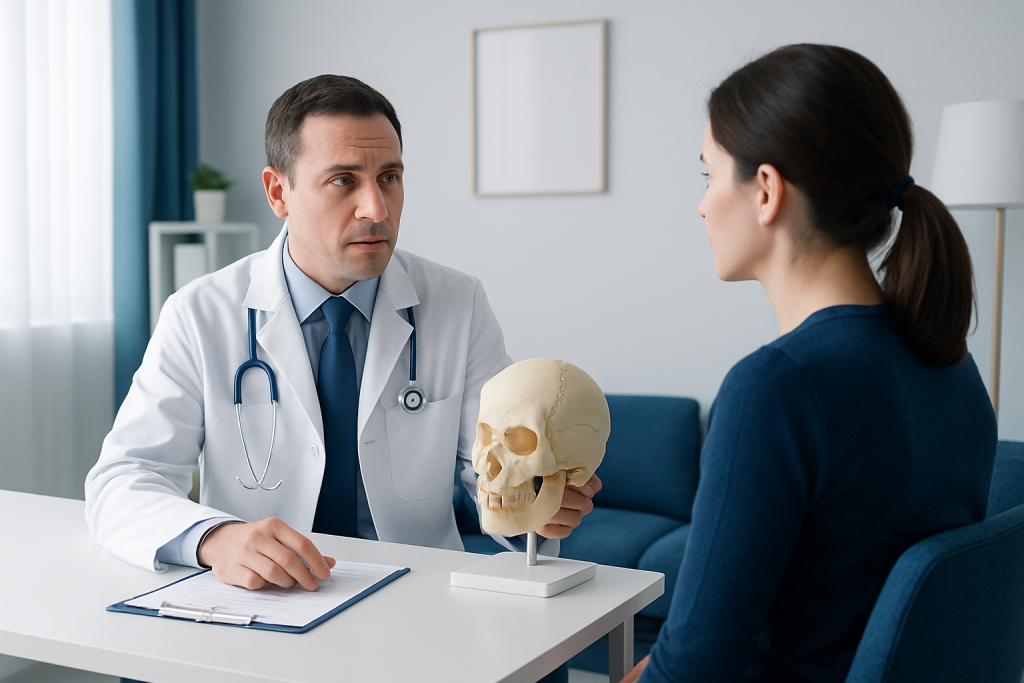
Diagnosis usually begins with a history of how the pain or injury started. A clinician will ask about the force of impact, loss of consciousness, headache pattern, neck pain, nausea, and any changes in alertness or movement. A physical examination may check tenderness, swelling, scalp wounds, neurologic function, and neck mobility.
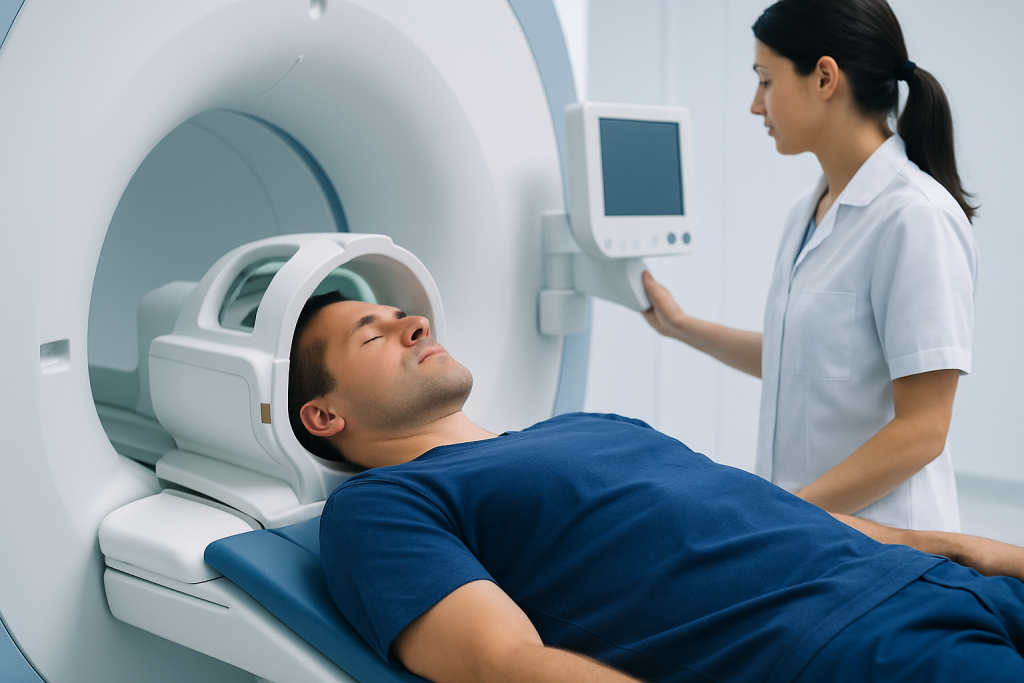
Imaging is sometimes needed, especially when there is significant trauma or symptoms suggest a fracture or brain involvement. A CT scan is commonly used in the emergency setting because it can show skull fractures and bleeding quickly. MRI may be useful when soft tissue, nerve, or brain details need closer evaluation.
In some cases, the doctor may also assess the cervical spine, since the skull and upper neck work as one functional unit. For patients arranging care from another country, it is helpful to bring prior imaging reports, medication lists, and a brief timeline of the injury or symptom onset; this can make the evaluation more efficient and reduce repeat testing.
Treatment Options
Treatment depends on what is found. A minor bruise or muscle strain around the occipital region may improve with rest, cold packs, and simple pain relief recommended by a clinician. If there is a confirmed fracture without dangerous complications, observation and follow-up may be enough in selected cases.
More significant injuries can require hospital monitoring, especially if there are signs of brain injury, bleeding, or instability of the neck. In those situations, treatment may involve neurosurgical or trauma specialists, immobilization, or procedures directed at the associated complication rather than the bone alone.
Important treatment approaches may include:
- pain control and activity modification
- monitoring for concussion or other brain injury symptoms
- imaging follow-up when advised
- physical therapy for neck stiffness or related muscle pain
- specialist review if neurological symptoms are present
For international patients, coordinated care can be especially helpful when treatment and follow-up may occur across countries. In appropriate cases, multidisciplinary specialists and JCI-accredited hospitals such as Acibadem Health Point can evaluate and treat occipital bone-related conditions for international patients.
Prevention & Self-care
Not every occipital injury can be prevented, but many can be reduced by lowering the risk of falls and head impacts. Wearing appropriate protective gear during sports, using seat belts, and following safety rules in vehicles and workplaces all make a difference.
For people with balance issues, vision changes, or dizziness, fall-prevention strategies are especially valuable. Good lighting, supportive footwear, careful use of stairs, and review of medications that may cause lightheadedness can lower the chance of injury.
Self-care is best matched to the specific problem. After a mild head impact, rest, hydration, and avoiding strenuous activity may help, but any worsening symptoms should prompt re-evaluation. It is also wise not to return to contact sports or heavy physical activity until a clinician has confirmed it is safe.
People recovering while traveling should keep a copy of their imaging results and discharge instructions, avoid alcohol if advised, and plan follow-up before long flights or strenuous sightseeing. These small steps can make recovery smoother and reduce the chance of missing delayed symptoms.
When to See a Doctor
A doctor should be consulted after any head injury if pain persists, swelling increases, or the person does not feel like themselves. Even when the skin looks normal, symptoms can still reflect a skull, neck, or brain problem.
Immediate medical care is important if the injury is followed by vomiting, worsening headache, confusion, fainting, seizure, weakness, numbness, trouble walking, or changes in vision or speech. These symptoms do not always mean something severe, but they do warrant prompt evaluation.
It is also sensible to seek medical advice for ongoing occipital pain without a clear cause, particularly if it is recurrent, one-sided, or accompanied by neck stiffness or nerve-like shooting pain. A clinician can help identify whether the source is bone, muscle, nerve, or another structure altogether.
Living With Occipital Bone Problems
Most occipital bone-related issues improve once the underlying cause is identified and managed. Recovery may be straightforward after a minor injury, but some people need a stepwise return to routine because head and neck symptoms can linger longer than expected.
It can help to track symptom changes day by day, noting triggers such as movement, screen time, sleep position, or physical exertion. That information gives clinicians a clearer picture and can make follow-up visits more productive, especially when care is shared between home and travel destinations.
When symptoms are mild and improving, reassurance and monitored rest are often enough. When symptoms are persistent or complicated, specialist evaluation helps protect brain, spine, and nerve health while guiding a practical recovery plan.
Frequently asked questions
What is the occipital bone?
The occipital bone is the bone at the back and base of the skull. It helps protect the brain and connects with the upper neck, making it an important part of head and neck structure.
Can the occipital bone be fractured?
Yes, it can fracture after a direct blow, fall, or other head trauma. Some fractures are uncomplicated, while others may be associated with brain injury or bleeding and need urgent evaluation.
What does pain in the occipital area mean?
Pain at the back of the head can come from the occipital bone, nearby muscles, nerves, or the cervical spine. A medical assessment is often needed if the pain follows an injury or does not improve.
How is an occipital bone injury diagnosed?
Doctors usually start with a physical examination and questions about the injury. CT scans are often used when a fracture or bleeding is a concern, and MRI may be used in selected cases.
Can occipital bone problems heal without surgery?
Yes, many mild injuries improve with rest and observation. Surgery is only considered when there are complications such as significant bleeding, instability, or another problem that needs a procedure.
When should someone seek emergency care after a head injury?
Emergency care is recommended if there is loss of consciousness, repeated vomiting, confusion, weakness, seizure, severe worsening headache, or changes in speech, vision, or walking. These symptoms need prompt medical review.
References
- National Institute of Neurological Disorders and Stroke
- Mayo Clinic
- MedlinePlus
- American Association of Neurological Surgeons
This article is for general information only and is not a substitute for professional medical advice. Please consult a qualified doctor about your individual situation.
More from the Health Library



Related Specialists

Prof. Dr. Ahmet Alanay
Orthopedic Surgery & Traumatology
Dr. Sinan Aksu
Orthopedic Surgery & Traumatology
Dr. Sirri Baştürk
Orthopedic Surgery & Traumatology
Prof. Dr. Korhan Özkan
Orthopedic Surgery & Traumatology