

Iliotibial Band

Key Takeaways
- The iliotibial band supports hip and knee stability during movement.
- Pain from iliotibial band irritation is often felt on the outside of the knee or thigh.
- Overuse, training changes, and biomechanics can contribute to symptoms.
- Diagnosis is usually based on history and physical examination.
- Treatment often focuses on activity modification, rehabilitation, and gradual return to sport.
The iliotibial band is a thick strip of connective tissue that helps stabilize the outer thigh and knee during movement. When it becomes irritated, it can cause pain that is especially noticeable during running, cycling, or repeated bending activities.
Overview
The iliotibial band, often called the IT band, is a strong band of connective tissue that runs along the outside of the thigh from the hip to the outer side of the knee. It helps coordinate movement and provides stability when a person walks, climbs stairs, runs, pedals, or changes direction. Because it is involved in repetitive motion, it can become a source of discomfort when tissues along the outer thigh are stressed for too long or too often.
When the IT band becomes irritated, people may hear the term iliotibial band syndrome, or IT band syndrome. The condition is common in active individuals, but it is not limited to athletes. Long periods of walking, certain work tasks, or a sudden increase in activity can also provoke symptoms. In many cases, the problem is less about a single injury and more about how load, movement patterns, and recovery time interact.
For international patients considering care, it may help to know that evaluation is usually straightforward. A specialist will focus on the pattern of pain, the person’s training history, and the way the hip, knee, and surrounding muscles are working together. This practical approach often guides treatment without the need for extensive testing.
Symptoms
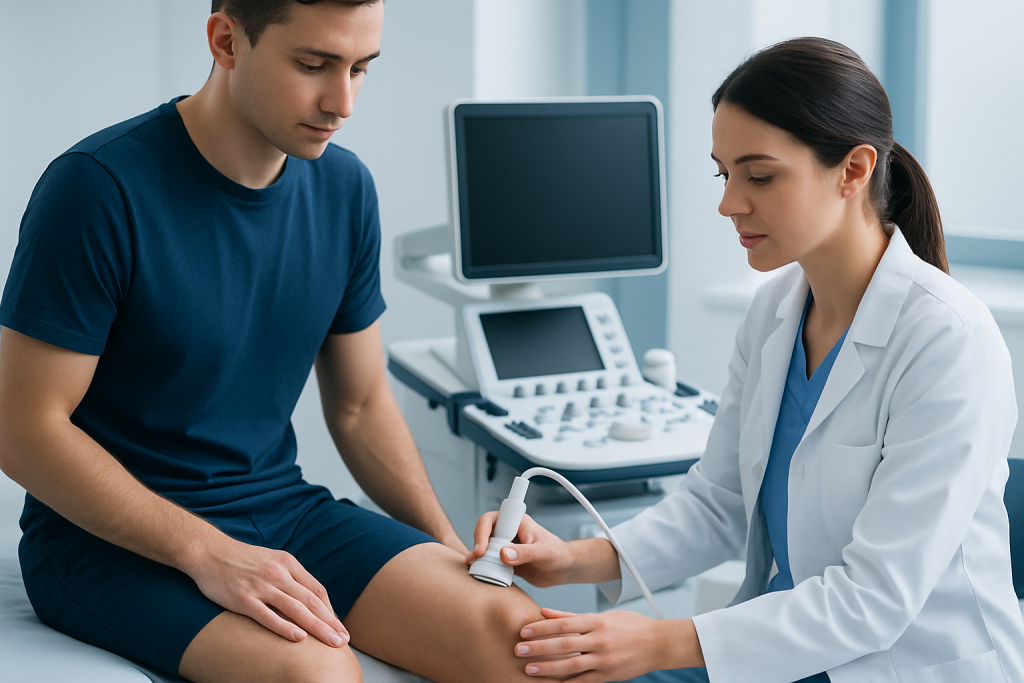
The hallmark symptom is pain on the outer side of the knee, though some people feel discomfort higher up along the outer thigh or near the hip. The pain often begins gradually and may appear only during activity at first. As irritation increases, it can show up earlier in a workout or linger afterward.
Many people notice that the discomfort is worse during repeated bending and straightening of the knee, especially when running downhill, climbing stairs, or cycling for long periods. Some describe the sensation as sharp, burning, or tight. Resting briefly may help, but symptoms can return once the same movement pattern starts again.
Common features can include:
- Pain on the outside of the knee during activity
- Tightness along the outer thigh
- Discomfort that worsens with repeated motion
- Reduced tolerance for running, walking, or cycling
- Occasional tenderness to touch near the outer knee
Because several knee and hip conditions can create similar discomfort, the location and timing of symptoms matter. A clinician may ask when the pain begins, what movements trigger it, and whether the person recently changed training volume, footwear, or exercise surface.
Causes & Risk Factors
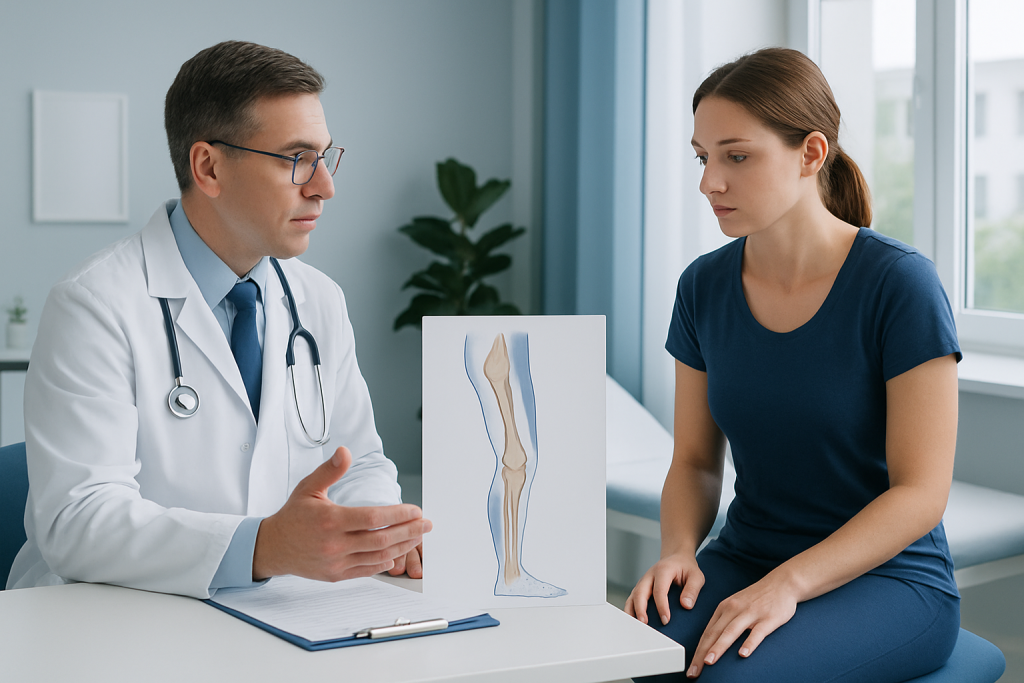
IT band pain usually develops when the tissue and nearby structures are exposed to repeated friction, compression, or overload. The IT band itself is not a muscle, so it does not “stretch” in the same way a muscle does. Instead, symptoms often arise when movement mechanics or training demands increase stress across the outer thigh and knee.
Common contributing factors include a rapid jump in activity, long-distance running, hill work, cycling with poor bike fit, and repetitive movement without enough recovery. Weakness or fatigue in the hip muscles can also affect alignment, allowing the knee to drift inward slightly and increasing strain on the outside of the leg.
Factors that may raise the chance of symptoms include:
- A sudden change in exercise intensity, frequency, or terrain
- Tight or overworked hip and thigh muscles
- Muscle imbalance around the hips and core
- Biomechanical issues such as gait changes or leg-length differences
- Prolonged cycling, running, or stair use
It is important to remember that the problem often reflects an overload pattern rather than a structural failure. That is why treatment typically addresses both the irritated tissue and the movements that contributed to it.
Diagnosis
Diagnosis usually begins with a detailed conversation about symptoms and activity patterns. A doctor or rehabilitation specialist will ask where the pain is located, when it appears, how long it has been present, and whether anything has changed in recent training or daily routines. This history often provides important clues.
A physical examination may include checking hip strength, flexibility, gait, knee alignment, and areas of tenderness. The clinician may also look for signs of other conditions that can mimic IT band pain, such as patellofemoral pain, meniscus problems, bursitis, or issues arising from the lower back or hip joint.
Imaging tests are not always necessary. They may be considered if symptoms are unusual, persistent, or not improving as expected, or if another diagnosis needs to be ruled out. In many straightforward cases, the exam and history are enough to guide a safe treatment plan.
Treatment Options
Treatment is usually non-surgical and focuses on calming irritation while restoring movement quality. The most useful plan is often individualized, because the reason the IT band became painful can differ from one person to another. A runner, a cyclist, and someone who developed pain during a long travel schedule may need slightly different adjustments.
Temporary activity modification is often the first step. That does not always mean complete rest; rather, it means reducing the movement that reliably triggers pain while keeping the body active in ways that are better tolerated. Many people benefit from switching to lower-impact exercise for a period of time while rehabilitation is underway.
Rehabilitation commonly includes exercises to improve hip strength, core control, and movement mechanics. A physical therapist may also guide flexibility work, gradual loading, and sport-specific retraining. In some cases, treatment may include short-term pain-relief measures recommended by a clinician. Surgery is rarely needed and is generally considered only when symptoms persist despite well-directed conservative care.
For patients traveling from another country, follow-up planning matters. A clear home exercise program, progress checkpoints, and guidance on when to advance activity can make it easier to continue recovery after returning home. If care is needed in a specialized setting, multidisciplinary teams can coordinate diagnosis, rehabilitation, and follow-up.
Prevention & Self-care
Preventing recurrence often means reducing repetitive strain and paying attention to how the body absorbs load. Gradual training progress is more helpful than dramatic changes, especially after time off or a new exercise season. Warm-ups and cool-downs may not prevent every injury, but they can support a more comfortable return to activity.
Self-care can include pace adjustments, cross-training, and exercises that improve hip and trunk control. Footwear and equipment should also be reviewed when relevant, especially for runners and cyclists. A bike fit assessment can be particularly helpful if symptoms appear during longer rides or with changes in saddle height or pedal mechanics.
Practical steps may include:
- Increasing training volume gradually
- Alternating high-impact and low-impact activities
- Strengthening the hips, glutes, and core
- Using rest days to allow tissue recovery
- Monitoring technique on hills, stairs, and cycling
People recovering abroad should keep a simple log of pain triggers, exercise tolerance, and progress. This helps clinicians on both sides of the journey make more accurate recommendations and adjust the plan if symptoms change.
When to See a Doctor
Medical evaluation is sensible when outer-knee pain persists for more than a short period, keeps returning, or limits everyday activities. It is also wise to seek care if the discomfort started after a clear twist, fall, or direct injury, because another condition may be present. Early assessment can shorten the recovery path by identifying the specific movement pattern involved.
A doctor should be consulted sooner if there is marked swelling, fever, locking, instability, numbness, or pain that is severe enough to prevent normal walking. These features are not typical of simple IT band irritation and deserve a closer look. A qualified clinician can decide whether imaging, medication, injections, or referral to rehabilitation is appropriate.
Acibadem Health Point’s multidisciplinary specialists and JCI-accredited hospitals diagnose and treat iliotibial band problems for international patients, with coordinated orthopedic and rehabilitation support when needed. The goal is to match the treatment plan to the person’s activity level, travel schedule, and recovery needs in a clear, practical way.
Frequently asked questions
What is the iliotibial band?
The iliotibial band is a thick band of connective tissue running along the outside of the thigh from the hip to the knee. It helps support stability during walking, running, and other repetitive movements. When it becomes irritated, it can contribute to pain on the outer side of the knee or thigh.
Is iliotibial band syndrome only a runner’s problem?
No. Running is a common trigger, but cycling, hiking, stair climbing, and other repetitive activities can also bring on symptoms. The condition can affect anyone whose movement pattern places repeated stress on the outside of the thigh and knee.
Does stretching fix IT band pain?
Stretching may help some people feel less tight, but it is usually not the whole answer. Treatment often works better when stretching is combined with strengthening, movement retraining, and temporary changes in activity. A clinician can suggest the right balance for the individual case.
How is iliotibial band pain diagnosed?
Diagnosis is usually based on the person’s history and a physical examination. A doctor looks at the location of pain, movement patterns, training changes, and possible alternative causes. Imaging is not always required unless the symptoms are unusual or persistent.
Can iliotibial band syndrome go away on its own?
Mild symptoms may improve with rest and reducing the activity that triggers pain, but repeated overload can bring the problem back. Recovery is often more reliable when the underlying movement or training issue is addressed. If pain continues, medical evaluation is a good idea.
When should someone avoid exercising?
Exercise should be paused or modified if it consistently causes sharp pain or makes symptoms worse during or after the activity. Low-impact movement may still be possible if it does not aggravate the area. A rehabilitation specialist can help determine which activities are safe during recovery.
References
- Mayo Clinic
- Cleveland Clinic
- American Academy of Orthopaedic Surgeons
- National Health Service
This article is for general information only and is not a substitute for professional medical advice. Please consult a qualified doctor about your individual situation.
More from the Health Library



Related Specialists

Prof. Dr. Ahmet Alanay
Orthopedic Surgery & Traumatology
Dr. Sinan Aksu
Orthopedic Surgery & Traumatology
Dr. Sirri Baştürk
Orthopedic Surgery & Traumatology
Prof. Dr. Korhan Özkan
Orthopedic Surgery & Traumatology