

Spine Surgery or Physiotherapy First? The Questions That Change the Plan

Key Takeaways
- Many spine conditions are treated with physiotherapy first when there is no urgent nerve or spinal cord problem.
- Surgery is usually considered when pain persists, function declines, or neurological symptoms appear.
- The diagnosis matters more than the pain location alone; imaging is only one part of the decision.
- Questions about weakness, numbness, walking changes, bowel or bladder symptoms, and symptom duration can change the plan.
- A thoughtful second opinion can be helpful, especially for people traveling internationally for care.
Medically reviewed by the Acıbadem clinical team — June 13, 2026
Choosing between spine surgery and physiotherapy often depends on the cause of pain, the presence of nerve symptoms, and how daily function is affected. Many spine problems improve without an operation, but some signs make earlier surgical evaluation the safer path.
Overview
When someone asks whether spine surgery or physiotherapy should come first, the most useful answer is usually: it depends on what is causing the pain. A stiff lower back after lifting, a pinched nerve with leg pain, a spinal disc problem, spinal stenosis, or instability all follow different treatment paths. The first job is not to choose between “surgery” and “exercise,” but to identify which problem is actually present.
For many people, the spine can settle with non-surgical care. Physiotherapy, activity modification, pain control, and time may reduce symptoms enough to avoid an operation. In other situations, especially when nerves are threatened or symptoms keep worsening, surgery becomes the better option because it addresses structural pressure that therapy cannot remove.
That is why the decision is often shaped by a few specific questions: Is there weakness? Is there numbness or tingling? Is walking becoming harder? Has bladder or bowel control changed? How long has the problem lasted, and what has already been tried? Those details often matter more than the label “back pain.”
Symptoms
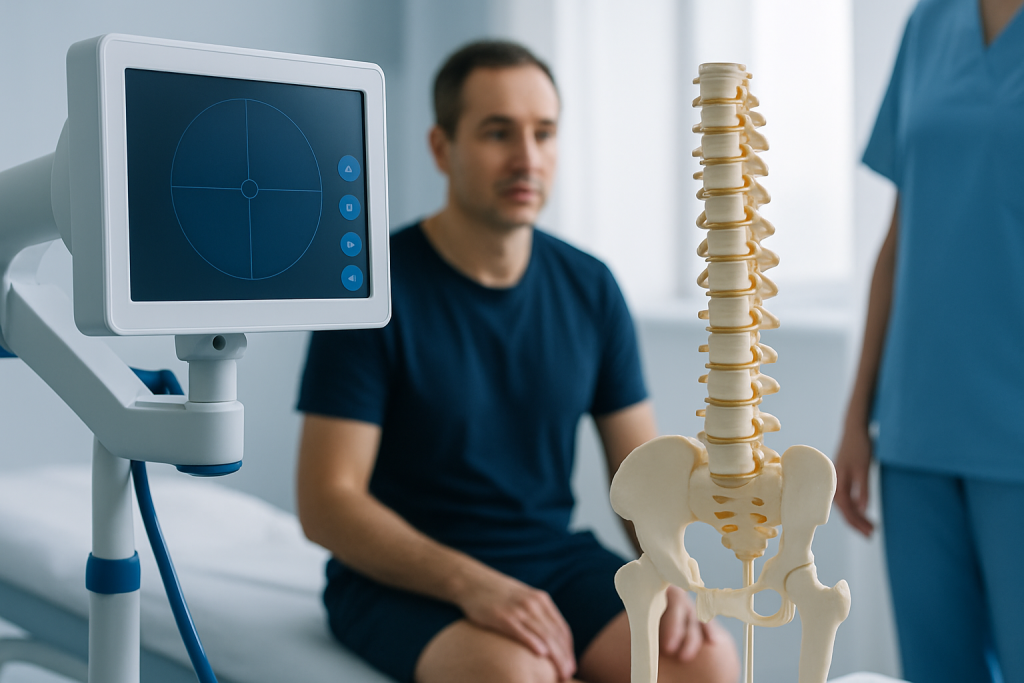
Back pain can look similar on the surface while coming from very different sources. Some people feel a deep ache in the lower back after sitting too long. Others notice pain that travels into the buttock, thigh, or foot, which can suggest irritation of a spinal nerve. Neck problems may cause pain between the shoulders, arm symptoms, or headaches, depending on the level involved.
Symptoms that influence the treatment plan include whether the pain is steady or comes and goes, whether movement helps or worsens it, and whether the problem limits daily life. A person who cannot bend to tie shoes or cannot sit through a flight may need a different plan from someone who has mild discomfort but remains active. The degree of functional loss often helps determine how quickly to escalate care.
Some symptoms deserve prompt attention because they can point to nerve compression or spinal cord involvement. These include new weakness, foot drop, numbness in the groin or inner thighs, balance problems, unexplained falls, or loss of bowel or bladder control. These findings do not automatically mean surgery is needed, but they do mean the situation should be assessed quickly by a qualified clinician.
- Localized back or neck pain
- Pain that spreads into an arm or leg
- Numbness, tingling, or burning sensations
- Stiffness and reduced mobility
- Weakness or changes in walking
Causes & Risk Factors

The choice between physiotherapy and surgery is influenced by the cause of symptoms. Muscle strain, postural overload, mild disc irritation, and many episodes of mechanical low back pain usually improve with conservative care. In these cases, the problem is often inflammation, poor movement patterns, or temporary tissue irritation rather than a structure that needs to be removed or stabilized.
Other causes are more complex. A herniated disc may press on a nerve and cause leg pain. Spinal stenosis can narrow the channel for nerves and create pain when standing or walking. Scoliosis, spondylolisthesis, fractures, infections, tumors, and significant instability may also change the treatment path. The same symptom—back pain—can therefore lead to very different solutions.
Risk factors that make spine problems more likely include aging, repetitive lifting, prolonged sitting, poor conditioning, previous injury, smoking, excess body weight, and certain jobs or sports that load the spine repeatedly. A personal history of cancer, osteoporosis, autoimmune disease, or trauma can also make doctors look more carefully for causes that should not be treated as routine back pain.
Diagnosis
Good spine care begins with a detailed history and physical examination. A doctor or spine specialist will usually ask when the pain started, where it spreads, what makes it better or worse, and whether there are any neurological symptoms. Exam findings such as strength, reflexes, sensation, posture, gait, and range of motion help show whether the nerves are involved.
Imaging is important in some cases, but it is not always needed immediately. X-rays can help evaluate alignment, arthritis, or instability. MRI is often used when a disc, nerve, or spinal cord issue is suspected. CT may be useful for bone detail or when MRI is not possible. Even then, scans must be interpreted alongside the person’s symptoms, because many imaging findings are common and do not always explain the pain.
This is one of the key questions that changes the plan: does the imaging match the symptoms? A small disc bulge on a scan may not need surgery, while clear nerve compression with matching weakness may deserve a surgical discussion. In international care, this matching process is especially valuable because it helps avoid unnecessary travel or delayed treatment. A careful review before making travel plans can save time, reduce uncertainty, and make rehabilitation easier to organize afterward.
Treatment Options
Physiotherapy is often the first step when the spine problem is stable and there are no urgent neurological warning signs. A tailored program may include guided exercise, core strengthening, mobility work, posture training, manual therapy, and education about pacing daily activity. The aim is not simply to “rest the back,” but to improve how the spine moves and how the supporting muscles share the load.
Surgery is usually considered when there is structural compression or instability that is unlikely to improve enough with therapy alone. Examples can include severe nerve root compression with weakness, spinal cord compression, progressive deformity, certain fractures, or pain that remains disabling after appropriate non-surgical care. The operation depends on the diagnosis and may involve decompression, discectomy, fusion, or other techniques chosen for the specific spinal problem.
Many patients do best with a stepwise plan rather than an either-or decision. A doctor may recommend a short trial of conservative care, then re-evaluate. If symptoms improve, surgery may be avoided. If symptoms worsen or fail to improve, the plan can move toward a surgical consultation without losing valuable time. That flexibility is often the safest path.
- Physiotherapy and supervised exercise
- Activity modification and ergonomic changes
- Pain-relief strategies recommended by a doctor
- Injections in selected cases
- Surgical treatment when indicated
Prevention & Self-care
Even when a person is already in pain, self-care can still shape recovery. Staying gently active usually helps more than complete bed rest. Short walks, frequent position changes, and a structured home program from a physiotherapist can reduce stiffness and support healing. The exact exercises should match the diagnosis, because some movements help one condition and aggravate another.
Simple habits can also protect the spine over time. These include using good lifting technique, keeping objects close to the body, supporting a healthy body weight, avoiding long uninterrupted sitting, and strengthening the trunk and hip muscles as advised. Sleep posture, desk setup, and travel ergonomics matter too, especially for people who fly long distances for care or follow-up visits.
For those considering treatment abroad, preparation makes recovery smoother. It helps to organize medical records, imaging, a list of current medications, and a plan for post-treatment rehabilitation before travel. If surgery is being discussed, patients should also ask how soon they will be able to walk, fly home, resume physiotherapy, and have remote follow-up after discharge.
When to See a Doctor
A doctor should evaluate spine pain when symptoms last longer than expected, keep returning, or interfere with work, sleep, walking, or family life. A specialist review is also sensible when pain travels down a leg or arm, because nerve irritation may need more than simple rest. Early assessment can prevent a long cycle of trial-and-error treatment.
Urgent medical care is important if there is new weakness, numbness in the saddle area, difficulty starting or controlling urine, loss of bowel control, fever with back pain, or pain after significant injury. These findings can signal conditions that need prompt treatment. Even then, the goal is not to frighten patients, but to make sure serious causes are identified quickly and appropriately.
People seeking care internationally often want clarity before booking travel. A combined review by spine specialists, physiotherapists, and imaging experts can help decide whether conservative care is enough or whether surgery should be planned. Acibadem Health Point’s multidisciplinary specialists and JCI-accredited hospitals diagnose and treat spine conditions for international patients, with coordinated care that supports both treatment and recovery planning.
Practical Questions That Change the Plan
Some of the most important decisions in spine care come from asking the right questions, not from jumping to the most aggressive option. A patient may want to know whether the pain is actually mechanical, whether the nerve is involved, and whether symptoms are getting better, stable, or worse. The answers often determine whether physiotherapy is reasonable or whether surgery should be discussed sooner.
Another useful question is how much the problem limits normal life. Can the person walk, sleep, work, and care for themselves? Are they improving with a well-structured therapy plan? Has there been enough time for non-surgical care, or has the window already passed because of weakness or progressive symptoms? These questions help ensure the plan fits the person, not just the scan report.
For international patients, it can also help to ask how treatment is staged across countries. If surgery is not urgent, can rehabilitation begin locally? If surgery is needed, what follow-up can be done remotely? A clear pathway reduces confusion and makes the decision more manageable, especially when care begins in one country and continues in another.
Frequently asked questions
Is physiotherapy always tried before spine surgery?
Not always. Many stable back or neck problems start with physiotherapy, but urgent nerve compression, progressive weakness, or spinal cord symptoms may require earlier surgical assessment. The right order depends on the diagnosis and the pace of symptoms.
Can a scan show that surgery is needed?
A scan is helpful, but it does not decide treatment by itself. Doctors look at how the images match the person’s pain, exam findings, and functional changes before recommending surgery or physiotherapy.
How long should someone try conservative treatment?
That varies by condition and symptom severity. Some people improve within weeks, while others need a longer rehabilitation plan; however, worsening weakness, numbness, or walking difficulty should prompt earlier review.
Does needing surgery mean physiotherapy failed?
No. Some spine problems are simply too structural for exercise alone to solve. Physiotherapy may still be important before surgery, after surgery, or instead of surgery when appropriate.
What if back pain goes down the leg?
Pain that travels into the leg can suggest nerve irritation, especially when it is paired with tingling or numbness. This does not automatically mean surgery, but it does make a medical assessment more important.
Can international patients get a second opinion before traveling?
Yes, and it can be very helpful. Reviewing symptoms, exam findings, and imaging before travel can clarify whether physiotherapy is appropriate first or whether a surgical plan should be arranged.
References
- National Institute of Neurological Disorders and Stroke
- Mayo Clinic
- American Academy of Orthopaedic Surgeons
- World Health Organization
- NHS
This article is for general information only and is not a substitute for professional medical advice. Please consult a qualified doctor about your individual situation.
More from the Health Library



Related Specialists

Prof. Dr. Ahmet Alanay
Orthopedic Surgery & Traumatology
Dr. Sinan Aksu
Orthopedic Surgery & Traumatology
Dr. Sirri Baştürk
Orthopedic Surgery & Traumatology
Prof. Dr. Korhan Özkan
Orthopedic Surgery & Traumatology