

ACL Surgery or Rehab First: Who Really Needs an Operation?

Key Takeaways
- Not every ACL tear requires an operation; many patients begin with rehabilitation to restore strength and stability.
- Surgery is more often considered when the knee repeatedly gives way, there are additional meniscus or cartilage injuries, or the person needs pivoting sports or demanding work.
- A careful diagnosis includes exam findings, MRI when needed, and a discussion of daily goals, not just the imaging result.
- Recovery decisions are individual and should balance age, activity level, knee stability, and the ability to commit to rehabilitation.
- Traveling for care can still work well when follow-up, physiotherapy, and clear return-to-activity guidance are planned in advance.
An ACL injury does not always mean surgery. For some people, structured rehabilitation is the first and sometimes only step, while others benefit more from reconstruction based on instability, activity goals, and associated knee damage.
Overview
The anterior cruciate ligament, usually called the ACL, helps keep the knee steady when a person changes direction, lands from a jump, or slows down quickly. When it is torn, the knee may feel unstable, especially during twisting movements. That instability is often what brings a person to an orthopedist rather than the injury itself.
The question many patients ask is not only whether the ACL is torn, but whether surgery is truly needed. In modern orthopedic care, that decision is rarely automatic. Some people recover useful function with a well-designed rehabilitation plan, while others do better with ACL reconstruction because their knees keep giving way or because they want to return to higher-risk activities.
For international patients, this choice can feel even more important because treatment may involve travel, time away from work, and follow-up across borders. The best plan is usually the one that matches the knee injury, the person’s lifestyle, and the practical reality of recovery.
Symptoms
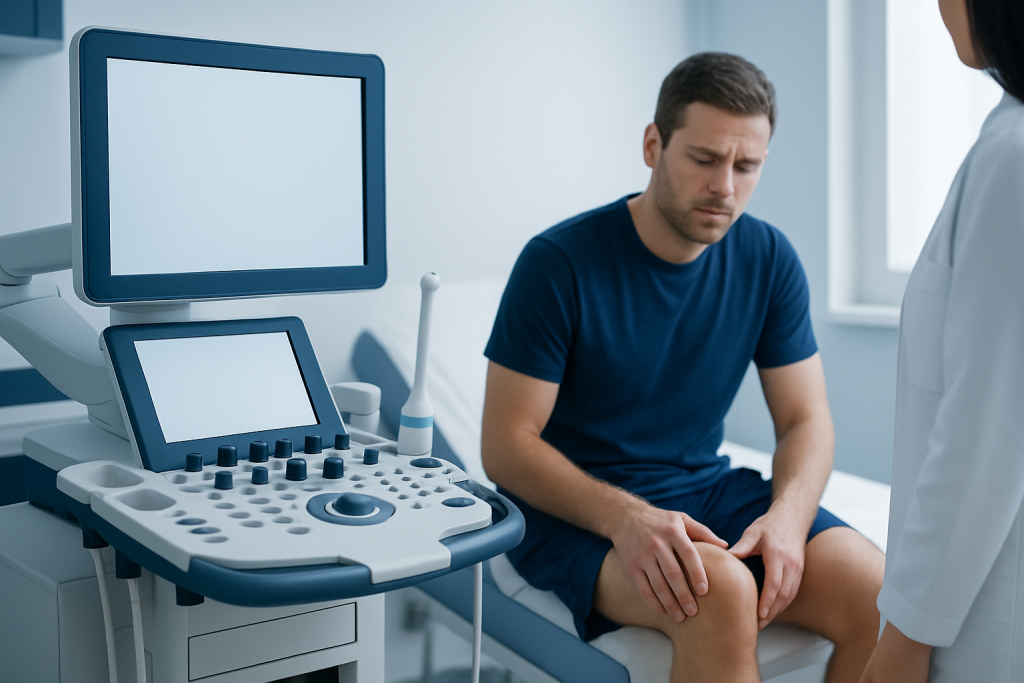
An ACL tear often announces itself with a sudden event. Many people describe a pop, immediate pain, swelling within hours, and difficulty continuing the activity. Walking may be possible, but turning, pivoting, or descending stairs can feel unsteady. Some people also notice the knee does not trust them during simple daily movements.
Symptoms can vary depending on whether the tear is partial or complete and whether other structures in the knee are injured. A partial tear may cause milder symptoms at first, while a complete tear often leads to more obvious instability. In some cases, the pain settles before the instability does, which can make the injury seem less serious than it is.
Typical features may include:
- Sudden swelling after the injury
- A popping sensation at the time of injury
- Difficulty continuing sports or activity
- Feeling that the knee may buckle, shift, or “give way”
- Reduced confidence with running, turning, or uneven ground
Because swelling and pain can fade quickly, some patients delay assessment. Even so, lingering instability is an important clue that the ACL may no longer be doing its job well.
Causes & Risk Factors

ACL injuries are most often caused by non-contact movements rather than direct blows. A sudden stop, fast change of direction, awkward landing, or twisting on a planted foot can strain the ligament beyond its limit. Contact sports can contribute, but many ACL tears happen during ordinary athletic maneuvers rather than collisions.
Risk is higher in sports that involve cutting, jumping, or rapid deceleration, such as football, basketball, handball, skiing, and similar activities. Prior knee injury, poor landing mechanics, muscle imbalance, and returning to sport before strength has recovered can also increase the chance of injury. Female athletes in certain sports may have a higher ACL injury rate because of a combination of biomechanical, hormonal, and training-related factors.
Age alone does not decide treatment. A younger, very active person may still choose rehabilitation first if the knee is stable enough, while an older adult may need surgery if the knee is unstable and the person wants to stay active. What matters most is the pattern of symptoms and how the knee performs in real life.
Diagnosis
Diagnosis begins with a detailed history of how the injury happened. The mechanism of injury often gives the orthopedic team an early clue, especially when the patient describes twisting, immediate swelling, or a sensation of instability. The physical examination then checks for laxity, swelling, movement limits, and tenderness that might suggest additional damage.
Imaging may be used to confirm the diagnosis or to look for other injuries. MRI is especially helpful because it can show the ACL and reveal meniscus tears, cartilage injuries, or bone bruising. X-rays do not show the ACL itself, but they may be used to rule out fractures or other bone problems.
For patients traveling from another country, it helps to gather prior records before the consultation, including imaging reports, operative notes from earlier surgeries, and a list of current symptoms. A good treatment plan is based not only on the scan, but also on the knee’s stability, the patient’s goals, and the timeline for returning home and resuming rehabilitation.
Treatment Options
Treatment is usually discussed along a spectrum, from rehabilitation-focused care to surgical reconstruction. The most appropriate option depends on whether the knee is functionally stable, whether other structures are damaged, and how the person uses the knee in daily life and sport. There is no single answer that fits everyone with an ACL tear.
Rehabilitation is often the first step, especially after a first-time injury. It aims to reduce swelling, restore range of motion, strengthen the quadriceps and hamstrings, improve balance, and train the body to control movement better. Some patients are satisfied with this approach if they do not experience repeated instability and if their activities are low-risk.
ACL reconstruction may be recommended when instability continues despite rehabilitation, when the patient wants to return to pivoting or jumping sports, or when there are associated injuries that are better addressed surgically. The procedure uses a graft to replace the torn ligament. Surgery is not a shortcut; it still requires a careful rehabilitation program afterward, and recovery is gradual.
Other treatment details may include:
- Short-term use of crutches or a brace in selected cases
- Pain and swelling control during the early phase
- Prehabilitation before surgery to improve knee motion and strength
- Postoperative physiotherapy to guide safe progress back to activity
Whether surgery is done immediately or after a period of rehab, the quality of rehabilitation strongly influences the final result. A well-supported recovery plan matters as much as the procedure itself.
Prevention & Self-care
Not every ACL injury can be prevented, but the knee can often be protected by improving movement control and lower-limb strength. Exercise programs that emphasize landing mechanics, core stability, hamstring and quadriceps strength, and agility training are commonly used in injury prevention. These programs are particularly valuable for athletes who return to cutting and pivoting sports.
After injury, self-care focuses on calm, consistent recovery. Rest from activities that cause the knee to buckle, follow the clinician’s guidance on swelling control, and stay engaged with rehabilitation exercises. Returning too quickly to sport or high-impact movement can increase the chance of further injury, especially if the knee still feels unstable.
For people arranging treatment abroad, planning matters. Before travel, patients should ask how follow-up will be coordinated, what physiotherapy they will need after returning home, and which movements or activities should be avoided during the trip. Clear instructions reduce uncertainty and make recovery smoother across different healthcare systems.
When to See a Doctor
Medical evaluation is appropriate soon after a knee injury that causes a pop, rapid swelling, or a feeling of giving way. Even if the pain improves, instability is a reason to be assessed by an orthopedic specialist. Early review helps identify associated injuries and prevents repeated episodes of the knee slipping.
It is especially important to seek care if the knee cannot bear weight comfortably, locking occurs, the swelling is significant, or the person cannot regain normal motion. These signs may point to more than a simple ligament strain and may require imaging or specialist treatment.
For patients weighing surgery versus rehabilitation, a consultation is the right place to discuss personal goals in plain language. An orthopedist can explain whether the knee is likely to stay stable with rehab alone or whether reconstruction offers a more reliable path. Acibadem Health Point’s multidisciplinary specialists and JCI-accredited hospitals diagnose and treat ACL injuries for international patients, with care plans designed around both recovery and practical follow-up.
Living With an ACL Injury: Recovery Decisions That Fit Real Life
The best ACL plan is rarely chosen by MRI alone. It is chosen by listening carefully to what the knee is doing now, what the person wants to do next, and how much uncertainty they can safely live with. A recreational walker, a desk worker, a skier, and a football player may all make different decisions from the same scan result.
Some people do well with rehab first and never need surgery. Others try rehabilitation, then decide on reconstruction when instability keeps interrupting daily life or sport. Both paths can be appropriate when they are chosen thoughtfully and followed through with consistent therapy.
Patients considering care abroad should also think beyond the operation itself. Planning for physiotherapy access, travel timing, and follow-up appointments helps the recovery feel manageable rather than fragmented. Good knee care is not only about fixing a ligament; it is about restoring trust in movement.
Frequently asked questions
Does every ACL tear need surgery?
No. Some people manage well with rehabilitation, especially if the knee remains stable in daily life and they are not returning to high-risk pivoting sports. Surgery is usually considered when the knee keeps giving way or when associated injuries make reconstruction a better option.
Can an ACL heal on its own with rehab?
The torn ligament itself does not typically knit back together in the same way as some other tissues. However, rehabilitation can help the knee function well by strengthening surrounding muscles and improving movement control. In selected patients, that functional stability may be enough.
What makes surgery more likely to be recommended?
Repeated instability, meniscus or cartilage damage, and a desire to return to sports with cutting, jumping, or fast direction changes often push the decision toward surgery. The clinician will also consider age, activity level, and whether the knee can be trusted in everyday tasks.
How long is recovery after ACL reconstruction?
Recovery is gradual and depends on the person, the graft used, and the rehabilitation plan. Early progress focuses on swelling control, motion, and walking, while return to sport takes much longer and should be guided by strength and function rather than time alone.
Is rehab useful even if surgery is planned?
Yes. Preoperative rehabilitation can improve range of motion, reduce swelling, and build strength before surgery. This often makes postoperative recovery more manageable and can help the patient enter surgery in a better physical state.
What if the injury happened while traveling?
It is still possible to get a good outcome, but the follow-up plan should be clear before any procedure begins. Patients should know how physiotherapy, checkups, and emergency contact will be handled once they return home.
References
- American Academy of Orthopaedic Surgeons
- Mayo Clinic
- National Institute of Arthritis and Musculoskeletal and Skin Diseases
- American Orthopaedic Society for Sports Medicine
This article is for general information only and is not a substitute for professional medical advice. Please consult a qualified doctor about your individual situation.
More from the Health Library



Related Specialists

Dr. Semih Yazla
Otorhinolaryngology
Dr. Kamil Oğuzhan Döker
Emergency Service
Prof. Dr. Erhan Serin
Orthopedic Surgery & Traumatology
Nergis Demiröz
Physical Medicine & Rehabilitation