Scapula

Key Takeaways
- The scapula is a flat bone that anchors muscles and enables shoulder movement.
- Shoulder blade pain may come from muscle strain, joint problems, nerve irritation, or injury.
- Diagnosis often involves a physical exam and, when needed, imaging tests.
- Treatment depends on the cause and may include rest, medicines, exercises, or rehabilitation.
- Early medical review is helpful if pain follows trauma, limits movement, or comes with numbness or chest symptoms.
The scapula, or shoulder blade, is a key bone that helps the shoulder move smoothly and supports the arm in daily activity. Pain or injury in this area can come from the bone, muscles, joints, nerves, or even the neck and upper chest, so a careful evaluation is important.
Overview
The scapula is better known as the shoulder blade, the broad bone that sits on the upper back and connects the upper arm to the trunk through a network of muscles, ligaments, and joints. Although it is often thought of as a single bone, its function depends on precise coordination between the scapula, the collarbone, the upper arm, and the spine.
Because the scapula is involved in lifting, reaching, pushing, carrying, and even posture, discomfort in this area can affect many parts of everyday life. Pain may be felt directly over the shoulder blade, between the shoulder blades, or as a deeper ache that seems to spread from the neck or arm.
For international patients deciding whether to seek care abroad, scapular pain can be straightforward in some cases and more complex in others. A local strain may improve with conservative care, while persistent pain after a fall, sports injury, or long-standing posture issue may need imaging, specialist review, or rehabilitation planning before travel and after return home.
Symptoms
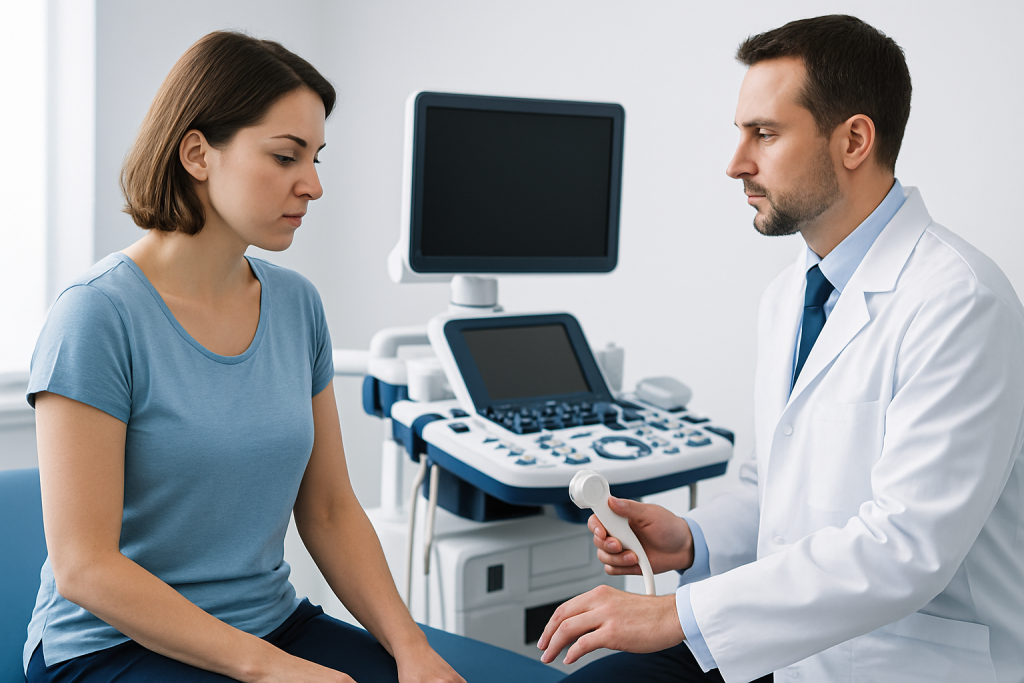
Scapula-related problems do not always feel the same way. Some people notice a sharp pain when they reach overhead or turn the neck, while others describe a dull, tiring ache after sitting at a desk or carrying a bag. The discomfort may stay in one spot or move toward the shoulder, arm, or upper chest.
When the scapula is involved, symptoms can include stiffness, weakness, clicking, grinding, reduced range of motion, or tenderness along the inner edge of the shoulder blade. In some cases, the shoulder blade may appear to “stick out” more than usual, which can be a sign of abnormal muscle control or nerve-related weakness.
Other symptoms depend on the underlying cause. A fracture usually follows trauma and causes marked pain with movement, while inflammation or muscle strain may build gradually. Nerve-related problems can bring numbness, tingling, or burning pain, and pain that is linked to the chest, breathing, or generalized illness should be assessed promptly.
- Pain with reaching, lifting, or turning the head
- Tenderness, swelling, or bruising after an injury
- Weakness or reduced shoulder motion
- Snapping, grinding, or a feeling of instability
- Numbness, tingling, or pain radiating into the arm
Causes & Risk Factors

Many different structures can create pain around the scapula, which is why the same symptom can have very different explanations. A simple muscle strain is common, especially after overuse, poor posture, repetitive lifting, or sudden movement. The muscles that attach to the scapula work continuously to stabilize the shoulder, so they can become irritated over time.
Injury is another major cause. Falls, direct blows, car accidents, and sports trauma may lead to scapular fractures or damage to nearby structures such as the collarbone, ribs, rotator cuff, or the shoulder joint. Less commonly, pain may come from inflammation of the bursa, joint arthritis, or snapping scapula syndrome, a condition in which soft tissues glide abnormally over the bone.
Not all scapular pain starts in the shoulder itself. Problems in the neck, such as cervical disc disease or nerve compression, can send pain to the shoulder blade. Rarely, pain in the scapular area may be referred from the heart, lungs, gallbladder, or digestive system. This is why clinicians look at the whole picture instead of focusing only on the sore spot.
Risk factors may include repetitive overhead activity, manual labor, sports injuries, a sudden change in exercise routine, prolonged desk work with rounded shoulders, previous shoulder surgery, and certain nerve disorders. Older age can increase the chance of degenerative changes, while children and young adults may be more likely to develop injury-related pain or posture-related strain.
Diagnosis
Evaluation usually begins with a careful history and physical examination. A clinician will ask when the pain started, whether there was an injury, which movements make it worse, and whether there are symptoms such as weakness, numbness, fever, or pain in the chest or upper abdomen. These details help narrow the list of possible causes.
During the exam, the clinician may check shoulder range of motion, muscle strength, posture, neck movement, and the position of the scapula while the arms move. Pressing on specific muscles or joints can help identify whether the pain is coming from the soft tissues, the shoulder joint, or another source.
Imaging and other tests are chosen based on the suspected problem. X-rays are often used after trauma or when a fracture or arthritis is possible. MRI or CT scans may be helpful for deeper soft tissue injuries, complex fractures, or unclear cases. If nerve injury is suspected, electrodiagnostic testing may be considered. When symptoms suggest a non-musculoskeletal cause, additional evaluation may be needed.
Treatment Options
Treatment depends on the cause, the severity of symptoms, and whether the problem is new or longstanding. Many muscle-related scapular conditions improve with rest from aggravating activities, gentle movement, and targeted physical therapy. The goal is not simply to reduce pain, but to restore balanced shoulder motion and normal scapular control.
Medications may be used when appropriate to ease pain or inflammation, but they are usually only one part of care. Heat or cold, posture correction, activity modification, and supervised exercise may all play a role. For some people, rehabilitation focuses on strengthening the muscles that support the shoulder blade and improving flexibility in the chest, neck, and upper back.
More specific treatment is needed for fractures, nerve compression, or structural abnormalities. A fracture may require immobilization or, in selected cases, surgery. Persistent snapping scapula syndrome, significant instability, or injuries that do not respond to conservative care may also need specialist assessment. If pain is referred from the neck or another organ, treatment must address that underlying condition rather than the scapula alone.
International patients are often best served by a coordinated plan that includes diagnosis, treatment, and a realistic follow-up strategy before travel home. That planning matters when rehabilitation exercises, imaging review, or repeated clinical checks are likely to be part of recovery.
Prevention & Self-care
Scapular pain is not always preventable, but good movement habits can reduce strain on the shoulder blade area. A balanced warm-up before exercise, gradual increases in training intensity, and correct technique during lifting or overhead work all help protect the shoulder complex. For office workers, small changes in chair height, monitor position, and keyboard setup can lessen postural stress.
Self-care is usually most useful when symptoms are mild and clearly linked to overuse. Short periods of relative rest, gentle stretching, and maintaining regular movement can be more helpful than complete inactivity. People should avoid forcing painful motions, especially after a recent injury, because sharp pain can signal a problem that needs evaluation.
Helpful habits often include:
- Keeping the chest open and shoulders relaxed during sitting and walking
- Breaking up long periods of desk work with standing or stretching
- Building shoulder and upper-back strength gradually
- Using a backpack or bag that distributes weight evenly
- Following a rehabilitation plan consistently, even after pain improves
If care is being planned from another country, it can help to bring previous scans, injury reports, and a list of treatments already tried. Clear records make it easier for the treating team to tailor exercises and follow-up once the patient returns home.
When to See a Doctor
Medical assessment is recommended when scapular pain lasts more than a short time, keeps returning, or interferes with sleep, work, or daily movement. Pain after a fall, sports collision, car accident, or any direct blow to the shoulder blade should also be checked, even if the person can still move the arm.
Prompt evaluation is especially important if the pain is accompanied by numbness, weakness, visible deformity, swelling, fever, shortness of breath, chest discomfort, or pain that seems unrelated to movement. These features can point to a fracture, nerve problem, infection, or a condition outside the musculoskeletal system.
People who are considering treatment abroad should seek a specialist opinion when the cause is uncertain, imaging is complex, or recovery may require coordinated rehabilitation. At Acibadem Health Point, multidisciplinary specialists and JCI-accredited hospitals help international patients diagnose and treat scapula-related conditions in a structured, patient-centered way.
Living With Scapula Pain During Recovery
Recovery is often smoother when the shoulder is given the right balance of rest and movement. Too little movement can lead to stiffness, while too much can keep tissues irritated. A physiotherapist or orthopedic specialist can help set a pace that matches the diagnosis and the patient’s everyday demands.
People often improve by noticing which activities provoke symptoms and adjusting them rather than abandoning all activity. Carrying loads close to the body, avoiding sudden twisting, and using support for longer tasks can reduce strain while healing is underway. Progress is usually gradual, so patience is part of effective care.
Follow-up matters because scapular pain sometimes reflects a broader problem involving the neck, shoulder, or nerves. If symptoms change, worsen, or fail to improve as expected, reassessment can help confirm the diagnosis and update the treatment plan.
Frequently asked questions
What is the scapula and why is it important?
The scapula is the shoulder blade, a flat bone that helps connect the arm to the body. It serves as an anchor for muscles that control shoulder movement and posture, so problems in this area can affect reaching, lifting, and stability.
Is shoulder blade pain always caused by a muscle strain?
No. Muscle strain is common, but scapular pain can also come from fractures, joint irritation, nerve compression, posture-related problems, or referred pain from the neck or chest. A proper evaluation helps identify the true source.
How is a scapula injury diagnosed?
Doctors usually start with a physical exam and a discussion of symptoms and any injury history. X-rays, MRI, CT scans, or nerve tests may be used when needed to clarify the cause.
Can scapular pain improve without surgery?
Yes, many causes improve with conservative treatment such as rest from aggravating activities, physical therapy, posture changes, and pain relief measures. Surgery is generally reserved for fractures, structural problems, or cases that do not respond to non-surgical care.
When should someone seek urgent care for shoulder blade pain?
Urgent evaluation is wise if the pain follows a major injury or comes with chest discomfort, shortness of breath, fever, weakness, or numbness. These symptoms can suggest a problem that needs prompt medical attention.
What can patients do while waiting for an appointment?
They can avoid movements that sharply worsen pain, use gentle motion within comfort, and note which activities trigger symptoms. Bringing prior imaging or medical records can help the specialist review the case more efficiently.
References
- American Academy of Orthopaedic Surgeons
- Mayo Clinic
- Cleveland Clinic
- National Institute of Arthritis and Musculoskeletal and Skin Diseases
- Merck Manual Professional Edition
This article is for general information only and is not a substitute for professional medical advice. Please consult a qualified doctor about your individual situation.