

Scoliosis in Adults: When Bracing Is Not Enough and Surgery Enters the Discussion

Key Takeaways
- Adult scoliosis may be a continuation of a childhood curve or develop later from spinal wear and tear.
- Bracing can sometimes help with comfort or support, but it does not usually correct a fixed adult curve.
- Surgery is considered when pain, nerve symptoms, imbalance, or progression begin to limit daily life.
- Diagnosis often includes a physical exam, standing X-rays, and sometimes MRI or CT scans.
- Treatment plans are individualized and may include medication, physical therapy, injections, or surgery.
- A specialist’s evaluation is important if symptoms are worsening or walking and balance are becoming harder.
Medically reviewed by the Acıbadem clinical team — June 13, 2026
Adult scoliosis can cause pain, stiffness, imbalance, and nerve-related symptoms that may not improve with bracing alone. When symptoms affect daily life or the curve progresses, a spine specialist may discuss surgery alongside non-surgical care.
Overview
Adult scoliosis is a sideways curve of the spine that is present after skeletal maturity. For some people, it is a curve carried forward from adolescence; for others, it develops later in life as the spine ages and the joints, discs, and supporting structures begin to change.
In everyday terms, the spine may start to feel less like a straight column and more like a structure that has gradually lost its balance. Some adults notice only a mild asymmetry. Others develop back pain, fatigue, a leaning posture, or symptoms that travel into the legs. The condition can be quiet for years, then become more noticeable as wear and tear accumulates.
Bracing in adults is different from bracing in growing children. It may offer short-term support or help some people feel steadier, but it usually does not reverse a mature curve. That is why, when symptoms progress or nerve compression appears, surgery may enter the discussion as one part of a broader treatment plan.
Symptoms
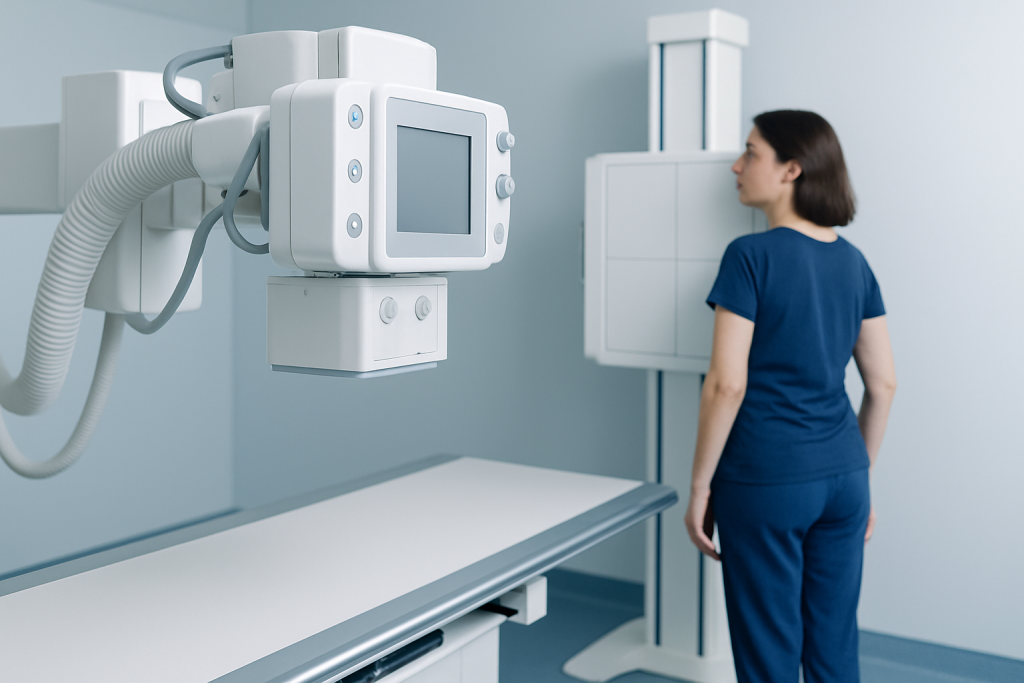
Adult scoliosis does not always announce itself with obvious deformity. Many people first feel a deep, achy back pain or a sense that standing for long periods is becoming harder than it used to be. Clothes may not hang evenly, one shoulder may sit higher, or the trunk may drift slightly to one side.
As the curve affects surrounding muscles and nerves, symptoms can become more specific. Some adults describe stiffness in the lower back, a feeling of fatigue after walking, or pain that worsens by the end of the day. If spinal nerves are compressed, numbness, tingling, weakness, or pain radiating into the buttocks or legs may appear.
Common signs can include:
- Uneven shoulders, waist, or hips
- Back pain that increases with standing or activity
- Muscle fatigue or a sense of imbalance
- Leg pain, numbness, or weakness
- Reduced walking tolerance
- Visible leaning forward or to one side
Symptoms vary widely. A curve seen on imaging is not always the same as the symptoms a person feels, which is why evaluation focuses on both the scan and the person’s daily function.
Causes & Risk Factors
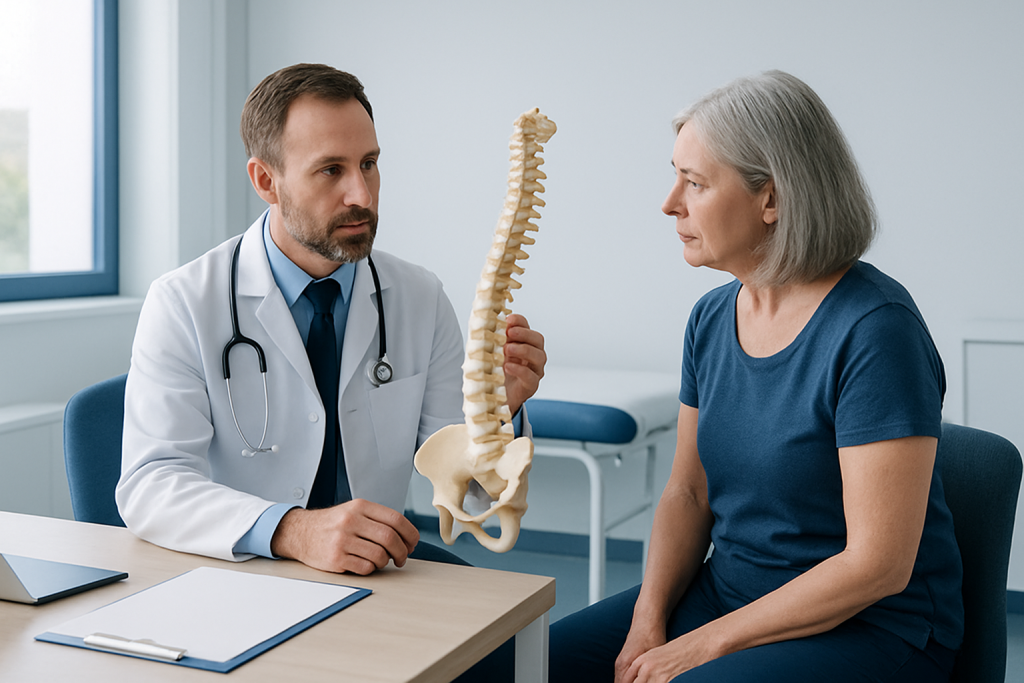
Adult scoliosis generally falls into two broad groups. The first is adult idiopathic scoliosis, where a curve that began in adolescence continues into adulthood. The second is degenerative scoliosis, which develops later as age-related changes affect the discs and facet joints, allowing the spine to gradually shift and rotate.
Degenerative scoliosis is more common in the lower back and is often linked with spinal arthritis, disc degeneration, and narrowing of the spaces through which nerves travel. Over time, the body may compensate, but that compensation can itself create pain, fatigue, or imbalance.
Risk factors and contributing factors may include:
- Previous scoliosis in childhood or adolescence
- Age-related spinal degeneration
- Arthritis of the facet joints
- Disc wear and loss of spinal cushioning
- Osteoporosis or reduced bone strength
- Family history of spinal deformity
Not every adult with a spinal curve will need surgery. The decision depends on curve behavior, symptoms, bone quality, overall health, and whether conservative care is still providing meaningful relief.
Diagnosis
Diagnosis begins with a careful conversation about symptoms, daily limitations, and past spine problems. A doctor will usually examine posture, shoulder and hip alignment, range of motion, gait, and any signs of nerve irritation. This clinical picture matters because an adult may have a curve on X-ray without the curve fully explaining the pain.
Standing spinal X-rays are central to assessment because they show the curve while the person is bearing weight. They help the specialist measure the angle of the curve, assess balance, and compare results over time. If nerve symptoms are present, MRI may be recommended to look at discs, nerves, and areas of narrowing. CT scans are sometimes used for bone detail or surgical planning.
In some cases, bone density testing and additional blood work may be helpful, especially when osteoporosis, inflammation, or other health issues could affect treatment choices. The goal is not just to label the scoliosis, but to understand whether it is stable, progressing, or causing nerve or mechanical problems that justify more active intervention.
Treatment Options
Treatment is tailored to the person, not only to the curve. Many adults begin with non-surgical care such as pain-relieving medications recommended by a doctor, guided exercise, core strengthening, posture work, or physical therapy focused on flexibility and balance. In some cases, spinal injections may help calm irritation from inflamed joints or compressed nerves.
Bracing in adults is usually supportive rather than corrective. It may be used to improve comfort, reduce muscle strain, or provide temporary stability during activity. However, a brace cannot reshape a stiff adult curve in the same way it may help a growing child, so it is not the final answer when symptoms are driven by structural deformity or nerve compression.
Surgery becomes a serious topic when pain remains disabling despite conservative treatment, when the curve continues to progress, when balance is worsening, or when nerves are being pinched. Surgical options vary and may include decompression to relieve pressure on nerves, fusion to stabilize part of the spine, or correction of deformity to improve alignment. The exact approach depends on the curve pattern, flexibility, bone strength, and the person’s overall health.
Because adult scoliosis surgery can be complex, decisions are usually made after a detailed discussion of expected benefits, recovery time, and possible risks. For international patients, that conversation should also include travel planning, rehabilitation needs, and the timing of follow-up care after returning home.
When Bracing Is Not Enough
Bracing may still have a role in adult scoliosis, but it has limits. If a person continues to have significant pain, increasing imbalance, or signs of nerve compression, then a brace is no longer addressing the main problem. In those situations, the spine specialist looks beyond support and asks whether the curve is now affecting function in a way that conservative care cannot manage.
There are several signs that surgery may enter the discussion. These include pain that keeps returning despite treatment, walking that is becoming shorter or more difficult, a posture that is leaning more than before, or numbness and weakness in the legs. A worsening curve on serial X-rays is also important, especially if the change is accompanied by symptoms.
Bracing should be seen as one tool in a larger plan, not as a test that must always be “failed” before surgery. Some adults use a brace to stay active while completing evaluation, while others move directly to a surgical consultation because their symptoms or imaging findings already suggest that structural treatment is needed.
Surgery: What It Aims to Do
The goal of adult scoliosis surgery is usually to relieve pain from nerve compression, restore or improve balance, and stabilize the spine so the curve does not continue to cause problems. In some people, surgery also helps improve standing and walking endurance because the body no longer has to compensate as much for the deformity.
Not every surgery aims for a perfect straight spine, and that is an important expectation to understand. Surgeons often focus on the safest correction that improves function and quality of life while respecting bone health, nerve safety, and the person’s overall medical condition. The operative plan can be quite different for a flexible curve, a rigid curve, or a curve combined with spinal stenosis.
Recovery may include a hospital stay, pain management, walking support, and a structured rehabilitation plan. Fusion takes time to heal, so follow-up imaging and activity guidance are important. For adults traveling from another country, arranging postoperative check-ins and knowing when to seek help before flying home are part of good surgical planning.
Prevention & Self-care
Adult scoliosis cannot always be prevented, especially when it is related to aging or a curve that began earlier in life. Still, self-care can help reduce strain and make symptoms easier to manage. Gentle activity, regular walking, and exercises approved by a clinician can support mobility and core endurance.
Good bone health is also important. Adequate calcium and vitamin D intake, avoiding smoking, limiting excess alcohol, and addressing osteoporosis when present may help protect the spine and support treatment decisions. Weight management can reduce mechanical stress on the back, and ergonomic changes at work or home may make daily tasks easier.
Helpful habits may include:
- Keeping up with prescribed exercises or physical therapy
- Using posture-friendly seating and lifting techniques
- Staying active within comfort limits
- Attending follow-up visits even if symptoms are stable
- Reporting new leg symptoms or balance changes promptly
For patients considering care abroad, it is wise to plan recovery logistics ahead of time: mobility at the hotel, transport to appointments, and access to records once back home all matter as much as the procedure itself.
When to See a Doctor
Medical evaluation is worthwhile if back pain is persistent, if a curve seems to be changing, or if the body is starting to feel less balanced. Adults should also seek assessment when pain is no longer responding to usual measures or when a brace is not providing enough support to remain functional.
Prompt consultation is especially important if there is leg weakness, numbness, walking difficulty, or pain that suggests nerve involvement. These symptoms do not automatically mean surgery is needed, but they do mean the spine should be examined carefully and without delay.
Adults who are exploring treatment in another country may benefit from a multidisciplinary spine team that can review imaging, discuss surgical and non-surgical options, and coordinate rehabilitation before travel. Acibadem Health Point’s multidisciplinary specialists and JCI-accredited hospitals evaluate and treat adult scoliosis for international patients with a coordinated, patient-centered approach.
Because adult scoliosis is highly individual, the most useful next step is a consultation with a qualified orthopedist or spine surgeon who can explain whether observation, bracing, therapy, injections, or surgery is the most appropriate path.
Frequently asked questions
Does adult scoliosis always get worse with age?
Not always. Some curves remain stable for years, while others gradually progress, especially if there is degenerative change in the spine. Regular follow-up helps determine whether the curve is stable or changing.
Can a brace correct scoliosis in adults?
A brace usually cannot correct a fixed adult curve. It may still help with comfort, posture support, or short-term symptom relief, but it is not typically a curative treatment in adults.
How do doctors decide between bracing and surgery?
They look at symptoms, curve progression, nerve involvement, spinal balance, bone quality, and how much daily life is affected. Surgery is usually discussed when non-surgical care is no longer enough to control pain or maintain function.
Is adult scoliosis surgery always a major operation?
The surgery can be extensive in some cases, but the exact procedure depends on the curve and symptoms. Some people need decompression, some need fusion, and others need a more complex correction plan.
What tests are most important before treatment?
Standing X-rays are usually the starting point because they show the curve under body weight. MRI or CT scans may be added if there are nerve symptoms or if surgery is being planned.
Can exercise help adult scoliosis?
Yes, exercise can help maintain strength, flexibility, and balance, even though it does not straighten the curve. A clinician or physical therapist can suggest movements that are safe for the person’s specific spine condition.
References
- American Academy of Orthopaedic Surgeons
- North American Spine Society
- National Institute of Arthritis and Musculoskeletal and Skin Diseases
- Mayo Clinic
- Cleveland Clinic
This article is for general information only and is not a substitute for professional medical advice. Please consult a qualified doctor about your individual situation.
More from the Health Library



Related Specialists
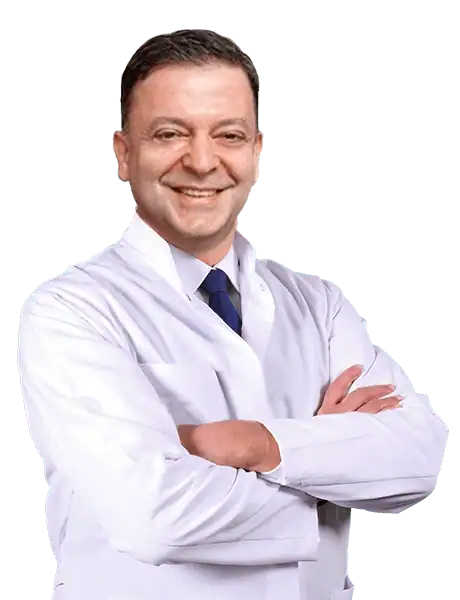
Prof. Dr. Ahmet Alanay
Orthopedic Surgery & Traumatology
Dr. Sinan Aksu
Orthopedic Surgery & Traumatology
Dr. Sirri Baştürk
Orthopedic Surgery & Traumatology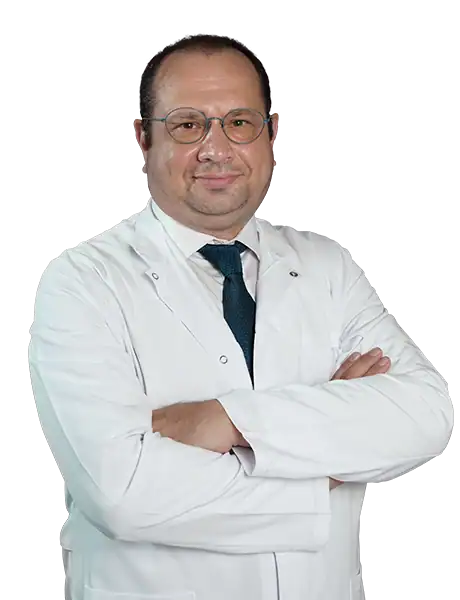
Prof. Dr. Korhan Özkan
Orthopedic Surgery & Traumatology