

Fracture Treatment: Surgery or Splint Healing

Key Takeaways
- Some fractures heal well with immobilization if the bone ends are aligned and stable.
- Surgery is more likely when a fracture is displaced, unstable, open, or involves a joint.
- Doctors also consider age, bone quality, other injuries, and how the fracture may affect daily function.
- Imaging, especially X-rays, helps define the fracture and guide treatment choices.
- Follow-up matters because a fracture that looks manageable at first can shift during healing.
- Pain control, elevation, and careful movement can support recovery, whether treatment is surgical or not.
Medically reviewed by the Acıbadem clinical team — June 13, 2026
When a bone breaks, the next decision is not always surgery. Orthopedic surgeons weigh fracture pattern, alignment, stability, location, and a person’s overall health to choose between a splint, cast, or operation.
Overview
Deciding whether a fracture needs surgery is less about the word “broken” and more about the bone’s position, stability, and the person’s needs. Two fractures that sound similar can be managed very differently: one may do well in a splint, while another may need plates, screws, or a pin to keep the bone in the right place.
Orthopedic surgeons look for signs that the bone can heal naturally if it is held still and protected. They also ask a practical question: will the chosen treatment restore function in a way that is safe for the patient’s life, work, travel plans, and rehabilitation needs? For international patients, that discussion may also include how long follow-up will be needed after returning home.
In simple terms, the goal is to match the fracture with the least invasive treatment that still gives the bone the best chance to heal properly. That balance is what makes fracture care both science and judgment.
Symptoms
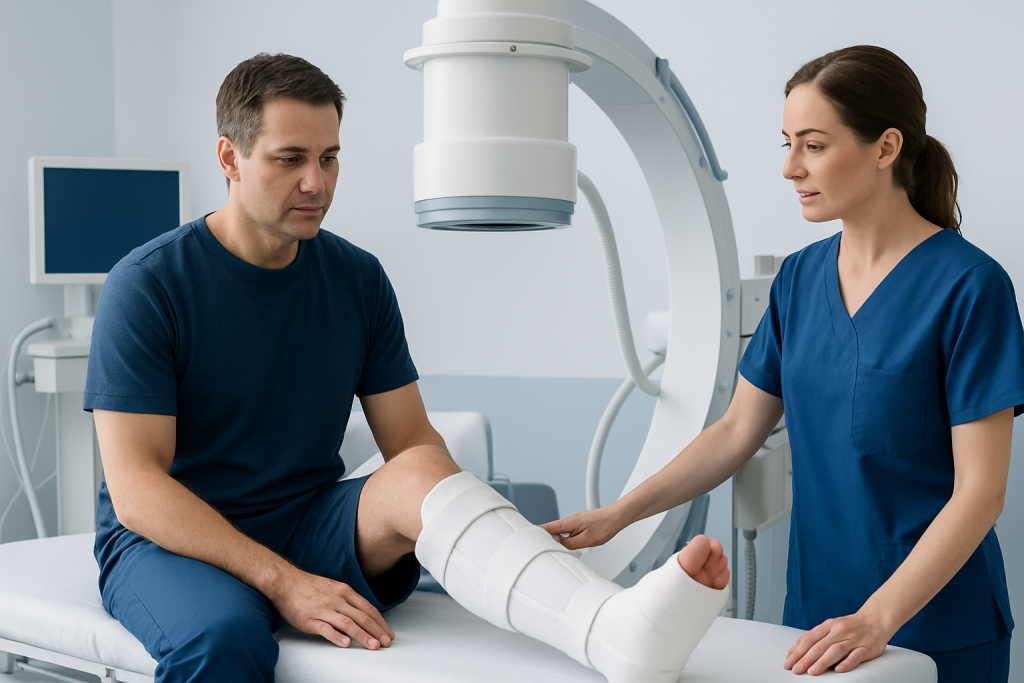
Most fractures cause immediate pain, but the details vary. A person may notice swelling, bruising, tenderness, difficulty using the limb, or a visible deformity if the bone has shifted. Some people can still move the area, which can make the injury seem less serious than it is.
Symptoms often become more obvious in the hours after injury as swelling increases. In some fractures, especially those near a joint, stiffness and pain with motion may be the main clues. Numbness, tingling, pale skin, or increasing tightness are important warning signs because they may suggest pressure on nerves or blood flow problems.
- Pain that worsens with movement or pressure
- Swelling and bruising around the injury
- Deformity, shortening, or abnormal angle of the limb
- Limited ability to bear weight or use the arm/hand
- Numbness, tingling, or coldness in the fingers or toes
Not every fracture looks dramatic. Hairline or stress fractures may cause lingering pain that gets worse with activity and improves with rest, which is why persistent symptoms should not be ignored.
Causes & Risk Factors
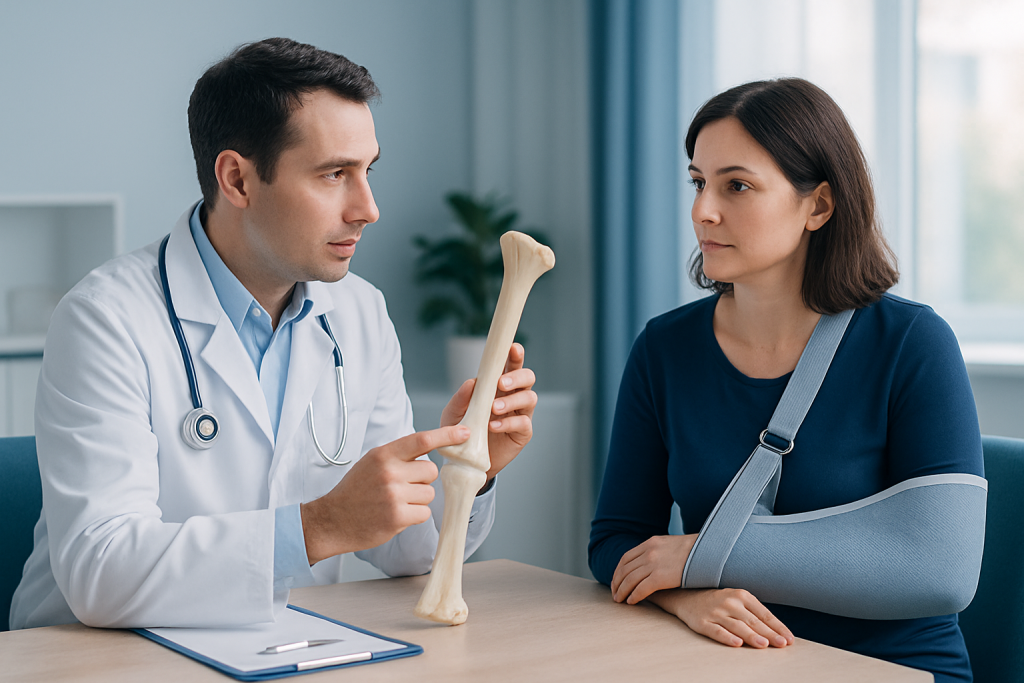
Fractures happen when the force placed on a bone exceeds its strength. A fall, sports collision, car accident, or direct blow can break healthy bone. In other situations, a bone may be weakened first, making a smaller force enough to cause injury.
Whether surgery is needed depends partly on how the fracture happened. High-energy injuries are more likely to produce several fragments, joint involvement, or damage to nearby tissues, all of which can make non-surgical care less reliable. Low-energy fractures may still need surgery if the bone is displaced or unstable.
Several factors can increase fracture risk or complicate healing:
- Osteoporosis or low bone density
- Older age
- Smoking or nicotine use
- Poor nutrition, including low protein or calcium intake
- Diabetes or circulation problems
- Repeat stress on the same bone from sports or work
Doctors also consider the body as a whole. A patient who has multiple injuries, skin damage over the fracture, or conditions that affect healing may need a different plan than someone with an isolated break.
Diagnosis
Diagnosis starts with a careful history and physical examination. The surgeon or emergency clinician wants to know how the injury happened, where pain is located, whether the person can move the limb, and whether there are signs of nerve or blood vessel compromise. The exam also helps determine if the fracture is open, meaning the bone may have broken through the skin.
X-rays are the first and most common test because they show the bone’s position, the number of fracture fragments, and whether the joint surface is involved. In some cases, computed tomography (CT) is used for a more detailed map, especially for complex fractures near joints or in areas like the pelvis, spine, or ankle.
The imaging answers questions that matter for treatment planning: Is the bone lined up well enough to heal on its own? Is it likely to slip inside a splint or cast? Does the fracture cross the joint surface, where even a small step-off may affect movement later?
For patients traveling for care, the diagnosis phase often includes a discussion about timing. Some fractures can be temporarily splinted and rechecked once swelling settles; others need urgent surgery, which may require a shorter window before the best surgical repair is performed.
Treatment Options
The central decision is whether the fracture is stable enough to stay in place while it heals. If the bone ends are aligned, the break is not likely to shift, and the joint is not involved in a way that threatens function, a splint or cast may be enough. This approach relies on immobilization, pain control, and close follow-up imaging.
Surgery becomes more likely when the fracture is displaced, unstable, open, or difficult to hold in a good position without an operation. Surgeons may use plates and screws, rods, pins, or external fixation depending on the bone and the injury pattern. The aim is not simply to “fix” the bone, but to restore length, alignment, and rotation so healing can proceed in a functional position.
Common reasons surgery may be recommended include:
- Bone ends are significantly out of alignment
- The fracture is unstable and likely to move in a splint
- The break extends into a joint
- The fracture is open or associated with infection risk
- There is nerve, blood vessel, or soft tissue injury
- Early mobilization is important for overall recovery
There is also a middle ground. Some fractures are reduced, meaning the bone is gently put back into position without an operation, and then placed in a cast or splint. Even when surgery is not chosen at first, follow-up is essential because swelling decreases and the fracture can settle differently over time.
For patients coming from abroad, treatment planning may include estimating how soon walking, self-care, or air travel will be comfortable and safe. A good plan takes rehabilitation and follow-up access into account, not just the day of the injury.
Prevention & Self-care
Once a fracture has been diagnosed, home care is about protecting the injury while healing is underway. Elevation can help reduce swelling, and ice may be recommended early on if the treating clinician approves it. The splint or cast should be kept dry and intact, and fingers or toes should be checked for color, warmth, and movement if advised.
It is equally important not to test the fracture too soon. Even if pain begins to improve, the bone may still be fragile. Returning to lifting, sports, or long walks before clearance can shift the fracture and change the treatment plan.
Helpful self-care habits include:
- Follow weight-bearing instructions exactly
- Take prescribed or recommended Knee Pain Relief: Causes and Treatment" class="ahp-ilk">pain relief as directed
- Keep follow-up appointments and repeat imaging visits
- Eat enough protein and maintain a balanced diet
- Avoid smoking or nicotine products
- Ask about safe movement and exercises for nearby joints
For people recovering away from home, it helps to plan ahead for transportation, mobility aids, and the timing of any return flight. The safest journey is one that respects the stage of healing and the surgeon’s advice.
When to See a Doctor
Anyone with a suspected fracture should be assessed by a qualified clinician, especially after a fall, sports injury, or accident. Prompt evaluation is particularly important if the limb looks crooked, the pain is severe, or the person cannot use the arm or leg normally.
Emergency care is needed if there is an open wound over the break, numbness or weakness, pale or cold fingers or toes, or pain that seems out of proportion and keeps getting worse. These can be signs that the fracture is affecting surrounding tissues in a way that should not wait.
Even after an initial diagnosis, follow-up should not be skipped. A fracture that seemed suitable for splinting can shift as swelling changes, and fractures near joints may need repeat imaging to confirm that alignment is still acceptable.
Acibadem Health Point’s multidisciplinary specialists and JCI-accredited hospitals diagnose and treat fractures for international patients, with coordination that can support both the procedure and the recovery timeline.
Recovery and Long-Term Healing
Healing is not just about the bone knitting together. It also involves restoring movement, strength, confidence, and day-to-day function. Some fractures heal quietly in a splint, while others need surgery and then structured rehabilitation to regain motion and protect the repair.
The timeline depends on the bone involved, the fracture pattern, age, bone health, and whether there were other injuries. During recovery, the care team may adjust the plan based on pain, exam findings, and repeat X-rays. This is one reason follow-up matters even when the first days seem straightforward.
Long-term success is usually best when patients understand the reason behind each instruction. When people know why they are using a splint, waiting for a repeat film, or limiting weight-bearing, they are more likely to heal safely and return to normal activity with fewer setbacks.
Frequently asked questions
How do surgeons decide if a fracture can heal in a splint?
They look at whether the bone ends are aligned, stable, and unlikely to shift while healing. The fracture’s location, whether a joint is involved, and the patient’s overall health also matter. If the bone can stay in a good position with immobilization, a splint or cast may be enough.
What makes a fracture more likely to need surgery?
Displacement, instability, open wounds, joint involvement, and nerve or blood vessel injury are common reasons. Surgery may also be chosen when a fracture would heal poorly without better alignment or when early movement is important for recovery.
Can a fracture that starts in a splint later need surgery?
Yes, that can happen. Swelling changes as healing begins, and some fractures shift even after initial immobilization. Follow-up X-rays help the doctor decide whether the original plan is still safe.
Is surgery always better than a cast or splint?
Not necessarily. Many fractures heal very well without surgery when they are stable and properly aligned. Surgery has clear benefits in certain cases, but it also adds its own recovery steps, so the decision is individualized.
How long does a fractured bone take to heal?
Healing time varies depending on the bone, the type of fracture, age, and overall health. Some fractures improve in weeks, while others take longer and need rehabilitation afterward. The treating doctor is the best source for a realistic timeline.
What should a patient do while waiting to see an orthopedic surgeon?
The injured area should be protected, elevated if advised, and kept immobilized as instructed. It is important not to put weight on the injury or remove the splint unless a clinician says it is safe. If numbness, severe swelling, or color changes occur, urgent care is needed.
References
- American Academy of Orthopaedic Surgeons
- National Institute of Arthritis and Musculoskeletal and Skin Diseases
- Mayo Clinic
- NHS
This article is for general information only and is not a substitute for professional medical advice. Please consult a qualified doctor about your individual situation.
More from the Health Library



Related Specialists

Prof. Dr. Ahmet Alanay
Orthopedic Surgery & Traumatology
Dr. Sinan Aksu
Orthopedic Surgery & Traumatology
Dr. Sirri Baştürk
Orthopedic Surgery & Traumatology
Prof. Dr. Korhan Özkan
Orthopedic Surgery & Traumatology