

The First 2 Weeks After Hip or Knee Surgery

Key Takeaways
- Early recovery is usually centered on swelling control, pain management, and gentle movement rather than rushing activity.
- Walking with help, doing prescribed exercises, and protecting the surgical site are common priorities in the first two weeks.
- Patients recovering abroad should think ahead about discharge instructions, follow-up plans, and safe travel timing.
- Worsening pain, fever, shortness of breath, calf swelling, or wound changes should be assessed promptly.
- Progress looks different for each person; the surgeon and rehabilitation team guide the pace of recovery.
Medically reviewed by the Acıbadem clinical team — June 13, 2026
The first two weeks after hip or knee surgery are usually focused on pain control, safe movement, wound care, and gradually rebuilding confidence in daily activities. For patients recovering abroad, this period also includes planning follow-up, travel timing, and making sure the home journey does not interrupt healing.
Overview
The first two weeks after hip or knee surgery often feel like a blur of small goals: standing safely, taking a few steps, managing swelling, and learning how to move without stressing the new joint. For many people, this is the stage when the body is healing quickly but still needs close guidance and a calm routine.
When surgery takes place abroad, the same medical milestones matter, but the recovery plan also has a travel dimension. Patients need clear discharge instructions, a realistic plan for the journey home, and a way to continue rehabilitation once they leave the hospital. In other words, the operation may be finished, but the recovery pathway is only beginning.
Whether the procedure was a total hip replacement, total knee replacement, or another joint operation, the early period is usually about protecting the surgical area while encouraging safe movement. That balance helps reduce stiffness, supports circulation, and gives the patient a practical sense of progress.
What the first days usually feel like
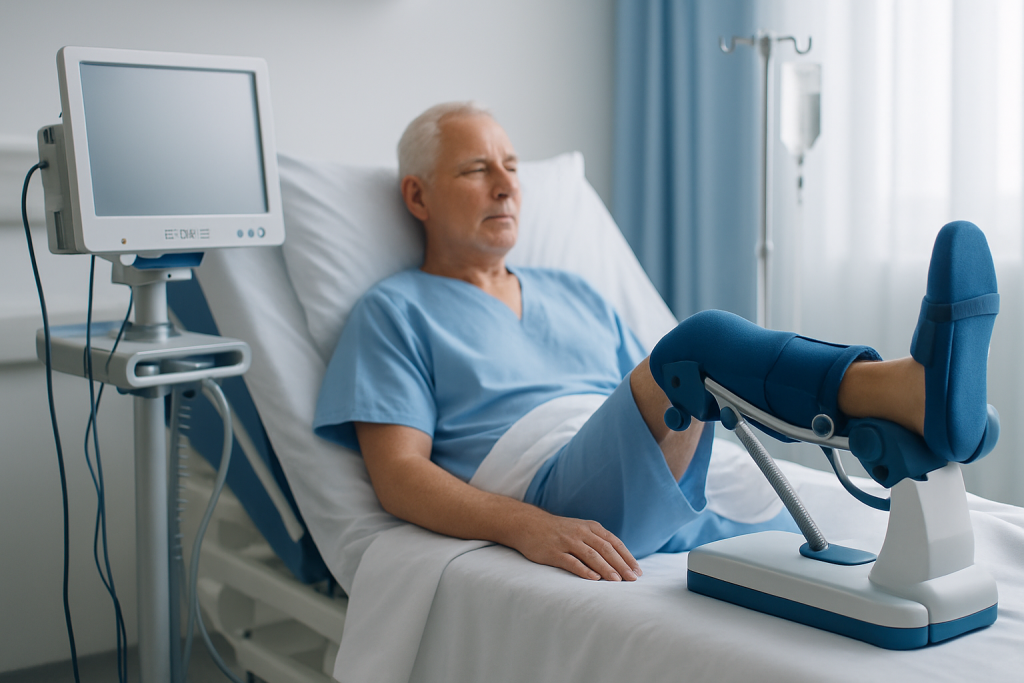
In the earliest days, pain, tiredness, and swelling are common and expected. The operated joint may feel tight, heavy, or weak, and sleep may be interrupted by discomfort or the need to change position. Many patients are surprised by how much energy simple activities can take at first.
Hospital teams usually encourage short, supervised walks and simple exercises soon after surgery when it is medically appropriate. These small movements are not a sign that the joint is already ready for full use; they are a way of helping the body recover circulation, limiting stiffness, and reducing the risk of complications from prolonged immobility.
For patients recovering in another country, the first days can also bring practical questions: when can they shower, what medicines should they take, who should remove stitches or dressings, and how much walking is enough. Good discharge planning answers these questions before the patient leaves the hospital, which can make the transition much smoother.
Common symptoms and milestones during weeks 1 and 2

Recovery does not follow a perfectly straight line, but many patients notice gradual changes during the first two weeks. Pain often becomes more manageable, swelling starts to ease slowly, and the patient may need less help with basic tasks. Around the house or hospital room, walking may move from very short assisted steps to slightly longer, more confident distances.
After hip surgery, patients may be taught to protect the joint with specific movement precautions, depending on the surgical approach and the surgeon’s instructions. After knee surgery, stiffness is often more noticeable, and bending the knee may be challenging at first. In both cases, gentle exercises and repeated practice are usually part of the plan.
Typical early recovery experiences can include:
- Swelling or bruising around the operated area
- Fatigue that is greater than expected
- Temporary appetite changes
- Difficulty sleeping comfortably
- Need for a walker, crutches, or another support device
These experiences are usually temporary. What matters most is whether they are slowly improving and whether the patient is able to follow the rehabilitation plan safely.
Why recovery feels different for each person
No two recoveries look exactly alike. Age, overall health, the type of surgery, pre-surgery mobility, body weight, muscle strength, and whether the procedure was on the hip or knee all influence the pace of healing. A person who was active before surgery may regain independence in different ways than someone who needed help with walking beforehand.
Other factors also shape the first two weeks. People who live with diabetes, anemia, heart disease, smoking-related health issues, or other chronic conditions may need closer monitoring. Patients who have traveled for surgery may face jet lag, unfamiliar food, language barriers, or fatigue from arranging transport and accommodation, all of which can make recovery feel more demanding even when healing is on track.
For this reason, comparisons with friends or online timelines are rarely useful. The recovery plan should be based on the operating surgeon’s advice and the rehabilitation team’s assessment rather than on a generic “normal” schedule.
How surgeons and rehabilitation teams monitor progress
In the first two weeks, medical teams usually look at several practical signs of recovery. These include how well pain is controlled, whether swelling is improving, whether the wound is healing cleanly, and whether the patient can get in and out of bed or a chair safely. They also check how the patient tolerates exercise and whether the walking pattern is becoming steadier.
Depending on the procedure and the facility, follow-up may include wound checks, dressing changes, suture or staple management, and instructions for physical therapy. Some patients need a review before travel home, while others may leave with a scheduled remote follow-up plan and clear guidance for care at their destination.
During this period, the goal is not perfection. It is to make sure healing is heading in the right direction and that the patient has enough support to continue safely after discharge.
Treatment options and day-to-day care in the first 2 weeks
Early treatment after hip or knee surgery usually combines medication, movement, wound care, and rest. Knee Pain Relief: Causes and Treatment" class="ahp-ilk">Pain relief is often tailored to the patient’s needs and medical history, and the team may also recommend measures to reduce swelling and support mobility. The exact plan varies, but it is always individualized.
Physical therapy is a key part of recovery for many patients. Exercises may begin in the hospital and continue at home or in a rehabilitation setting. These movements are usually gentle at first and are designed to restore function step by step, not to force the joint too quickly.
Daily care in this stage often includes:
- Following the prescribed medication plan exactly as explained
- Using walking aids as instructed
- Keeping the incision clean and protected
- Elevating the leg if advised
- Doing the home exercise program consistently
- Keeping follow-up appointments, even if the patient feels “mostly fine”
For international patients, it helps to leave the hospital with written instructions in a language they can understand and a clear contact point for questions after returning home.
Prevention, self-care, and safe travel after surgery abroad
Good self-care in the first two weeks is often about reducing avoidable setbacks. Patients are usually advised to avoid overdoing activity on “good days,” because swelling and pain may increase later if the joint is pushed too hard. Short, frequent movement is usually more helpful than long periods of sitting or standing in one position.
Travel adds another layer of planning. If a patient must fly or take a long journey after surgery, the surgical team should decide when it is medically appropriate and what precautions are needed. Comfort items, easy-to-wear clothing, access to prescribed medicines, and help with luggage can make a meaningful difference. The patient should also know who will assist with mobility and follow-up once home.
Practical self-care often includes:
- Drinking enough fluids unless otherwise directed
- Eating balanced meals to support healing
- Using pillows or positioning advice as recommended by the care team
- Protecting the incision from soaking or contamination
- Keeping a simple daily record of pain, swelling, and mobility
Many international patients find it reassuring to plan the first post-discharge week before leaving the hospital, rather than trying to arrange care after arrival home.
When to see a doctor
Some symptoms after surgery deserve prompt medical attention, even when recovery is otherwise expected to be uncomplicated. A patient should contact the surgical team or seek urgent care if pain suddenly becomes much worse instead of gradually improving, if the wound becomes more red or drains fluid, or if fever develops.
Other warning signs include calf swelling or pain, chest pain, shortness of breath, sudden dizziness, or any change that suggests a blood clot or infection. These symptoms are not common in every patient, but they should never be ignored.
It is also wise to contact a doctor if the patient cannot keep up with the prescribed exercises, cannot safely walk with the recommended support, or has concerns about medication side effects. When recovery is taking place abroad, it is better to ask early than to wait until the patient is already in transit.
Acibadem Health Point’s multidisciplinary specialists and JCI-accredited hospitals can help diagnose and treat hip or knee surgery patients for international visitors, with recovery planning and follow-up guidance designed to be practical and clear.
Looking ahead after the first two weeks
The first two weeks do not represent the whole recovery story, but they do set the tone for what comes next. Patients who move steadily, follow their wound and medication instructions, and keep rehabilitation realistic often enter the next phase with more confidence.
After this early period, the focus usually shifts from basic safety toward stronger walking, better joint motion, and a return to more everyday activities. That next stage still requires patience, but the hardest uncertainty is often behind the patient once the incision is healing well and a routine is in place.
For anyone recovering from hip or knee surgery abroad, a clear plan is part of the treatment itself. The more prepared the patient is for the first two weeks, the easier it is to continue healing once home.
Frequently asked questions
What is the main goal in the first 2 weeks after hip or knee surgery?
The main goals are to control pain, reduce swelling, protect the incision, and begin safe movement. Patients are usually encouraged to walk short distances and do simple exercises as directed by the surgical team. This early stage is about steady healing, not pushing the joint too hard.
Is it normal to feel very tired after joint surgery?
Yes, fatigue is common in the early recovery period. The body is using energy to heal, and sleep may also be disrupted by discomfort or changes in position. Tiredness should gradually improve, but the patient should still rest whenever needed.
How much walking should happen in the first two weeks?
The amount varies by procedure, health status, and surgeon guidance. Most patients begin with short, frequent walks using the recommended support device. The safest approach is to follow the rehabilitation plan rather than trying to reach a specific distance too soon.
Can a patient travel home soon after surgery abroad?
Sometimes yes, but the timing depends on the procedure, the patient’s stability, and the surgeon’s advice. Travel should only happen when the medical team says it is safe, and the patient should leave with clear instructions for medicines, wound care, and follow-up. Long trips may require extra planning for comfort and mobility.
What are the most important warning signs after surgery?
A patient should seek medical advice promptly for fever, increasing redness or drainage from the wound, sudden worsening pain, calf swelling, chest pain, or shortness of breath. These symptoms may need urgent assessment. If there is any doubt, it is safer to contact the care team early.
Do hip and knee recovery timelines look the same?
They overlap in many ways, but the details are not identical. Hip surgery often emphasizes movement precautions and safe walking, while knee surgery may involve more stiffness and work on bending the joint. The surgeon and rehabilitation team tailor the plan to the procedure and the individual patient.
References
- American Academy of Orthopaedic Surgeons
- National Institute for Health and Care Excellence
- Mayo Clinic
- World Health Organization
- Centers for Disease Control and Prevention
This article is for general information only and is not a substitute for professional medical advice. Please consult a qualified doctor about your individual situation.
More from the Health Library



Related Specialists

Prof. Dr. Ahmet Alanay
Orthopedic Surgery & Traumatology
Dr. Sinan Aksu
Orthopedic Surgery & Traumatology
Dr. Sirri Baştürk
Orthopedic Surgery & Traumatology
Prof. Dr. Korhan Özkan
Orthopedic Surgery & Traumatology