Sentinel Node Biopsy vs. Full Axillary Surgery: What Changes the Plan

Key Takeaways
- Sentinel node biopsy checks the first lymph nodes most likely to drain from the breast and helps stage cancer with less surgical disruption.
- Full axillary surgery removes more lymph nodes and is usually considered when there is clearer evidence that cancer has spread to the armpit nodes.
- The choice between procedures depends on tumor size, imaging, biopsy results, and the overall treatment plan, including surgery, medicines, or radiation.
- Potential side effects differ, but swelling, numbness, stiffness, and infection risk can occur after either procedure, especially after more extensive surgery.
- Recovery planning matters, particularly for people traveling from another country who need coordinated follow-up and clear instructions before leaving the hospital.
Medically reviewed by the Acıbadem clinical team — June 13, 2026
In breast cancer care, the lymph node plan is shaped by tumor features, imaging, and whether cancer appears to have reached the armpit lymph nodes. Sentinel node biopsy and full axillary surgery are not interchangeable; each serves a different purpose in staging and treatment.
Overview
When a breast cancer diagnosis is confirmed, one of the earliest planning questions is whether the lymph nodes under the arm need to be sampled or removed. That decision can change the scope of surgery, the length of recovery, and the kind of follow-up a person may need after returning home or continuing care abroad.
Sentinel node biopsy and full axillary surgery both look at the same drainage pathway, but they do so in very different ways. Sentinel node biopsy is designed to find the first few lymph nodes that are most likely to receive drainage from the breast. Full axillary surgery, often called axillary lymph node dissection, removes a larger group of nodes from the armpit area when the care team needs a broader look or a more extensive treatment.
For international patients, this distinction is especially important because the operation is rarely planned in isolation. It is tied to imaging, pathology, possible reconstruction, medication timing, and the practical question of how much care can safely be completed before travel back home. The best plan is the one that matches the cancer’s behavior and the person’s recovery needs, not just the appearance of the breast tumor itself.
What Sentinel Node Biopsy Does
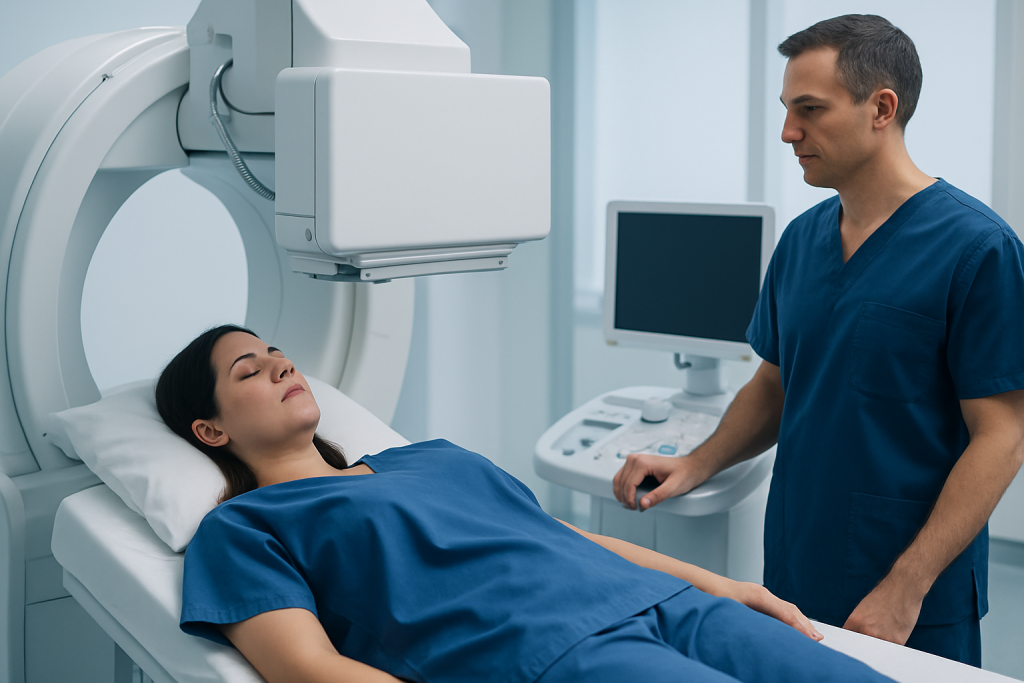
Sentinel node biopsy is a targeted staging procedure. The surgeon identifies one or a small number of lymph nodes that sit on the direct drainage path from the breast tissue, then removes them for testing. If those nodes do not show cancer, the rest of the axillary nodes may be left in place.
This approach matters because it can provide useful staging information while limiting the amount of tissue removed. Many patients prefer that balance, especially when the cancer appears to be small, localized, and not obviously involving the armpit nodes on examination or imaging.
In practical terms, the operation is often part of a larger breast surgery plan, and the pathology results help the oncology team decide whether additional treatment is needed. If the sentinel nodes are clear, the care plan may move forward without a larger axillary operation. If they contain cancer, the team then considers whether more surgery, radiation, or systemic therapy is the better next step.
When Full Axillary Surgery Changes the Plan

Full axillary surgery becomes more likely when there is stronger evidence that cancer has already reached the lymph nodes. That evidence may come from a physical exam, ultrasound, needle biopsy, or findings during earlier treatment. In some cases, the care team may decide that removing a larger number of nodes will give the clearest information and may also help control disease in the region.
This is not simply a more aggressive version of the same test. It is a different operation with a different purpose. Sentinel node biopsy asks, “Has cancer reached the first draining nodes?” Full axillary surgery asks, “How far has it spread in this nodal basin, and does the underarm area need broader treatment?”
The choice can also shift if a person has received chemotherapy before surgery and the team is reassessing response, or if prior testing shows a node that is clearly involved. For some patients, radiation and medication reduce the need for extensive node removal. For others, especially when nodal disease is more established, a full dissection remains the most appropriate surgical path.
Symptoms and Signs That Influence the Decision
Many people do not feel any direct symptoms from lymph node involvement, which is why imaging and biopsy are so important. Still, certain findings can raise concern and make a more extensive axillary procedure more likely.
- A firm or enlarged node in the armpit
- Imaging that suggests abnormal lymph nodes
- A needle biopsy that confirms cancer in a node
- A breast tumor with features that increase the chance of nodal spread
- Prior treatment that requires reassessment of lymph node status
It is also worth remembering that swollen nodes are not always caused by cancer. Infection, inflammation, and recent procedures can change how nodes look or feel. That is why the decision is usually based on the full clinical picture rather than a single symptom or scan finding.
Patients preparing for care abroad often bring a packet of imaging reports, pathology slides, and prior surgery notes. Those details help the surgical team interpret what has already been learned and decide whether a focused biopsy is enough or whether a broader operation is justified.
Causes & Risk Factors
The reason lymph node surgery is considered in breast cancer is straightforward: cancer cells can travel through lymphatic channels before or alongside other forms of spread. The sentinel node is the first checkpoint in that route, so it can offer a window into how the disease is behaving.
Factors that influence the likelihood of nodal involvement include tumor size, tumor grade, hormone receptor and HER2 status, how the tumor looks on imaging, and whether cancer has already been found in a node or elsewhere. Age alone does not decide the plan, and neither does fear of recurrence. The surgeon and oncologist weigh measurable clinical findings rather than assumptions.
Risk factors for needing a full axillary operation are therefore less about personal habits and more about disease characteristics. A patient who is otherwise healthy may still need more extensive surgery if the nodes are clearly involved, while someone with other medical conditions may still be a candidate for sentinel node biopsy if the cancer appears confined.
Diagnosis and Preoperative Planning
Before choosing between sentinel node biopsy and full axillary surgery, the team usually reviews breast imaging, node imaging, and tissue diagnosis from the breast lesion or lymph node. If a suspicious lymph node has already been sampled with a needle and contains cancer, that result can strongly influence the plan.
The preoperative discussion should also cover whether the person is likely to need radiation therapy, chemotherapy, or endocrine therapy afterward. These treatments do not replace surgery in every case, but they can affect how much node surgery is necessary and how the team sequences treatment. In some settings, they also reduce the need for a larger axillary procedure.
For patients traveling internationally, planning includes a few extra layers: language support, timing of pathology results, wound-care instructions, flight readiness, and the follow-up schedule at home. Clear coordination is especially helpful when the final surgical decision may depend on the pathology seen during the operation or shortly afterward.
Treatment Options and Recovery
Sentinel node biopsy is generally less extensive than full axillary surgery, so recovery is often quicker and shoulder movement may be less affected. Even so, patients may still have temporary soreness, numbness, bruising, or a small area of fluid collection where the nodes were removed.
Full axillary surgery removes more tissue and therefore carries a greater chance of longer-lasting swelling, tightness, numbness, and reduced shoulder range of motion. Physical therapy, gentle exercises, and careful wound care can play a major role in recovery after either procedure. Lymphedema awareness is also important, because any surgery involving lymph nodes can increase the risk of arm swelling later on.
Helpful recovery habits often include:
- Following incision care instructions exactly as given
- Starting approved arm and shoulder exercises on schedule
- Watching for redness, fever, or drainage changes
- Avoiding heavy lifting until cleared by the surgeon
- Keeping follow-up appointments, especially if travel is planned
In some cases, the surgical team may also recommend an occupational or physical therapist who understands breast cancer recovery. This can be particularly valuable for international patients, who may have to continue rehabilitation after leaving the treating center.
Prevention, Self-care, and Long-Term Follow-up
There is no way to prevent breast cancer-related lymph node surgery once surgery is needed, but self-care can reduce complications and make recovery smoother. The key is to protect the shoulder, hand, and arm on the operated side while still keeping the limb gently active under medical guidance.
Patients are usually advised to learn the early signs of lymphedema, which can include heaviness, swelling, a tight feeling in clothing or jewelry, or reduced flexibility. It is also sensible to protect the skin on that arm from cuts and burns, since skin injury can be more troublesome when lymphatic drainage has been altered.
Long-term follow-up often includes surgical review, oncology visits, and sometimes rehabilitation support. If additional cancer treatment is planned, the lymph node pathology may guide those next steps. A clear written summary of what was removed, what the pathology showed, and what symptoms should prompt contact with the team can make follow-up much easier after returning to another country.
When to See a Doctor
Anyone who notices a new lump in the breast or armpit should seek medical assessment rather than waiting for it to settle on its own. The same applies to persistent breast changes, unexplained swelling, or a node that feels firm, fixed, or enlarging.
After surgery, medical advice should be sought promptly if there is fever, increasing redness, worsening pain, drainage with a strong odor, sudden arm swelling, or shortness of breath. These symptoms do not always mean something serious, but they do deserve timely review.
Patients should also contact their care team if travel plans change before wounds have healed or if they are unsure how to manage dressings, medicines, or exercises from abroad. A structured handover is one of the best ways to keep recovery on track. At Acibadem Health Point, multidisciplinary specialists and JCI-accredited hospitals help diagnose and treat breast cancer and related lymph node conditions for international patients in a coordinated setting.
Frequently asked questions
What is the main difference between sentinel node biopsy and full axillary surgery?
Sentinel node biopsy removes only the first lymph nodes that drain the breast, while full axillary surgery removes a larger group of nodes from the armpit. The first is mainly a staging procedure, whereas the second is used when the team needs broader node removal for diagnosis or treatment. The choice depends on how likely it is that cancer has reached the lymph nodes.
Does a positive sentinel node always mean full axillary surgery is needed?
Not always. In some situations, the care team may recommend radiation, systemic therapy, or observation instead of immediate full axillary surgery. The decision depends on how many nodes are involved, the type of breast cancer, and the overall treatment plan.
Which procedure has a faster recovery?
Sentinel node biopsy usually has a shorter and easier recovery because fewer nodes are removed. Full axillary surgery can take longer to heal and may lead to more stiffness, numbness, or swelling. Even after a smaller operation, patients still need to watch for changes in the arm or incision area.
What is lymphedema and why does it matter?
Lymphedema is swelling that can happen when lymphatic drainage is affected by surgery or radiation. It may cause heaviness, tightness, or increased arm size on the treated side. Early recognition and follow-up can help manage it more effectively.
Can these surgeries be planned while traveling internationally for treatment?
Yes, but planning needs to be very organized. Patients should leave with clear instructions about wound care, pathology follow-up, exercises, and when to seek help after returning home. Good coordination between the treating team and the local doctor makes the transition smoother.
How does the doctor decide which lymph node operation is best?
The choice is based on tumor size and biology, imaging, biopsy results, and whether nodes already look involved. The team also considers planned radiation or medication and whether the person has already received treatment before surgery. The goal is to match the least extensive operation with the safest cancer control.
References
- National Cancer Institute
- American Cancer Society
- National Comprehensive Cancer Network
- American Society of Clinical Oncology
- World Health Organization
This article is for general information only and is not a substitute for professional medical advice. Please consult a qualified doctor about your individual situation.