What to Bring to a Breast Cancer Surgery Consultation Abroad

Key Takeaways
- Bring a complete set of medical records, imaging, and pathology reports whenever possible.
- Prepare a written list of questions about surgery type, reconstruction, timing, and recovery.
- Share current medications, allergies, previous treatments, and any other health conditions.
- Plan practical travel details, including a companion, comfort items, and copies of important documents.
- Use the consultation to clarify how follow-up care will work once the patient returns home.
A breast cancer surgery consultation abroad works best when the surgical team can review clear medical records, imaging, and pathology details before making recommendations. Careful preparation also helps the patient ask focused questions, understand next steps, and plan for travel, recovery, and follow-up with less stress.
Overview
A breast cancer surgery consultation abroad is not only about deciding where the operation will happen. It is also the point at which the surgical team learns the full story: the diagnosis, the imaging findings, prior treatments, general health, and the patient’s personal priorities. The more complete that picture is, the easier it becomes to discuss options in a calm, practical way.
For many international patients, the biggest challenge is not the appointment itself but the preparation around it. Records may be in different formats, questions may feel overwhelming, and travel can make even simple tasks seem larger. A focused checklist can help the consultation feel more manageable and can reduce the chance that important details are missed.
This article explains what to bring, what to ask, and how to prepare for a breast cancer surgery consultation abroad. It is meant to support informed conversations with a qualified surgeon and oncology team, not replace them.
Why preparation matters before a surgical opinion
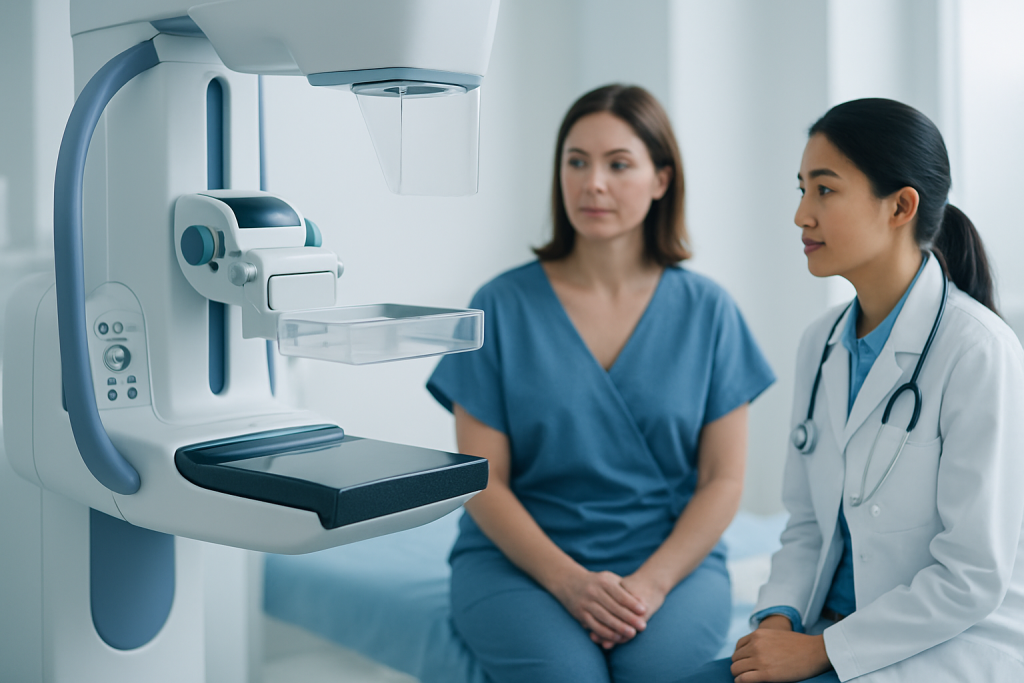
Breast cancer surgery is planned based on several pieces of information, not a single test result. Surgeons usually review the imaging, the biopsy or pathology report, tumor location and size, whether the cancer involves one breast or both, and whether there are signs that other treatments should come first. If key information is missing, the team may need to repeat tests or delay recommendations until records arrive.
Good preparation can also make the consultation more useful emotionally. Patients often feel more in control when they know what will be discussed and have their concerns written down. That can be especially helpful when the appointment is taking place in another country, in a different healthcare system, or with limited time before travel plans change.
There is another practical reason to prepare well: surgery decisions are rarely made in isolation. Questions about reconstruction, lymph node surgery, anesthesia, fertility, future screening, and recovery support may all need to be addressed together. A well-organized consultation helps the team build a plan that fits the patient’s medical situation and daily life.
Medical records to pack or send in advance

The most important items are the documents that explain the diagnosis and show how it was reached. If the consultation is happening abroad, many centers ask for digital copies in advance and also recommend carrying paper copies while traveling. When possible, bring both the originals and scanned versions.
Useful records often include:
- Biopsy and pathology reports, including tumor type, grade, and receptor status if available
- Mammogram, breast ultrasound, MRI, CT, PET, or other imaging reports
- Imaging discs or electronic files, not just written summaries
- Previous clinic notes from the oncologist, surgeon, or breast specialist
- Results of blood tests or other relevant laboratory work
- Records of prior breast surgery, radiation, chemotherapy, or hormone therapy
If the patient has had treatment elsewhere, it helps to include discharge summaries and operative reports. These documents can clarify what has already been done and may affect the next surgical plan. If records are in another language, ask whether translated copies are preferred; some hospitals can work with English records, but advance confirmation is wise.
Questions that are worth writing down before the visit
Patients often leave consultations wishing they had asked one more question. A written list makes it easier to stay focused, especially when the meeting covers complex choices. The best questions are often the ones tied to day-to-day life, not only the medical facts.
Consider asking about the following:
- What surgery is being recommended, and why?
- Is breast-conserving surgery possible, or is mastectomy more appropriate?
- Will lymph nodes need to be sampled or removed?
- Is reconstruction possible now, later, or not recommended in this situation?
- How will surgery affect appearance, sensation, and arm movement?
- What should recovery look like in the first days and weeks?
- When can travel, driving, work, exercise, and lifting resume?
- What follow-up care will be needed after returning home?
It can also be helpful to ask whether the team uses a multidisciplinary approach. Breast cancer treatment often involves surgeons, medical oncologists, radiation oncologists, radiologists, pathologists, nurses, and sometimes plastic surgeons. Knowing who is involved can make the path ahead feel more organized.
Personal health details the surgeon needs to know
Beyond cancer-related reports, the surgical team needs a clear picture of the patient’s overall health. Some conditions can affect anesthesia planning, wound healing, infection risk, or recovery time. Even if a detail seems unrelated, it may still be relevant.
Bring a list of:
- All current medications, including hormones, supplements, and over-the-counter products
- Drug allergies and reactions to anesthesia or contrast agents, if any
- Other medical conditions such as diabetes, heart disease, asthma, or clotting problems
- Past surgeries and any complications with healing or bleeding
- Smoking, vaping, or alcohol use, if applicable
- Any mobility limitations or support needs at home and while traveling
If the patient has a family history of breast, ovarian, or other cancers, that information can also matter. In some cases, genetic counseling or testing may be discussed as part of treatment planning. The goal is not to overwhelm the surgeon with details, but to give enough context for a safe and personalized recommendation.
Practical items that make the consultation smoother
Travel for medical care often works best when the patient brings a small set of practical items that are easy to access during the appointment. These do not replace the medical records, but they help the visit run smoothly and reduce avoidable stress.
Helpful items can include:
- Passport, visa documents, and hospital appointment confirmations
- A phone or tablet with scanned records stored securely
- A notebook or printed question list
- Comfortable clothing that is easy to change in and out of
- A list of emergency contacts, including someone at home
- Insurance information or payment documents, if relevant
It is also wise to bring a companion if possible. Another person can help remember details, take notes, and support practical decisions after the visit. For patients traveling alone, asking in advance whether the hospital provides interpreter support, patient coordination, or nursing assistance can make the experience more manageable.
What to expect during the consultation
The appointment usually begins with a review of the records and a conversation about symptoms, diagnosis, and prior treatment. The surgeon may ask when the lump or abnormal imaging was first noticed, whether there is pain or skin change, and whether any tests have already been completed. If imaging or pathology is incomplete, additional testing may be advised before a final plan is made.
The surgeon may also discuss surgical choices in relation to the tumor and the breast itself. Depending on the case, this may include lumpectomy, mastectomy, lymph node evaluation, immediate reconstruction, or a staged approach. Patients should feel comfortable asking the team to repeat or rephrase anything that is not clear.
For international patients, the consultation often includes a discussion of timing. This may cover how long the patient needs to stay in the country, whether surgery can happen during the same trip, what type of follow-up is required, and which information should be shared with the home doctor. A good consultation ends with a plan that is understandable, realistic, and tailored to the patient’s situation.
After the visit: planning for surgery, travel, and follow-up
Once the consultation ends, the next step is to turn recommendations into a workable plan. That may mean arranging additional tests, confirming surgery dates, organizing a caregiver, or preparing a return trip home after treatment. Patients should ask for written instructions whenever possible, especially if they will be continuing care in another country.
It is useful to clarify which symptoms would require urgent attention after the trip, how wound care will be handled, and which doctor should be contacted for questions. Patients may also want to ask for a copy of the operative plan, pathology report, and follow-up schedule to share with their local physician. This helps continuity of care and reduces confusion later.
Acıbadem Health Point’s multidisciplinary specialists and JCI-accredited hospitals diagnose and treat breast cancer for international patients, with attention to the practical realities of traveling for care and returning home afterward. Even so, the patient’s own local healthcare team remains an important partner in recovery and longer-term follow-up.
When to see a doctor
A consultation should be arranged promptly if a breast lump, nipple discharge, skin change, new breast asymmetry, or abnormal imaging has already raised concern for cancer. It is also appropriate to seek a surgical opinion after a biopsy confirms breast cancer, even if other treatment has not yet started. Early planning can help the patient understand the full range of options before making decisions.
Patients should also contact a doctor before traveling if they notice worsening pain, fever, redness, drainage, shortness of breath, or a sudden change in the breast or underarm area. These symptoms do not always mean something serious, but they should be reviewed without delay. If records are incomplete, the patient should still arrange care; the healthcare team can advise which documents are essential and which can be gathered later.
Anyone considering surgery abroad should confirm that they have a qualified surgeon, reliable records, and a clear follow-up plan before booking travel. A carefully prepared consultation is often the best starting point for safe, coordinated care.
Frequently asked questions
Do patients need to bring original breast cancer records to a consultation abroad?
Original records are useful, but scanned copies sent in advance are often just as important for planning. Patients should ideally travel with both paper copies and digital backups of biopsy reports, imaging summaries, and prior treatment notes. This helps the surgeon review the case quickly and reduces the risk of missing information.
Is it necessary to bring imaging discs, or are reports enough?
Reports help, but imaging discs or electronic files are often more valuable because the surgeon can review the actual images. A written summary cannot always show the details needed for surgical planning. If possible, patients should bring both.
What if the consultation is in a language the patient does not speak well?
Patients should ask in advance whether interpreter support is available. It also helps to bring written questions and a companion who can assist with note-taking if appropriate. Clear communication is essential when discussing surgery options and recovery plans.
Should patients ask about reconstruction during the first consultation?
Yes, if reconstruction is relevant to the patient’s goals and medical situation. The first consultation is a good time to ask whether reconstruction can be done immediately, later, or not at all. The answer may depend on the tumor, planned treatments, and overall health.
What information helps the surgeon decide whether surgery is safe?
The surgeon usually needs a complete diagnosis, current medication list, allergy history, other medical conditions, and details about previous treatments or surgeries. These facts help with anesthesia planning, healing, and complication prevention. If anything is uncertain, the team can suggest which tests are still needed.
How should follow-up be handled after returning home?
Patients should ask for a written follow-up plan before leaving the consultation or hospital. This should include wound checks, pathology review, and the contact details of the treating team. Local doctors can often help with ongoing care once they receive the records.
References
- National Cancer Institute
- American Cancer Society
- World Health Organization
- NHS
- European Society for Medical Oncology
This article is for general information only and is not a substitute for professional medical advice. Please consult a qualified doctor about your individual situation.