How Tumor Size, Location, and Biology Affect Breast Cancer Surgery Options

Key Takeaways
- Tumor size can affect whether enough healthy tissue can be removed while still preserving the breast shape.
- Tumor location matters because tumors near the nipple, chest wall, or in multiple areas may require different surgical planning.
- Biology refers to features such as receptor status and growth patterns, which can influence surgery timing and the need for additional treatments.
- Many people are candidates for breast-conserving surgery, but some need mastectomy or reconstruction based on anatomy and disease features.
- Surgery decisions are usually made by a multidisciplinary team and often depend on imaging, biopsy results, and the patient’s overall health and preferences.
Breast cancer surgery is planned around more than one factor. Tumor size, where it sits in the breast, and how the cancer behaves biologically all shape whether breast-conserving surgery, mastectomy, or another approach is most suitable.
Overview
When someone is told they have breast cancer, one of the first practical questions is often, “What kind of surgery will I need?” The answer is rarely based on a single detail. Surgeons look at the tumor’s size, its exact position in the breast, and its biological features before recommending the most suitable plan.
These factors help determine whether breast-conserving surgery, also called lumpectomy, is realistic or whether mastectomy is a better option. They also influence whether reconstruction can be done at the same time, whether lymph nodes need to be assessed, and whether treatment should begin with chemotherapy or hormone therapy before surgery.
For patients traveling from another country, this planning stage is especially important. Imaging, pathology review, and consultations must be coordinated efficiently so that the surgical plan is clear before travel or early in the treatment journey. A well-organized team can help make those decisions feel more manageable and less rushed.
How Tumor Size Shapes the Surgical Plan
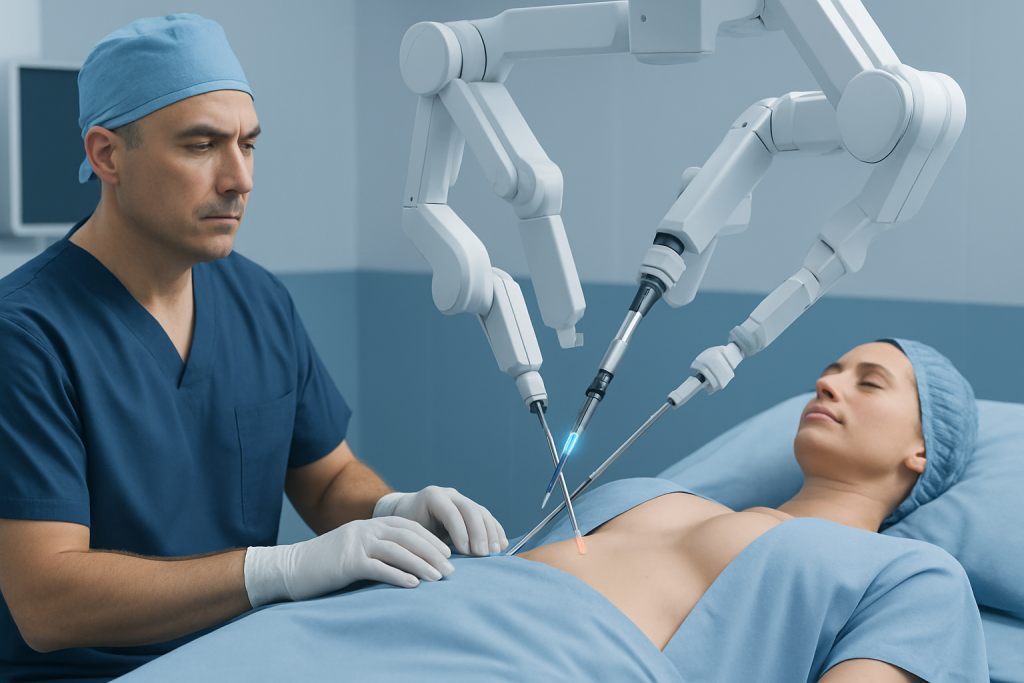
Tumor size is one of the most visible factors in surgery planning, but it is not judged on its own. A small tumor in a challenging area may be harder to remove with a good cosmetic result than a somewhat larger tumor in a more favorable location. The main question is whether the cancer can be removed completely with a rim of healthy tissue while still preserving safety and appearance.
In general, breast-conserving surgery is more likely to be possible when the tumor is relatively small compared with the size of the breast. If the tumor is large, removing it may distort the breast shape or leave too little tissue behind. In some cases, doctors may recommend treatment before surgery, such as chemotherapy or hormone therapy, to shrink the tumor and make breast-conserving surgery more feasible.
Size also matters after surgery. Larger tumors may carry a higher chance of requiring radiotherapy or additional systemic treatment, depending on pathology findings. For patients coming from abroad, this means that the surgical plan may change after scans and biopsy results are reviewed in a multidisciplinary meeting, which is normal and often a sign that the team is tailoring care carefully.
Why Tumor Location Matters
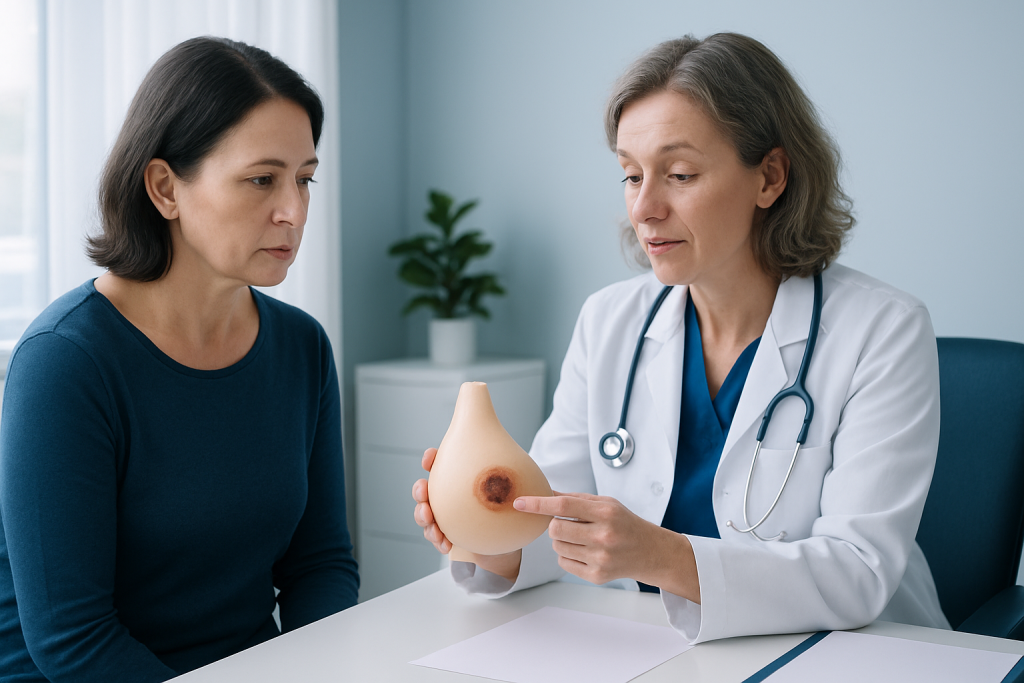
Where a tumor sits in the breast can be just as important as how large it is. A tumor near the nipple, close to the chest wall, or spread across more than one area may make breast-conserving surgery more complex. The surgeon must be able to remove the cancer with clear margins while keeping the breast as functional and natural-looking as possible.
Tumors located centrally or beneath the nipple can sometimes require removal of the nipple-areolar area, depending on the extent of disease. Tumors in the outer parts of the breast may be easier to access, but they still need careful planning to avoid an uneven contour. When imaging shows more than one cancer focus in the same breast, surgery may need to be broader, or mastectomy may be discussed.
Location can also affect reconstruction planning. If a larger portion of tissue must be removed from one side of the breast, the surgeon may suggest techniques that reshape the breast at the same operation. This is one reason patients are often encouraged to discuss both cancer control and appearance early, rather than treating them as separate conversations.
How Biology Influences the Choice of Surgery
Biology refers to the behavior and characteristics of the cancer cells themselves. Biopsy results may show whether the tumor has hormone receptors, HER2 protein, or a more aggressive growth pattern such as triple-negative disease. These findings do not always decide the operation directly, but they can influence when surgery happens and what comes before or after it.
Some biologic subtypes respond very well to medication before surgery. In that setting, doctors may recommend neoadjuvant treatment to shrink the tumor or treat lymph nodes first. If the cancer responds strongly, a patient who initially seemed to need mastectomy may become eligible for breast-conserving surgery. In other cases, biology may suggest that more extensive treatment is safer even if the tumor is not large.
Pathology also helps estimate recurrence risk and guides additional therapy after surgery. That is why surgery is rarely the only step in the treatment plan. It is one part of a coordinated sequence that may include radiotherapy, endocrine therapy, targeted therapy, or chemotherapy depending on the tumor profile.
From Lumpectomy to Mastectomy: Common Surgical Paths
Breast-conserving surgery removes the cancer and a small margin of surrounding tissue, leaving most of the breast in place. It is often followed by radiotherapy to lower the risk of the cancer returning in the breast. This option may suit patients whose tumors are limited in size and location and who can achieve clear margins without major shape changes.
Mastectomy removes the entire breast tissue and may be recommended when the tumor is large, in multiple areas, difficult to define, or when breast conservation would not provide a reliable or cosmetically acceptable result. Some people choose mastectomy for personal reasons even when lumpectomy is possible, and that preference is a valid part of the decision-making process.
Reconstruction can be immediate or delayed, depending on the cancer plan, the patient’s health, and whether radiotherapy is expected. Nipple-sparing or skin-sparing techniques may be options in selected cases, but they depend on the tumor’s position, size, and proximity to the nipple or skin. Patients often benefit from hearing these options from both the breast surgeon and reconstructive team together.
Diagnosis and Pre-surgical Planning
The surgical decision starts with accurate staging. Mammography, breast ultrasound, and breast MRI may be used to map the tumor’s size and location more precisely, especially if the breast tissue is dense or if more than one area is suspicious. A biopsy confirms the diagnosis and provides the biologic information that helps personalize the operation.
Doctors also assess the axillary lymph nodes, usually with ultrasound and sometimes with needle sampling. Depending on the findings, the surgeon may plan a sentinel lymph node biopsy or a more extensive node procedure. This information helps determine the true extent of disease and may influence whether surgery should happen first or after other treatments.
For international patients, pre-surgical planning often includes remote review of prior imaging and pathology, then an in-person consultation to confirm the strategy. This can reduce delays and help ensure that travel time, treatment timing, and recovery plans are all aligned before the operation begins.
Treatment Options, Recovery, and Follow-up
Surgery is usually only one chapter in breast cancer care. After the operation, the pathology report is reviewed to confirm margin status, lymph node findings, and the tumor’s final biological profile. Those results may lead to radiotherapy, hormone treatment, targeted therapy, or chemotherapy, depending on the type and stage of the cancer.
Recovery varies by procedure. Lumpectomy often has a shorter recovery period, though people may still need time for wound healing, fatigue management, and radiotherapy planning. Mastectomy recovery can be longer, especially if reconstruction is performed. Pain control, arm movement exercises, and follow-up visits are important parts of healing, regardless of the operation chosen.
People returning home after treatment abroad should leave with a clear follow-up plan. That usually includes wound care instructions, signs that should prompt contact with a doctor, pathology review timing, and coordination with an oncology team at home if ongoing treatment is needed. In Acibadem Health Point’s JCI-accredited hospitals, multidisciplinary specialists diagnose and treat breast cancer for international patients with this continuity in mind.
Prevention & Self-care
Not every breast cancer can be prevented, but practical self-care can support better readiness for treatment and recovery. Keeping a list of symptoms, prior tests, medicines, allergies, and past surgeries helps the team move quickly and safely. Bringing copies of imaging and pathology reports, ideally translated if needed, can also save time.
After surgery, gentle movement as advised, good nutrition, adequate hydration, and wound monitoring all support healing. Patients should follow instructions about lifting limits, showering, bras or dressings, and any prescribed medications. Emotional care matters too; many people find that a companion, patient navigator, or interpreter helps them absorb information during a busy treatment period.
- Ask which surgery is being recommended and why.
- Confirm whether reconstruction is an option now or later.
- Clarify what treatments may follow surgery.
- Arrange a clear plan for follow-up once home.
When to See a Doctor
A doctor should be consulted promptly if a person notices a new breast lump, skin dimpling, nipple changes, bloody nipple discharge, or a persistent breast shape change. These symptoms do not always mean cancer, but they deserve evaluation without delay. Early assessment can make diagnosis and treatment planning more straightforward.
Anyone already diagnosed with breast cancer should contact their team if there are questions about the proposed surgery, uncertainty about biopsy results, or concerns about how treatment will affect travel and recovery. It is especially important to seek timely advice if swelling, fever, increasing redness, or drainage develops after a procedure.
Many patients feel more comfortable when the plan is explained in stages: what the tumor looks like, why one operation is preferred over another, and what the next steps are after pathology. That kind of step-by-step clarity is often what turns a frightening diagnosis into a manageable treatment pathway.
Frequently asked questions
Can tumor size alone decide whether lumpectomy is possible?
No. Size is important, but surgeons also consider the breast size, the tumor’s location, and how much healthy tissue can be removed while preserving a good result. Some larger tumors can still be treated with breast-conserving surgery after preoperative therapy.
Does tumor location affect cosmetic results after surgery?
Yes. Tumors close to the nipple, skin, or chest wall may require more tissue removal or special reconstruction planning. Surgeons try to balance complete cancer removal with the best possible breast shape.
What does tumor biology mean in breast cancer surgery planning?
Biology refers to features such as hormone receptor status, HER2 status, and how quickly the cells seem to grow. These findings can affect whether treatment starts with surgery or with medication to shrink the cancer first.
Is mastectomy always required for larger tumors?
Not always. Some larger tumors can shrink with medication before surgery, making lumpectomy possible. The final choice depends on imaging, biopsy results, and the expected outcome after surgery.
Will lymph nodes always be removed during breast cancer surgery?
Not necessarily. Many patients have a sentinel lymph node biopsy, which checks the first draining nodes and avoids removing more tissue than needed. The extent of node surgery depends on the cancer stage and test results.
How should an international patient prepare for breast cancer surgery abroad?
They should bring all imaging, biopsy reports, and prior treatment records, and ask for a clear plan about surgery, recovery, and follow-up after returning home. It also helps to know whether further treatment such as radiotherapy or systemic therapy will be needed.
References
- National Cancer Institute
- American Cancer Society
- World Health Organization
- NCCN Clinical Practice Guidelines in Oncology
- Breast Cancer Now
This article is for general information only and is not a substitute for professional medical advice. Please consult a qualified doctor about your individual situation.