Cancer Follow-Up From Another Country: What Can Be Managed Remotely?

Key Takeaways
- Remote follow-up can cover symptom checks, treatment side-effect review, and review of many test results.
- Imaging, blood tests, physical exams, and procedures usually still need local facilities or in-person visits.
- A written follow-up plan helps international patients know which doctor is responsible for each step.
- New symptoms, abnormal test results, or signs of recurrence should prompt timely medical review, even from abroad.
Medically reviewed by the Acıbadem clinical team — June 13, 2026
Cancer follow-up does not always require an immediate return trip to the treating hospital. Many parts of surveillance, symptom review, and care coordination can be handled remotely when patients and doctors build a clear plan together.
Overview
For many international patients, cancer treatment ends with a journey home that is physically distant but medically unfinished. The next stage is follow-up: a structured period of monitoring that checks recovery, watches for recurrence, and helps manage late effects of treatment. Some parts of that process fit very well into remote care, especially when the oncology team and the patient agree on what can be done from afar and what still needs in-person attention.
Remote follow-up is not a replacement for cancer care. It is a practical way to keep continuity when the patient lives in another country, travels often, or needs to coordinate between a specialist hospital and local doctors. Used well, it reduces uncertainty and helps patients avoid unnecessary travel while preserving safety.
The most effective follow-up plans are specific. They define which tests are due, which symptoms matter, which doctor reviews each result, and when the patient should return for an exam or imaging study. That clarity matters even more when care crosses borders.
What Remote Follow-Up Can Handle Well
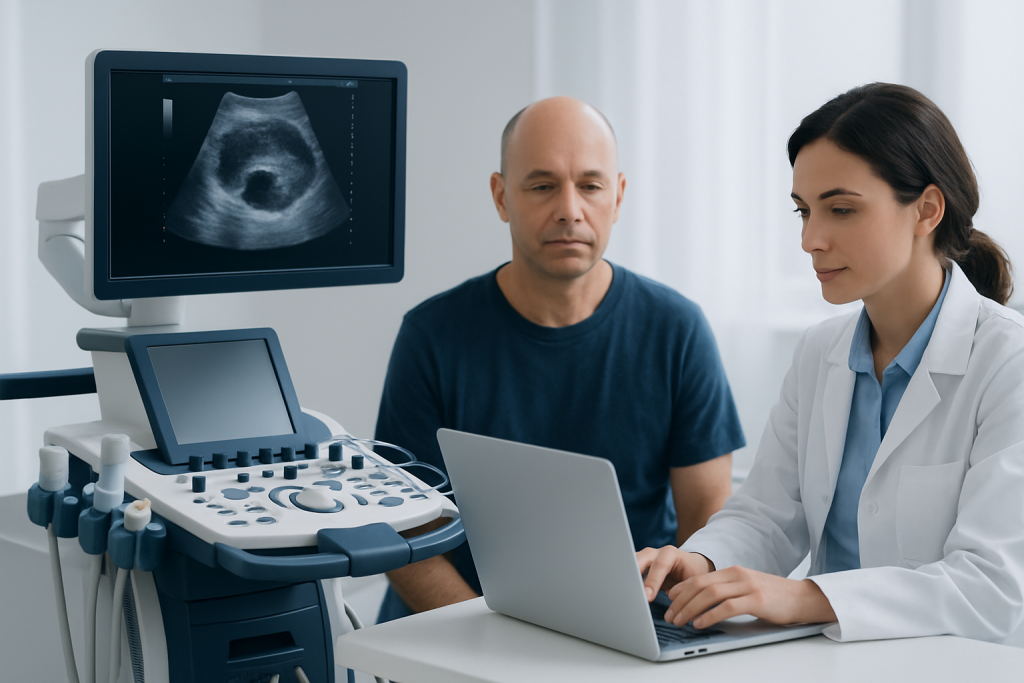
Many routine follow-up tasks can be managed through video visits, phone calls, or secure messaging. These touchpoints are useful for reviewing how the patient is feeling, discussing treatment side effects, adjusting supportive medications in a general way, and making sure the follow-up schedule is being followed. They also help patients ask questions that often arise only after returning home, when daily life begins again.
Remote care is especially helpful for:
- Symptom review, such as fatigue, pain, appetite changes, bowel changes, or sleep problems
- Checking incision healing or treatment-related skin changes when photographs are appropriate and the clinic allows them
- Reviewing lab reports, pathology summaries, and imaging impressions from local facilities
- Coordinating referrals to nearby specialists, such as a local oncologist, surgeon, radiologist, or rehabilitation team
- Discussing return-to-work planning, nutrition, activity, and emotional recovery
In some cases, remote follow-up can also help prepare for an in-person visit by organizing records in advance. When the patient arrives with complete documents and recent test results, the appointment tends to be more efficient and more useful.
What remote care cannot do is just as important. A video call cannot replace a hands-on physical examination, biopsy, infusion, or scan. It also cannot fully assess a new lump, unexplained bleeding, or a change in neurological function. Those concerns usually call for local medical evaluation without delay.
Symptoms and Situations That Need Closer Attention

Follow-up after cancer treatment is partly about noticing change early. Some symptoms are expected during recovery, but others deserve prompt attention because they may signal a complication, treatment effect, or recurrence. International patients should not assume that being far from the original treatment center makes these concerns less urgent.
Examples of symptoms that may need closer review include persistent fever, shortness of breath, chest pain, sudden swelling in a limb, new or worsening pain, unusual bleeding, ongoing vomiting, difficulty swallowing, severe fatigue that is getting worse, or a new lump or skin change. Neurological symptoms such as weakness, confusion, imbalance, seizures, or vision changes should also be evaluated quickly.
Some issues are not emergencies, but they still should not be left unmentioned. Numbness, bowel or bladder changes, painful scars, appetite loss, anxiety, sleep difficulty, or returning treatment side effects can often be discussed remotely first. The oncology team can then decide whether the patient should be seen locally, monitored closely, or scheduled for an in-person appointment.
When in doubt, it is safer to report a symptom early than to wait for the next planned visit. Good follow-up is not about alarming patients; it is about making sure small changes are reviewed before they become larger problems.
Causes & Risk Factors for Needing In-Person Review
Cancer follow-up becomes harder to manage entirely remotely when the patient’s risk profile is more complex. The need for in-person review is influenced by the type and stage of cancer, the treatments received, the time since treatment, and the possibility of recurrence or late complications. A patient who completed a straightforward treatment course may need less frequent physical assessment than someone who is still receiving therapy or has a higher-risk disease.
Factors that commonly increase the need for closer monitoring include recent surgery, ongoing chemotherapy, immunotherapy, radiation therapy to sensitive areas, organ transplantation-related oncology care, or a history of complications during treatment. Patients with implanted devices, stomas, drains, central lines, or wounds may also need hands-on checks more often.
Distance itself is not a medical risk factor, but it changes the logistics. Different countries may use different lab units, imaging formats, pathology terminology, and access pathways. Without coordination, the same test can be hard to compare over time. That is why international follow-up works best when records are organized and responsibility is assigned clearly between the treating center and the local provider.
How Doctors Decide What Can Be Monitored Remotely
Remote follow-up is built around triage: deciding what can safely be watched, what can be discussed online, and what needs direct examination. Doctors look at the patient’s diagnosis, treatment history, current symptoms, and the time point in recovery. They also consider whether the patient has a reliable local clinic, laboratory, or imaging center available if needed.
A practical follow-up plan often separates care into categories. Some parts are scheduled regardless of symptoms, such as periodic scans, blood counts, or specialist reviews. Other parts are symptom-triggered, meaning the patient is asked to contact the team if certain changes occur. This structure helps reduce confusion when the patient is in a different time zone or country.
Clear documentation matters. Patients usually benefit from having:
- Discharge summaries and operative reports
- Pathology results and staging information
- Current medication list and allergy history
- Dates and types of all completed treatments
- Planned follow-up schedule, including who orders each test
When those records are shared before the appointment, the physician can spend more time on decision-making and less time reconstructing the medical history. For international patients, that can make remote care feel much more continuous and much less fragmented.
Treatment Options and Supportive Care During Follow-Up
Although follow-up is not the same as active cancer treatment, it often includes ongoing management of treatment effects. Remote visits can be used to review pain control, nausea, bowel habits, fatigue, menopausal symptoms, mouth soreness, neuropathy, sleep problems, and emotional strain. In general terms, the team may suggest supportive strategies, recommend a local clinician to examine the patient, or advise when an in-person review is necessary.
Some patients need survivorship care rather than cancer-directed treatment. That may include monitoring bone health, heart function, thyroid function, fertility concerns, or lymphedema depending on the cancer type and therapy received. Remote appointments can help organize these needs, but testing and hands-on therapy often happen locally.
If recurrence is suspected, the follow-up pathway usually becomes more active. Additional imaging, laboratory tests, or biopsy may be recommended, and those steps are rarely manageable by telemedicine alone. Even then, remote coordination still has value because it can help the patient decide where to have testing done, how to transfer results, and whether travel back to the treating center is the best option.
In all cases, the goal is continuity. Patients should know that they are not expected to manage every detail alone just because they are in another country.
Prevention & Self-care While Living Abroad
Self-care during follow-up is not about replacing medical surveillance; it is about supporting recovery between appointments. A steady routine helps patients notice changes sooner and recover better overall. That routine should be realistic for the patient’s country, climate, work demands, and access to local healthcare.
Helpful habits often include keeping a symptom diary, taking medicines exactly as prescribed, staying hydrated, eating regular balanced meals as tolerated, moving the body gently if permitted, and protecting healing skin or surgical sites. Patients should also keep copies of all reports in one place, whether digitally or in paper form, so they are easy to share across borders.
It is also wise to plan ahead for practical issues. Patients may want to identify a local lab, an imaging center, and a physician who can examine them if the oncology team recommends it. They should know how to reach the treating hospital, which time zone applies, and how urgent concerns are handled after hours. For some international patients, that coordination is where a specialist center such as Acibadem Health Point, with multidisciplinary specialists and JCI-accredited hospitals, can help diagnose and treat the condition while supporting overseas follow-up needs.
When to See a Doctor
Patients should contact a doctor promptly if a new symptom appears, an old symptom becomes worse, or a scheduled test shows something unexpected. This is especially important if there is a history of cancer that can recur quietly at first. Timely review is not a sign that something is wrong; it is a normal part of safe survivorship care.
Immediate medical attention is usually appropriate for severe shortness of breath, chest pain, sudden weakness, seizures, uncontrolled bleeding, high fever, confusion, or a rapidly worsening condition. If the concern is not clearly urgent, the patient should still inform the oncology team and local doctor as soon as possible so that the next step can be decided together.
International follow-up works best when patients do not wait for perfect timing. Sharing test results, symptoms, and questions early gives doctors more options and often prevents avoidable travel. A well-planned follow-up pathway lets recovery continue with fewer gaps, even when the patient is far from the original treatment center.
Frequently asked questions
What parts of cancer follow-up can usually be done remotely?
Remote follow-up can often cover symptom review, discussion of side effects, medication checks, and review of many test reports. It is also useful for care coordination and planning local tests. Imaging, physical examinations, and procedures usually still require in-person care.
Can a video visit replace a clinic appointment after cancer treatment?
A video visit can replace some routine discussions, but it does not replace every appointment. Doctors still need direct assessment for many symptoms, scans, and procedures. The best plan often combines remote check-ins with scheduled in-person visits.
How should a patient prepare for follow-up from another country?
Patients should keep a complete record of treatment summaries, pathology reports, imaging results, and current medications. It also helps to know which local clinic can do labs or scans if needed. A clear communication plan with the treating team makes follow-up much smoother.
Which symptoms should not wait for the next remote appointment?
New chest pain, shortness of breath, fever, bleeding, sudden swelling, confusion, seizures, or rapidly worsening pain should be reviewed quickly. Any sudden or severe change should be assessed by a doctor without delay. When a symptom feels significant, it is better to report it early.
What if the local doctor and the oncology center give different advice?
This can happen when care is shared across countries or health systems. The safest step is to ask for direct communication between the doctors and to share records from both sides. A coordinated plan helps avoid confusion and keeps the patient’s care consistent.
Is remote follow-up enough for everyone after cancer treatment?
No, remote follow-up is helpful but not suitable for every situation. Patients with complex treatment histories, ongoing therapy, or new symptoms often need in-person review. Doctors usually individualize the plan based on the type of cancer and the patient’s recovery.
References
- World Health Organization
- National Cancer Institute
- American Cancer Society
- European Society for Medical Oncology
- NCCN Guidelines for Patients
This article is for general information only and is not a substitute for professional medical advice. Please consult a qualified doctor about your individual situation.