When Does Cancer Pain Need Urgent Review Before Treatment Planning?

Key Takeaways
- New, worsening, or changing cancer pain should be assessed promptly, especially before treatment starts.
- Pain with weakness, numbness, fever, confusion, breathing problems, or loss of bladder or bowel control needs urgent medical attention.
- Cancer pain may come from the tumor, bones, nerves, organs, treatment side effects, or another unrelated condition.
- Doctors use the pain pattern, examination, and targeted tests to decide whether the pain is an emergency or can be managed routinely.
- A treatment plan may include medicines, radiotherapy, procedures, and supportive care tailored to the person’s cancer and overall health.
Medically reviewed by the Acıbadem clinical team — June 13, 2026
Cancer pain can be managed, but some patterns need prompt medical review before a treatment plan is finalized. A careful assessment helps doctors identify the cause, relieve symptoms safely, and avoid delays in important cancer care.
Overview
Not every pain symptom in cancer means an emergency, but it should never be brushed aside as something to simply “wait out.” Before treatment planning begins, doctors look closely at pain because it may reveal where the cancer is active, whether an organ is under pressure, or whether a separate problem is adding to the burden.
For international patients, this first pain assessment can shape the whole journey. If travel, treatment timing, and follow-up are being arranged across countries, it is especially important to know whether pain can safely wait for a scheduled consultation or needs a same-day review.
Urgent review is not about alarm; it is about protecting comfort, function, and safety. The faster the cause is understood, the sooner the care team can choose the right combination of symptom relief and cancer treatment.
Symptoms That Should Be Reviewed Quickly
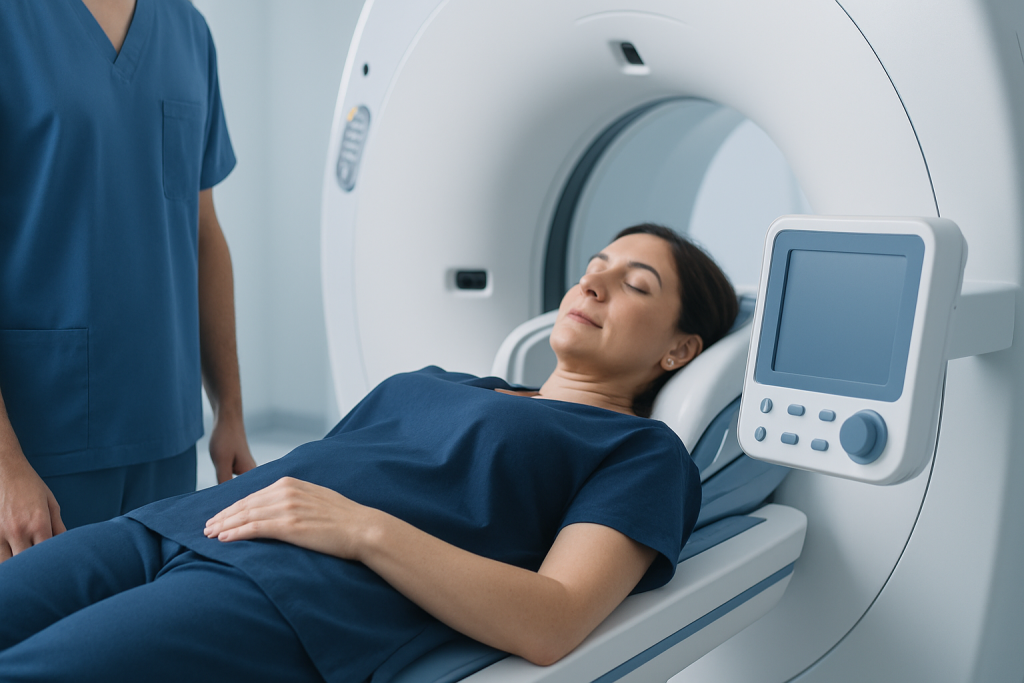
Some pain patterns deserve prompt attention because they may point to pressure on nerves, the spinal cord, bones, or internal organs. Pain that is new, rapidly worsening, severe, or different from the person’s usual discomfort should be discussed without delay.
Examples of warning signs include pain with weakness in the arms or legs, numbness or tingling, trouble walking, sudden back pain, chest pain, abdominal swelling, shortness of breath, fever, or confusion. Pain that wakes a person from sleep, is not relieved by usual measures, or is associated with vomiting, dehydration, or inability to eat and drink also needs review.
- Sudden back pain with leg weakness or bladder/bowel changes
- Bone pain after a minor fall or without injury
- Headache with vomiting, vision changes, or drowsiness
- Severe abdominal pain or jaundice
- Pain with fever, chills, or a general feeling of being unwell
If the person is already known to have cancer and the pain pattern changes quickly, the care team usually prefers to reassess rather than assume it is the same issue as before.
Why Cancer Pain Happens

Cancer pain can have many sources, and understanding the source is the key to choosing the right treatment. The tumor itself may press on tissues, irritate nerves, stretch the capsule of an organ, or weaken a bone. In some cases, pain comes from swelling, inflammation, or blockage caused by the cancer.
Treatment-related pain is also possible. Surgery, chemotherapy, radiotherapy, hormone therapy, and targeted therapy can all lead to side effects that feel painful, such as mouth sores, nerve pain, muscle aches, skin irritation, or joint discomfort. Pain can also come from something unrelated to the cancer, such as arthritis, infection, gallstones, or a herniated disc, which is why a proper medical review matters.
Certain risk factors make urgent review more likely. These include known bone metastases, cancers near the spine or brain, reduced immunity, recent procedures, dehydration, and a history of blood clots or infection.
How Doctors Assess It Before Treatment Planning
The first step is a focused conversation about what the pain feels like, where it is, when it started, how quickly it changed, and what makes it better or worse. Doctors also ask about accompanying symptoms, since pain rarely tells the whole story on its own.
A physical examination helps identify tenderness, swelling, weakness, neurological changes, breathing issues, abdominal problems, or signs of infection. Depending on the situation, the team may request blood tests, X-rays, CT, MRI, ultrasound, bone scans, or other imaging to understand whether the pain is linked to the cancer, a treatment effect, or another condition.
For patients traveling for care, sharing prior reports, medication lists, pathology results, and recent imaging can make this assessment more efficient. Clear records help specialists decide whether treatment can proceed as planned or whether pain control and urgent evaluation need to happen first.
Treatment Options
Management depends on the cause and severity of the pain. Doctors may use a combination of pain-relief medicines, treatment directed at the cancer, and supportive measures that reduce pressure, inflammation, or nerve irritation. The plan is usually individualized rather than based on a single standard approach.
If pain is caused by a tumor pressing on a nerve or spinal structure, options may include radiotherapy, surgery, corticosteroids, or other specialist measures. Bone pain may improve with cancer-directed treatment, bone-strengthening therapy, or procedures that stabilize a weak area. Nerve pain may require medicines chosen specifically for neuropathic symptoms rather than ordinary painkillers alone.
In some situations, pain management is needed urgently before a full cancer plan can be finalized. That may include hospital observation, infection treatment, fluid support, drainage of blocked areas, or rapid consultation with oncology, neurology, orthopedics, pain medicine, or palliative care specialists.
Prevention & Self-care
There is no simple way to prevent all cancer pain, but early reporting makes a major difference. Patients are usually encouraged to keep a brief record of where the pain is, how intense it feels, whether it changes with movement or eating, and what medicines or positions help.
General self-care may include resting in a comfortable position, using heat or cold only if the care team says it is appropriate, staying hydrated, eating small frequent meals if nausea is present, and taking prescribed medicines exactly as instructed. It is also wise not to add over-the-counter medicines, supplements, or herbal remedies without checking first, because some can interact with cancer treatment or increase bleeding risk.
When treatment is being planned across borders, it helps to ask for a written pain plan, including whom to contact if symptoms change after returning home. This makes follow-up safer and reduces confusion about what should be handled locally versus reviewed by the oncology team.
When to Seek Urgent Medical Help
Urgent review is needed if pain is severe or rapidly worsening, especially when it is paired with weakness, numbness, difficulty walking, breathing problems, chest pain, confusion, fainting, fever, bleeding, or new swelling. Pain with loss of bladder or bowel control, new severe back pain, or a suspected fracture should be treated as time-sensitive.
Medical help should also be sought quickly if the person cannot keep fluids down, becomes unusually sleepy, develops a new severe headache, or has pain after a recent procedure or chemotherapy cycle that feels out of proportion to expected recovery. These symptoms do not always mean a serious complication, but they do need prompt assessment.
When in doubt, it is safer to contact the oncology team, urgent care line, or local emergency services rather than wait for the next scheduled visit. A quick review can prevent avoidable complications and help treatment planning move forward more safely.
Acibadem Health Point’s multidisciplinary specialists and JCI-accredited hospitals diagnose and treat cancer pain for international patients, coordinating evaluation and follow-up across the care pathway when needed.
Living With the Next Steps of Care
A cancer diagnosis can make pain feel emotionally heavier, especially when the person is trying to decide where to receive treatment or whether to travel for care. A clear explanation of the pain cause can reduce uncertainty and help families make decisions with greater confidence.
Some pain improves quickly once the underlying problem is treated; other pain needs repeated adjustments over time. That is normal. The goal is not only to reduce discomfort, but also to protect mobility, sleep, nutrition, and the ability to continue cancer treatment safely.
Patients should feel comfortable asking how the pain plan will be monitored after they leave the hospital, what symptoms require immediate contact, and which local doctors can help with routine follow-up. Coordinated care makes it easier to move between treatment centers without losing momentum.
Frequently asked questions
Is all cancer pain an emergency?
No. Some cancer pain can be expected and managed in a planned way, especially when the cause is already known. However, new, severe, or changing pain should be reviewed promptly so doctors can rule out urgent problems.
What makes cancer pain urgent before treatment starts?
Pain becomes more urgent when it comes with weakness, numbness, breathing problems, fever, confusion, or bowel and bladder changes. Rapid worsening, bone pain after minor injury, or pain that is very different from the usual pattern also needs fast assessment.
Can pain be the first sign that cancer is spreading?
Sometimes pain is related to the cancer itself, including spread to bone, nerve areas, or internal organs. That is one reason doctors take new pain seriously during treatment planning and often use imaging or other tests to check the cause.
Should a patient wait for a planned oncology appointment if the pain is getting worse?
If the pain is clearly worsening, waiting may not be the best choice. The person should contact the oncology team or seek urgent care, especially if there are any warning signs such as weakness, fever, or shortness of breath.
What information helps doctors assess cancer pain faster?
A list of current medicines, recent scans, pathology reports, and a short description of how the pain started can be very helpful. It also helps to note what the pain feels like, where it is, and what symptoms appear with it.
Can cancer pain be treated while the treatment plan is still being decided?
Yes. Pain relief is often started right away while the team investigates the cause and finalizes the cancer plan. The safest approach is usually to treat both the symptom and the underlying condition together.
References
- World Health Organization
- National Cancer Institute
- American Cancer Society
- Cancer Research UK
- NHS
This article is for general information only and is not a substitute for professional medical advice. Please consult a qualified doctor about your individual situation.