Breast Cancer Surgery Recovery Week by Week: What Changes After You Leave the Hospital

Key Takeaways
- Recovery depends on the type of surgery, overall health, and whether lymph nodes were removed.
- Pain and tightness usually improve gradually, but fatigue can last longer than many patients expect.
- Drain care, wound care, gentle movement, and follow-up visits are important parts of healing.
- Arm swelling, fever, increasing redness, or worsening pain should be discussed with a doctor promptly.
- Emotional recovery is part of the process, and support can make the transition home easier.
Recovery after breast cancer surgery often feels uneven at first, with each week bringing small but meaningful changes in pain, mobility, energy, and confidence. Knowing what is typical can help patients prepare for healing at home, whether they are recovering locally or returning to another country for follow-up care.
Overview
Leaving the hospital after breast cancer surgery is often the moment when recovery becomes very real. The operating room is behind the patient, but the next phase brings its own questions: How much soreness is normal? When can everyday tasks resume? What if the body feels different from one day to the next?
Breast cancer surgery recovery week by week rarely follows a perfectly straight line. Some patients notice steady improvement, while others feel better in one area and more limited in another. The exact pace depends on the procedure, such as lumpectomy, mastectomy, sentinel lymph node biopsy, or axillary node surgery, as well as reconstruction, age, fitness level, and other medical conditions.
For international patients, the days after discharge can be especially important because care continues across distances. Clear instructions, a realistic recovery plan, and a plan for follow-up help patients heal more confidently whether they are staying nearby or traveling home soon after surgery.
What recovery may feel like in the first week
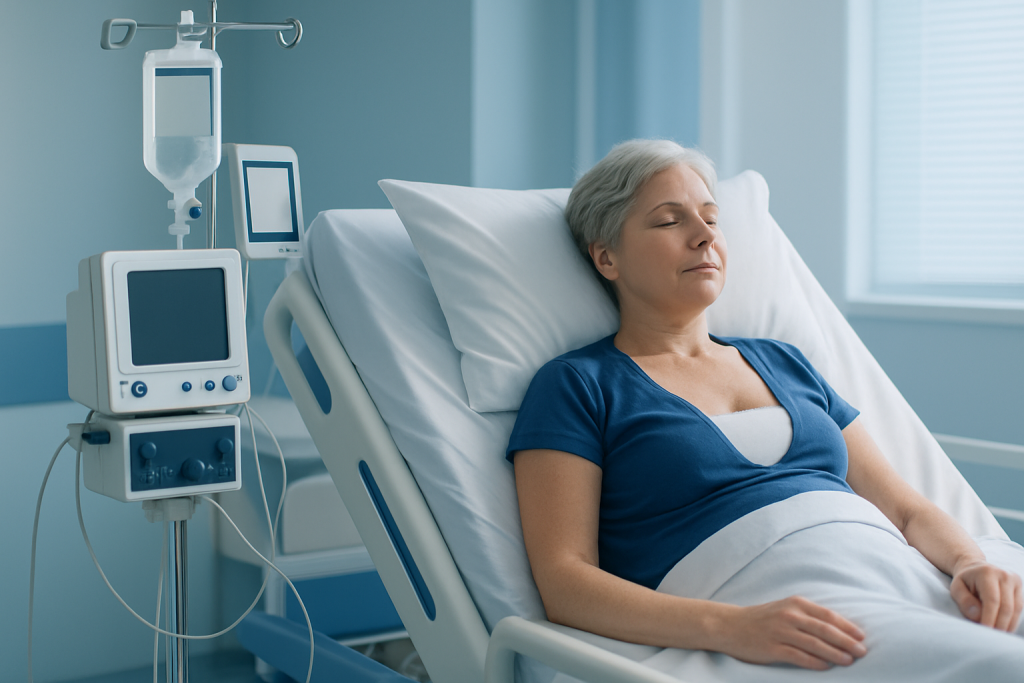
The first week is usually the most physically noticeable. Common experiences include soreness at the incision site, chest or underarm tightness, bruising, swelling, and a pulling sensation when moving the arm. If drains were placed, managing them can become a new daily routine, and many patients need help with bathing, dressing, or carrying items.
Fatigue is also common in this early stage. Even simple activities may feel tiring because the body is using energy to heal. Short walks around the home are often encouraged, but rest remains important. Patients are usually advised to avoid heavy lifting, sudden arm movements, and anything that stretches the wound area before the surgical team approves it.
Some emotional ups and downs are also normal. The patient may feel relieved that surgery is over and, at the same time, uncertain about the diagnosis, the next treatment step, or changes in body image. These reactions do not mean recovery is going wrong; they are part of adjusting to a major health event.
How the second and third weeks often change things

By the second week, many patients notice that pain is easing and movement is becoming less guarded. The incision may still feel tight or tender, especially when reaching, getting dressed, or rising from bed. Bruising often begins to fade, and some swelling starts to settle, although the area can still feel firm or oddly sensitive.
This is often the time when drain removal, if needed, may occur according to the surgeon’s plan. Once drains are removed, daily care may feel simpler, but the patient may still need to protect the area from pulling or pressure. If lymph nodes were removed, the care team may begin to discuss arm exercises, posture, and how to reduce the risk of stiffness.
By the third week, many patients can do more around the house, but they should still pace themselves. Recovery can be misleading: a person may have one active day and then feel much more tired the next. Gentle, steady activity usually helps more than pushing through discomfort.
What often happens in weeks four to six
Weeks four to six are often a turning point. Many patients feel more mobile, sleep more comfortably, and need less pain relief than before. The incision continues to strengthen, although the breast or chest wall may still feel numb, swollen, or different from the opposite side.
Some patients are surprised that certain symptoms linger even when the skin looks healed. Tingling, intermittent pulling, firmness around the scar, or sensitivity in the armpit can continue as nerves and tissue recover. If reconstruction was performed, the healing pattern may be more complex and may involve follow-up procedures or adjustments.
This stage is also when return-to-work decisions and travel plans often come into focus. For patients returning to another country, the surgeon’s guidance about wound status, drain management, air travel, arm movement, and follow-up timing becomes especially important. A written recovery summary can be helpful for local doctors after the patient returns home.
Symptoms, changes, and side effects that are commonly discussed
Not every postoperative change signals a complication. Many are expected parts of healing and may fade over time. Patients are often told to watch for the difference between gradual improvement and a symptom that is becoming stronger instead of better.
- Pain and tightness: usually most noticeable early, then slowly improving.
- Swelling or firmness: can reflect normal healing, especially around the incision.
- Numbness or reduced sensation: may persist for months and sometimes longer.
- Limited shoulder movement: can happen if the chest and underarm area feel tight.
- Fatigue: may outlast the most obvious wound symptoms.
If lymph nodes were removed, patients may also be taught about arm care and monitoring for swelling in the arm or hand. This does not mean complications are expected, only that the area deserves attention during recovery. Changes in body image, clothing fit, and sleep position can also affect daily comfort.
Why recovery looks different from one patient to another
No two recoveries are identical. A lumpectomy without node removal generally heals differently from a mastectomy with reconstruction, and both differ from surgery that includes multiple lymph nodes or more extensive tissue removal. The size and location of the incision also influence how movement feels in the first month.
Other factors matter too. General health, diabetes, smoking history, nutrition, previous shoulder problems, and other treatments such as chemotherapy or radiation can all shape healing. Anxiety and sleep disruption may make pain feel more intense, while good support at home can make recovery seem more manageable.
Patients planning treatment abroad should also think about the practical side of healing: who will help after discharge, where dressing changes will happen, how follow-up imaging or pathology results will be reviewed, and what to do if a question arises after the flight home. Recovery is not only medical; it is also logistical.
Diagnosis, follow-up, and what doctors monitor after surgery
Recovery visits are not routine formalities. They are the time when the surgeon or oncology team checks the incision, reviews pathology findings, evaluates drain output if relevant, and adjusts advice based on how the patient is healing. These visits may also guide decisions about radiation, endocrine therapy, chemotherapy, or further surgery.
Some patients need follow-up for fluid buildup, wound healing concerns, shoulder stiffness, or early signs of lymphedema. Others need reassurance that the area looks and feels within the expected range. If symptoms are unclear, the care team may recommend an exam or imaging based on the situation.
For international patients, sharing discharge notes, pathology reports, and medication lists with the next doctor is especially useful. A smooth handover reduces confusion and helps the new care team interpret what is normal for that stage of healing.
Prevention & self-care during recovery
Self-care after breast cancer surgery is less about doing everything perfectly and more about supporting the body consistently. Gentle walking, following wound-care instructions, and taking prescribed medicines exactly as directed all help recovery stay on track. Patients should avoid adding new supplements or over-the-counter remedies without checking with the surgeon or oncology team, since not everything is safe after surgery.
Small routines often matter most: keeping the incision clean and dry as instructed, using pillows to support comfortable sleep positions, wearing recommended garments if advised, and doing approved shoulder exercises slowly and regularly. Good hydration and balanced meals can also support healing and energy.
Emotional self-care deserves the same attention as physical care. Many patients benefit from talking with family, a nurse, a counselor, or a support group. When treatment is taking place away from home, reliable communication with the care team can ease uncertainty and help the patient feel less alone during recovery.
When to see a doctor
Patients should contact their surgical team if pain is getting worse instead of better, the incision becomes increasingly red or warm, there is new drainage or a bad smell, or the drain output changes in a concerning way. Fever, chills, shortness of breath, chest pain, or sudden swelling in the arm or hand should also be reported promptly.
It is also important to ask for help if the patient cannot move the shoulder as expected, feels a growing lump or fluid pocket, or has nausea, constipation, or medication side effects that make recovery harder. Even if the problem turns out to be minor, checking early is usually better than waiting.
Recovery after breast cancer surgery can feel more manageable when patients know what deserves attention and what may simply need time. If surgery or follow-up care is being planned internationally, Acibadem Health Point’s multidisciplinary specialists and JCI-accredited hospitals can help diagnose and treat this condition for international patients, with coordinated care before and after discharge.
Frequently asked questions
How long does it take to recover from breast cancer surgery?
Recovery time depends on the type of surgery and whether lymph nodes or reconstruction were involved. Many patients feel better within a few weeks, but full healing and energy recovery can take longer. The care team can give a more personalized timeline based on the operation and the patient’s overall health.
Is it normal to feel very tired after surgery?
Yes. Fatigue is common after breast cancer surgery and may last beyond the time when the incision looks healed. Rest, gentle activity, good nutrition, and adequate sleep often help, but persistent or severe fatigue should still be discussed with a doctor.
When can a patient move the arm normally again?
That depends on the surgery and the surgeon’s instructions. Gentle movement is often encouraged early to prevent stiffness, but lifting, stretching, and exercise usually need to progress gradually. If movement is painful or seems to be getting worse, the surgical team should be informed.
What signs might suggest infection or another problem?
Worsening redness, warmth, swelling, fever, new drainage, foul-smelling fluid, or pain that increases rather than improves should be checked by a doctor. Sudden arm swelling, chest pain, or shortness of breath also need prompt medical attention. Early review can help address issues before they become more troublesome.
Can a patient travel after breast cancer surgery?
Travel may be possible once the surgeon confirms that healing is stable and any drains or follow-up needs are manageable. The timing depends on the type of surgery, the patient’s condition, and the length of the journey. Patients should ask for written discharge instructions and a follow-up plan before traveling.
Why does the breast or chest still feel numb months later?
Numbness can happen because small skin nerves are affected during surgery. Sensation may improve slowly over time, but some areas can remain different for a long period. This is common and not always a sign that something is wrong, though any new or changing symptom should be reviewed.
References
- American Cancer Society
- National Cancer Institute
- Breastcancer.org
- NHS
- World Health Organization
This article is for general information only and is not a substitute for professional medical advice. Please consult a qualified doctor about your individual situation.