Breast Reconstruction With Implants or Flap Surgery: How Surgeons Match the Method to the Body

Key Takeaways
- Breast reconstruction can be done with implants, the patient’s own tissue, or both.
- The choice depends on cancer treatment, skin and tissue quality, body build, and personal preferences.
- Implant reconstruction is usually less invasive, while flap surgery uses living tissue from another part of the body.
- Recovery, future surveillance, and possible revision surgery should be part of the decision.
- A careful discussion with a breast and reconstructive team helps match the method to the body and the treatment plan.
Breast reconstruction can restore the shape of the breast after mastectomy or other breast surgery, but the best method is different for every person. Surgeons usually compare body type, cancer treatment plan, tissue quality, and personal goals before recommending implants, flap surgery, or a combination approach.
Overview
Breast reconstruction is the process of rebuilding the shape of one or both breasts after mastectomy or, in some cases, after a lumpectomy that leaves a visible difference in breast form. For many people, the decision is not only about appearance; it is also about feeling settled in their body again after cancer treatment.
Two main surgical paths are commonly discussed. One uses implants or expanders to create breast volume. The other, known as flap surgery, uses the person’s own tissue taken from another area such as the abdomen, back, thigh, or buttock. Some patients are candidates for a hybrid approach that combines tissue and an implant.
The best method is rarely chosen by appearance alone. Surgeons look at the cancer plan, the condition of the skin after surgery or radiotherapy, the amount of available donor tissue, general health, and how much additional surgery the patient is willing to recover from. The body’s starting point matters, but so do future plans, travel needs, and how comfortable a person feels with follow-up care.
Symptoms and the Practical Reasons People Seek Reconstruction
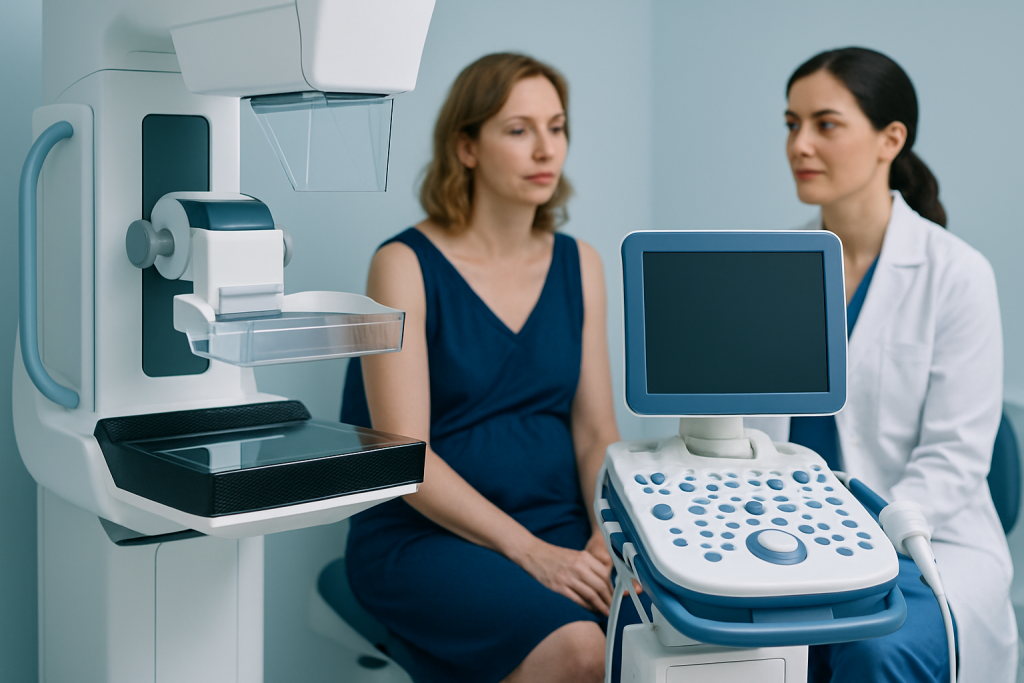
Breast reconstruction is not usually described in terms of symptoms, because it is a planned surgery rather than a treatment for pain or a new medical problem. Instead, people often notice physical and emotional changes after breast removal or breast-conserving surgery that lead them to consider reconstruction.
Common concerns include asymmetry under clothing, difficulty fitting bras or swimwear, changes in posture or balance after a larger mastectomy, and the emotional impact of seeing a flat chest or a breast with a changed contour. Some people also want to restore a sense of wholeness before finishing cancer treatment and returning to daily routines.
It is equally normal to decide against reconstruction. For some patients, avoiding additional surgery, anesthesia, or recovery time is the right choice. A good reconstructive discussion should leave room for both paths and respect that a person’s preference may change over time.
Causes & Risk Factors: How Surgeons Match the Method to the Body
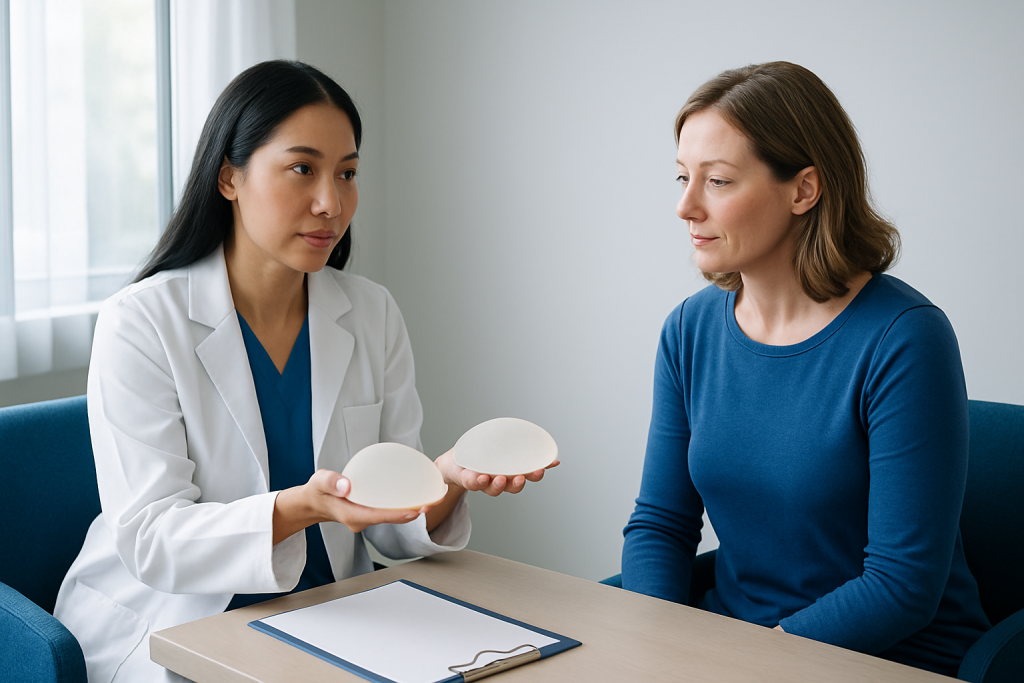
The “cause” of reconstruction is usually breast cancer surgery, a strong genetic-risk reduction surgery, or occasionally surgery for another breast condition. The real decision point is not why the breast was removed, but what the body and treatment plan look like afterward. Surgeons assess several factors before suggesting implants or flap surgery.
Implant reconstruction may fit best when the chest skin and soft tissue are healthy enough to support an implant, when the patient prefers a shorter operation, or when there is not enough donor tissue for a flap. Tissue expanders may be used first to gently stretch the skin before a permanent implant is placed. This approach can be especially useful when the goal is a simpler operation and a recovery that is usually less extensive than flap surgery.
Flap surgery is often considered when there is enough donor tissue and when a more natural feel, better long-term softness, or a reconstruction less dependent on an implant is preferred. It may also be discussed when radiation has affected the chest wall, because previously radiated tissue can make implant-based reconstruction more challenging. Body build matters as well: a very slim patient may not have enough lower abdominal tissue for a DIEP flap, while someone with prior abdominal surgery may need a different donor site.
Other practical factors can influence the choice:
- Whether radiation is planned before or after reconstruction
- Smoking status and healing capacity
- Diabetes, obesity, vascular disease, or other health conditions
- Previous abdominal, back, or chest surgery
- Whether the patient wants to avoid multiple stages of surgery
Diagnosis and Preoperative Planning
Breast reconstruction starts with planning, not with the operating room. The surgeon reviews the cancer treatment history, examines the chest wall and the opposite breast, and asks about the patient’s goals, daily life, and priorities. Photographs, measurements, and imaging may be used to help map the surgical options.
For implant reconstruction, planning focuses on skin quality, scar placement, and whether a tissue expander is needed before the final implant. For flap surgery, the surgeon evaluates donor sites, blood supply, and the amount of tissue available. Advanced imaging may sometimes help trace blood vessels for microsurgical flaps such as the DIEP flap.
Because many patients travel for cancer-related surgery, the preoperative plan should also include the practical side of care: how long they should remain near the hospital, who will manage dressings and drains, what follow-up is needed before flying home, and how to reach the team if a concern appears after return. A clear plan is especially important for international patients, since recovery continues well after the operation itself.
Treatment Options
Implant reconstruction uses a saline or silicone implant to recreate breast shape. In some cases, surgeons place a temporary tissue expander first and slowly fill it over time before exchanging it for a permanent implant. This method typically involves a shorter operation and avoids creating a second surgical site on another part of the body.
Flap surgery uses the patient’s own tissue to form the new breast. Common examples include abdominal-based flaps such as DIEP or TRAM, back-based flaps such as latissimus dorsi, and thigh-based options for patients who are not abdominal candidates. These procedures require microsurgical skill in many cases, but they can offer a breast that changes more naturally with the rest of the body over time.
Sometimes the best result comes from combining methods. A flap may provide soft tissue coverage while an implant adds volume, especially when donor tissue alone is not enough. Nipple and areola reconstruction, fat grafting, symmetry surgery on the other breast, or revision procedures may also be part of the overall plan.
The right option is not only the one that looks best on paper. It is the one that fits the patient’s tissue, health, cancer treatment timing, and willingness to accept trade-offs between recovery, number of procedures, and long-term maintenance.
Recovery and What to Expect After Surgery
Recovery varies by procedure. Implant-based reconstruction often has a shorter initial recovery, though patients may still need time to manage pain, swelling, drains, and activity restrictions. Flap surgery usually requires a longer recovery because it includes both the chest and the donor site, such as the abdomen or back.
In the early weeks, the team watches for wound healing, fluid collections, changes in skin color, infection, and comfort with movement. Patients are generally advised to avoid heavy lifting, sudden arm strain, and strenuous exercise until their surgeon clears them. If tissue expanders were used, additional visits are often needed for gradual filling before the final implant is placed.
For people traveling from another country, recovery planning should be realistic. Before leaving, the patient should understand what is normal after surgery, which symptoms need prompt attention, when stitches or drains are expected to be removed, and whether follow-up can happen remotely. A coordinated plan can make the return home safer and less stressful, especially when healing continues for several weeks.
Prevention, Self-care, and Supporting Long-Term Results
Breast reconstruction cannot be “prevented” because it is a surgical choice, but patients can support better healing and smoother recovery. Stopping smoking before surgery is one of the most important steps, since nicotine can impair blood flow and healing. Good nutrition, stable blood sugar, and following all preoperative instructions also matter.
After surgery, self-care usually includes keeping follow-up appointments, caring for drains or dressings as instructed, protecting the incision areas from strain, and watching for changes such as increasing redness, fever, unusual swelling, or fluid leakage. Patients should ask the team when it is safe to resume work, driving, exercise, and air travel.
Long-term care may involve symmetry procedures, implant surveillance, or later revisions if the breast changes over time. People who had flap surgery should still protect their donor site and report persistent weakness, bulging, or discomfort. The goal is not a perfect result in a magazine sense; it is a stable, comfortable reconstruction that suits the body and supports everyday life.
When to See a Doctor
Patients should contact their surgical team promptly if they notice a fever, increasing pain, sudden swelling, a draining wound, redness that spreads, blackening of skin, or trouble breathing. These signs do not always mean something serious, but they do deserve timely review.
It is also wise to seek advice if a reconstruction feels unusually tight, lopsided, hard, or uncomfortable, or if there is concern that an implant has shifted or a flap is not healing as expected. If cancer treatment is still underway, any delay in surgery, radiotherapy, or recovery milestones should be discussed early so the next step can be adjusted safely.
Patients deciding between implants and flap surgery should ask for a consultation with a breast and reconstructive surgeon who can explain the options in the context of their anatomy, cancer plan, and recovery goals. At Acibadem Health Point, multidisciplinary specialists and JCI-accredited hospitals help international patients diagnose and treat this condition with coordinated, individualized care.
Frequently asked questions
How do surgeons decide between implants and flap surgery?
They look at the patient’s body type, tissue quality, cancer treatment plan, and overall health. Personal priorities matter too, especially how the patient feels about recovery time, the number of operations, and whether they want to use their own tissue.
Is one method more natural than the other?
Flap surgery often feels more like natural tissue because it uses the patient’s own skin and fat. However, implant reconstruction can also create a very good cosmetic result, especially when the chest tissue is healthy and the goals are clear.
Can reconstruction be done after radiotherapy?
Yes, but radiation can affect healing and tissue quality, so planning needs extra care. In some cases, surgeons may recommend flap reconstruction or a staged approach because previously radiated skin may not support an implant as well.
How long is recovery after breast reconstruction?
Recovery depends on the type of surgery and the person’s general health. Implant-based reconstruction usually involves a shorter recovery, while flap surgery often takes longer because there is also a donor site that must heal.
Will reconstruction affect cancer follow-up?
Reconstruction should be planned so it does not interfere with cancer surveillance or the rest of treatment. The care team will explain how follow-up imaging, physical exams, and any future revisions fit into the schedule.
Can international patients safely travel for this surgery?
Many international patients do travel for breast reconstruction, but timing is important. They should plan enough time for surgery, early healing, drain care, and at least one postoperative review before flying home.
References
- National Cancer Institute
- American Society of Plastic Surgeons
- American Cancer Society
- Breastcancer.org
- Mayo Clinic
This article is for general information only and is not a substitute for professional medical advice. Please consult a qualified doctor about your individual situation.