How Long Do You Need to Stay in Turkey After Breast Cancer Surgery?

Key Takeaways
- Hospital discharge may happen within a few days after many breast cancer surgeries, but the exact timing depends on the procedure and recovery.
- Patients usually need a short period in Turkey for early follow-up, drain checks, and a final review before flying home.
- More extensive surgery or breast reconstruction can extend the recommended stay.
- Pain control, wound care, and mobility guidance help support a safer return trip.
- A surgeon may advise delaying travel if there are signs of infection, swelling, bleeding, or other concerns.
- International patients should leave with a clear follow-up plan and contact details for questions after returning home.
The length of stay in Turkey after breast cancer surgery depends on the type of operation, the speed of early recovery, and whether reconstruction or additional treatment is planned. For international patients, discharge timing is only one part of the journey; safe travel, wound care, and follow-up planning matter just as much.
Overview
People who travel for breast cancer surgery often ask a practical question before they ask anything else: how long will they need to remain in Turkey afterward? The answer is not fixed, because recovery time depends on the operation itself, the body’s response to surgery, and whether immediate reconstruction or other procedures are part of the plan.
In many cases, the hospital stay is relatively short, but the time spent in Turkey is usually a little longer than the inpatient period. That extra time allows the surgical team to check wound healing, review pathology results when available, remove drains if appropriate, and make sure the patient is ready for the journey home. For an international patient, this planning step is especially important because the first days after surgery are when guidance is most helpful and travel decisions need to be thoughtful.
Breast cancer surgery may include breast-conserving surgery, mastectomy, sentinel lymph node biopsy, or axillary surgery, and each affects recovery differently. Some patients can return home soon after a brief observation period, while others benefit from a longer stay for closer monitoring. The safest plan is always the one shaped by the surgeon, the type of anesthesia used, and the patient’s individual healing pattern.
What usually determines the length of stay
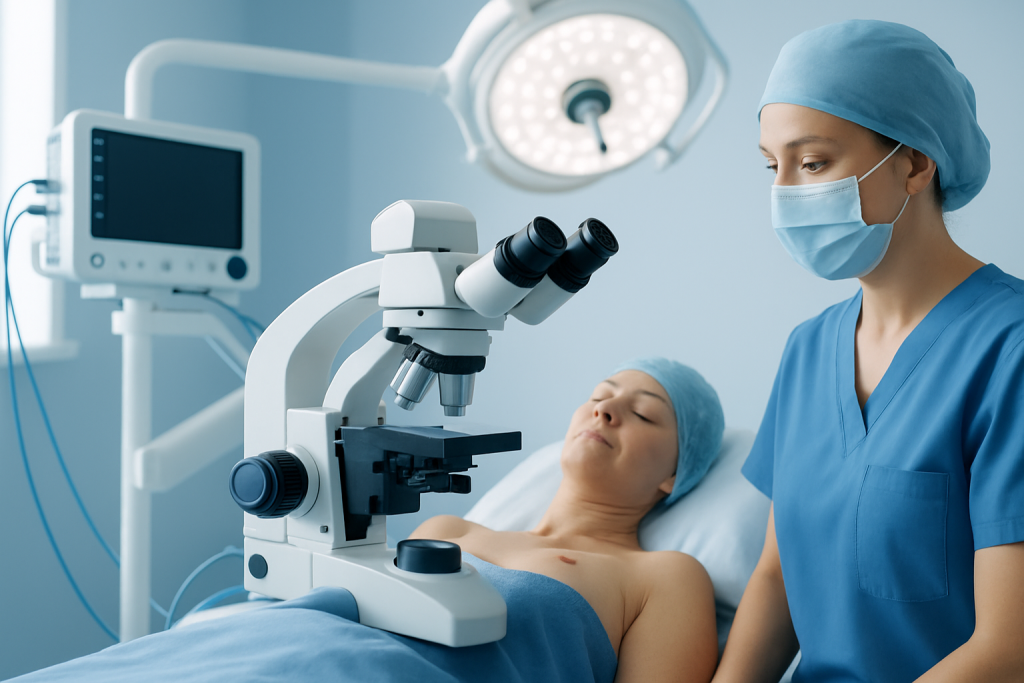
The stay after breast cancer surgery is influenced by several clinical and practical factors. The size of the operation is one of the main ones: a smaller procedure with limited lymph node sampling generally leads to a faster recovery than a more extensive surgery involving reconstruction or more lymph node work.
Doctors also consider pain control, drain management, wound appearance, mobility, and whether the patient can safely manage daily activities such as walking, using the bathroom, and sleeping comfortably. If nausea, dizziness, or low energy from anesthesia persist, the team may recommend extra observation before discharge or before any long-distance flight.
Other factors can extend the stay, including:
- The presence of breast reconstruction, especially if implants or flap surgery are involved
- More than one surgical site, such as the breast and underarm area
- Diabetes, smoking, obesity, or other conditions that may slow healing
- Unexpected bleeding, fluid collection, or wound concerns
- The need to review preliminary pathology findings or treatment planning
Because these variables differ from patient to patient, the best estimate is usually given after surgery rather than before it. Surgeons often prefer to see at least one early postoperative check before a patient travels internationally.
Typical recovery timeline after surgery

Although every case is different, the first few days after breast cancer surgery are usually devoted to rest, pain relief, gentle movement, and close observation. Many patients are able to get out of bed, walk short distances, and eat normally within a short time, but fatigue is common and should be expected.
If the procedure is uncomplicated, some patients may be discharged the same day or after an overnight stay. Others stay in the hospital a little longer, particularly after more involved surgery or when reconstruction has been performed. Once discharged, many surgeons prefer the patient to remain nearby in Turkey for several more days so the wound can be checked and any drains can be monitored or removed if appropriate.
A simple way to think about recovery is in phases: immediate postoperative observation, early healing, then travel readiness assessment. The exact number of days in Turkey is not the same for everyone, but it is often guided by how quickly the patient moves from one phase to the next. A calm, gradual recovery usually makes for a safer trip home than rushing travel plans.
Differences between common breast cancer operations
Breast-conserving surgery, sometimes called lumpectomy, often allows a shorter recovery than more extensive operations because less tissue is removed. Patients may still need time for wound checks and discussion of the next steps in treatment, such as radiotherapy or medical oncology follow-up.
After mastectomy, the stay may be longer because the surgical area is larger and drains are more common. If lymph nodes are removed from the armpit, patients may also need extra instruction on arm movement, swelling prevention, and how to watch for fluid buildup or discomfort.
When reconstruction is added, the recovery picture becomes more individualized. Some reconstruction techniques require a longer in-country stay so the surgical team can monitor the reconstructed breast, manage drains, and confirm that healing is stable before the patient flies. The key point is that the type of surgery influences both medical recovery and travel timing, so patients should ask their team for a personalized discharge and departure plan.
How doctors decide when it is safe to fly home
Air travel after surgery is not decided only by the calendar. The team looks for signs that the patient is stable, comfortable enough to travel, and unlikely to need urgent medical attention during the flight or soon after arriving home. This is especially relevant for international patients who may have a long journey ahead.
Before approving travel, the surgeon may check whether pain is controlled with a manageable medication plan, whether the incision is dry and clean, whether drains are functioning as expected, and whether there are any signs of infection or significant swelling. They may also consider the length of the flight and whether the patient can sit upright for the trip.
Patients are usually encouraged to ask practical questions before leaving the hospital, such as whether they need compression garments, whether arm exercises are allowed, what to do if a drain output changes, and who to contact if a concern arises after returning home. A thoughtful discharge plan is one of the most valuable parts of the treatment journey.
Prevention, comfort, and self-care during the stay
Self-care after breast cancer surgery is not about doing more; it is about doing the right small things consistently. Gentle walking, taking prescribed medicines as directed, keeping follow-up appointments, and protecting the incision area can all support recovery. Patients are usually told how to bathe, when to change dressings, and how to monitor for changes that should be reported.
Good planning is particularly useful for international patients. It helps to bring easy-to-wear clothing, keep travel documents and medical papers in one place, and arrange a companion if the surgeon thinks support will be helpful. A comfortable hotel or recovery accommodation near the hospital can also make the follow-up period less stressful.
Helpful self-care habits may include:
- Walking gently and regularly, as advised by the surgical team
- Protecting the incision from friction and unnecessary pressure
- Following drain-care instructions carefully, if drains are placed
- Maintaining hydration and balanced meals
- Watching for fever, redness, unusual swelling, or increasing pain
Because the first days after surgery can feel uncertain, patients often benefit from having written instructions in a language they understand. Clear communication reduces anxiety and helps the recovery stay on track.
When a longer stay may be recommended
Some patients should expect to remain in Turkey longer than average. This is not usually a sign of poor recovery; it often reflects a careful approach to safety. Extra days may be advised if the patient needs continued observation, drain management, treatment of a minor complication, or a repeat review before flying.
A longer stay may also be considered when pathology results need to be discussed in person, when additional surgery is planned, or when the medical team wants to coordinate the next stage of cancer treatment. For patients coming from abroad, it can be reassuring to know that a slightly extended stay may actually reduce stress by allowing more complete postoperative care before departure.
The most useful question is not simply, “How many days will I stay?” but rather, “What milestones should I meet before I leave?” That approach keeps the focus on safety, function, and comfort rather than on an arbitrary number of days.
When to see a doctor
Patients should contact the surgical team promptly if they notice fever, increasing redness, pus or unpleasant drainage, sudden swelling, severe pain that is getting worse rather than better, or shortness of breath. These symptoms do not always mean something serious is happening, but they do deserve medical review.
It is also sensible to seek advice if a drain stops working properly, if bandages become soaked, if the incision opens, or if arm swelling develops after lymph node surgery. If a patient has already returned home, local medical help should be sought without delay while the operating team is informed.
For international patients, a clear discharge package is especially helpful: a summary of the surgery, the expected recovery plan, follow-up timing, and contact details for questions. Acibadem Health Point’s multidisciplinary specialists and JCI-accredited hospitals diagnose and treat breast cancer for international patients with coordinated postoperative support, helping the transition from surgery to travel feel more organized and secure.
A practical way to plan the trip home
The safest travel plan starts before surgery and is refined after it. Patients do best when they know where they will recover, how long they may need to remain near the hospital, and what milestones the surgeon wants to see before departure. That kind of preparation is particularly valuable when the home country is far away.
In many cases, the stay in Turkey after breast cancer surgery is short enough to be manageable, but long enough to allow proper early healing and follow-up. Rather than focusing on a single number, patients and families should think in terms of readiness: stable recovery, clear instructions, and confidence that the next step can be taken safely.
That balanced approach helps the experience feel less rushed and more medically sound. With the right postoperative guidance, international patients can move from surgery to recovery and travel home with greater reassurance.
Frequently asked questions
How long do most patients stay in Turkey after breast cancer surgery?
Many patients stay only a short time in the hospital, but the total time in Turkey is often a little longer so the surgical team can check early healing before travel. The exact number of days depends on the type of surgery, whether reconstruction was done, and how quickly recovery is progressing.
Can a patient fly home soon after breast cancer surgery?
Sometimes, yes, but only when the surgeon feels it is medically safe. The team will consider pain control, wound status, drain management, and the length of the flight before giving clearance.
Does breast reconstruction mean a longer stay?
Often it does, because reconstruction may need closer monitoring and more drain care. The recovery plan varies by technique, so the surgeon usually gives the most accurate estimate after the operation.
What should an international patient have before leaving Turkey?
A discharge summary, medication and wound-care instructions, follow-up guidance, and contact details for the hospital are all important. It also helps to know when the next medical review should happen, either in Turkey or at home.
What symptoms mean the patient should contact a doctor after surgery?
Fever, increasing redness, pus-like drainage, sudden swelling, worsening pain, or shortness of breath should be reported promptly. These signs deserve medical review even if they turn out to be minor concerns.
Is it normal to feel very tired after breast cancer surgery?
Yes, fatigue is common in the early recovery period and can continue for some time. Gentle activity, rest, and following the surgical team’s advice usually help the patient regain strength gradually.
References
- World Health Organization
- American Cancer Society
- National Cancer Institute
- Breastcancer.org
- National Comprehensive Cancer Network
This article is for general information only and is not a substitute for professional medical advice. Please consult a qualified doctor about your individual situation.
More from the Health Library
Bone Density Testing: Who Should Plan It Before Osteoporosis Becomes a Problem

Vitamin D Testing: When a Deficiency Check Is Useful and When It May Not Be