Pelvic Pain Workup: When Gynecology Needs More Than an Ultrasound

Key Takeaways
- Pelvic pain is a symptom, not a diagnosis, so the first goal is to identify where the pain is coming from.
- Ultrasound is useful, but it may not detect endometriosis, pelvic floor problems, bowel causes, or some nerve-related conditions.
- A good workup usually combines history, pelvic examination, imaging, and sometimes blood, urine, or specialty tests.
- Persistent, worsening, or one-sided pelvic pain deserves timely medical attention, especially with fever, bleeding, or pregnancy.
- Treatment depends on the underlying cause and may include medication, hormone therapy, pelvic floor therapy, procedures, or surgery.
- Traveling for care can be easier when patients know what records to bring, what questions to ask, and how follow-up will happen after they return home.
Medically reviewed by the Acıbadem clinical team — June 13, 2026
Pelvic pain can have many causes, and an ultrasound is often only one part of the evaluation. A careful workup helps distinguish gynecologic conditions from urinary, bowel, musculoskeletal, or nerve-related sources of pain.
Overview
Pelvic pain can be acute, meaning it starts suddenly, or chronic, meaning it lasts for months or keeps returning. The pattern often offers important clues. Pain tied to periods may suggest endometriosis or adenomyosis, while pain with urination may point toward urinary causes. Pain that worsens with movement or sitting may involve the pelvic floor, hips, back, or nerves.
The goal of workup is not simply to “find something on a scan.” It is to match the person’s symptoms, examination findings, and test results into a clear explanation. In many cases, that requires a step-by-step approach rather than a single appointment or one imaging test.
Symptoms That Help Narrow the Cause
Some symptom patterns deserve prompt assessment. Sudden severe pain, pain with fainting, fever, vomiting, shoulder pain, unusual vaginal bleeding, or pain with a possible pregnancy can signal a condition that needs urgent care. A longer history of pain is not necessarily less important; chronic pain can still have a treatable cause and should not be dismissed.
Pelvic pain may also overlap with emotional stress, but that does not mean the pain is “all in the head.” Stress can amplify bodily symptoms, yet it does not replace medical evaluation. The most reliable approach is to look at the whole picture and avoid assuming a single explanation too early.
Causes & Risk Factors
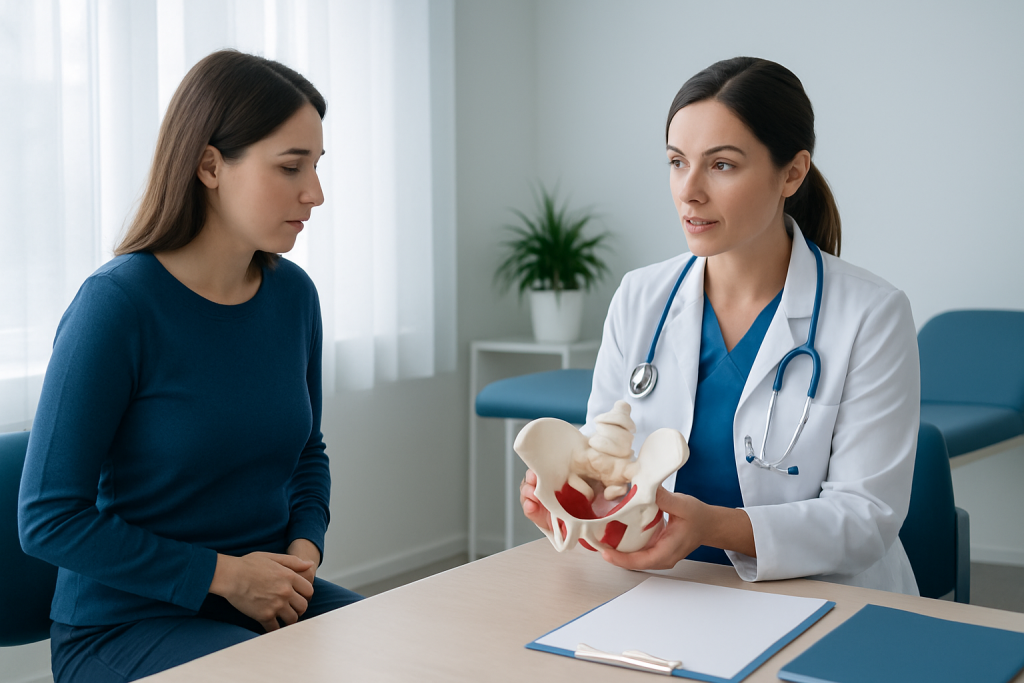
Age and reproductive stage also matter. In adolescents, painful periods may be dismissed too quickly, even though endometriosis or pelvic floor dysfunction can begin early. In midlife, fibroids, adenomyosis, and perimenopausal hormonal changes may become more relevant. After childbirth or surgery, scar tissue, muscle imbalance, and nerve sensitivity can play a larger role.
Risk factors should guide, not dictate, the workup. A person with no obvious risk factors can still have a significant condition, and someone with several risk factors may still need a careful, broad evaluation rather than an assumption. The best diagnostic plans stay flexible.
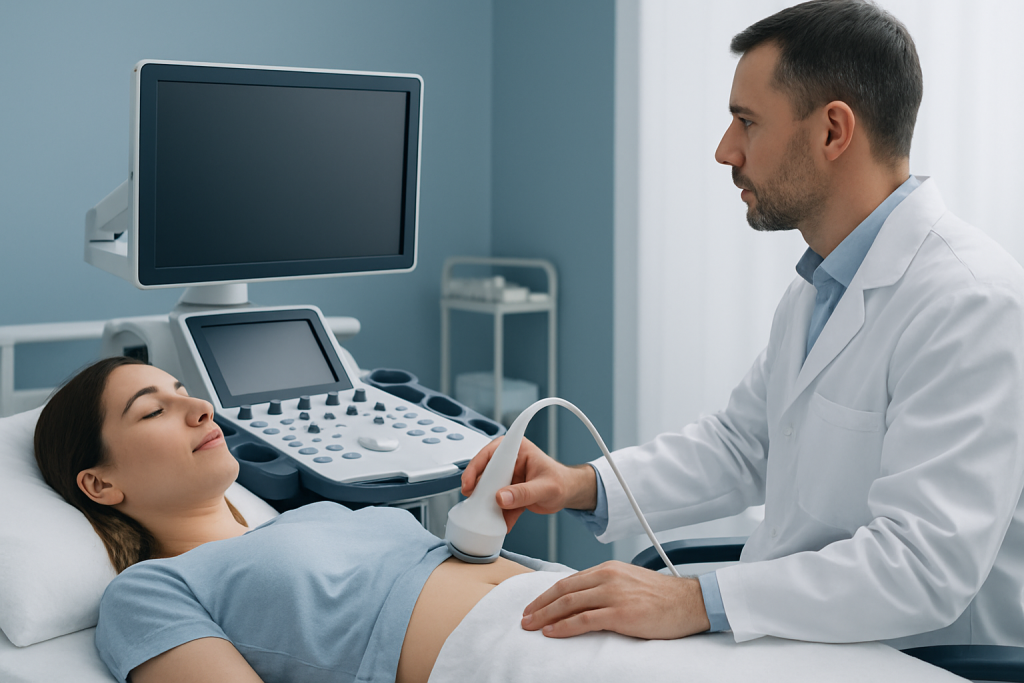
Diagnosis: Why Ultrasound May Be Only the First Step
For international patients, this stage can require coordination between specialties. A patient may arrive with imaging from home, but the new evaluation might need comparison with prior studies, translation of reports, or repeat imaging using a different protocol. Bringing records, medication lists, and previous test results can save time and reduce duplication.
Clear communication is especially important when pain has several possible sources. A careful clinician will explain what has been ruled out, what remains likely, and which next steps are most useful. That process can feel slower than expected, but it often leads to a more durable answer.
Treatment Options
Surgery is not the first answer for every patient, but it can be appropriate when a clear structural problem is found or when minimally invasive evaluation is needed. A surgeon may recommend laparoscopy for suspected endometriosis, removal of a troublesome Cyst Surgery" class="ahp-ilk">ovarian cyst, or treatment of adhesions in selected cases. Good counseling before surgery is important so patients understand expected recovery and follow-up.
For patients traveling for treatment, recovery planning should be discussed before the procedure. That includes medication instructions, movement after surgery, warning signs to watch for, and how follow-up will happen once the patient returns home. Acibadem Health Point’s multidisciplinary specialists and JCI-accredited hospitals can diagnose and treat pelvic pain for international patients in a coordinated setting, which may help streamline this process.
Prevention & Self-care
For international patients, self-care includes practical preparation. Keeping copies of prior imaging, surgical reports, lab results, and current prescriptions can make a visit more efficient. It also helps to plan recovery time, transport, and follow-up before traveling, especially if a procedure or new medication is being considered.
People should not feel pressured to normalize pain that interferes with sleep, work, sex, digestion, or daily movement. The right workup is often the first real step toward relief, and it is appropriate to seek a second opinion when symptoms are ongoing and the explanation still feels incomplete.
When to See a Doctor
Patients who are coming from another country should ask how urgently they need to be seen, which records to bring, and what the follow-up plan will be after they return home. A good team will help coordinate testing and explain which symptoms require immediate attention after treatment.
If pelvic pain has become a pattern rather than a one-time event, it is worth discussing it with a qualified clinician who can look beyond the first scan. A careful, patient-centered evaluation can uncover causes that are treatable and may improve quality of life.
Frequently asked questions
Is an ultrasound enough to find the cause of pelvic pain?
Not always. Ultrasound is very useful for many gynecologic problems, but it may miss conditions such as endometriosis, pelvic floor dysfunction, bowel disorders, or some nerve-related causes. If symptoms continue, the evaluation often needs to go further.
What tests might be added after a normal pelvic ultrasound?
Depending on the symptoms, a clinician may order urine tests, pregnancy testing, blood tests, STI screening, MRI, or referral-based exams. In some cases, a laparoscopy is considered if a condition such as endometriosis is still suspected. The choice depends on the clinical picture.
Can pelvic pain come from non-gynecologic causes?
Yes. The bladder, bowel, muscles, joints, and nerves can all cause pain that feels pelvic. That is one reason a broad history and examination are so important.
When should pelvic pain be treated as urgent?
Sudden severe pain, fainting, fever, vomiting, heavy bleeding, or pain with a possible pregnancy should be assessed promptly. These symptoms can signal a condition that needs urgent care. If the pain is rapidly worsening, it should not wait.
Does chronic pelvic pain always mean something serious?
No, but it does mean the pain should be evaluated carefully. Chronic pain can come from treatable conditions such as endometriosis, pelvic floor muscle tension, bladder irritation, or bowel disorders. A clear diagnosis can help guide the right treatment.
What should an international patient bring to a pelvic pain appointment?
Prior ultrasound reports, lab results, surgical notes, a medication list, and a symptom diary are very helpful. If possible, bringing copies in English or having translations available can make the visit smoother. It also helps to note what treatments have already been tried and how the body responded.
References
- World Health Organization
- American College of Obstetricians and Gynecologists
- Mayo Clinic
- National Institute of Child Health and Human Development
- Merck Manual Professional Edition
This article is for general information only and is not a substitute for professional medical advice. Please consult a qualified doctor about your individual situation.
More from the Health Library



Related Specialists

Prof. Dr. A. Taner Usta
Gynecology & Obstetrics
Prof. Dr. Ahmet Tayyar
Gynecology & Obstetrics
Prof. Dr. Ahmet Cem Batukan
Gynecology & Obstetrics
Dr. Sevgi Selen
Gynecology & Obstetrics