Pelvic Organ Prolapse Surgery: What Level of Support Do You Actually Need?

Key Takeaways
- Support needs vary by the organ involved, how far the prolapse has descended, and how much it affects daily activities.
- Not every prolapse needs surgery; some people do well with pelvic floor therapy, pessaries, or lifestyle changes.
- A careful pelvic exam and symptom review help doctors match the treatment to the person, not just the anatomy.
- Recovery planning matters, especially for international patients who may need follow-up visits after travel.
- The best surgical option is the one that balances comfort, durability, sexual function, future pregnancy plans, and overall health.
Medically reviewed by the Acıbadem clinical team — June 13, 2026
Pelvic organ prolapse happens when the tissues that support the pelvic organs become too weak to keep them in place comfortably. Surgery is one possible treatment, but the right level of support depends on the type of prolapse, symptom burden, overall health, and a person’s goals for daily life.
Overview
Pelvic organ prolapse can feel like a support problem because that is exactly what it is: the muscles, ligaments, and connective tissues that hold the bladder, uterus, vaginal walls, or rectum in place are no longer doing their job as well as they once did. Some people notice a subtle heaviness. Others describe a bulge, pressure, or the feeling that something is “falling” downward.
When surgery enters the conversation, the main question is not simply whether prolapse is present, but how much support is actually needed for a person to live comfortably and safely. A mild prolapse that causes little trouble may be watched or managed without an operation, while a more advanced prolapse may benefit from repair. The decision usually depends on symptoms, exam findings, future childbearing plans, and whether the person prefers conservative care or a more durable structural correction.
For international patients, that decision often also includes practical questions: how long recovery may take, what kind of follow-up is needed after returning home, and whether a chosen procedure can be coordinated with the broader pelvic floor team. A thoughtful plan can make treatment feel much less overwhelming.
Symptoms and the “support” question
Symptoms often tell the story better than the anatomy alone. A prolapse may be visible on examination, yet cause little day-to-day discomfort. Another person may have a smaller degree of descent but feel significant pressure after standing, exercising, or lifting. In that sense, the support needed is partly measured by how much the condition interferes with work, movement, intimacy, and confidence.
Common symptoms include vaginal bulging, pelvic pressure, a dragging sensation, trouble emptying the bladder or bowels, urinary leakage, needing to press on the vaginal wall or perineum to pass stool, and discomfort during sex. Some people also notice lower back discomfort, though back pain has many possible causes and is not specific to prolapse.
Doctors pay attention to whether symptoms worsen with the end of the day, improve when lying down, or change after coughing, straining, or prolonged standing. These patterns help determine whether observation, non-surgical support, or surgery is the most appropriate next step.
Causes and risk factors
Pelvic organ prolapse usually develops when the pelvic floor has been stretched or weakened over time. Vaginal childbirth is a common contributing factor, especially after multiple deliveries or a delivery that involved a large baby, prolonged pushing, or instrumental assistance. Aging and the drop in estrogen after menopause can also affect tissue strength.
Other contributors include chronic constipation, repeated heavy lifting, persistent coughing, obesity, prior pelvic surgery, and a family tendency toward weaker connective tissue. Some people develop prolapse even without obvious risk factors, which can make the experience feel confusing or unfair. It is important to know that prolapse is common and not a sign that a person “did something wrong.”
Risk factors matter because they influence not only how prolapse develops, but how surgeons think about repair. A person who still plans future pregnancies, for example, may need a different approach from someone who has completed childbearing and wants the most durable repair possible.
Diagnosis: finding the right level of support
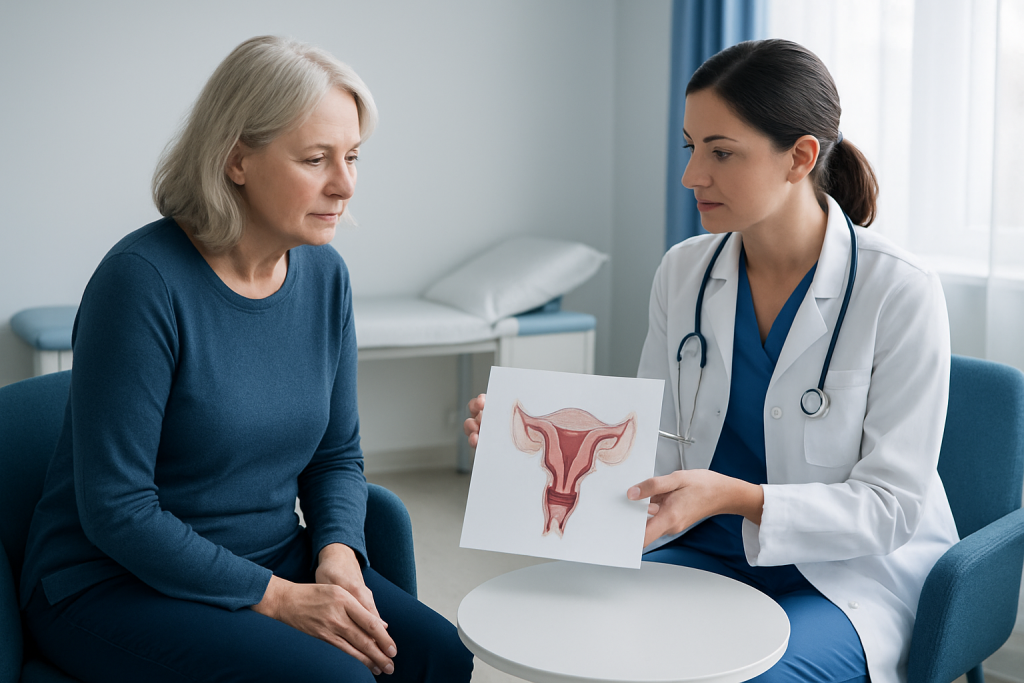
Diagnosis begins with a careful history and pelvic examination. During the visit, the clinician looks at which compartment is affected: the front wall of the vagina, the back wall, the uterus or vaginal apex, or more than one area at once. This mapping matters because each type of prolapse may require a different repair strategy.
Doctors may ask the patient to bear down during the exam to see the prolapse under pressure, since the support problem often becomes more obvious in that position. They may also ask about bladder emptying, bowel habits, sexual function, and whether the person feels able to manage symptoms with day-to-day measures. In some cases, urine tests, bladder studies, or imaging are used, especially when symptoms suggest another condition may be present at the same time.
The goal of diagnosis is not to label the problem as severe or mild in a vacuum. It is to understand how the support failure affects the person’s life and what level of repair would be proportionate, durable, and safe.
Treatment options: from gentle support to surgery
Treatment ranges from non-surgical support to reconstructive surgery. Pelvic floor physical therapy may help improve muscle coordination and reduce symptoms, particularly when prolapse is mild or combined with urinary leakage. A pessary, which is a removable device placed in the vagina, can provide mechanical support without surgery and is often useful for people who want to avoid an operation, postpone it, or try symptom relief while planning travel or other life events.
Surgery is usually considered when symptoms remain bothersome despite conservative care, when the prolapse is advanced, or when the person prefers a more lasting structural correction. The operation chosen depends on which organs need support and whether the surgeon is repairing the tissue with the patient’s own tissues, using a suspension technique, or removing the uterus if uterine prolapse is part of the problem and hysterectomy is appropriate and desired. The best operation is not the most extensive one by default; it is the one that restores support where it is actually needed.
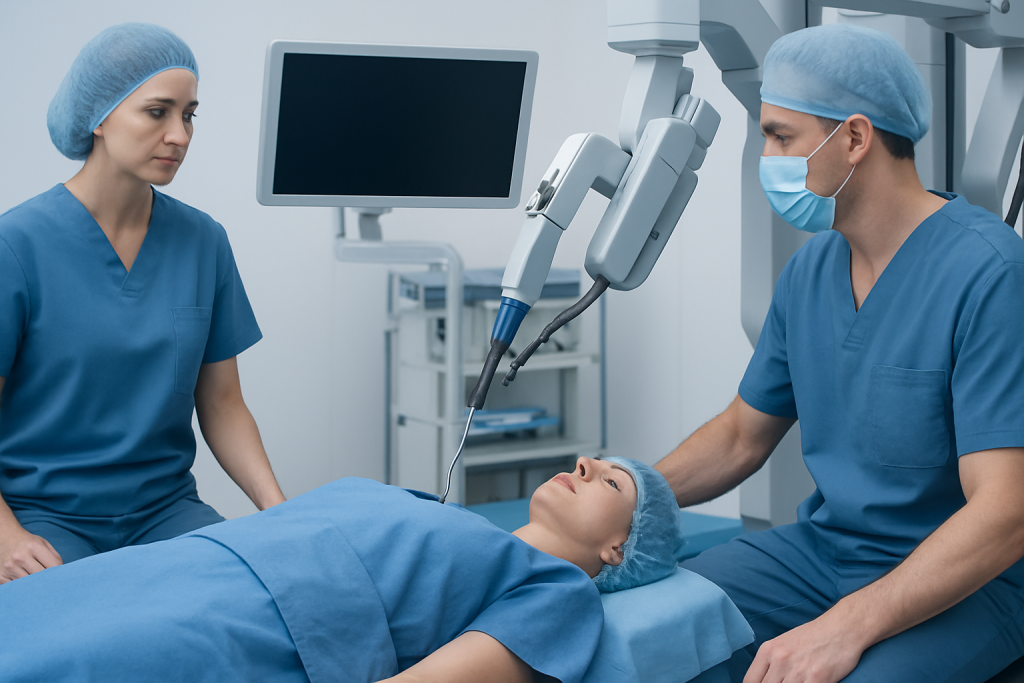
Common surgical categories include vaginal repairs, abdominal or laparoscopic/robotic suspensions, and procedures that support the vaginal apex or uterus. If Urinary Incontinence Treatment" class="ahp-ilk">stress urinary incontinence is also present, the care plan may include a separate discussion about bladder support. Because every pelvis is different, the surgical conversation should be individualized rather than based on a one-size-fits-all template.
- Conservative support: pelvic floor exercises, pessaries, lifestyle changes
- Reconstructive repair: targeted tissue repair or suspension
- Combined care: addressing prolapse and urinary symptoms together when appropriate
Prevention and self-care
No strategy can guarantee that prolapse will never occur or recur, but sensible self-care can reduce strain on the pelvic floor. Keeping bowel movements soft and regular helps limit repeated pushing. Treating chronic cough, maintaining a healthy body weight, and using safe lifting techniques also lower ongoing pressure on the pelvic tissues.
Pelvic floor exercises, when taught correctly, may improve muscle awareness and support. These exercises are not a cure for every prolapse, but they are often valuable as part of a broader plan. People who already have a pessary can also learn how to care for it properly, what cleaning routine their clinician recommends, and which symptoms should prompt a review.
After surgery, self-care becomes especially important. Patients are usually advised to avoid heavy lifting, constipation, and intense strain while healing, and to follow the surgeon’s instructions about walking, sexual activity, and return to exercise. For international patients, it is useful to plan recovery around travel timing so that the first postoperative check can happen before leaving if possible, or can be coordinated clearly with a local doctor at home.
When to see a doctor
Medical review is a good idea if a person notices a vaginal bulge, increasing pelvic pressure, trouble urinating or passing stool, or a change in bladder control. A doctor should also be consulted if symptoms are becoming more noticeable, are affecting intimacy or exercise, or are creating uncertainty about whether conservative treatment is enough.
It is especially important to seek care if the prolapse cannot be pushed back in, if there is bleeding that is not clearly explained, if there is significant pain, or if the bladder or bowel is not emptying properly. These symptoms do not automatically mean an emergency, but they do deserve timely attention.
For people considering surgery from another country, it helps to discuss the expected recovery window, follow-up plan, and any mobility or travel concerns before committing to treatment. Acibadem Health Point’s multidisciplinary specialists and JCI-accredited hospitals diagnose and treat pelvic organ prolapse for international patients, with coordinated care that supports both treatment and follow-up planning.
Living with prolapse after treatment
Recovery is not only about the operation itself; it is also about gradually returning to normal routines without overloading the repaired tissues. Many people feel better in stages rather than all at once. Energy, comfort, bladder function, and confidence may improve at different speeds, which is normal.
Follow-up visits help the care team check healing, review symptoms, and adjust advice on activity, pelvic floor therapy, or vaginal support if needed. Some patients ask whether surgery “fixed everything forever.” A more realistic goal is often durable improvement in symptoms and support, with an understanding that pelvic floor health remains a long-term part of overall wellness.
People who have had prolapse surgery should feel encouraged to keep asking questions, especially if they are returning home after treatment abroad. Clear instructions, a written follow-up plan, and knowledge of which symptoms should prompt contact with a doctor can make recovery feel much steadier and safer.
Frequently asked questions
Does every pelvic organ prolapse need surgery?
No. Many people manage symptoms well with pelvic floor therapy, a pessary, or lifestyle changes. Surgery is usually considered when symptoms remain bothersome, prolapse is more advanced, or a person wants a more durable repair.
How do doctors decide what type of support is needed?
They look at which organ or vaginal wall is affected, how far the prolapse has descended, and how much it affects bladder, bowel, sexual, and daily function. The decision is based on both the exam and the patient’s goals, not on appearance alone.
Can prolapse come back after surgery?
It can, because pelvic tissues remain under long-term strain from factors such as aging, constipation, chronic coughing, or heavy lifting. A careful surgical plan and good postoperative habits can help reduce the chance of recurrence, but no operation can promise a permanent result.
Is surgery different if the uterus is part of the prolapse?
Yes, it can be. Some people need support for the vaginal apex or uterus, while others may also discuss hysterectomy if it is medically appropriate and personally desired. The best approach depends on anatomy, symptoms, and future pregnancy plans.
How long is recovery after prolapse surgery?
Recovery varies by procedure and overall health, but people usually need a period of reduced activity while tissues heal. The surgeon will explain when walking, work, lifting, exercise, and sexual activity can usually resume safely.
What should a person prepare before traveling for surgery abroad?
It helps to arrange enough time for preoperative assessment, surgery, and at least one follow-up visit before travel home if possible. Patients should also understand postoperative instructions, who to contact if symptoms change, and how local follow-up will be coordinated after returning home.
References
- American College of Obstetricians and Gynecologists
- National Institute of Diabetes and Digestive and Kidney Diseases
- Mayo Clinic
- NHS
- International Urogynecological Association
This article is for general information only and is not a substitute for professional medical advice. Please consult a qualified doctor about your individual situation.
More from the Health Library



Related Specialists

Prof. Dr. A. Taner Usta
Gynecology & Obstetrics
Prof. Dr. Ahmet Tayyar
Gynecology & Obstetrics
Prof. Dr. Ahmet Cem Batukan
Gynecology & Obstetrics
Dr. Sevgi Selen
Gynecology & Obstetrics