Uterine Fibroids And Treatment
Key Takeaways
- Uterine fibroids are common, benign growths of the muscle tissue of the uterus.
- Some fibroids cause no symptoms, while others lead to heavy bleeding, pressure, pain, or anemia.
- Treatment depends on symptoms, fibroid size and location, age, and whether future pregnancy is desired.
- Options range from watchful waiting and medicines to minimally invasive procedures and surgery.
- A gynecologist can help tailor care to the safest and most suitable approach for each person.
Uterine fibroids are noncancerous growths that develop in or around the uterus and may cause heavy periods, pelvic pressure, pain, or fertility concerns. Many women need only monitoring, while others benefit from medication, minimally invasive procedures, or surgery based on symptoms and future pregnancy plans.
Overview
Uterine fibroids, also called leiomyomas or myomas, are noncancerous growths that arise from the muscle wall of the uterus. They can be as small as a seed or large enough to change the shape of the uterus, and some people have a single fibroid while others develop several at once.
For many women, fibroids are discovered during a routine pelvic exam or imaging test done for another reason. In other cases, they become noticeable because of heavy menstrual bleeding, a sense of fullness in the pelvis, or symptoms that affect daily life and travel plans alike. The good news is that fibroids are very treatable, and management can be matched to the person’s symptoms, age, and reproductive goals.
Not every fibroid needs to be removed. Some remain stable for years, and others shrink after menopause when hormone levels change. The key is understanding which symptoms are truly linked to fibroids and which treatment path offers relief with the least disruption.
Symptoms
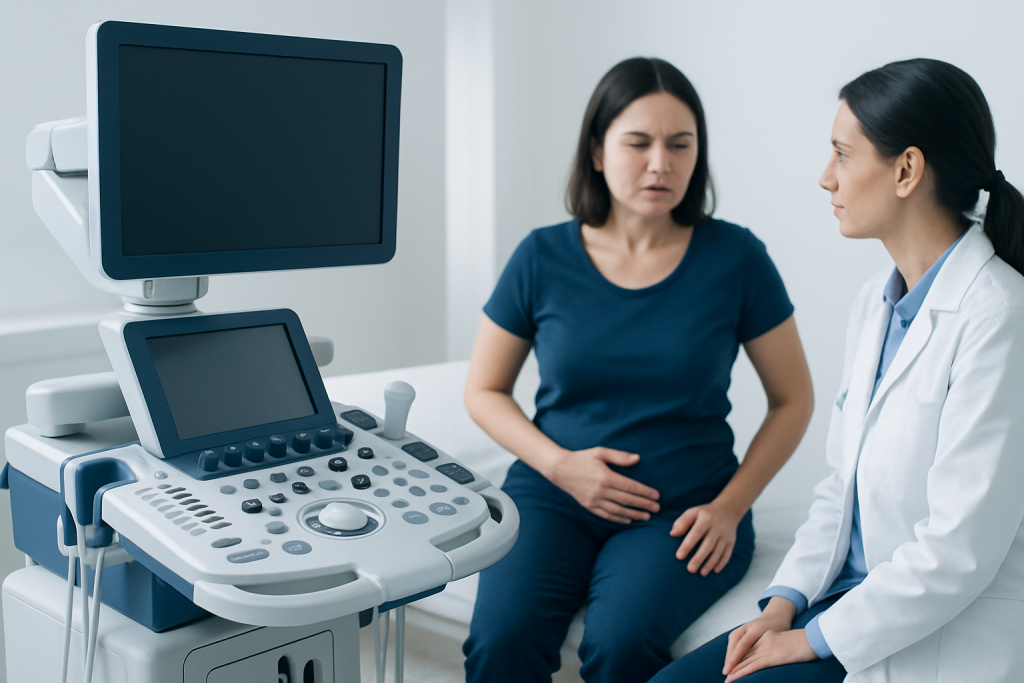
Symptoms depend on the fibroid’s size, number, and exact location. A fibroid that presses on the uterine lining may cause heavier or longer periods, while one near the bladder can lead to more frequent urination. Some people feel pelvic heaviness, lower abdominal bloating, or pain during sex.
Common symptom patterns include:
- Heavy menstrual bleeding or bleeding that lasts longer than usual
- Pelvic pressure or a feeling of fullness
- Lower back pain or cramping
- Frequent urination or trouble emptying the bladder fully
- Constipation or pressure on the bowel
- Difficulty conceiving in some cases
When bleeding is frequent or prolonged, iron deficiency anemia can develop. That may lead to fatigue, dizziness, shortness of breath, or a reduced ability to keep up with work, family responsibilities, or travel. Some fibroids are silent and cause no symptoms at all, which is why a careful gynecologic evaluation matters even when the problem seems mild.
Causes & Risk Factors
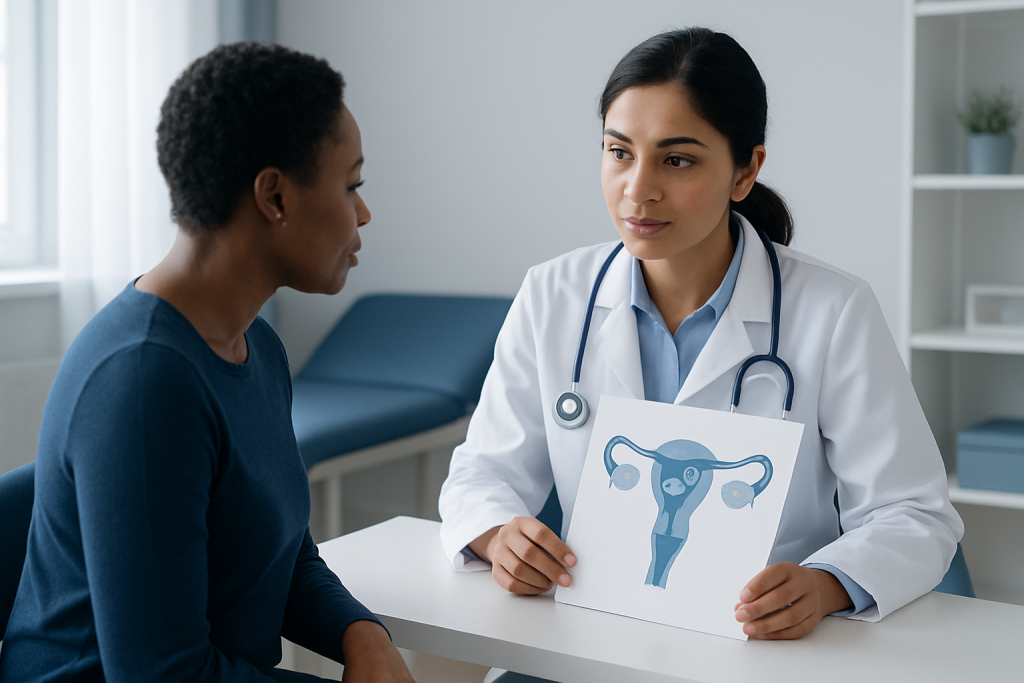
The exact reason fibroids develop is not fully understood, but they appear to be influenced by hormones, especially estrogen and progesterone, and by changes in the uterine muscle cells. Fibroids often grow during the reproductive years and may become smaller after menopause.
Certain factors are associated with a higher likelihood of fibroids, including family history, younger age at first menstruation, and being of reproductive age. Weight, diet patterns, and race or ethnicity may also influence risk, although no single factor explains every case.
Fibroids are not caused by poor hygiene, and they are not contagious. Many women wonder whether stress, travel, or daily activity triggered them; these factors do not create fibroids, though they can make symptoms feel more noticeable or harder to manage.
Diagnosis
Diagnosis usually begins with a conversation about menstrual patterns, pelvic symptoms, fertility history, and any signs of anemia. A pelvic examination may suggest an enlarged or irregularly shaped uterus, but imaging is often needed to confirm the diagnosis and map the fibroids.
Ultrasound is commonly the first test because it is widely available and can show the size and location of fibroids. In some situations, a gynecologist may recommend MRI for a more detailed view, especially when treatment planning requires precise mapping before a procedure or surgery.
Blood tests may be used to check for anemia or other causes of heavy bleeding. If symptoms are not typical, the doctor may also look for other conditions that can mimic fibroids, such as adenomyosis, endometrial polyps, or hormonal imbalances.
Treatment Options
Treatment is individualized rather than one-size-fits-all. For women with mild or no symptoms, observation may be appropriate, with regular follow-up to track growth and symptom changes. When symptoms are more disruptive, treatment can aim to reduce bleeding, relieve pressure, preserve fertility, or remove the fibroid altogether.
Medicines may help control bleeding or pain and sometimes shrink fibroids temporarily. Hormonal treatments are often used to lessen heavy periods, while nonhormonal options can help reduce menstrual blood loss. These approaches may be especially useful for women who want a less invasive path or need symptom control while planning care from another country.
Procedural options include minimally invasive treatments such as uterine artery embolization in selected patients, as well as hysteroscopic removal for fibroids inside the uterine cavity. Surgical treatment may involve myomectomy, which removes fibroids while preserving the uterus, or hysterectomy, which removes the uterus and offers a definitive solution for those who do not wish to retain fertility.
The best option depends on several factors:
- Severity of symptoms
- Fibroid size, number, and location
- Desire for future pregnancy
- Overall health and surgical history
- Response to previous treatment
For international patients, planning matters. The most suitable approach may include consultation, imaging, treatment, and early recovery support within a coordinated timeline so that travel, follow-up, and return home are organized around medical needs and comfort.
Prevention & Self-care
There is no guaranteed way to prevent fibroids, but some habits can support overall reproductive health and make symptoms easier to live with. Maintaining a healthy weight, staying physically active, and following up on menstrual changes early may all help a woman and her doctor respond before symptoms become severe.
Practical self-care during active symptoms can include tracking periods, noting clots or bleeding volume, and keeping an eye on signs of fatigue that may point to anemia. Heat, gentle movement, and adequate hydration may ease cramping for some people, although these measures do not treat the fibroid itself.
It can also help to plan around heavy bleeding rather than trying to push through it. Women who travel for care may benefit from packing period supplies, arranging time for rest after treatment, and asking the care team how follow-up imaging or laboratory checks will be handled once they return home.
When to See a Doctor
A gynecologist should be consulted if periods become noticeably heavier, longer, or more painful, or if pelvic pressure starts interfering with sleep, work, exercise, or travel. It is also important to seek evaluation if there is difficulty becoming pregnant or if a routine exam suggests an enlarged uterus.
Prompt medical review is especially important when bleeding is heavy enough to cause dizziness, weakness, or pale skin, since anemia may need treatment. Even when symptoms are not severe, a checkup can clarify whether fibroids are present and whether watchful waiting or active treatment is the better choice.
For women considering care abroad, a specialist consultation can help determine whether the condition is suitable for short-stay treatment and what recovery window is realistic. Acibadem Health Point’s multidisciplinary specialists and JCI-accredited hospitals diagnose and treat uterine fibroids for international patients with coordinated, patient-centered planning.
Any sudden severe pelvic pain, very heavy bleeding, fainting, or signs of pregnancy with significant pain should be assessed urgently, as these symptoms may reflect a problem that needs immediate attention.
Living Well With Fibroids
Living with fibroids often means balancing symptoms, reproductive plans, and personal timing. Some women prefer monitoring until treatment becomes necessary, while others choose an intervention sooner because the bleeding or pressure is affecting quality of life. Both approaches can be appropriate when guided by a qualified clinician.
Keeping a symptom diary can make discussions more productive, especially if care is being coordinated across borders. Recording cycle length, bleeding intensity, pain levels, and any medications used gives the medical team a clearer picture of how fibroids are affecting everyday life.
Supportive care also includes understanding that symptom relief may take different forms. For one person, medication may be enough; for another, a minimally invasive procedure may offer a better balance of recovery time and long-term results. The right plan is the one that aligns with the woman’s health goals, future fertility considerations, and overall comfort.
Frequently asked questions
Are uterine fibroids cancerous?
Uterine fibroids are usually benign, meaning they are not cancer. They are common in women of reproductive age and do not typically turn into cancer. A doctor may still evaluate any unusual growth to confirm the diagnosis and rule out other conditions.
Do fibroids always cause symptoms?
No, many fibroids cause no symptoms at all and are found during a routine exam or ultrasound. When symptoms do occur, they often involve heavy periods, pelvic pressure, pain, or urinary frequency. The location of the fibroid often influences which symptoms appear.
Can fibroids affect fertility or pregnancy?
Some fibroids can affect fertility or make pregnancy more complicated, especially if they distort the uterine cavity. Many women with fibroids still conceive and carry pregnancies successfully. A gynecologist can help determine whether treatment is advisable before trying to conceive.
What is the best treatment for uterine fibroids?
There is no single best treatment for everyone. The choice depends on symptoms, fibroid type and location, age, and whether future pregnancy is desired. Options may include watchful waiting, medicines, minimally invasive procedures, myomectomy, or hysterectomy.
Can fibroids come back after treatment?
Yes, fibroids can recur after certain treatments, especially if the uterus is preserved. Myomectomy removes existing fibroids but does not prevent new ones from forming later. A doctor can discuss the likelihood of recurrence for the specific treatment being considered.
When should someone seek urgent help for fibroid symptoms?
Urgent care is appropriate if bleeding is very heavy, there is fainting, severe pelvic pain, or symptoms of significant weakness. These signs may indicate anemia or another problem that needs prompt evaluation. It is always safer to be assessed quickly when symptoms change suddenly.
References
- American College of Obstetricians and Gynecologists
- National Institute of Child Health and Human Development
- Mayo Clinic
- World Health Organization
- NHS
This article is for general information only and is not a substitute for professional medical advice. Please consult a qualified doctor about your individual situation.
More from the Health Library


Related Specialists

Prof. Dr. A. Taner Usta
Gynecology & Obstetrics
Prof. Dr. Ahmet Tayyar
Gynecology & Obstetrics
Prof. Dr. Ahmet Cem Batukan
Gynecology & Obstetrics
Dr. Sevgi Selen
Gynecology & Obstetrics