Myomectomy Recovery for International Patients: The Usual Travel Timeline

Key Takeaways
- Recovery time depends on the surgical approach, the size and number of fibroids removed, and overall health.
- International patients usually need a clear plan for hospital discharge, local rest, and the safest time to fly home.
- Mild pain, fatigue, bloating, and light vaginal bleeding can be part of normal healing after myomectomy.
- Walking, hydration, gentle activity, and incision care are often important early recovery steps.
- Any fever, heavy bleeding, worsening pain, shortness of breath, or leg swelling should be reviewed promptly by a doctor.
Medically reviewed by the Acıbadem clinical team — June 13, 2026
Myomectomy recovery can look different for every patient, but international travel adds a practical layer to planning. This guide explains the usual recovery stages, when flying is often considered, and how follow-up care can be organized after surgery abroad.
Overview
Myomectomy is surgery to remove uterine fibroids while keeping the uterus in place. For many women, it is chosen when symptoms such as heavy bleeding, pelvic pressure, or fertility concerns are affecting daily life. When the procedure is planned from another country, recovery is not only about healing the body; it is also about choosing the right time to travel, knowing what support is needed at the destination, and arranging follow-up after returning home.
The usual recovery timeline depends on the surgical method. Some myomectomies are performed through laparoscopy or robotics with small incisions, while others require open surgery and a larger abdominal incision. In general, the less invasive the surgery, the sooner many patients can resume light activity and consider travel, but every case needs individualized medical advice.
International patients often benefit from building the recovery plan before the operation begins. That plan may include where to rest near the hospital, who will accompany the patient, what medication instructions to follow, and which warning signs should prompt medical review after discharge. A clear roadmap can make the experience more predictable and less stressful.
What Recovery Usually Feels Like
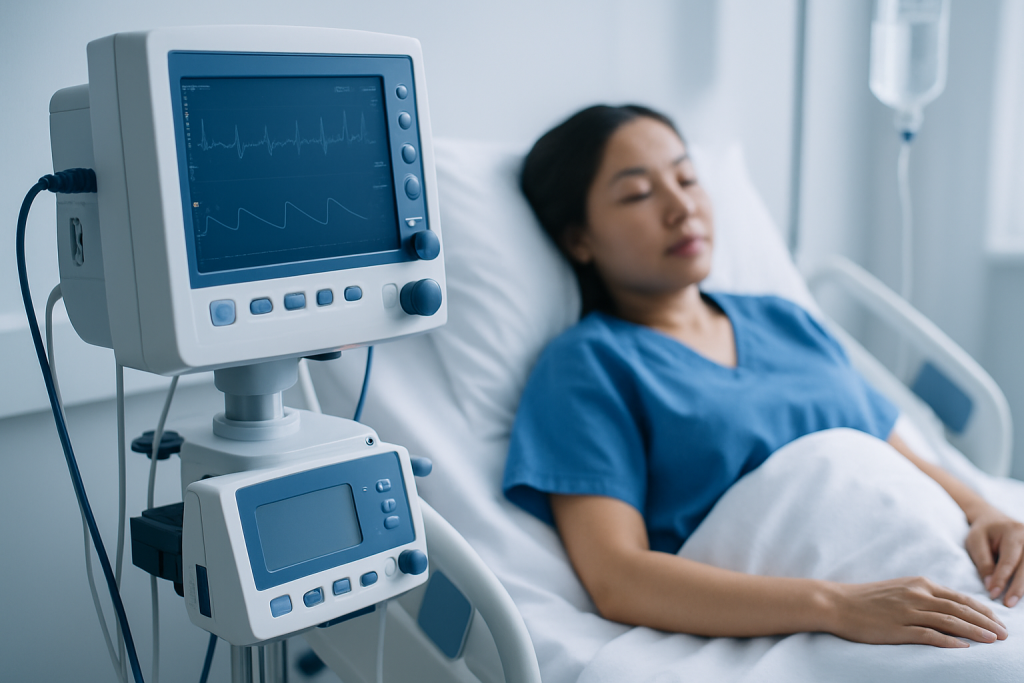
In the first days after myomectomy, it is common to feel tired, sore, and a little slower than usual. Pain is often described as manageable discomfort around the incision sites or lower abdomen, along with bloating or gas pain. Some vaginal spotting or light bleeding can also occur as the uterus heals.
Energy often returns gradually rather than all at once. Many patients notice that short walks feel helpful, but longer outings may still be tiring. This early phase is often the time when international travelers realize that even if they feel “better,” their body may still need more rest before a long journey.
Emotional recovery matters too. Patients may feel relieved that the fibroids have been removed, but also cautious, impatient, or uncertain about what is normal. Reassurance from the care team, along with written discharge instructions, can make the days after surgery easier to navigate.
Causes & Risk Factors

Myomectomy is usually recommended because fibroids are causing symptoms or interfering with fertility or pregnancy plans. Recovery itself can be influenced by factors such as the number of fibroids removed, the depth of the uterine incisions, whether the surgery was open or minimally invasive, and whether any unexpected bleeding occurred during the procedure.
Some patients may recover more slowly if they have anemia before surgery, are prone to constipation, smoke, have other medical conditions, or have limited support during the first days after discharge. These factors do not prevent a good outcome, but they may affect the pace of healing and the practicality of travel.
For international patients, travel-related factors also matter. Long flights, carrying luggage, dehydration, sleep disruption, and limited access to the operating team after discharge can all make the recovery period more demanding. That is why the timing of the trip home should be discussed with the surgeon rather than decided by the calendar alone.
Diagnosis and Postoperative Monitoring
Before going home, the surgical team usually checks whether the patient is stable, able to walk safely, drink fluids, urinate, and manage pain with the prescribed plan. They may also review the incision sites, bleeding expectations, and activity limits. For patients staying in another country, this discharge conversation is one of the most important parts of care.
Follow-up appointments may be arranged to review wound healing, symptoms, and pathology results if tissue was sent for testing. Depending on the surgery and the patient’s condition, this may happen before travel home, after arrival back home, or through a telemedicine visit. It helps to clarify who will be responsible for follow-up if a concern appears after the patient leaves the country.
Typical monitoring includes watching for signs of infection, changes in bleeding, bowel function, urinary symptoms, and mobility. Patients should be told what is expected during healing and what is not, so that they can respond quickly without feeling alarmed by ordinary recovery changes.
Treatment Options
In recovery, treatment is mostly supportive and focused on comfort, healing, and safe movement. Pain relief, incision care, hydration, and gentle walking are commonly part of the plan. If the surgery was open, support for the abdominal wall and longer rest may be needed compared with a minimally invasive procedure.
Travel timing is often linked to these practical realities. Some patients may be medically ready for a short flight after a few days if the surgery was minimally invasive and recovery is uncomplicated, while others need a longer stay near the hospital or in the city where surgery was performed. The safest choice depends on the surgeon’s assessment, the distance of travel, and the patient’s overall condition.
When flying is planned, the care team may suggest measures such as moving around during the journey when allowed, drinking enough water, avoiding heavy lifting, and keeping important documents, medications, and contact details in carry-on luggage. These steps are simple, but they can make a meaningful difference during a long trip home.
Prevention & Self-care
Self-care after myomectomy is often about protecting the healing uterus and helping the patient regain normal energy gradually. Rest is important, but complete immobility is usually not ideal. Short, regular walks are often encouraged because they can help circulation, reduce stiffness, and support bowel function.
Other helpful habits include drinking enough fluids, eating light meals if appetite is reduced, avoiding constipation, and following all instructions about wound care and showering. Patients are usually advised not to lift heavy bags or strain their abdomen too soon, which is especially relevant for international travelers managing suitcases and airport transfers.
Planning ahead can prevent unnecessary stress. Before leaving the hospital, it is useful to ask about the expected timeline for return to work, exercise, sexual activity, and long-distance travel. A written plan, a list of medications, and the surgeon’s contact details can make follow-up much smoother after the patient returns home.
When to See a Doctor
Recovery after myomectomy is usually gradual, but some symptoms deserve prompt medical attention. Fever, worsening redness or drainage from the incision, foul-smelling discharge, heavy vaginal bleeding, severe or increasing abdominal pain, vomiting that prevents fluid intake, shortness of breath, chest pain, or swelling and pain in one leg should be reviewed quickly by a doctor.
International patients should also seek advice if they feel unsure about the safety of traveling. If the patient has not yet had a post-op check, is still needing strong pain relief, is dizzy when standing, or cannot walk comfortably through an airport, the trip may need to be delayed. It is better to adjust the schedule than to risk a difficult journey.
Questions about stitches, wound care, medication instructions, or fit to fly should be directed to the surgeon or a qualified local physician. If care was arranged abroad, Acibadem Health Point’s multidisciplinary specialists and JCI-accredited hospitals can help diagnose and treat this condition for international patients, with planning that supports both surgery and recovery. The goal is a calm, medically guided return home rather than a rushed departure.
Frequently asked questions
How long should an international patient stay after a myomectomy?
There is no single answer, because the safe time to travel depends on the type of surgery and how recovery is progressing. Minimally invasive procedures often allow an earlier return than open surgery, but the surgeon should confirm when flying is reasonable.
Is it normal to feel bloated after myomectomy?
Yes, bloating and gas discomfort are common early after surgery, especially in the first few days. Gentle walking, fluids, and following the postoperative diet advice can help, but worsening swelling or severe pain should be checked.
Can a patient fly home a few days after surgery?
Sometimes, but only if the surgeon feels the patient is stable and the trip is unlikely to cause problems. The decision should consider pain control, mobility, bleeding, clot risk, and whether help will be available during travel.
What should a patient pack for the trip home?
It helps to carry discharge papers, medication lists, prescribed medicines, wound-care supplies if advised, and contact details for the surgical team. Comfortable clothing, water, and anything needed to avoid heavy lifting are also useful.
When can normal exercise resume after myomectomy?
Light walking is often encouraged early, but more strenuous exercise usually waits until the surgeon confirms healing is on track. The timeline varies widely, especially after open surgery or when several fibroids were removed.
Do fibroids come back after myomectomy?
Fibroids can recur in some patients over time, although many do well for years after surgery. Regular gynecologic follow-up helps monitor symptoms and discuss future fertility or treatment needs if they arise.
References
- American College of Obstetricians and Gynecologists
- Mayo Clinic
- NHS
- Cleveland Clinic
- World Health Organization
This article is for general information only and is not a substitute for professional medical advice. Please consult a qualified doctor about your individual situation.
More from the Health Library



Related Specialists

Prof. Dr. A. Taner Usta
Gynecology & Obstetrics
Prof. Dr. Ahmet Tayyar
Gynecology & Obstetrics
Prof. Dr. Ahmet Cem Batukan
Gynecology & Obstetrics
Dr. Sevgi Selen
Gynecology & Obstetrics