Can You Get a Period and Still Be Pregnant?

Key Takeaways
- A true menstrual period does not occur during pregnancy because ovulation and shedding of the uterine lining stop.
- Light bleeding in early pregnancy can happen for several reasons, including implantation bleeding or cervical changes.
- Any bleeding in pregnancy deserves medical attention if it is heavy, painful, or accompanied by dizziness or fever.
- A home pregnancy test and a clinician’s evaluation can help clarify whether bleeding is linked to pregnancy.
- People traveling for care should seek prompt guidance rather than waiting for symptoms to settle on their own.
A true period does not happen during pregnancy, but some people do experience bleeding that can be mistaken for a menstrual period. Understanding the difference can help with early pregnancy recognition and timely medical care.
Overview
The short answer is no: a true period and a continuing pregnancy do not happen at the same time. Menstrual bleeding occurs when a pregnancy has not started and the uterine lining is shed; during pregnancy, that cycle is interrupted.
What often creates confusion is that some people have bleeding in early pregnancy that looks period-like. It may be light, brief, or unexpected, and it can happen close to the time a period was due. That is why the question can you get a period and still be pregnant is so common, especially when the timing feels familiar.
For anyone trying to understand a possible pregnancy from another country or while preparing to travel, it helps to know that bleeding is a symptom, not a diagnosis. The safest next step is to confirm pregnancy status with a test and, if needed, a clinician’s assessment.
Why Bleeding Can Be Mistaken for a Period
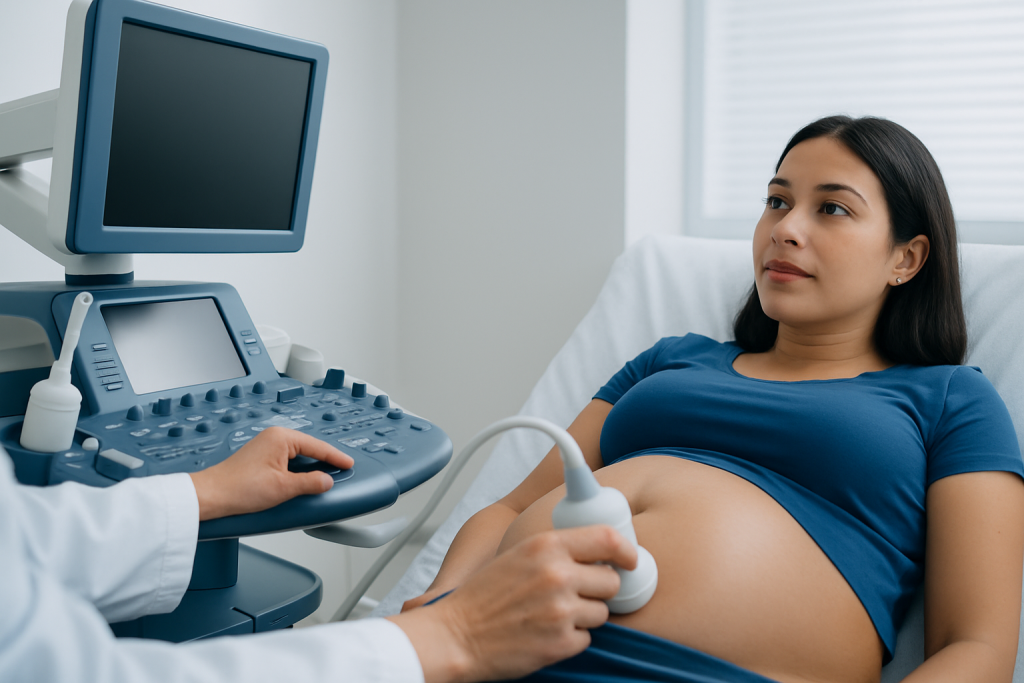
Bleeding in early pregnancy can resemble a period in color, timing, or amount, but the cause is different. One common explanation is implantation bleeding, which may occur when a fertilized egg attaches to the uterine lining. This bleeding is usually lighter than a regular period and shorter in duration.
Other pregnancy-related causes include cervical sensitivity, hormonal shifts, or small areas of bleeding around the developing placenta. Sometimes bleeding is unrelated to pregnancy and reflects a vaginal infection, cervical polyp, or another gynecologic issue. Because the possibilities vary, it is not possible to tell the cause by appearance alone.
It is also worth noting that some people misread early pregnancy symptoms as signs of an approaching period. Breast tenderness, cramping, fatigue, and mood changes can overlap with premenstrual symptoms, which can delay recognition of pregnancy.
Symptoms That May Point to Pregnancy Instead of a Period
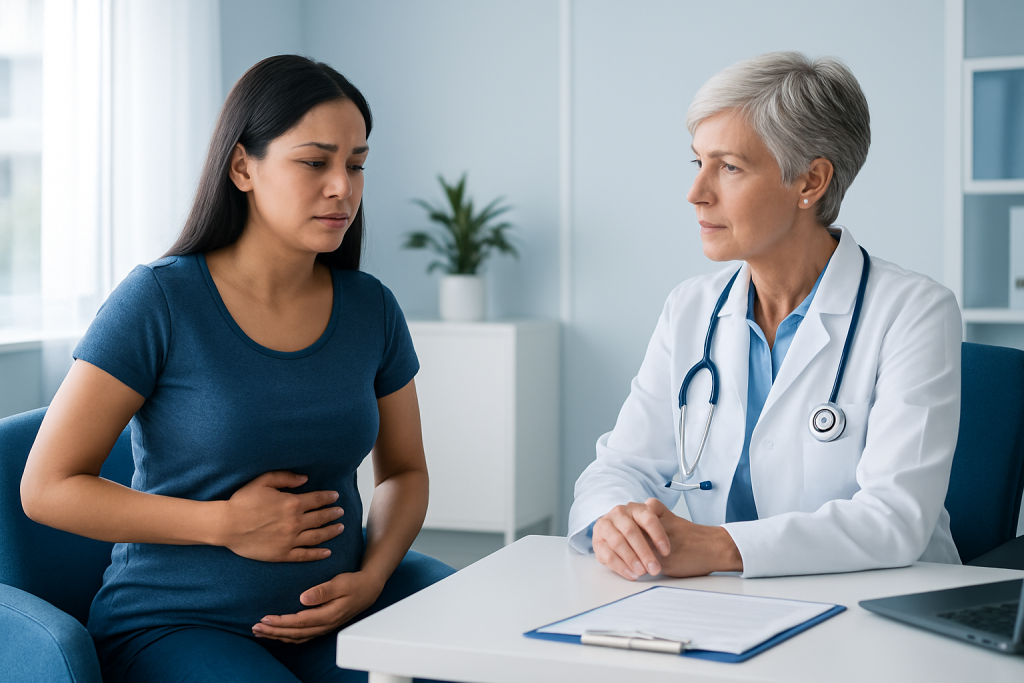
When bleeding is accompanied by pregnancy symptoms, the picture may be more suggestive of early pregnancy than a routine menstrual cycle. Common signs include nausea, breast tenderness, increased urination, fatigue, food aversions, and a missed or unusually light period.
Mild cramping can happen in both menstruation and early pregnancy, so it does not by itself confirm one or the other. The pattern matters: very light spotting, brief bleeding, or bleeding after sex may fit pregnancy-related changes more than a standard period.
If someone is unsure, a home pregnancy test can provide a useful first answer, especially after a missed period. If the result is unclear or symptoms continue, a clinician may recommend repeat testing or an ultrasound, depending on timing.
Causes and Risk Factors for Bleeding in Early Pregnancy
Not all bleeding during pregnancy is dangerous, but it should always be taken seriously. Common causes include implantation bleeding, cervical irritation, and hormonal changes in the earliest weeks. In some cases, bleeding can also occur with subchorionic bleeding, when a small amount of blood collects between the pregnancy tissues and the uterus.
Risk factors vary. A history of miscarriage, ectopic pregnancy, fertility treatment, smoking, certain infections, or prior cervical procedures may increase the likelihood of bleeding or warrant closer monitoring. Still, bleeding can also happen in pregnancies with no known risk factors.
Because some causes are benign while others need urgent care, the context is important. The amount of blood, the presence of pain, and how far along the pregnancy may help guide the next step, but medical evaluation is the only reliable way to sort out the cause.
How Doctors Evaluate Bleeding When Pregnancy Is Possible
When a person reports bleeding and pregnancy is possible, clinicians usually begin with a pregnancy test if one has not already been done. If the test is positive, the next steps may include a pelvic examination, blood tests that measure pregnancy hormone levels, and an ultrasound when appropriate.
These checks help determine whether the pregnancy is developing inside the uterus, whether the timing matches the amount of hormone seen, and whether another explanation for the bleeding should be considered. If the pregnancy test is negative but bleeding is unusual, the clinician may look for other gynecologic causes.
For Myomectomy Recovery for International Patients: The Usual Travel Timeline" class="ahp-ilk">international patients, it can be helpful to bring the dates of the last menstrual period, any test results, and details about bleeding patterns, pain, and medication use. Clear information makes evaluation faster and more precise, especially if follow-up care may happen after travel.
Treatment Options and What Usually Happens Next
Treatment depends on the cause of the bleeding. If the bleeding is light and pregnancy is healthy, a clinician may recommend observation and follow-up. If an infection is found, treatment may involve appropriate medication. If there is concern for ectopic pregnancy, miscarriage, or another urgent condition, more immediate treatment is needed.
People should avoid self-treating with leftover medications or assuming that bleeding will resolve without assessment. Even when bleeding turns out to be harmless, it is reassuring to know that the pregnancy location and status have been checked properly.
In some situations, follow-up may include repeat ultrasound or hormone testing over several days. This staged approach can be especially helpful for those coordinating care while traveling, because it allows doctors to confirm what is happening before making decisions about return plans or ongoing monitoring.
Prevention and Self-care
There is no guaranteed way to prevent all bleeding in early pregnancy, but some practical steps can reduce uncertainty and support safety. If pregnancy is possible, taking a test after a missed period can clarify what is happening sooner. Keeping track of cycle dates, bleeding amount, pain, and test results can also make medical advice more accurate.
While waiting for evaluation, it is sensible to rest, stay hydrated, and avoid inserting anything into the vagina unless a clinician has advised otherwise. If bleeding is more than spotting, using pads rather than tampons makes it easier to monitor the amount.
For people planning travel or already away from home, having the contact information for a trusted clinic can reduce stress if symptoms begin. A prepared plan helps when questions arise suddenly and decisions need to be made in a different healthcare system.
When to See a Doctor
Any bleeding that happens when pregnancy is possible should be discussed with a doctor or midwife, especially if the pregnancy test is positive. Medical review is particularly important if the bleeding is heavy, persistent, painful, or accompanied by fever, fainting, shoulder pain, or dizziness.
Urgent evaluation is also needed if there is one-sided pelvic pain or if someone has a history of ectopic pregnancy. These symptoms can signal a condition that needs prompt treatment, and waiting at home is not the safest choice.
If the person is traveling, has no local obstetrician, or is unsure where to go, seeking timely care at a reputable hospital is a reasonable step. Acibadem Health Point’s multidisciplinary specialists and JCI-accredited hospitals diagnose and treat this condition for international patients in a coordinated setting.
Frequently asked questions
Can you get a period and still be pregnant?
No. A true menstrual period does not occur during an ongoing pregnancy because the uterine lining is not shed in the usual cycle. However, bleeding can happen in pregnancy and may be mistaken for a period.
Is spotting in early pregnancy normal?
Light spotting can happen in early pregnancy and is sometimes harmless. Even so, it should be reported to a clinician if pregnancy is confirmed or suspected.
How can someone tell the difference between a period and pregnancy bleeding?
A period usually becomes a familiar flow over several days, while pregnancy-related bleeding is often lighter and shorter. Symptoms alone are not enough to tell the difference, so a pregnancy test is usually the most helpful first step.
Can a home pregnancy test be wrong if there is bleeding?
Yes, timing matters. A test done too early may be negative even if pregnancy has begun, and repeat testing may be needed a few days later.
When is bleeding during pregnancy an emergency?
Heavy bleeding, severe pain, fainting, shoulder pain, fever, or one-sided pelvic pain should be assessed urgently. These signs can indicate a problem that needs immediate medical attention.
Should someone travel if they are bleeding and might be pregnant?
If symptoms are mild and a clinician has not identified a serious issue, travel may still be possible with guidance. If the bleeding is unexplained or worsening, it is safer to seek evaluation before traveling.
References
- American College of Obstetricians and Gynecologists
- Mayo Clinic
- NHS
- March of Dimes
- World Health Organization
This article is for general information only and is not a substitute for professional medical advice. Please consult a qualified doctor about your individual situation.
More from the Health Library



Related Specialists

Prof. Dr. A. Taner Usta
Gynecology & Obstetrics
Prof. Dr. Ahmet Tayyar
Gynecology & Obstetrics
Prof. Dr. Ahmet Cem Batukan
Gynecology & Obstetrics
Dr. Sevgi Selen
Gynecology & Obstetrics