Placenta Accreta

Key Takeaways
- Placenta accreta happens when the placenta grows too deeply into the uterine wall.
- It often causes no symptoms during pregnancy and is usually found on ultrasound or MRI.
- Previous cesarean delivery and placenta previa are important risk factors.
- Delivery is typically planned in a hospital with an experienced multidisciplinary team.
- A clear birth and recovery plan can reduce risks and support safer outcomes.
Placenta accreta is a pregnancy complication in which the placenta attaches too deeply into the uterus, making delivery more complex. Early recognition, careful planning, and specialist care help protect both mother and baby.
Overview
Placenta accreta is a condition that develops during pregnancy when the placenta attaches too firmly or too deeply into the wall of the uterus. In a healthy pregnancy, the placenta separates after birth. With placenta accreta, that separation becomes difficult and can lead to heavy bleeding if it is not managed carefully.
The condition is part of a spectrum that also includes placenta increta and placenta percreta, which describe increasingly deep growth into or through the uterine wall. Although the term may sound daunting, the most important step is not panic; it is early planning with an experienced obstetric team so that delivery can be organized safely.
For international patients, this diagnosis often means a quick shift from routine maternity planning to more specialized care. That can include additional imaging, discussions about timing of delivery, and coordination between obstetricians, anesthesiologists, blood bank teams, and sometimes surgeons from other specialties.
Symptoms and Warning Signs
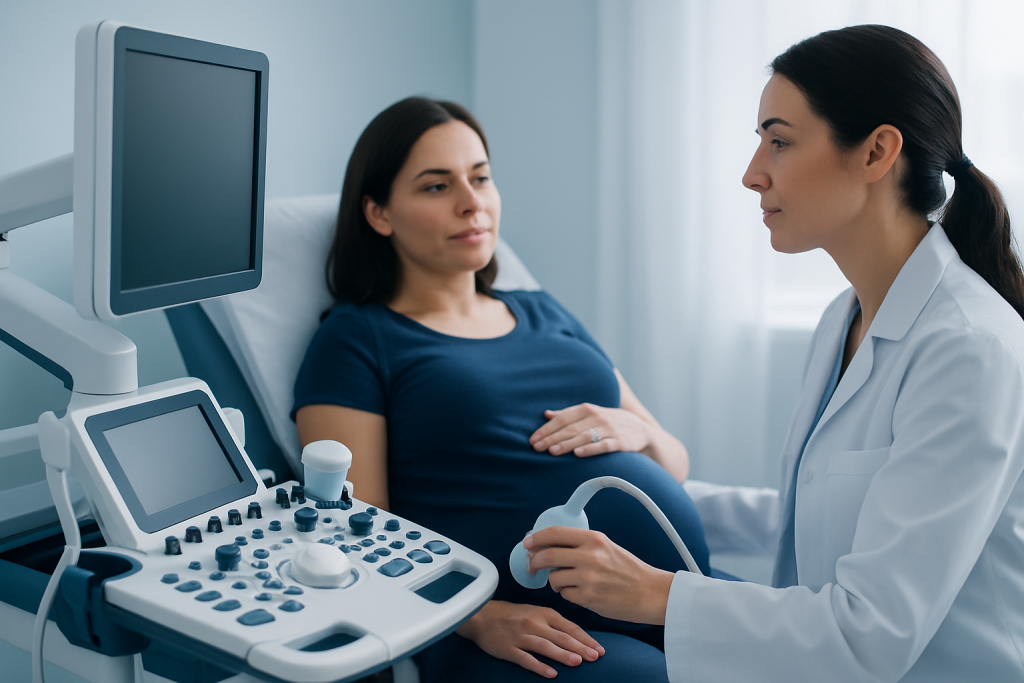
Placenta accreta does not always cause obvious symptoms during pregnancy, which is one reason it is often discovered during prenatal imaging. Some patients learn about it only after an ultrasound suggests an unusually positioned placenta or a placenta that does not look as expected.
When symptoms do appear, they are usually related to placental location rather than the accreta itself. Vaginal bleeding in the second or third trimester may occur, especially if placenta previa is also present. Some people may feel contractions or notice discomfort, but many have no clear warning signs at all.
After delivery, the placenta may fail to come away normally, or bleeding may be more than expected. These situations are managed in the hospital setting, where careful monitoring and rapid response are available if needed.
- No symptoms at all during pregnancy is common
- Bleeding in later pregnancy may occur, especially with placenta previa
- Unexpected difficulty delivering the placenta after birth is a key clue
- Heavy bleeding after delivery requires immediate medical attention
Causes and Risk Factors
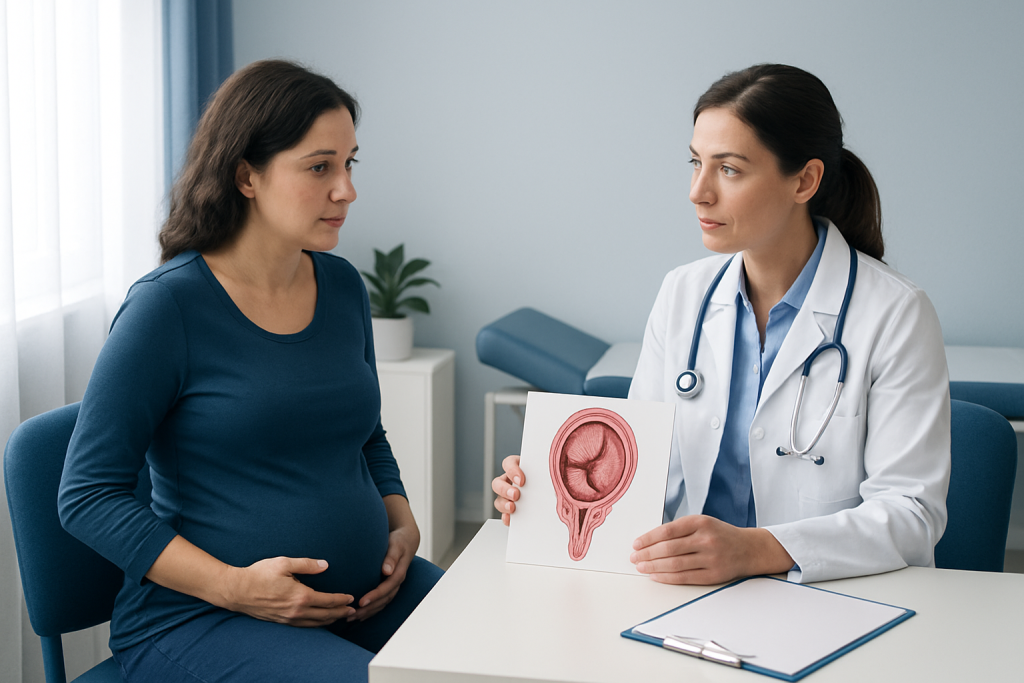
Placenta accreta develops when the normal boundary between the placenta and the uterine wall is altered. Scarring or structural changes in the uterus can affect where the placenta attaches and how deeply it grows. The condition is not caused by anything the patient did or did not do during pregnancy.
The strongest risk factor is a history of cesarean delivery, especially when there have been multiple cesareans. Other uterine surgeries, such as procedures for fibroids or prior dilation and curettage, may also increase risk. Placenta previa, where the placenta covers all or part of the cervix, is another important factor.
Risk can also be higher in people with advanced maternal age, multiple previous pregnancies, or certain uterine abnormalities. Because these factors are known ahead of time, prenatal records matter; they help the care team decide who needs closer imaging and delivery planning.
- Previous cesarean births
- Placenta previa
- Prior uterine surgery
- Prior procedures involving the uterine lining
- Multiple pregnancies or advanced maternal age
Diagnosis
Diagnosis usually begins with a careful review of pregnancy history, including prior surgeries and previous deliveries. If risk factors are present, the obstetric team often watches the placenta more closely during routine ultrasound exams.
Ultrasound is the main tool used to look for placenta accreta. Doctors may look for signs such as abnormal placental position, unusual blood flow, or the placenta appearing too closely attached to the uterine wall. In some cases, magnetic resonance imaging, or MRI, is used to give more detail, especially when the placenta’s location makes ultrasound interpretation less certain.
No single test is perfect, which is why diagnosis is often based on a combination of imaging, medical history, and specialist judgment. For a patient traveling for care, bringing prior scan reports and operative notes from earlier births can be very helpful, because those details may change the delivery plan.
Treatment Options
Treatment depends on the severity of the condition, the placenta’s location, the amount of bleeding risk, and the baby’s gestational age. In many confirmed cases, the safest plan is a scheduled delivery in a hospital equipped for high-risk obstetrics and rapid blood management.
One common approach is planned cesarean delivery followed by careful management of the placenta, which may include leaving the placenta in place if removal would be unsafe. In some situations, a cesarean hysterectomy, meaning removal of the uterus at the time of delivery, is recommended to control bleeding and protect the patient’s health. The right choice depends on the individual case and should be discussed in detail with the medical team.
Supportive care may include blood transfusion preparedness, anesthesia planning, neonatal care, and coordination with surgeons if nearby organs could be involved. The focus is always on a controlled, step-by-step approach rather than a rushed delivery.
- Planned delivery in a specialized hospital
- Multidisciplinary surgical and anesthesia planning
- Blood bank preparation if heavy bleeding is possible
- Observation or delayed management in selected cases
- Hysterectomy in some severe situations
Recovery and Follow-Up
Recovery depends on the type of delivery and whether additional surgery was needed. If a cesarean hysterectomy is performed, the hospital stay may be longer and follow-up more structured. The care team usually monitors bleeding, pain control, wound healing, and overall recovery closely before discharge.
Emotional recovery matters as well. A placenta accreta diagnosis can reshape expectations about childbirth, future fertility, and the pace of postpartum healing. Patients benefit from honest discussions about what was done during delivery, what symptoms to watch for, and when they can safely return to normal activity or travel.
International patients may need a clear discharge summary, postoperative instructions, and a plan for follow-up with a local physician after returning home. Good communication across borders helps ensure continuity of care and avoids confusion about medications, wound care, or warning signs.
Prevention and Self-Care
Placenta accreta cannot always be prevented, but some steps can lower the chance of missed risk and help prepare for safer care. The most practical measure is to keep a complete obstetric and surgical history available, especially if there were previous cesarean deliveries or uterine procedures.
During pregnancy, attending prenatal visits and sharing any past imaging or operative reports can make a meaningful difference. If a clinician identifies placenta previa or suspects abnormal placental attachment, it is important to follow the recommended scan schedule and care plan rather than waiting for symptoms.
Self-care is mainly about preparation: understanding the diagnosis, arranging reliable transportation to the hospital, and making sure the delivery center has the right expertise. Patients should also ask how follow-up will work after discharge, particularly if they are receiving treatment away from home.
- Keep records of prior cesarean sections and uterine procedures
- Attend all prenatal imaging and specialist appointments
- Follow instructions about timing and place of delivery
- Arrange postpartum support and follow-up before travel
When to See a Doctor
Any pregnant person with vaginal bleeding, especially in the second or third trimester, should contact a doctor promptly. Bleeding does not always mean placenta accreta, but it does deserve medical evaluation without delay.
It is also wise to ask for specialist review if there is a history of multiple cesareans, prior uterine surgery, or placenta previa. Early referral allows the team to plan imaging, discuss birth timing, and organize the right hospital setting before an emergency develops.
If placenta accreta is suspected or confirmed, patients should seek care from a team experienced in high-risk pregnancy and complex delivery planning. Acibadem Health Point brings together multidisciplinary specialists in JCI-accredited hospitals to diagnose and treat this condition for international patients, with coordinated support before, during, and after delivery.
Frequently asked questions
What is the main sign of placenta accreta?
There is often no obvious sign during pregnancy. When symptoms do occur, they are more commonly related to placenta previa, such as vaginal bleeding later in pregnancy. Many cases are found on ultrasound before delivery.
Can placenta accreta be seen on ultrasound?
Yes, ultrasound is the main test used to look for placenta accreta. In some cases, MRI is added for more detail, especially when the placenta is in a difficult-to-see location.
Is placenta accreta dangerous?
It can be serious because of the risk of heavy bleeding at delivery. With early diagnosis and a planned hospital birth, the medical team can prepare carefully and reduce avoidable risk.
Does placenta accreta always mean hysterectomy?
Not always, but hysterectomy is sometimes the safest option, especially in severe cases. The decision depends on how deeply the placenta is attached, how much bleeding is expected, and the overall delivery plan.
Can a person with placenta accreta have another pregnancy later?
That depends on the treatment used, especially if the uterus was removed. If fertility is preserved, future pregnancy may still carry significant risk and should be discussed with a specialist beforehand.
What should an international patient bring to a consultation?
Previous ultrasound reports, operative notes from cesarean deliveries or uterine procedures, blood test results, and any discharge summaries are all useful. These records help the team build a safer, more complete plan.
References
- American College of Obstetricians and Gynecologists
- Royal College of Obstetricians and Gynaecologists
- Mayo Clinic
- World Health Organization
This article is for general information only and is not a substitute for professional medical advice. Please consult a qualified doctor about your individual situation.
More from the Health Library



Related Specialists

Dr. Süreyya Menteş
Gynecology & Obstetrics
Dr. Özgür Bolat
Anesthesiology
Prof. Dr. Süda Tekin
Infectious Diseases & Clinical Microbiology
Assoc. Prof. Dr. Sena Sert Şekercı
Cardiology