Fibroids: Which Symptoms Usually Change the Treatment Plan?

Key Takeaways
- Fibroid treatment is guided more by symptoms and their impact on daily life than by fibroid size alone.
- Heavy or prolonged bleeding often changes the treatment plan because it can lead to anemia and fatigue.
- Pressure symptoms such as frequent urination, constipation, or pelvic fullness may suggest a need for more active treatment.
- Fertility issues, recurrent miscarriage, or pregnancy-related concerns can shift care toward preserving the uterus and improving uterine anatomy.
- A personalized diagnosis is important because fibroids can behave differently depending on their number, location, and growth pattern.
Medically reviewed by the Acıbadem clinical team — June 13, 2026
Fibroids are noncancerous growths in or on the uterus, and the symptoms they cause often guide whether treatment is needed and what type is most appropriate. Some people have no symptoms at all, while others notice bleeding, pelvic pressure, pain, urinary changes, or fertility concerns that deserve a closer look.
Overview
Fibroids are common, noncancerous tumors made of muscle and fibrous tissue that grow in or around the uterus. Many are found by chance during a routine exam or ultrasound, but the ones that shape treatment decisions are usually the ones that interfere with everyday life.
That is why the question is not only “Are fibroids present?” but also “What are they doing?” A fibroid that causes no symptoms may simply be observed, while one that leads to heavy bleeding, pressure, pain, anemia, or fertility concerns may prompt medication, a procedure, or surgery.
For Myomectomy Recovery for International Patients: The Usual Travel Timeline" class="ahp-ilk">international patients considering care away from home, this distinction matters even more. A travel-friendly treatment plan often depends on how urgent the symptoms are, whether follow-up imaging is needed, and whether the goal is symptom control, fertility preservation, or definitive treatment.
Symptoms That Usually Change the Treatment Plan
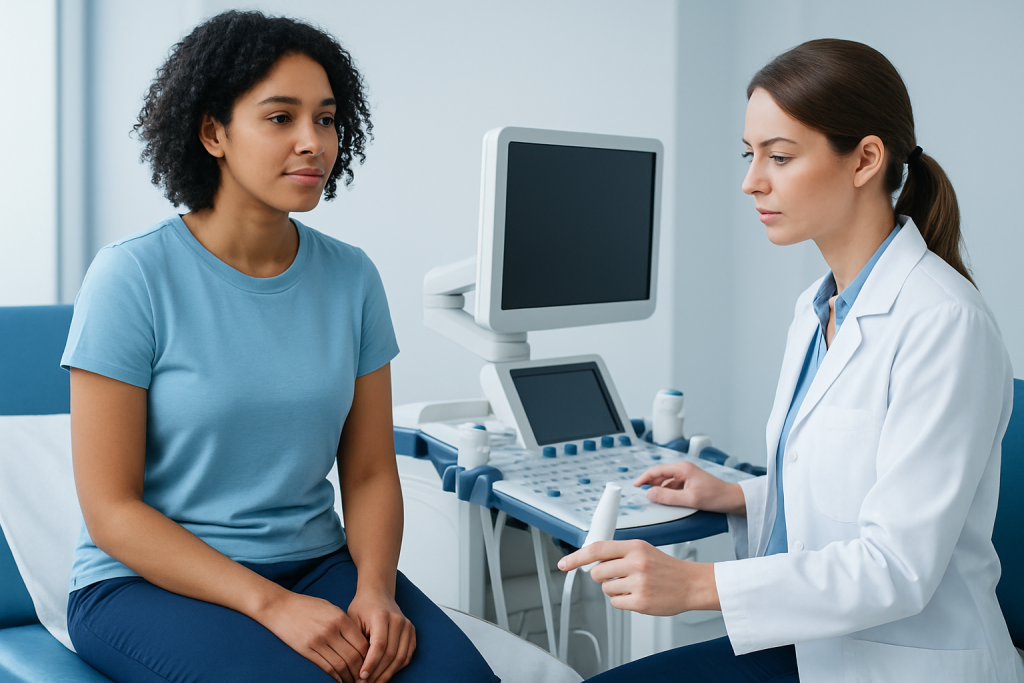
Some symptoms are more likely than others to move fibroid care from “watch and wait” to active treatment. Heavy menstrual bleeding is one of the most important because it can affect energy, work, sleep, and iron levels. Periods that last longer than expected, require frequent pad or tampon changes, or include clots often deserve medical evaluation.
Pelvic pressure is another symptom that can change the plan. A fibroid pressing on the bladder may cause frequent urination or a sense of not emptying completely, while pressure on the bowel may lead to constipation or bloating. When a person feels a persistent sense of fullness, heaviness, or an enlarging abdomen, treatment may be considered even if pain is not severe.
Fertility-related symptoms also matter. Fibroids that distort the uterine cavity can affect conception, increase the chance of miscarriage, or complicate pregnancy in some cases. In those situations, clinicians often choose the approach most likely to protect reproductive goals.
- Heavy or prolonged menstrual bleeding
- Anemia-related fatigue, dizziness, or shortness of breath
- Pelvic pain or a feeling of pressure
- Frequent urination or constipation from bulk effects
- Difficulty becoming pregnant or repeated pregnancy loss
- Rapidly worsening symptoms that disrupt daily life
Causes & Risk Factors
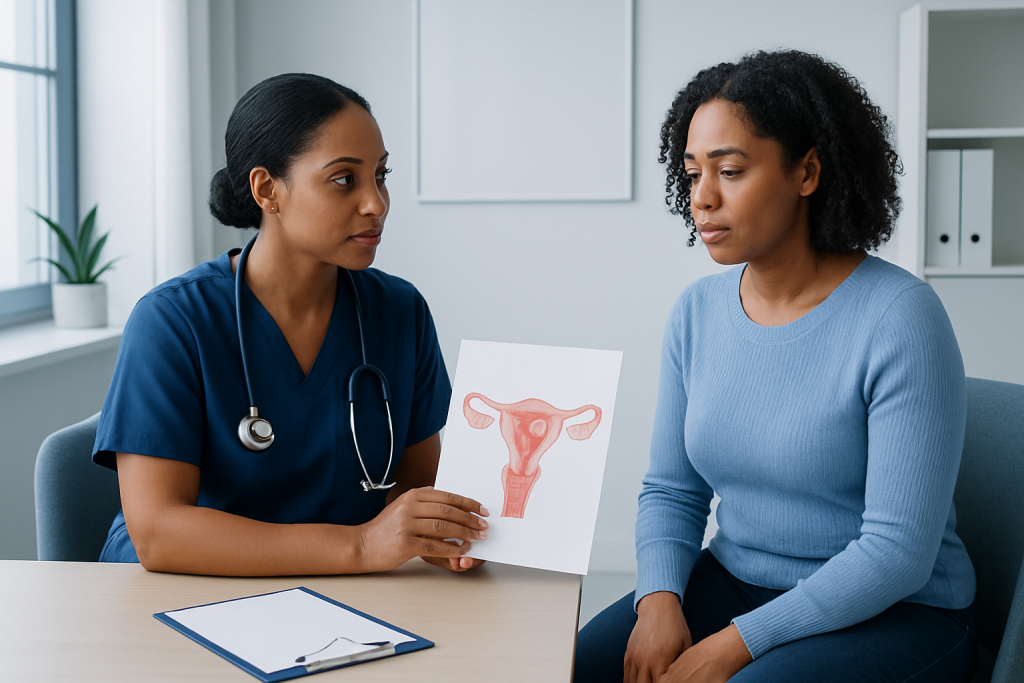
The exact cause of fibroids is not fully understood, but hormones and genetics play important roles. Fibroids tend to grow during the reproductive years and may shrink after menopause, which is one reason age and hormonal status influence treatment choices.
Family history can increase the likelihood of developing fibroids. Other factors associated with a higher chance of fibroids include earlier onset of periods, certain body composition patterns, and, in some people, having never been pregnant. These are risk factors, not predictions, so they do not determine whether symptoms will be severe.
Location also matters. A fibroid inside the uterine cavity may cause heavy bleeding or fertility issues more often than a fibroid on the outer surface of the uterus. Larger or multiple fibroids are more likely to create pressure symptoms, but even a smaller fibroid can cause significant symptoms if it sits in a sensitive location.
Diagnosis
Diagnosis usually begins with a discussion of symptoms, menstrual patterns, pregnancy history, and any sense of pressure or pain. A pelvic exam may suggest an enlarged or irregularly shaped uterus, but imaging is often needed to understand the number, size, and position of the fibroids more clearly.
Ultrasound is the most common starting test. In some cases, magnetic resonance imaging (MRI) is used to map fibroids in more detail, especially when planning a procedure or when fertility preservation is important. Blood tests may also be ordered to check for anemia if bleeding has been heavy.
The details found during diagnosis often determine the treatment direction. For example, a patient with small, asymptomatic fibroids may only need periodic monitoring, while someone with submucosal fibroids and heavy bleeding may be better served by a procedure that removes or treats the fibroid directly.
Treatment Options
There is no single best treatment for all fibroids because symptoms, age, fertility plans, and fibroid location all affect the decision. When symptoms are mild, monitoring may be enough. When symptoms are more disruptive, treatment may aim to reduce bleeding, relieve pressure, improve fertility, or prevent recurrence.
Medication can help manage symptoms for some patients. Hormonal therapies and other medicines may reduce bleeding or ease pain, although they do not remove the fibroid itself. Iron therapy may be recommended when heavy bleeding has caused anemia. For patients with stronger symptoms, procedures such as myomectomy, uterine artery embolization, or hysteroscopic removal may be considered depending on the fibroid’s location and the patient’s goals.
Hysterectomy, which removes the uterus, is the most definitive option for people who do not wish to preserve fertility and want a long-term solution. The choice is highly individual, and a good treatment plan usually balances symptom relief with recovery time, future pregnancy plans, and how much follow-up care will be needed after returning home.
Prevention & Self-care
Fibroids cannot always be prevented, but symptom tracking can make a meaningful difference. Keeping a simple record of period length, bleeding volume, pain, urinary frequency, and missed activities helps clinicians understand whether symptoms are changing over time.
For people with heavy bleeding, rest, hydration, and iron-rich foods may support general well-being, though they do not replace medical treatment when anemia is present. Some patients also find that a regular routine, gentle movement, and heat for pelvic discomfort help them cope while they are awaiting evaluation or treatment.
International patients often benefit from planning ahead before travel or surgery. Bringing prior imaging, blood test results, and a list of symptoms in chronological order can make consultations more efficient. It is also wise to ask how follow-up will work after the patient returns home, especially if medication adjustments or repeat scans may be needed.
When to See a Doctor
Medical review is a good idea when periods become noticeably heavier, longer, or more painful, even if the symptoms seem manageable at first. It is also important to seek care when fibroid symptoms start affecting sleep, work, exercise, intimacy, or emotional well-being.
Prompt evaluation is especially helpful if there are signs of anemia, such as unusual tiredness, pale skin, dizziness, or shortness of breath. Fertility concerns, a rapidly enlarging abdomen, new pelvic pain, or pressure symptoms that interfere with urination or bowel movements should also be discussed with a gynecologist.
For people traveling for treatment, the best next step is usually a consultation with a gynecologist who can confirm the diagnosis and outline options that fit the patient’s goals. Acibadem Health Point’s multidisciplinary specialists and JCI-accredited hospitals can diagnose and treat fibroids for international patients, with care planning that takes recovery and follow-up into account.
Living With Fibroids Between Visits
Fibroids often need thoughtful monitoring rather than immediate intervention, and that period between visits can be active, not passive. Symptom changes can be tracked at home, medications can be reviewed for effectiveness, and questions about fertility or future pregnancy can be prepared in advance for the next appointment.
When symptoms are stable, many people continue normal routines with only modest adjustments. When symptoms fluctuate, it can help to note what seems to trigger worsening discomfort, how bleeding affects energy, and whether new symptoms are emerging. Those observations give clinicians a clearer picture than a single snapshot in the exam room.
Because fibroid care is so dependent on the symptom pattern, two people with the same ultrasound result may receive very different treatment plans. The most useful plan is the one that fits the body in front of the clinician, the patient’s goals, and the practical realities of treatment and recovery.
Frequently asked questions
Can fibroids go away without treatment?
Some fibroids may stay stable for years, and others may shrink after menopause when hormone levels change. Fibroids do not always disappear on their own, so monitoring is still important if symptoms are present.
Which fibroid symptom is most likely to change treatment?
Heavy menstrual bleeding often changes the plan because it can lead to anemia and affect daily life. Significant pressure symptoms or fertility concerns can also shift treatment toward a more active approach.
Does fibroid size decide treatment?
Size matters, but it is not the only factor. A smaller fibroid in the uterine cavity may cause more symptoms than a larger one on the outside of the uterus, so location and symptom pattern are just as important.
Can fibroids affect fertility?
Some fibroids can interfere with conception or pregnancy, especially if they change the shape of the uterine cavity. Many people with fibroids still conceive and have healthy pregnancies, so individual assessment is essential.
What tests are usually used to check fibroids?
Ultrasound is commonly used first, and MRI may be added when more detail is needed. Blood tests may also be ordered if heavy bleeding has raised concern for anemia.
When is surgery considered for fibroids?
Surgery is usually considered when symptoms are significant, medicines are not enough, or fertility goals make direct treatment of the fibroid more appropriate. The specific procedure depends on the fibroid’s location, size, and the patient’s preferences.
References
- American College of Obstetricians and Gynecologists
- Mayo Clinic
- National Institute of Child Health and Human Development
- NHS
- World Health Organization
This article is for general information only and is not a substitute for professional medical advice. Please consult a qualified doctor about your individual situation.
More from the Health Library



Related Specialists

Prof. Dr. A. Taner Usta
Gynecology & Obstetrics
Prof. Dr. Ahmet Tayyar
Gynecology & Obstetrics
Prof. Dr. Ahmet Cem Batukan
Gynecology & Obstetrics
Dr. Sevgi Selen
Gynecology & Obstetrics