Pelvic Congestion Syndrome

Key Takeaways
- Pelvic congestion syndrome is usually associated with enlarged pelvic veins and can lead to a heavy, aching, or throbbing pelvic pain.
- Symptoms often worsen after standing for long periods, toward the end of the day, or around menstruation.
- Diagnosis may involve a detailed history, pelvic examination, and imaging studies that look at blood flow in the pelvic veins.
- Treatment can include pain management, hormonal approaches, or minimally invasive procedures such as vein embolization.
- Supportive self-care and follow-up with a qualified clinician can help reduce symptom burden and improve daily function.
Pelvic congestion syndrome is a possible cause of long-lasting pelvic pain, often related to enlarged or poorly draining veins in the pelvis. It is treatable, and a careful evaluation can help distinguish it from other common causes of pelvic discomfort.
Overview
Pelvic congestion syndrome is a condition in which veins in the pelvis become enlarged and blood does not drain as efficiently as it should. Over time, that slowed circulation can contribute to a dull, persistent pelvic pain that is often described as heavy, pressure-like, or aching.
It is more often discussed in women of reproductive age, especially those who have had multiple pregnancies, but the condition is not defined by one single risk factor. Because pelvic pain has many possible causes, pelvic congestion syndrome is usually considered only after a clinician reviews the full pattern of symptoms and excludes other explanations.
For people who travel for care, this can be a frustrating symptom pattern: the discomfort may be present for months, yet routine tests appear normal. A focused evaluation by specialists familiar with pelvic vein disorders can be especially helpful when the pain has not improved with standard treatments.
Symptoms
The most common symptom is chronic pelvic pain lasting for months rather than days. Many people notice that it feels worse when they stand for a long time, sit upright for extended periods, or remain active through the day.
The pain is often described as:
- a deep ache in the lower abdomen or pelvis
- a feeling of heaviness or pressure
- pain that worsens before or during menstruation
- discomfort during or after sex
- pain that may spread to the lower back, hips, or thighs
Some people also notice visible varicose veins in the vulva, buttocks, or upper thighs, although these are not always present. Symptoms can overlap with other conditions such as endometriosis, fibroids, bladder disorders, or musculoskeletal pain, which is one reason the diagnosis is not always straightforward.
Causes & Risk Factors
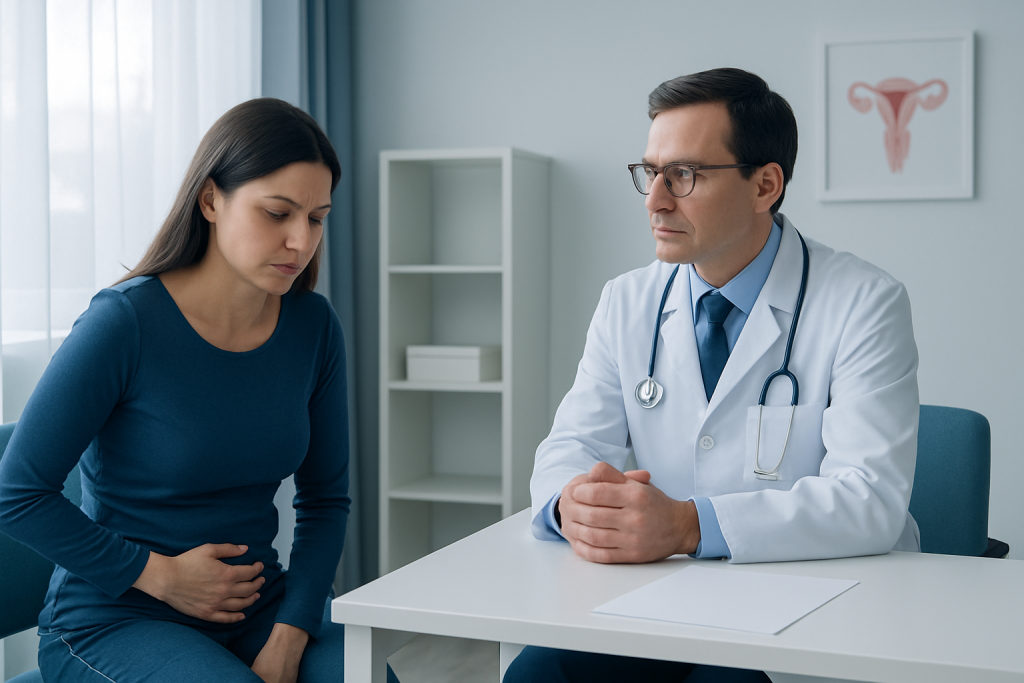
Pelvic congestion syndrome is linked to pelvic veins that become stretched or weakened, allowing blood to pool rather than flow back efficiently. In some cases, vein valves that normally prevent backward flow do not work well, leading to a build-up of pressure in the pelvic venous network.
Several factors may make the condition more likely. Pregnancy can place added pressure on pelvic veins and may contribute to changes in vein size and function. Hormonal influences, particularly estrogen, may also play a role in how vein walls behave. A family history of varicose veins or venous insufficiency may suggest a tendency toward vein-related problems.
Other structural issues can sometimes affect pelvic blood flow, such as compression of a vein by nearby anatomy. Because the causes can vary, a thorough medical history matters. A clinician will often ask about pain timing, pregnancy history, prior vascular issues, and whether symptoms change with posture or activity.
Diagnosis
Diagnosis begins with a careful conversation about symptoms, their timing, and what makes them better or worse. A pelvic examination may be performed, but the exam alone cannot confirm the condition.
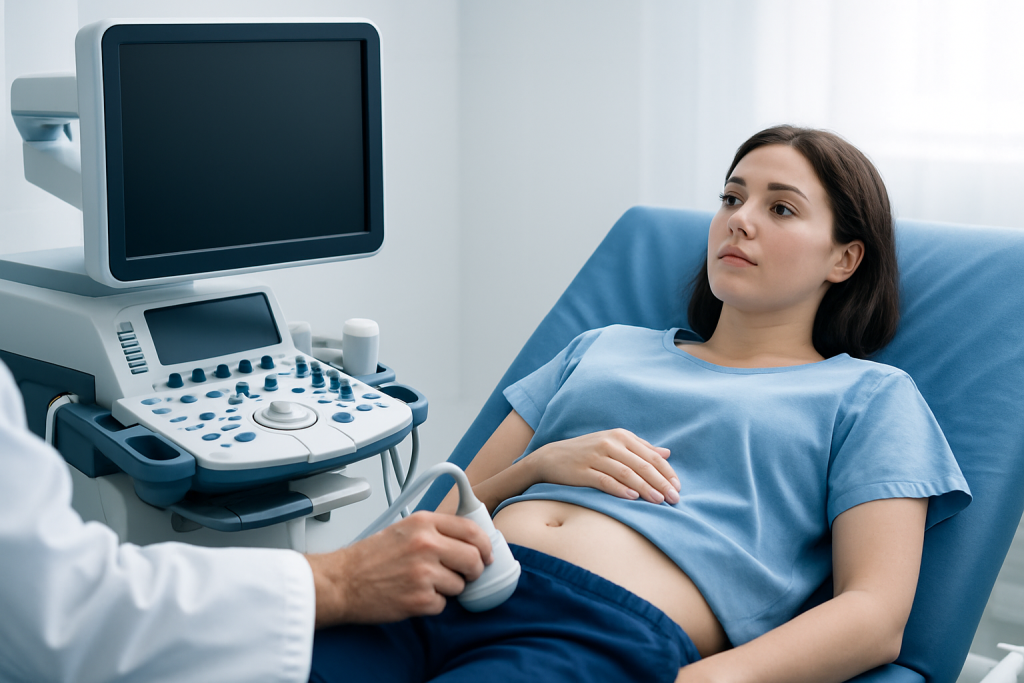
Imaging studies are often used to look for enlarged pelvic veins and abnormal blood flow. Depending on the clinical situation, this may include ultrasound, MRI, CT, or venous imaging studies that provide more detail about the pelvic veins. The exact test plan depends on symptoms, availability, and the need to rule out other causes of pelvic pain.
Because chronic pelvic pain can have several overlapping sources, the diagnosis is often made by combining symptom patterns, examination findings, and imaging results. In some cases, a specialist in gynecology, interventional radiology, or vascular medicine may help clarify whether pelvic congestion syndrome is the likely explanation.
Treatment Options
Treatment is tailored to the person’s symptoms, overall health, and whether future pregnancy is a consideration. The goal is not only to reduce pain but also to restore day-to-day function and help patients feel more in control of their symptoms.
Conservative options may include pain-relief strategies and, in selected cases, hormonal treatment to reduce symptom flares. These approaches can be useful for some patients, especially when symptoms are mild or when a person wants to avoid procedures.
For persistent or more troublesome symptoms, a minimally invasive procedure called vein embolization may be recommended. During this treatment, a specialist closes off the faulty veins so blood can reroute through healthier pathways. It is typically done without open surgery and is often discussed for patients whose symptoms have not improved with other measures.
In some situations, treatment may also involve addressing another condition that is contributing to pelvic pain. That is why it is important not to assume all pelvic pain has a single cause. A complete review helps make treatment more precise and avoids unnecessary delays.
Prevention & Self-care
There is no guaranteed way to prevent pelvic congestion syndrome, especially when vein changes have already developed. Even so, certain habits may help reduce symptom intensity and make daily life more manageable.
Practical self-care steps may include:
- taking short movement breaks if standing or sitting for long periods
- using gentle, regular physical activity as tolerated
- noticing whether symptoms flare around menstruation or after exertion
- keeping a symptom diary to share with the clinician
- using supportive measures recommended by the care team
People who are traveling for treatment may also find it useful to plan rest periods into the visit schedule and to discuss follow-up care before leaving. Recovery plans, especially after a procedure, work best when they are realistic for someone returning home to another country or city.
When to See a Doctor
A medical evaluation is appropriate when pelvic pain lasts for weeks or months, keeps returning, or starts to affect work, sleep, exercise, or intimacy. Persistent pain should not be ignored simply because it has been present for a long time.
It is also wise to seek assessment when symptoms worsen with standing, become more noticeable later in the day, or are associated with visible varicose veins around the pelvis or upper thighs. These clues do not prove pelvic congestion syndrome, but they can help guide the right testing.
Urgent care is important if pelvic pain is sudden, severe, or accompanied by fever, fainting, heavy bleeding, or other alarming changes. For ongoing symptoms, a specialist consultation can help distinguish pelvic congestion syndrome from other gynecologic, urinary, gastrointestinal, or vascular conditions. Acibadem Health Point’s multidisciplinary specialists and JCI-accredited hospitals diagnose and treat this condition for international patients, with coordinated evaluation and follow-up when needed.
Living With Pelvic Pain: What Patients Often Want to Know
People living with chronic pelvic pain often want a clear answer, but the path to one can take time. Pelvic congestion syndrome is one possibility among several, and the most useful next step is usually a structured workup rather than guesswork or repeated short-term treatment alone.
It can help to write down when the pain happens, how long it lasts, whether it changes with posture, and whether anything eases it. That information often gives clinicians valuable clues and can shorten the route to a more confident diagnosis.
When symptoms have been present for a long time, it is understandable to feel discouraged. Even so, many patients improve once the underlying cause is identified and a treatment plan is matched to their situation, preferences, and travel needs.
Frequently asked questions
Is pelvic congestion syndrome the same as varicose veins?
It is related, but not exactly the same. Pelvic congestion syndrome involves enlarged or poorly draining veins in the pelvis, while varicose veins usually refer to veins visible in the legs or nearby areas.
Can pelvic congestion syndrome cause pain during sex?
Yes, it can. Some people notice a deep pelvic ache during or after intercourse, although this symptom can also occur with other conditions and should be evaluated carefully.
How is pelvic congestion syndrome diagnosed?
Doctors usually start with a detailed history and examination, then use imaging tests to look at the pelvic veins and blood flow. The diagnosis is often made by combining symptoms with imaging findings and ruling out other causes of pelvic pain.
Is treatment always surgery?
No. Some people improve with conservative or hormonal treatment, while others may be helped by a minimally invasive procedure such as vein embolization. The best option depends on symptom severity and the overall clinical picture.
Can the condition come back after treatment?
Symptoms can recur in some cases, especially if there are other vein-related issues or another cause of pelvic pain. Follow-up with the treating team helps monitor recovery and adjust care if needed.
Should someone travel abroad for evaluation if local tests are unclear?
Travel may be reasonable when symptoms persist and a more specialized assessment is needed, especially if prior evaluations have not provided answers. Before traveling, it helps to collect past imaging, test results, and a summary of treatments already tried.
References
- World Health Organization
- American College of Obstetricians and Gynecologists
- Society of Interventional Radiology
- National Institute for Health and Care Excellence
This article is for general information only and is not a substitute for professional medical advice. Please consult a qualified doctor about your individual situation.