Symptoms Week 5 of Pregnancy: Signs, Causes and When to See a Doctor

Key Takeaways
- Week 5 is often when early pregnancy symptoms first become noticeable, but some people still feel completely well.
- Common signs include a missed period, breast changes, nausea, tiredness, bloating, and mild pelvic cramping.
- Symptoms happen because pregnancy hormones rise quickly after implantation.
- Severe pain, heavy bleeding, fainting, or shoulder pain need prompt medical assessment.
- A pregnancy test and early medical visit can help confirm the pregnancy and plan safe care.
At week 5 of pregnancy, many people begin noticing early signs such as a missed period, breast tenderness, fatigue, nausea, or mild cramping. These symptoms vary widely, and some people have few or none; a doctor can help confirm the pregnancy and guide the next steps.
Overview
For many people, symptoms week 5 of pregnancy are the first clear hint that something has changed. By this stage, the embryo has implanted and pregnancy hormones are rising, which can lead to a missed period, breast tenderness, tiredness, nausea, or a sense that the body is simply “different.”
Week 5 is still very early, and symptoms can be mild, confusing, or absent. That range is normal. Some people feel classic early pregnancy signs right away, while others only discover the pregnancy after a test or a delayed period. The goal at this stage is not to “read” every sensation perfectly, but to understand what is typical, what deserves attention, and what kind of care can help next.
Because travel, work schedules, and family responsibilities can make early care feel complicated, many people also want to know when it is worth arranging an appointment. In most cases, a positive home pregnancy test and a discussion with a qualified clinician are the right first steps.
Common symptoms at 5 weeks
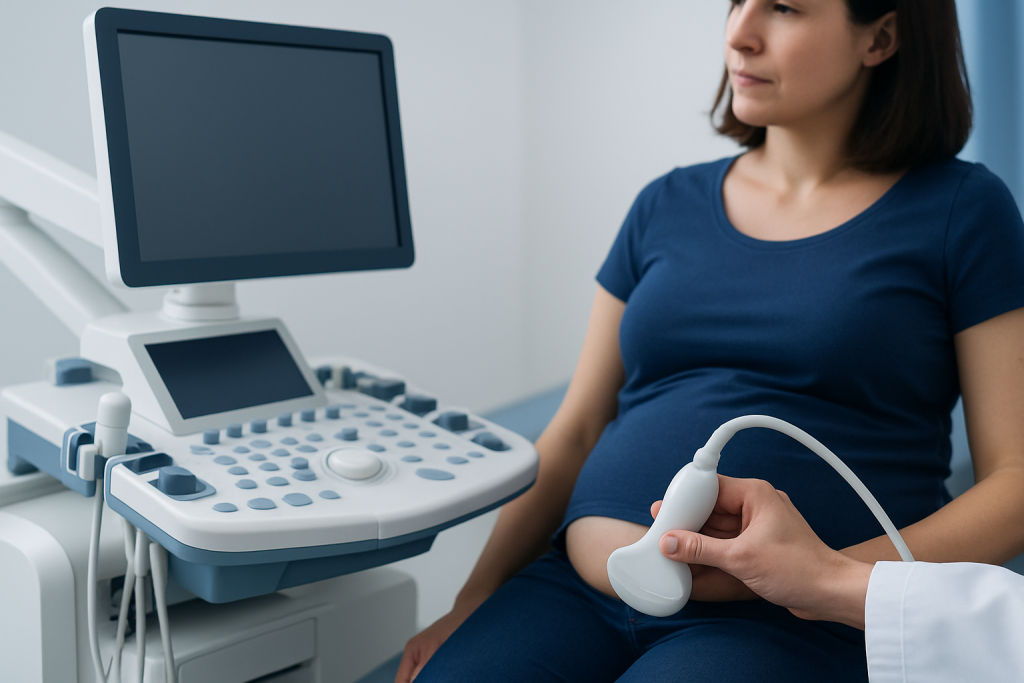
The exact pattern at week 5 can differ from person to person, but several symptoms appear often. A missed menstrual period is usually the most noticeable change, especially for those with regular cycles. Breast fullness, soreness, or a tingling sensation may follow as hormone levels shift.
Tiredness is another frequent early sign. The body is already working hard to support the pregnancy, and many people feel they need more rest than usual. Nausea can begin now too, with or without vomiting. Despite the name “morning sickness,” it may happen at any time of day.
Other common changes include:
- Mild lower abdominal or pelvic cramping
- Light bloating or a feeling of fullness
- More frequent urination
- Food aversions or a stronger sense of smell
- Mood changes or tearfulness
- Occasional light spotting around the time the period would have been due
Not every symptom means the same thing in every body. For example, cramps can be part of normal early pregnancy, but they should be monitored if they become strong or one-sided.
Why these symptoms happen
Week 5 symptoms are mostly driven by the rapid rise in pregnancy hormones, especially human chorionic gonadotropin (hCG), progesterone, and estrogen. These hormones support the pregnancy, but they also affect the digestive system, breasts, circulation, and nervous system. That is why early pregnancy can feel both physical and emotional.
Progesterone helps relax smooth muscle, which can slow digestion and contribute to bloating, constipation, and a “heavy” feeling in the pelvis. It also plays a role in breast tenderness and fatigue. hCG is the hormone most often detected by pregnancy tests, and its rising level is linked with nausea in many pregnancies.
Some people also notice symptoms because the uterus is beginning to change, even though the pregnancy is still very small. The uterus itself is not usually large enough to show, but the surrounding tissues can still respond to hormonal signals. That is one reason mild cramping may occur without meaning something is wrong.
Symptoms that are usually normal, and signs that need attention
Many week 5 symptoms are expected and do not require urgent care on their own. Mild cramping, light spotting, fatigue, breast tenderness, and nausea are all common. A person can still have a healthy pregnancy even if they experience few symptoms.
What matters more is the pattern and intensity. Symptoms that are mild, short-lived, and not worsening are often part of early pregnancy adjustment. Rest, hydration, and gentle self-care can often make them easier to manage.
Medical advice should be sought promptly if any of the following occur:
- Heavy bleeding or bleeding with clots
- Severe or worsening abdominal pain
- One-sided pelvic pain
- Shoulder pain, fainting, or dizziness
- Persistent vomiting that prevents fluids from staying down
- Fever or symptoms of infection
These symptoms do not automatically mean a serious problem, but they do deserve medical evaluation. In early pregnancy, doctors pay close attention to pain and bleeding because they can have several possible causes, including ectopic pregnancy or miscarriage.
How pregnancy is confirmed at this stage
At week 5, a home urine pregnancy test often gives a reliable result if the test is taken after a missed period. The test detects hCG, which begins to rise after implantation. If the result is positive, it is usually reasonable to arrange a medical visit to confirm the pregnancy and discuss the next steps.
A clinician may review the last menstrual period, symptoms, and any fertility treatment history, then decide whether blood tests or an ultrasound are useful. Blood tests can help assess hormone levels when timing is uncertain or symptoms need closer review. An ultrasound may be recommended if there is pain, bleeding, or concern about where the pregnancy is located.
At 5 weeks, an ultrasound may not always show much detail yet, and that can be normal. For that reason, the first appointment is often about establishing safe follow-up rather than expecting every answer immediately. Clear communication about dates, symptoms, and prior pregnancies helps the care team interpret what they see.
Ways to feel better and support early pregnancy
Self-care at week 5 is usually simple and practical. Many people benefit from eating smaller meals more often, especially if nausea or heartburn is beginning. Bland snacks, fluids taken in small sips, and avoiding strong smells can make the day easier.
Rest matters, but complete inactivity is not usually necessary unless a clinician advises it. Gentle walking, light movement, and regular sleep can support energy and digestion. If constipation appears, fluids, fiber-rich foods, and movement often help, though a doctor should be asked before using any over-the-counter remedy.
It is also a good time to review everyday exposures. Alcohol should be avoided, smoking or vaping should be stopped, and any regular medicines or supplements should be checked with a healthcare professional. Prenatal vitamins, especially folic acid, are commonly recommended early in pregnancy, but the exact plan should be individualized.
Special considerations for travelers and international patients
For people who are away from home, week 5 can be emotionally more complicated than it first appears. A positive test may happen during business travel, a family visit, or a trip abroad, and the next question becomes where to seek confirmation and follow-up care. In that situation, the most useful step is to arrange a local medical review rather than waiting for symptoms to “settle.”
If the pregnancy was unplanned, if dating is uncertain, or if there is pain or bleeding, early assessment becomes even more important. A clinician can help determine whether the pregnancy is progressing normally and whether the timing of an ultrasound or blood test should be adjusted. This can reduce uncertainty and make travel decisions safer.
For Myomectomy Recovery for International Patients: The Usual Travel Timeline" class="ahp-ilk">international patients who need coordinated evaluation, Acibadem Health Point’s multidisciplinary specialists and JCI-accredited hospitals diagnose and treat pregnancy-related concerns with clear communication and follow-up planning. That kind of continuity can be especially helpful when care begins in one country and continues in another.
When to see a doctor
A doctor should be contacted after a positive pregnancy test to confirm the pregnancy, estimate how far along it is, and discuss next steps. This is especially important for people with a history of miscarriage, ectopic pregnancy, fertility treatment, chronic medical conditions, or prior complications in pregnancy.
Urgent medical attention is needed for heavy bleeding, severe pain, fainting, shoulder pain, or pain that is clearly one-sided. These signs are not meant to cause alarm, but they should not be ignored. Quick evaluation can help identify the cause and guide appropriate care.
Even when symptoms are mild, it is still useful to schedule an early appointment if there is uncertainty about the date of the last menstrual period, if the test result is unclear, or if the person simply wants reassurance. Early pregnancy care works best when questions are addressed before they become urgent.
What happens next after week 5
After week 5, symptoms may increase, change, or come and go. Some people notice more nausea and fatigue in the following weeks, while others feel little difference at all. Both patterns can be normal.
The next stage of care usually includes confirming pregnancy location, checking overall health, and planning the first prenatal visit. Depending on the situation, a doctor may also discuss nutrition, safe medications, warning signs, and when the first ultrasound should be performed. The aim is to build a clear, practical plan that fits the person’s health and circumstances.
For many people, knowing that week 5 symptoms are common and variable brings welcome reassurance. The most useful approach is to observe the body calmly, use gentle self-care, and seek medical advice when symptoms are severe, unusual, or simply uncertain.
Frequently asked questions
Is it normal to have no symptoms at 5 weeks pregnant?
Yes. Some people have very noticeable symptoms at week 5, while others feel almost nothing. Symptom intensity does not reliably predict how healthy the pregnancy is.
Can cramping at 5 weeks be normal?
Mild cramping can be normal in early pregnancy as the uterus and hormones begin to change. Strong, worsening, or one-sided pain should be checked by a doctor.
Is spotting at week 5 always a problem?
Not always. Light spotting can happen in early pregnancy, but heavier bleeding or bleeding with pain should be assessed promptly.
When should a home pregnancy test be taken?
Home tests are often reliable after a missed period, which is commonly around week 5. If the result is negative but pregnancy is still suspected, repeating the test in a few days or speaking with a clinician is reasonable.
What foods or habits should be avoided now?
Alcohol should be avoided, and smoking or vaping should be stopped. It is also wise to review medications and supplements with a healthcare professional before taking anything new.
Does nausea at week 5 mean the pregnancy is progressing well?
Nausea is common, but its presence or absence does not prove how the pregnancy is progressing. It is one symptom among many and should be interpreted with the overall clinical picture.
References
- World Health Organization
- American College of Obstetricians and Gynecologists
- National Health Service
- Mayo Clinic
- March of Dimes
This article is for general information only and is not a substitute for professional medical advice. Please consult a qualified doctor about your individual situation.
More from the Health Library



Related Specialists

Prof. Dr. A. Taner Usta
Gynecology & Obstetrics
Prof. Dr. Ahmet Tayyar
Gynecology & Obstetrics
Prof. Dr. Ahmet Cem Batukan
Gynecology & Obstetrics
Dr. Sevgi Selen
Gynecology & Obstetrics