

Patella Bands

Key Takeaways
- Patella bands are worn just below or around the kneecap to support the front of the knee during movement.
- They may ease symptoms linked to overuse, patellar tendon irritation, or kneecap tracking concerns.
- A band can help with comfort, but it does not replace diagnosis if pain is persistent, swelling is present, or function is limited.
- Fit, placement, and activity modification matter as much as the band itself.
- Strengthening, stretching, and proper technique are often part of longer-term management.
- Medical review is important if pain follows an injury, becomes severe, or does not improve.
Patella bands are simple knee supports designed to reduce strain around the kneecap during movement. They may help some people stay active more comfortably while an underlying knee problem is being assessed or treated.
Overview
Patella bands are small, targeted knee supports that sit across the front of the leg, usually just below the kneecap. They are often chosen by people who want a simple way to reduce discomfort during walking, running, stairs, or sports. Unlike a rigid brace, a patella band does not immobilize the knee; it is meant to provide a more focused sense of support while the joint continues to move.
People often hear different names for the same basic idea: patellar strap, knee strap, or infrapatellar band. These supports are commonly used when pain seems to come from the area around the patella tendon or from how the kneecap tracks in the groove at the front of the knee. They are usually most useful as part of a broader plan that includes rest from aggravating activities, strengthening, and an evaluation of the cause of pain.
For international patients who are planning care from abroad, the practical question is rarely only whether a strap helps. It is also whether the knee pain needs imaging, physical examination, physiotherapy guidance, or a different treatment altogether. A band can be a helpful tool, but it works best when the underlying problem is understood.
How Patella Bands Work
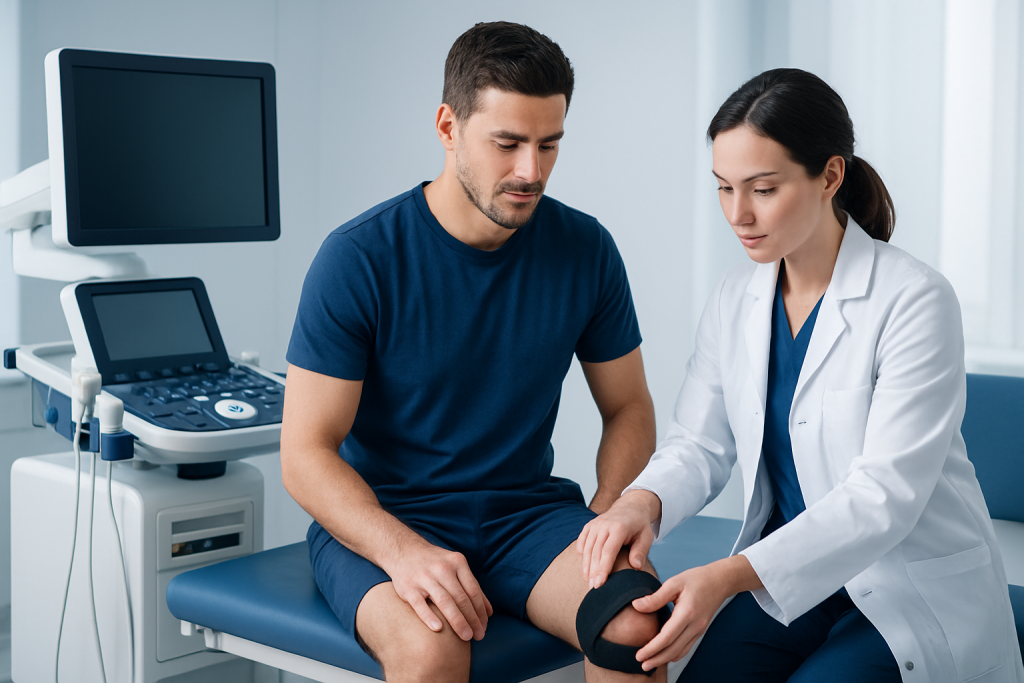
The logic of a patella band is straightforward: by applying gentle pressure below the kneecap, it may change how force is felt through the front of the knee during activity. Some people notice less pulling or less sharp discomfort when bending, climbing stairs, or landing from a jump. Others experience a reassuring sense of stability that makes movement feel easier.
Mechanically, the band may help redistribute tension across the patellar tendon and surrounding soft tissues. That is one reason it is often recommended for overuse symptoms rather than for major structural injuries. It is not a cure, and it does not correct alignment problems by itself, but it can reduce symptoms enough for someone to keep moving in a more comfortable way.
Comfort and fit matter. A band that is too tight can press uncomfortably, irritate the skin, or make symptoms worse. A band that is too loose may offer little benefit. In practice, the best results usually come when the support is matched to the person’s activity, anatomy, and diagnosis.
Symptoms and Conditions Patella Bands May Help

Patella bands are most often considered when pain is centered at the front of the knee and appears during activity. That includes discomfort below the kneecap, pain when going up or down stairs, aching during running, or tenderness after repeated jumping or squatting. Some people also use them when the knee feels better with support during a long day of standing or walking.
Several conditions may overlap with these symptoms. A patella band may be used as part of care for patellar tendinopathy, sometimes called jumper’s knee, where the tendon below the kneecap becomes irritated from repeated load. It may also be tried for anterior knee pain related to patellar tracking, overuse, or mild instability sensations.
- Patellar tendinopathy or tendon irritation
- Anterior knee pain during sports or stairs
- Symptoms linked to repetitive squatting, jumping, or running
- Some forms of kneecap tracking discomfort
It is important to remember that front-of-knee pain can come from many causes. Meniscus Injury" class="ahp-ilk">Meniscus injury, arthritis, cartilage problems, referred pain from the hip, or an acute ligament injury may not improve with a patella band alone. If pain began after a twist, fall, or direct blow, or if swelling is significant, the cause should be assessed rather than assumed.
Causes and Risk Factors
Patella bands do not treat a single disease; they are used when the knee is being stressed in ways that irritate the front of the joint. Repeated jumping, abrupt training changes, poor landing mechanics, and frequent stair climbing can all load the patellar tendon and surrounding tissues. In many active people, symptoms begin after a sudden increase in sport intensity or workout volume.
Risk factors often include tight or weak supporting muscles, limited hip and ankle control, footwear that does not suit the activity, and movement patterns that repeatedly strain the knee. People who run, play basketball, volleyball, football, or train in gym programs with deep knee bends may notice symptoms first. Work demands that require kneeling, lifting, or prolonged standing can also contribute.
Body mechanics, age, and past injury history all matter. Some people develop pain because the tendon is being asked to absorb more force than it can comfortably manage at that time. In those situations, the band may reduce symptoms during activity, but the more lasting solution usually involves addressing training load, strength, flexibility, and technique.
Diagnosis
Before relying on a patella band, it helps to know what is actually causing the knee pain. A clinician usually starts with a detailed history: when the pain began, where it is located, what activities make it better or worse, and whether there has been any injury, swelling, locking, or instability. This information often points toward the likely source of the problem.
The physical examination may include checking the kneecap’s movement, tenderness along the tendon, range of motion, strength, and how the knee behaves with squatting, stepping, or single-leg tasks. In many cases, this examination is enough to guide treatment. If the symptoms are unusual, prolonged, severe, or associated with trauma, imaging such as X-ray or MRI may be recommended to look for other causes.
For patients arranging care across borders, diagnosis is especially important because it shapes the rest of the journey. A strap may be easy to buy anywhere, but a precise assessment determines whether the issue is an overuse condition, a structural injury, or something better treated with rehabilitation or another orthopedic approach.
Treatment Options
Patella bands are best viewed as one part of treatment rather than the entire plan. Many people benefit from temporary symptom relief while they work on reducing aggravating activity and restoring normal knee mechanics. In that setting, the band can make movement more tolerable and may help someone continue low-impact exercise while healing.
Common treatment approaches include activity modification, progressive strengthening, stretching where appropriate, and physical therapy. Exercises often focus on the quadriceps, hips, and core, because better control through the whole leg can reduce the load on the front of the knee. A clinician may also recommend short-term pain control measures, depending on the diagnosis and the person’s medical background.
When symptoms are persistent, further options may be discussed. These can include supervised rehabilitation, bracing strategies, gait or technique correction, and occasionally procedures for specific structural problems. The right plan depends on whether the issue is tendon-related, patellofemoral, traumatic, or degenerative. A patella band can complement treatment, but it should not delay proper evaluation when the pain is ongoing.
Prevention and Self-care
Good self-care starts with noticing what the knee is asking for. If pain appears only with a certain drill, distance, hill, or workout pattern, the first step is often to reduce or modify that load. Returning too quickly to the same volume of activity commonly brings the symptoms back.
Warm-up, gradual progression, and strength work can all help reduce stress on the front of the knee. Stretching may be useful when tight muscles are part of the picture, but stretching alone usually is not enough. It is also sensible to check footwear, training surfaces, and movement form, especially for runners and court-sport athletes.
For people using a patella band, practical self-care includes wearing it as instructed, checking the skin for irritation, and stopping if it causes numbness, rubbing, or increased pain. The support should feel like a helper, not a squeeze. If the band is being used during travel, long sightseeing days, or recovery after treatment, it is wise to plan regular breaks and follow the clinician’s guidance for activity level.
When to See a Doctor
Medical assessment is advisable if knee pain lasts more than a short period, keeps returning, or interferes with daily activities. A doctor should also be consulted if there is swelling, the knee feels unstable, movement is limited, or the person cannot bear weight comfortably. Pain after a fall, twist, or sports collision deserves attention even if the symptoms initially seem mild.
Prompt review is especially important when symptoms include locking, catching, fever, redness, significant warmth, or pain that is worsening rather than settling. These features can point to conditions that need more than a strap and rest. A patella band can still be discussed, but only after a proper diagnosis clarifies the safest path forward.
Acibadem Health Point’s multidisciplinary specialists and JCI-accredited hospitals diagnose and treat knee conditions for international patients, including those who need coordinated orthopedic and rehabilitation care. That kind of structured evaluation can be useful when someone is managing symptoms from another country and wants clear next steps before traveling or returning home.
Living With Patellar Pain During Recovery
Recovery is often more successful when the knee is treated as part of a whole movement system rather than as a single painful spot. Many patients do best when they combine symptom relief, such as a patella band, with a realistic return-to-activity plan. That may mean shorter walks, fewer stairs for a time, or a temporary switch from high-impact exercise to lower-impact conditioning.
It is also helpful to keep expectations steady. Some knee problems improve quickly, while tendon-related conditions may take longer because the tissue needs time to adapt to load. People traveling for care may need a plan that fits follow-up appointments, home exercise, and local physiotherapy options once they return home.
Staying in touch with the treating team matters. If the band is helping only a little, or if pain returns as activity increases, that feedback can guide the next step. In orthopedic care, fine-tuning the plan is often more useful than simply pushing through symptoms.
Frequently asked questions
What is a patella band used for?
A patella band is used to support the front of the knee during movement, especially when pain is related to overuse or tendon irritation. It may make activity more comfortable, but it does not treat every cause of knee pain.
Where should a patella band sit?
Most patella bands are worn just below the kneecap, where they apply gentle pressure to the patellar tendon area. Placement can vary by design, so following the product instructions or a clinician’s advice is helpful.
Can a patella band cure knee pain?
No. It may reduce symptoms and help someone stay active while healing, but the underlying cause still needs to be addressed. Strengthening, activity changes, and medical evaluation are often part of the longer-term solution.
Is it safe to wear a patella band all day?
That depends on the person, the reason it is being used, and how the knee responds. If the band causes skin irritation, numbness, or increasing pain, it should not be worn continuously without medical guidance.
What if the band does not help?
If symptoms do not improve, the pain may be coming from a different problem than simple tendon irritation or kneecap strain. A clinician can reassess the knee and decide whether imaging, physiotherapy, or another treatment is needed.
Should athletes use patella bands during sports?
Some athletes find them helpful during training or competition when front-of-knee pain is mild and activity-related. They work best when combined with load management and a rehabilitation plan rather than used as a substitute for treatment.
References
- American Academy of Orthopaedic Surgeons
- NHS
- Mayo Clinic
- American Physical Therapy Association
- Cleveland Clinic
This article is for general information only and is not a substitute for professional medical advice. Please consult a qualified doctor about your individual situation.
More from the Health Library



Related Specialists

Prof. Dr. Ahmet Alanay
Orthopedic Surgery & Traumatology
Dr. Sinan Aksu
Orthopedic Surgery & Traumatology
Dr. Sirri Baştürk
Orthopedic Surgery & Traumatology
Prof. Dr. Korhan Özkan
Orthopedic Surgery & Traumatology