Rotator Cuff Repair Abroad: What Determines Whether Tendon Repair Is Still Possible

Key Takeaways
- Whether a torn rotator cuff can still be repaired depends on the tear’s size, chronicity, and tissue condition.
- MRI and physical examination help doctors judge tendon retraction, muscle atrophy, and fatty change.
- Some patients benefit from direct tendon repair, while others do better with partial repair, tendon transfer, or non-surgical care.
- Traveling for shoulder surgery adds planning needs such as imaging review, rehabilitation timing, and follow-up arrangements.
- Early evaluation often gives more treatment choices, especially when pain, weakness, or loss of function is increasing.
A rotator cuff tear does not automatically mean surgery is or is not possible. Doctors look at tear size, tissue quality, muscle changes, symptoms, and overall shoulder function to decide whether tendon repair is still a realistic option.
Overview
A rotator cuff tear can feel deceptively simple at first: a painful shoulder, weaker lifting, and perhaps a nagging sense that something is not moving the way it should. In reality, deciding whether the tendon can still be repaired is a careful judgment call, not a yes-or-no label that can be made from symptoms alone.
The rotator cuff is a group of tendons and muscles that help stabilize the shoulder and guide its movement. When one or more of these tendons tear, the main question is not only whether there is a tear, but what kind of tear it is and whether the tendon can be brought back to the bone without undue tension.
For people considering treatment abroad, this decision has practical importance. International patients often travel with MRI images, reports, and a limited window for consultation. A good evaluation helps determine whether the shoulder is suitable for repair, whether another procedure may be more appropriate, and how much rehabilitation time will be needed after surgery.
Symptoms and Functional Clues
Symptoms do not confirm whether a tear is repairable, but they give valuable context. Many people notice pain when reaching overhead, difficulty dressing, weakness when lifting away from the body, or nighttime discomfort that interrupts sleep. Some feel a sudden loss of strength after an injury, while others describe a gradual decline that has been building for months.
What matters most to the surgeon is not just pain level, but how the shoulder functions in daily life. A person who can still raise the arm with only mild pain may have a very different situation from someone who cannot lift a cup without compensating with the neck and upper back. The pattern of weakness can suggest whether the tear is small, large, acute, or long-standing.
Doctors also pay attention to stiffness. A shoulder that is very frozen or inflamed may need movement restored before any repair is attempted. In other cases, the main issue is weakness rather than stiffness, and that can point toward a tendon problem that may still be surgically addressed if the tissue remains mobile enough.
- Persistent pain with overhead activity
- Weakness when lifting or rotating the arm
- Night pain or disturbed sleep
- Reduced range of motion or a catching sensation
- Loss of endurance during everyday tasks
Causes and Risk Factors

Rotator cuff tears can happen after a sudden fall, a heavy lift, or a traumatic shoulder injury. They can also develop gradually as tendons wear down over time. In many adults, the tear is the result of both age-related tendon changes and repeated stress from work, sports, or daily activities.
Not every tear behaves the same way. A fresh tear with relatively healthy tendon tissue is often more straightforward to repair than a chronic tear that has retracted far from the bone. Over time, the tendon can shorten, the muscle can shrink, and fat can replace muscle fibers. Those changes do not necessarily rule out surgery, but they can make a full repair less predictable.
Certain factors make tendon healing more challenging. These include larger tears, long delays before assessment, smoking, uncontrolled diabetes, poor tissue quality, and repeated strain on the shoulder. Age alone is not the deciding factor; some older patients still have repairable tears, while some younger patients have tears that are too retracted or degenerated for a simple repair.
For international patients, the timeline matters. A long gap between symptom onset and specialist review may reduce options, especially if the tear is growing or the shoulder is becoming weaker. Early imaging and expert review can help preserve the widest range of treatment choices.
How Doctors Decide if Repair Is Still Possible
Surgeons usually combine physical examination with imaging to judge whether tendon repair is still feasible. An MRI is especially useful because it shows the size of the tear, how far the tendon has pulled back from the bone, and whether the muscle has developed fatty degeneration or atrophy. Ultrasound may also provide helpful information in experienced hands.
A repair is generally more likely to be considered when the tendon can be mobilized back to its attachment point without excessive tension and when the muscle has not undergone advanced degeneration. If the tear is massive, chronic, or fixed in a retracted position, the surgeon may discuss other options such as partial repair, tendon transfer, superior capsular reconstruction, or in some older patients, shoulder replacement if arthritis is also present.
Functional testing matters too. Doctors assess strength, range of motion, pain pattern, and the amount of compensation used during movement. The final decision is individualized. Two patients with similar MRI findings may receive different recommendations depending on age, activity demands, tissue quality, and whether the goal is pain relief, improved strength, or both.
For patients traveling from abroad, sharing complete imaging reports and prior treatment history before the trip can make the consultation more productive. It allows the team to focus on feasibility, surgical planning, and the recovery pathway rather than spending precious time reconstructing the story from the beginning.
Treatment Options
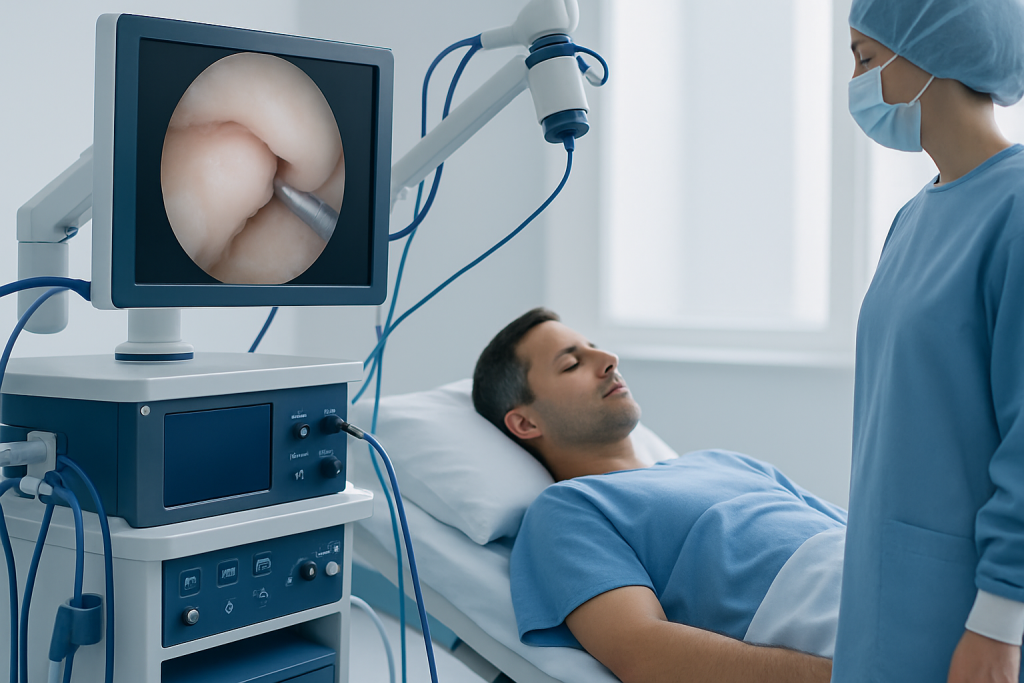
If tendon repair is still possible, arthroscopic or open repair may be recommended depending on tear pattern and tissue quality. The surgeon reattaches the tendon to the humerus using anchors and sutures, aiming to restore anatomy and improve shoulder mechanics. The exact approach depends on the tear’s size, location, and how much motion the tendon has when it is brought back into position.
When a full repair is not realistic, treatment does not stop. Some patients benefit from partial repair, which can reduce pain and improve function even if the tendon cannot be fully restored. Others may be better served by tendon transfer, reconstruction procedures, or a focused non-surgical plan that includes physical therapy, activity modification, anti-inflammatory strategies when appropriate, and guided injections in selected cases.
Rehabilitation is a major part of the treatment plan and often determines the pace of recovery more than the operation itself. After surgery, the shoulder typically needs protection before gradual motion and strengthening begin. Patients traveling for care should discuss how long they will need to stay near the treating team, when stitches or follow-up imaging may be needed, and how therapy will continue once they return home.
The best option is not always the most extensive operation. Sometimes a smaller, more realistic procedure leads to a better recovery than an ambitious repair that is unlikely to heal well. That is why a clear discussion of goals is so important before surgery is scheduled.
Prevention and Self-care
Not every rotator cuff tear can be prevented, but shoulder strain can often be reduced. People who repeatedly lift overhead, perform forceful pulling, or do sports that stress the shoulder should pay attention to technique, pacing, and conditioning. Strengthening the shoulder blade muscles and maintaining flexible surrounding tissues can help support the joint.
For those already dealing with a tear, self-care is about protecting function while avoiding unnecessary aggravation. Resting a painful shoulder does not mean complete immobilization. Gentle, doctor-approved movement helps preserve motion, while overloading the joint or pushing through sharp pain can worsen symptoms. Heat, ice, and medication plans should be used only as advised by a clinician.
International patients preparing for consultation can make the process smoother by gathering MRI scans on disk or electronically, prior clinic notes, a list of medications, and a short summary of how the problem started. This practical preparation helps the surgical team judge whether repair remains possible and reduces delays once evaluation begins.
- Avoid repeated overhead strain during flare-ups
- Use guided exercises rather than self-directed aggressive strengthening
- Keep diabetes and smoking status under control when possible
- Bring complete imaging and records to specialist review
When to See a Doctor
Medical review is sensible when shoulder pain lasts longer than a few weeks, when weakness is growing, or when daily tasks have become noticeably harder. A sudden injury followed by an inability to lift the arm, or a popping sensation with immediate weakness, deserves prompt evaluation. Early assessment can make a meaningful difference in whether repair is still an option.
Patients should also seek care if night pain is persistent, if movement is becoming increasingly limited, or if prior shoulder treatment is no longer helping. These changes do not automatically mean surgery is needed, but they do suggest that the shoulder deserves a more detailed look.
For people exploring treatment abroad, a specialist consultation is most useful when it is organized around clear questions: Is the tendon repairable? If not, what is the next best option? How long will recovery take, and what follow-up will be needed after returning home? Acibadem Health Point’s multidisciplinary specialists and JCI-accredited hospitals can diagnose and treat rotator cuff conditions for international patients, with care planned around imaging review, surgery, and rehabilitation support.
Any new severe pain, marked loss of arm function, or shoulder deformity after trauma should be assessed urgently. A qualified orthopedic doctor can determine whether the problem is a tear, a frozen shoulder, arthritis, or another cause of symptoms.
Recovery Outlook and Realistic Expectations
Recovery depends on what was found before surgery and what was done during it. A repairable tendon tear that is treated in time may improve pain and function, but healing takes patience. Tendons heal more slowly than skin or muscle, and the shoulder often needs staged rehabilitation to protect the repair while movement returns gradually.
If the tendon was not fully repairable, improvement is still possible. Many patients gain pain relief, better sleep, and easier movement from a tailored non-repair strategy or a partial reconstruction. The key is to match the procedure to the biology of the tear rather than to a generic expectation that every tear should be “fixed” in the same way.
For patients traveling across borders, the recovery plan should be discussed before the journey begins. That includes whether the patient can safely fly after surgery, when follow-up should occur, and how physical therapy will continue once home. Clear planning makes the experience safer and more manageable, and it helps the patient understand the shoulder’s realistic path forward.
Frequently asked questions
Can every rotator cuff tear be repaired surgically?
No. Some tears are still repairable, while others have retracted too far, become too chronic, or show too much muscle change for a full repair. In those cases, doctors may suggest partial repair, reconstruction, tendon transfer, or non-surgical treatment instead.
What does MRI tell the surgeon about repairability?
MRI helps show tear size, tendon retraction, muscle atrophy, and fatty degeneration. These details help the surgeon judge whether the tendon can be brought back to the bone with a reasonable chance of healing.
Does age alone determine whether repair is possible?
No. Age can influence tendon quality and healing, but it is only one part of the picture. A younger person may still have an irreparable tear, and an older person may still be a good candidate for repair.
How long should someone wait before seeing a specialist?
It is best not to wait if weakness, night pain, or loss of function is becoming more noticeable. Earlier review often preserves more treatment options, especially after a new injury or if symptoms are progressing.
What if the tendon cannot be fully repaired?
That does not mean treatment has failed. Many patients still improve with other procedures or with a structured non-surgical plan that focuses on pain relief, motion, and function.
What should international patients bring to a consultation abroad?
They should bring MRI images, written reports, prior clinic notes, medication lists, and a summary of how symptoms started and changed over time. This helps the surgeon assess repairability more efficiently and plan next steps clearly.
References
- American Academy of Orthopaedic Surgeons
- Mayo Clinic
- National Institute of Arthritis and Musculoskeletal and Skin Diseases
- American Shoulder and Elbow Surgeons
- Johns Hopkins Medicine
This article is for general information only and is not a substitute for professional medical advice. Please consult a qualified doctor about your individual situation.