

Collarbone

Key Takeaways
- The collarbone is an important bridge between the shoulder and the chest, so even minor-looking injuries can affect arm movement.
- Pain, swelling, a visible bump, or trouble lifting the arm can point to a collarbone injury.
- X-rays are often the first test, while other scans may be used when the injury is complex.
- Many collarbone fractures heal without surgery, but some need closer orthopedic assessment or an operation.
- Rest, safe pain control, and guided rehabilitation are important parts of recovery.
The collarbone, also called the clavicle, is a small bone with an important role in shoulder movement and upper-body support. Because it sits close to the skin and connects the arm to the chest, it is commonly affected by fractures, dislocations, and overuse problems.
Overview
The collarbone, or clavicle, is the slender bone that runs from the breastbone to the shoulder blade. It acts like a strut, helping keep the shoulder in position and allowing the arm to move freely and with strength. Because it lies near the surface of the skin, it is easy to notice when it is injured.
Collarbone problems are common after falls, sports collisions, traffic accidents, or a direct blow to the shoulder. The most frequent issue is a fracture, but the area can also be affected by joint sprains, dislocations at either end of the bone, and pain from repetitive strain. For international patients deciding where to seek care, the key question is often not only how severe the pain feels, but whether the injury is stable and healing in the right position.
In many cases, collarbone injuries are straightforward to assess and treat. Even so, the clavicle plays such a central role in shoulder mechanics that it deserves timely medical attention when pain, deformity, or limited movement appears after an injury.
Symptoms
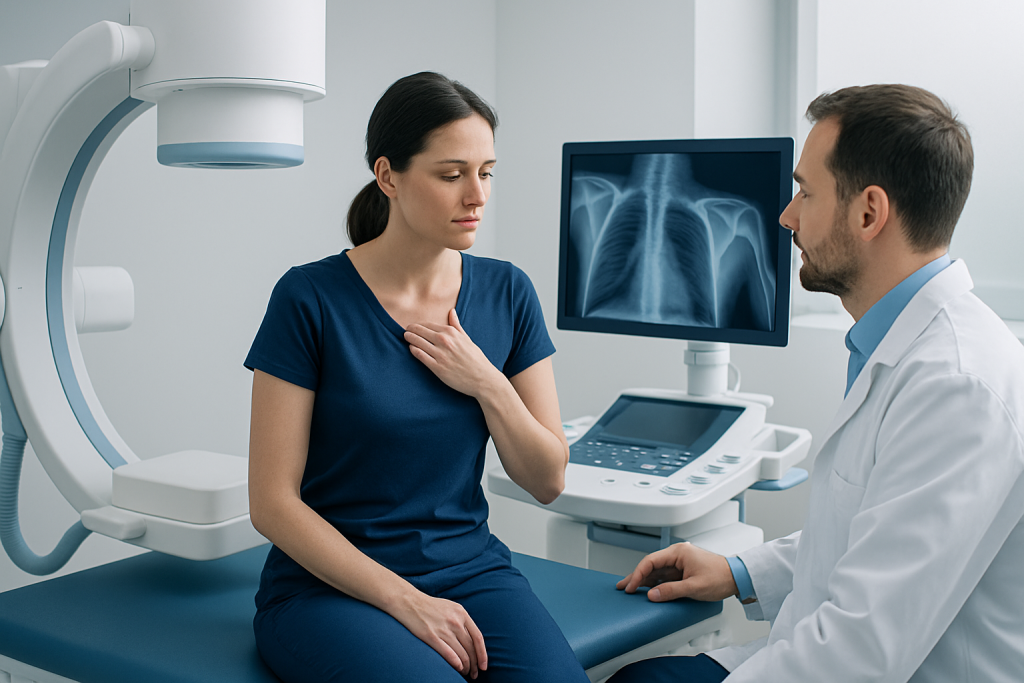
Symptoms vary depending on whether the collarbone is bruised, sprained, dislocated, or broken. A fracture often causes sharp pain over the bone, especially when the person tries to lift the arm, reach overhead, or take a deep breath. Swelling, bruising, or tenderness along the collarbone are also common.
Some people notice a visible bump, a step-off in the bone shape, or the shoulder seeming to drop slightly forward. If the injury is more severe, the arm may feel weak or awkward to move because the shoulder is trying to protect the injured area. In children, the signs may be less dramatic, but they may avoid using the arm or cry when the shoulder is touched.
Symptoms that suggest urgent assessment include numbness or tingling in the arm, skin that looks unusually tight over a broken bone, breathing difficulty after trauma, or an open wound near the injury. These signs do not always mean the problem is serious, but they do warrant prompt examination.
Causes & Risk Factors

Most collarbone injuries happen when force is transferred directly to the shoulder or upper chest. This can occur during cycling accidents, falls onto the side, contact sports, or slips where the person lands on an outstretched arm. The bone may also break during birth in newborns, although that topic is usually managed within pediatric care.
Risk is higher in activities that involve speed, contact, or uneven ground. People with lower bone density, previous shoulder injuries, or reduced balance may also be more vulnerable to fractures after a fall. Repetitive overhead movement can irritate the area around the collarbone and nearby joints, especially in athletes, manual workers, or travelers carrying heavy luggage over one shoulder for long periods.
Age matters as well. Children and teenagers can sustain collarbone fractures during play and sports, while older adults may fracture the bone from a relatively simple fall because bones become more fragile over time. In every age group, the exact pattern of injury helps guide treatment.
Diagnosis
Diagnosis usually begins with a physical examination and a careful discussion of how the injury happened. A clinician will look for swelling, tenderness, deformity, and changes in shoulder motion. They may also check the arm’s circulation and nerve function to make sure the injury has not affected nearby structures.
X-rays are commonly used to confirm a collarbone fracture and show its position. In some cases, additional imaging such as CT scanning may be helpful, especially if the break is near a joint, if the bone pieces are significantly displaced, or if there is concern about a more complex shoulder injury. Ultrasound is used less often, but it may help in selected settings.
For patients traveling from another country, bringing prior images, reports, and treatment notes can make the evaluation smoother. It helps the orthopedic team compare healing over time and avoid repeating tests that are not needed. A clear diagnosis is especially important when planning follow-up care across borders.
Treatment Options
Treatment depends on the type of injury, how far the bone has moved out of place, the person’s age, and activity needs. Many collarbone fractures heal well without surgery. In these cases, treatment often includes a sling for comfort, activity modification, and a gradual return to movement as pain decreases and healing progresses.
Surgery may be recommended when the fracture is badly displaced, the bone has broken through the skin, nerves or blood vessels are affected, or the shoulder girdle is unstable. Surgical repair usually involves plates and screws or other fixation methods chosen by the orthopedic surgeon. The goal is to restore alignment, support healing, and reduce the chance of long-term shoulder problems in selected cases.
Knee Pain Relief: Causes and Treatment" class="ahp-ilk">Pain relief, sleep positioning, and rehabilitation are important regardless of whether surgery is needed. Gentle exercises are often introduced at the right stage to prevent stiffness and help the shoulder regain function. The pace of recovery should be individualized, because returning too quickly to sports or heavy lifting can slow healing or worsen the injury.
When care is coordinated for international patients, treatment planning may also include timing for flight travel, safe packing and lifting advice, and follow-up arrangements after returning home. A multidisciplinary team can help match orthopedic care with rehabilitation needs so that recovery remains practical outside the hospital.
Prevention & Self-care
Not every collarbone injury can be prevented, but several habits lower the risk. Wearing appropriate protective gear during contact sports, using a helmet and shoulder protection when relevant, and following safe technique during training all help reduce impact injuries. At home and while traveling, careful footing, good lighting, and avoiding overloaded bags can also make a difference.
After a collarbone injury, self-care should be calm and structured. Rest the shoulder as advised, use the sling or support correctly, and follow guidance on when to begin gentle motion. Ice packs may be helpful early on for comfort, provided the skin is protected and the clinician has not advised otherwise. Sleeping partly upright or supported by pillows can make the first days more comfortable for some people.
It is best to avoid lifting heavy objects, reaching suddenly, or returning to contact sports before medical clearance. Rehabilitation exercises, once approved, are usually more helpful than prolonged immobility. The aim is to protect the healing bone while preventing stiffness in the shoulder and neck.
When to See a Doctor
Medical assessment is advisable after any significant shoulder injury, especially if the collarbone area is painful, swollen, or looks deformed. Even if the pain seems manageable, an examination can confirm whether the bone is aligned properly and whether the shoulder joint is involved. This is particularly important when the person cannot comfortably raise the arm.
Prompt care is recommended if there is numbness, weakness, skin tenting over the bone, an open wound, or difficulty breathing after trauma. Children, older adults, and people with osteoporosis deserve a low threshold for evaluation because fractures can be missed or underestimated at first glance.
If the injury is being assessed while away from home, a specialist opinion can help decide whether it is safe to travel, whether surgery is needed, and how follow-up should be organized. Acibadem Health Point’s multidisciplinary specialists and JCI-accredited hospitals diagnose and treat collarbone injuries for international patients, with an emphasis on clear planning and coordinated recovery.
Recovery and Outlook
Recovery time depends on the type of injury, the person’s age, and whether surgery was needed. Many uncomplicated fractures improve steadily over several weeks, though strength and confidence in the shoulder may take longer to return. Pain usually eases before the bone is fully remodeled, so returning to full activity should follow medical guidance rather than pain alone.
Follow-up visits are useful to confirm that the bone is healing in the expected position and that movement is improving. If surgery was performed, these visits also allow the team to check the incision and guide rehabilitation. Some stiffness, soreness, or tiredness in the shoulder is common during recovery and often improves with time and therapy.
A good outcome is more likely when the injury is diagnosed early, the treatment plan is followed closely, and the shoulder is not overloaded too soon. Patients who live abroad or travel frequently may benefit from a written recovery plan they can share with their local doctor or physiotherapist after they return home.
Frequently Asked Questions
The questions below cover common concerns about collarbone injuries and can help patients understand what to expect during evaluation and recovery.
- What does a broken collarbone usually feel like?
- Can a collarbone heal without surgery?
- How is a collarbone injury diagnosed?
- When can normal activities resume?
- Is surgery always necessary for displaced fractures?
Frequently asked questions
What is the collarbone and why is it important?
The collarbone, or clavicle, connects the arm to the trunk and helps keep the shoulder in the right position. It acts as a support beam, which is why injuries to it can affect arm movement and posture. Even small fractures can make the shoulder feel unstable or painful.
What are the most common signs of a collarbone fracture?
Typical signs include pain over the bone, swelling, bruising, and difficulty lifting the arm. Some people notice a bump or a change in the shoulder’s shape. If the bone is displaced, the skin may look stretched over the injured area.
Do all collarbone fractures need surgery?
No. Many fractures heal well with a sling, pain control, and careful follow-up. Surgery is considered when the fracture is significantly displaced, open, unstable, or affecting nearby nerves or blood vessels.
How is a collarbone injury usually checked?
A doctor will examine the shoulder and ask how the injury happened. X-rays are commonly used to confirm a fracture and assess alignment. Additional imaging may be needed if the injury is complex or if another shoulder structure may also be involved.
Can someone travel after a collarbone injury?
That depends on the severity of the injury and the treatment plan. Short trips may be possible for some stable injuries, but a doctor should confirm that travel is safe, especially after surgery or if pain is significant. Patients should also think about luggage handling and follow-up care at their destination.
What helps recovery at home?
Rest, correct sling use, and the right timing for gentle exercises are usually the main supports at home. It is also important to avoid heavy lifting and contact sports until a clinician says it is safe. Good follow-up makes it easier to return to normal movement without setbacks.
References
- American Academy of Orthopaedic Surgeons
- NHS
- Mayo Clinic
- AAOS OrthoInfo
- Merck Manual Professional Edition
This article is for general information only and is not a substitute for professional medical advice. Please consult a qualified doctor about your individual situation.
More from the Health Library


Related Specialists

Prof. Dr. Ahmet Alanay
Orthopedic Surgery & Traumatology
Dr. Sinan Aksu
Orthopedic Surgery & Traumatology
Dr. Sirri Baştürk
Orthopedic Surgery & Traumatology
Prof. Dr. Korhan Özkan
Orthopedic Surgery & Traumatology