

Patella

Key Takeaways
- The patella sits at the front of the knee and helps protect and support knee movement.
- Pain, swelling, catching, or a feeling that the knee is unstable can point to a patellar problem.
- Patellar issues may come from overuse, trauma, alignment differences, or muscle imbalance.
- Diagnosis often includes a physical exam and imaging such as X-rays or MRI when needed.
- Treatment can range from rest and rehabilitation to bracing, procedures, or surgery in selected cases.
The patella, or kneecap, is a small bone with an important job: it helps the knee move smoothly and gives the thigh muscles better leverage. When the patella is injured or irritated, walking, climbing stairs, and getting up from a chair can become painful and difficult.
Overview
The patella is the small, flat bone that sits in front of the knee joint. Most people know it as the kneecap. Although it is not large, it plays a major role in everyday movement by helping the quadriceps muscle straighten the knee efficiently and by shielding the joint from direct impact.
Because the patella glides within a groove at the end of the thigh bone, it depends on balanced muscles, healthy cartilage, and smooth alignment. When that balance changes, even simple actions such as squatting, kneeling, or stepping off a curb may cause pain. For international patients who travel for assessment or treatment, this kind of knee problem is usually approached step by step: identify what is injured, restore movement safely, and build a plan that can continue at home.
Patellar problems can be temporary and mild, such as irritation from overuse, or more serious, such as a fracture or dislocation after trauma. The exact meaning of “patella” in a medical report depends on the context, but in most cases it refers either to the bone itself or to a condition affecting how the kneecap moves and functions.
Symptoms
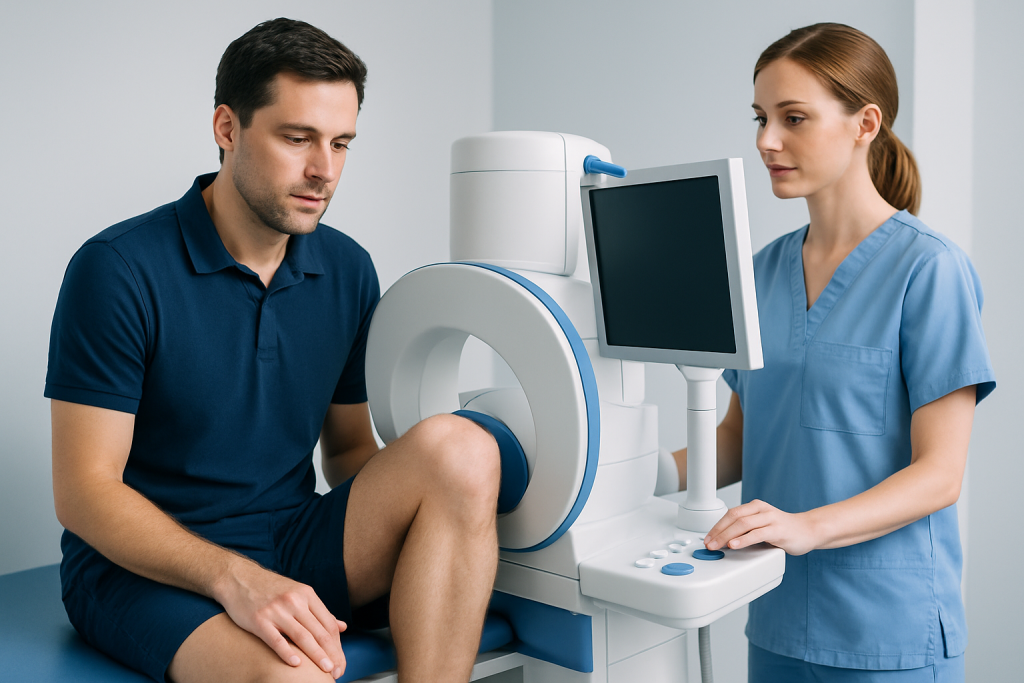
Patellar disorders often announce themselves through pain at the front of the knee. The discomfort may appear after long walks, stairs, running, kneeling, or rising from a seated position. Some people describe a dull ache, while others notice a sharper pain with specific movements.
Other common signs may include swelling, stiffness, a grinding or clicking sensation, or tenderness when pressing around the kneecap. If the kneecap slips out of place or the knee gives way, the person may feel sudden instability or may be unable to continue walking normally.
- Pain around or behind the kneecap
- Swelling or bruising after injury
- Difficulty bending or straightening the knee
- Locking, catching, or grinding sensations
- Visible deformity after a severe injury
Symptoms vary by condition. Overuse problems tend to build gradually, while fractures and dislocations usually cause a more abrupt change. Any knee symptom that limits weight-bearing deserves medical assessment, especially if it follows a fall, sports injury, or a direct blow to the knee.
Causes & Risk Factors
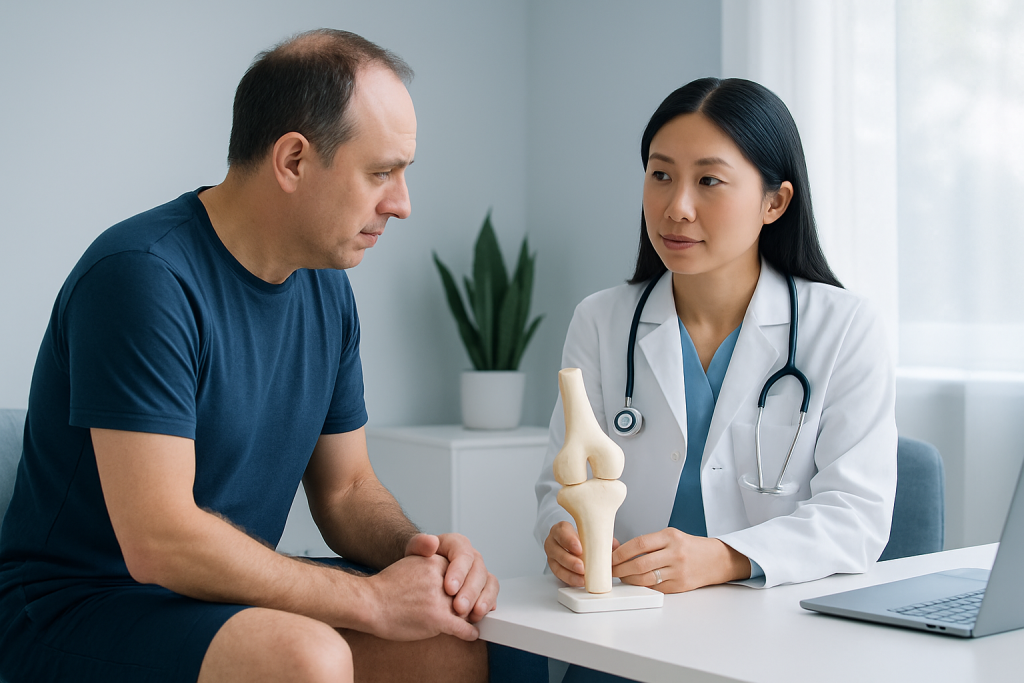
Patellar pain can begin when the kneecap is overloaded or does not track smoothly in its groove. Repetitive bending, jumping, running downhill, or frequent stair climbing can irritate the surrounding tissues. In some people, muscle tightness or weakness changes how the kneecap moves, which can increase strain on the joint.
Direct injury is another common cause. A fall onto the knee, collision in sports, or forceful twist can lead to a patellar fracture or dislocation. Cartilage irritation behind the kneecap may also contribute to pain, particularly during activities that compress the knee joint.
Risk factors may include:
- Sports with jumping, pivoting, or sudden stopping
- Muscle imbalance around the hip and thigh
- Poor knee alignment or prior knee injury
- Sudden increase in training or physical activity
- Weakness after immobility or recovery from surgery
Age and general bone health matter as well. Younger active people may experience overuse syndromes or dislocation, while older adults may be more vulnerable to fractures after a fall. The same symptom, such as front-of-knee pain, can have different causes, which is why a proper assessment is more useful than guessing based on location alone.
Diagnosis
Diagnosis begins with a careful history and physical examination. A clinician will usually ask when the pain started, whether there was an injury, what movements make it worse, and whether the knee has ever slipped, locked, or swelled quickly. The doctor will also check range of motion, tenderness, stability, and how the patella moves during bending and straightening.
Imaging is used when the exam suggests a fracture, dislocation, cartilage injury, or another structural problem. X-rays are often the first test because they show the bone clearly. MRI may be recommended when soft tissue, cartilage, or ligament injury is suspected, especially if the knee feels unstable or symptoms persist despite initial care.
In some cases, a diagnosis is clinical, meaning it is made mainly from the story and examination findings. In other cases, the medical team may compare both knees, review previous injuries, or assess walking pattern and muscle control. For someone traveling from another country, it helps to bring prior scans, operation notes, and a list of treatments already tried, because those details can shorten the path to a clear diagnosis and a practical follow-up plan.
Treatment Options
Treatment depends on the cause and severity of the problem. Many patellar pain conditions improve with conservative care that reduces irritation and helps the knee move more efficiently. The first goal is usually to calm pain and swelling, then rebuild strength and movement in a controlled way.
Non-surgical treatment may include activity modification, temporary rest from aggravating movements, ice, compression, elevation, and a brace or taping when appropriate. Physiotherapy is often central to recovery because it addresses the muscles that guide kneecap movement, especially the quadriceps, hip muscles, and supporting structures around the joint.
When the patella is fractured, treatment depends on whether the bone pieces remain aligned and whether the knee extensor mechanism is intact. Stable fractures may be treated without surgery, while displaced fractures or unstable injuries may require an operation to restore the joint surface and function. Dislocations sometimes need reduction, bracing, and rehabilitation; recurrent instability may eventually need surgical stabilization.
Typical treatment approaches can include:
- Rest and gradual return to activity
- Physiotherapy and supervised strengthening
- Brace, taping, or supportive bandaging
- Pain relief measures recommended by a clinician
- Surgery for selected fractures or recurrent instability
Recovery plans should be individualized. A patient may be able to begin treatment in one country and complete rehabilitation in another, but the plan needs clear instructions on weight-bearing, exercises, and warning signs so care remains consistent after travel.
Prevention & Self-care
Not every patellar problem can be prevented, but the knee often responds well to sensible load management. Gradually increasing exercise, cross-training instead of repeating the same motion every day, and respecting early warning signs can lower strain on the kneecap.
Strong, flexible muscles around the hip and thigh help the patella track more comfortably. A physiotherapist can suggest exercises that improve strength without aggravating symptoms. Footwear, training surfaces, and movement technique may also matter, especially for runners and court-sport athletes.
At home, self-care should be gentle and realistic. Short periods of rest, ice after activity, and avoiding deep kneeling or repeated stairs may help symptoms settle. People should avoid forcing through sharp pain, because that can prolong recovery. If an orthopedic team has provided a brace or exercise plan, following those instructions carefully is usually more helpful than switching between different online routines.
Simple habits that support recovery include:
- Warming up before exercise
- Increasing activity gradually
- Maintaining thigh and hip strength
- Using kneeling pads when appropriate
- Seeking early review if pain keeps returning
When to See a Doctor
Medical review is advisable when knee pain lasts more than a short period, keeps returning, or begins to interfere with daily life. Front-of-knee pain that does not improve with rest or that worsens with stairs, squatting, or walking should not be ignored, especially if the person is active or has a history of knee problems.
Prompt assessment is especially important after an injury. A visible deformity, inability to straighten the knee, inability to bear weight, significant swelling, or a feeling that the kneecap has shifted out of place all suggest the need for timely care. These symptoms do not always mean surgery, but they do mean the knee should be examined properly.
Anyone planning treatment from abroad should try to organize follow-up before traveling home. Clear documentation, rehabilitation instructions, and a contact plan for questions can make recovery smoother. At Acibadem Health Point, multidisciplinary specialists and JCI-accredited hospitals diagnose and treat patellar conditions for international patients, with attention to both the immediate issue and the next steps after discharge.
Living With Patellar Problems
Patellar conditions can be frustrating because they affect movements people use constantly. The good news is that many cases improve when the underlying cause is identified and the knee is given time, structure, and appropriate rehabilitation. Progress is often gradual rather than dramatic, so small gains in pain control, movement, and confidence matter.
For patients managing a longer recovery, keeping expectations practical helps. Returning to sports, work that involves kneeling, or long-distance travel may need to happen in stages. A treatment team can usually explain which activities are safe now, which should wait, and how to recognize overload before it turns into a setback.
Because the kneecap depends on coordinated movement, successful treatment is rarely about the bone alone. It often involves the whole kinetic chain: the hip, thigh, knee, foot, and the way a person moves through daily life. That broader approach is often what allows pain to settle and function to return steadily.
Frequently asked questions
What is the patella?
The patella is the kneecap, a small bone at the front of the knee. It helps protect the joint and improves the leverage of the thigh muscles when the knee straightens.
Why does the front of the knee hurt around the patella?
Front-of-knee pain can come from overuse, poor tracking of the kneecap, cartilage irritation, injury, or a fracture or dislocation. The exact cause usually becomes clearer after a physical exam and, when needed, imaging.
Can patellar pain improve without surgery?
Yes, many patellar conditions improve with rest, activity modification, physiotherapy, and time. Surgery is usually reserved for specific problems such as displaced fractures or repeated instability.
Is it safe to exercise with patellar pain?
Mild exercise may be possible if it does not worsen pain, but high-impact or deep-bending activities often need to be paused or modified. A clinician or physiotherapist can help choose safer movements during recovery.
How is a patellar fracture treated?
Treatment depends on how the bone is broken and whether the knee can still straighten properly. Some fractures are managed without surgery, while others need an operation to realign and stabilize the kneecap.
When should someone seek urgent help for a knee injury?
Urgent assessment is recommended if the knee looks deformed, cannot bear weight, cannot straighten, or swells quickly after injury. These signs may point to a fracture, dislocation, or another significant injury.
References
- American Academy of Orthopaedic Surgeons
- National Institute of Arthritis and Musculoskeletal and Skin Diseases
- Mayo Clinic
- Cleveland Clinic
- NHS
This article is for general information only and is not a substitute for professional medical advice. Please consult a qualified doctor about your individual situation.
More from the Health Library



Related Specialists

Dr. Esra Boyar
Gynecology & Obstetrics
Dr. Ceren Hande Seyyar
Pediatrics
Assoc. Prof. Dr. Mehmet Altiparmak
Aesthetic Plastic & Reconstructive Surgery
Prof. Dr. Arzu Ertürk
Pulmonary Medicine