Hip Replacement Abroad: What Changes the Plan Beyond the X-Ray

Key Takeaways
- An X-ray shows the joint, but it does not capture the full picture of overall surgical readiness.
- Medical history, blood tests, imaging, and functional assessment help guide whether hip replacement is appropriate.
- Travel timing, length of stay, and post-operative mobility planning matter when surgery happens abroad.
- Rehabilitation, wound care, and follow-up arrangements should be organized before the trip.
- A qualified orthopedic team can help match the operation, implant choice, and recovery plan to the patient’s needs.
Hip replacement planning involves much more than reviewing an X-ray. For patients considering treatment abroad, medical fit, travel logistics, rehabilitation, and follow-up care all shape the safest path forward.
Overview
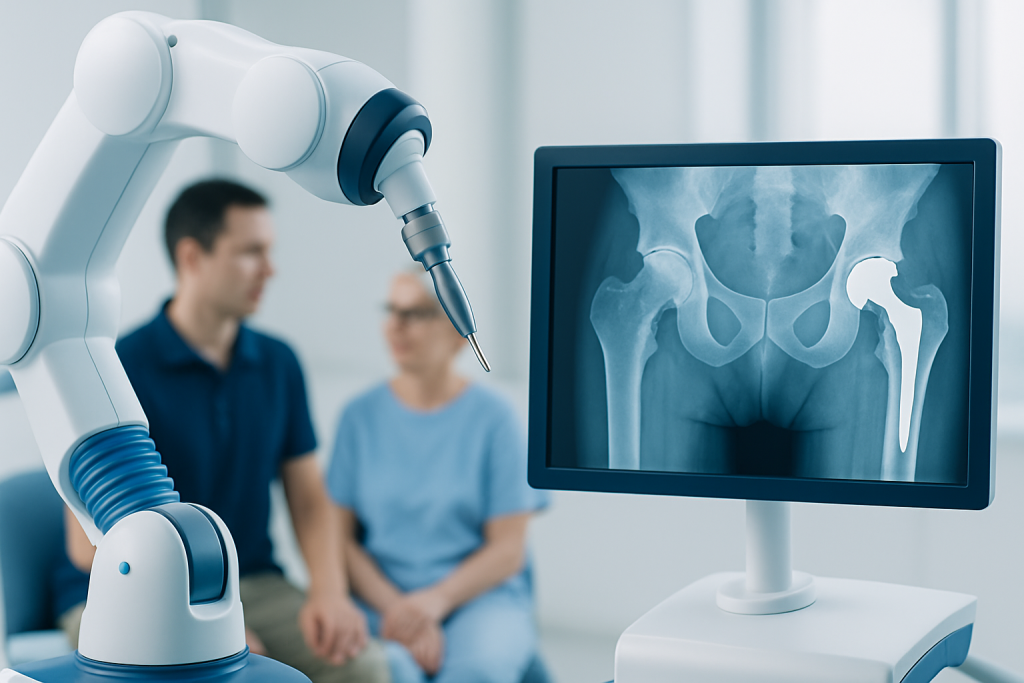
When someone begins looking into hip replacement abroad, the first question is often simple: what does the X-ray show? The image is important, but it is only one part of the decision. A hip joint can look severely worn on film while the person still needs more assessment before surgery is scheduled, or it may look only moderately changed while pain and stiffness are already disrupting daily life.
Hip replacement is usually considered when arthritis, injury, or another joint problem has damaged the hip enough to limit walking, sleep, work, or basic self-care. Abroad, the planning process has an added layer. The patient is not only choosing a procedure; they are also organizing care across borders, which means surgical readiness, travel comfort, rehabilitation access, and clear follow-up instructions all need attention.
For international patients, the best plan is the one that is medically sound and practical. That means understanding how the surgeon evaluates the joint, what other tests matter, how long recovery may require in the destination country, and what happens after the patient returns home. A strong plan starts with the X-ray, but it never ends there.
Symptoms
Hip replacement is usually discussed after symptoms become persistent and difficult to manage with simpler treatments. Pain may be felt deep in the groin, along the outer hip, or sometimes in the thigh or buttock. It may appear during walking, climbing stairs, standing up from a chair, or even while resting at night.
Stiffness is another common sign. Some people notice that they can no longer put on socks easily, step into a car without turning the whole body, or walk the distance they used to manage comfortably. The hip may also feel unstable, weak, or mechanically limited, especially after sitting for long periods.
These symptoms matter because the decision for surgery is based on function, not X-ray appearance alone. A patient with significant pain and reduced mobility may be a better candidate than someone whose scan looks worse but whose daily life is still manageable. In other words, how the hip behaves matters as much as how it appears.
Causes & Risk Factors

The most common reason for hip replacement is osteoarthritis, a gradual wearing away of the joint cartilage that leads to pain, stiffness, and loss of smooth movement. Other causes include rheumatoid arthritis, avascular necrosis, childhood hip disorders that affect adult joint shape, and fractures or injuries that have damaged the joint surface.
Several factors can influence whether surgery is likely to be needed and how complex the operation may become. Age can play a role, although younger adults sometimes need hip replacement as well. Body weight, previous surgeries, bone quality, chronic inflammation, and longstanding deformity may all affect planning. General medical conditions such as diabetes, heart disease, or smoking history can also influence recovery and surgical preparation.
For patients traveling abroad, another practical risk factor is incomplete information. A person may have an old X-ray, but the current condition of the hip, the condition of the surrounding muscles, and the status of overall health may have changed. Good preoperative assessment helps reduce surprises once the patient has already arrived for treatment.
Diagnosis
Before recommending hip replacement, an orthopedic team typically reviews several pieces of information. The process begins with a conversation about symptoms, daily limitations, prior treatments, and general health history. The surgeon also examines how the hip moves, whether pain is reproduced with certain motions, and whether there are signs that another condition could be contributing to the discomfort.
Imaging is usually central to the diagnosis, but the X-ray is only part of it. It can show joint-space narrowing, bone spurs, deformity, or changes in alignment. Depending on the situation, the team may also request additional imaging or blood tests to check for inflammation, anemia, infection concerns, kidney function, or other factors that matter before surgery. Some patients need heart or lung clearance if they have relevant medical conditions.
When surgery is being planned abroad, the diagnostic process often also includes a review of the patient’s prior records from home. This may help the team compare older images with current ones, understand previous medications or procedures, and make a safe plan for anesthesia and rehabilitation. A detailed evaluation supports better decision-making than relying on a single scan alone.
Treatment Options
Not every person with hip pain needs immediate surgery. Treatment options may include activity modification, physical therapy, walking aids, anti-inflammatory medicine when appropriate, weight management, or injections in selected cases. These measures can help some patients stay active for longer, and they may be used while preparing for surgery.
When hip replacement is the best option, the operation generally involves removing the damaged joint surfaces and replacing them with prosthetic components designed to restore smoother movement and reduce pain. Depending on the patient’s anatomy and the surgeon’s assessment, different implant designs or approaches may be considered. The choice is usually based on bone quality, joint shape, overall health, and the surgeon’s experience rather than on a single image.
For someone traveling abroad, treatment planning should also include practical details: expected hospital stay, timing of physiotherapy, support for walking after surgery, and whether a companion is needed. A patient may also need guidance about blood clot prevention, wound care, and what activities should be avoided during the first phase of recovery. Clear instructions can make a major difference once the patient is back in a hotel, apartment, or long-distance flight setting.
Prevention & Self-care
Not every hip problem can be prevented, especially when arthritis or past injury has already changed the joint. Still, self-care can help patients stay stronger before surgery and support a smoother recovery afterward. Gentle exercise, as advised by a clinician, can maintain muscle tone and mobility without overloading the hip.
Before traveling for surgery, patients benefit from organizing practical details early. It helps to bring a current medication list, previous imaging reports, and a summary of past medical conditions. Comfortable clothing, mobility aids if recommended, and a plan for assistance with luggage, stairs, or transport can lower stress on arrival. Stopping smoking, managing blood sugar, and addressing anemia or nutrition concerns in advance may also support healing.
After surgery, self-care usually centers on following the surgeon’s movement instructions, protecting the wound, taking prescribed medications as directed, and attending physiotherapy. It is also wise to plan the return trip carefully. Long flights or extended travel should be discussed with the medical team so that the patient knows when it is safe to move, sit, and resume the journey home.
When to See a Doctor
A doctor should be consulted when hip pain is no longer occasional and begins to interfere with ordinary life. If walking, sleeping, dressing, or getting in and out of a car has become difficult, it is reasonable to ask for an orthopedic evaluation. Persistent stiffness, a limp, or pain that does not improve with basic care also deserves attention.
Patients considering hip replacement abroad should seek assessment before booking travel, not after. That allows time to review prior records, confirm whether surgery is truly needed, and identify any medical issues that could affect the timing of the operation. It is especially important to speak with a clinician sooner if there is severe pain, sudden worsening, fever, a recent injury, or unexplained swelling.
For international patients, a coordinated team can help align diagnosis, surgery, rehabilitation, and post-discharge planning. At Acibadem Health Point, multidisciplinary specialists and JCI-accredited hospitals diagnose and treat hip conditions for international patients with attention to both medical safety and the realities of traveling for care.
Recovery and Follow-up Abroad
Recovery after hip replacement does not end when the patient leaves the operating room. The first days are often focused on safe movement, pain control, and learning how to sit, stand, and walk with the new joint. Physiotherapy usually begins early, because controlled movement is an important part of regaining confidence and function.
For someone receiving care abroad, follow-up planning is especially important. The patient needs to know who will review the incision, who to contact if symptoms change, and how local follow-up will continue after return home. Some travelers arrange virtual check-ins, while others coordinate with a physician in their own country who can monitor recovery and handle routine questions.
It is also wise to prepare for a slower pace after surgery than many first imagine. Even when the operation goes well, the body needs time to heal. Rest, walking as instructed, and gradual improvement are normal parts of the process. Planning for recovery with realistic expectations can make the experience feel more manageable and less stressful.
Frequently asked questions
Is an X-ray enough to decide on hip replacement?
Usually, no. An X-ray shows the joint structure, but the decision also depends on pain, stiffness, walking ability, exam findings, and general health. A surgeon may ask for additional tests before confirming surgery.
Why does hip replacement abroad need extra planning?
Because the patient must coordinate medical care and travel at the same time. Timing, mobility after surgery, the length of stay, and follow-up after returning home all need to be organized in advance.
Can someone try other treatments before surgery?
Yes, in many cases. Physical therapy, medicines, activity changes, and other non-surgical measures may help for a period, depending on the cause of the hip problem. A doctor can explain whether those options are still appropriate.
How long does recovery usually take?
Recovery varies by person and by overall health. Many patients begin walking early with support, but full healing and return to stronger activity take time and structured rehabilitation.
What should a patient bring when traveling for hip surgery?
It helps to bring prior imaging, test results, a medication list, and a summary of past surgeries or medical conditions. Comfortable clothing, walking aids if recommended, and a companion if needed can also be useful.
When should a patient seek medical help after surgery?
Any sudden worsening pain, fever, unusual wound drainage, chest symptoms, or new leg swelling should be reported promptly. The surgical team should provide clear instructions on which symptoms need urgent attention.
References
- American Academy of Orthopaedic Surgeons
- NHS
- Mayo Clinic
- World Health Organization
- International Society of Orthopaedic Surgery and Traumatology
This article is for general information only and is not a substitute for professional medical advice. Please consult a qualified doctor about your individual situation.