

Zygomatic Bone

Key Takeaways
- The zygomatic bone forms the prominent part of the cheek and supports the orbit.
- Injury can affect facial symmetry, chewing, eye movement, and sensation in the face.
- Diagnosis often includes a physical exam and imaging such as a CT scan.
- Treatment ranges from careful observation to surgical repair, depending on fracture position and symptoms.
- Recovery usually involves protecting the face, following activity limits, and attending follow-up visits.
The zygomatic bone is the cheekbone that helps shape the face, support the eye, and protect nearby structures. When it is injured, prompt evaluation can help restore both function and facial balance.
Overview
The zygomatic bone is the sturdy, curved bone commonly called the cheekbone. It does more than define facial contour. It also helps form part of the eye socket, contributes to the bridge between the upper jaw and the skull, and provides support for muscles involved in chewing and facial expression.
Because it sits in a prominent position, the zygomatic bone is exposed to injury from falls, sports impacts, road traffic accidents, and other blunt trauma. A fracture in this area can change the appearance of the face and may also affect vision, mouth opening, or sensation in the cheek and upper lip.
For people deciding whether to seek care at home or travel for specialist treatment, the key issue is not only how the cheek looks but whether the injury has shifted the bone, involved the orbit, or caused functional problems. A maxillofacial or facial trauma team can assess all of these factors together.
Symptoms
Symptoms of a zygomatic bone injury vary depending on whether the bone is bruised, cracked, or displaced. Some people notice only tenderness and swelling at first, while others develop a clear flattening of the cheek or a change in the way the teeth meet.
Common symptoms may include:
- Pain over the cheek or around the eye
- Swelling and bruising on the face
- Visible flattening or asymmetry of the cheek
- Difficulty opening the mouth fully
- Numbness of the cheek, upper lip, or upper teeth area
- Double vision or discomfort when moving the eyes
Not every fracture causes every symptom. A person may still walk, talk, and eat, yet have a fracture that needs treatment. For that reason, any facial injury with persistent swelling, numbness, or changes in vision deserves medical review.
Causes & Risk Factors

Most zygomatic bone injuries happen after blunt force to the face. The bone is relatively strong, but it can still fracture when the impact is enough to transmit force through the cheek or orbit.
Typical causes include sports collisions, falls, assaults, cycling or vehicle accidents, and workplace injuries. Risk is higher in activities where the face is exposed and where protective equipment is not used consistently.
Some factors can make injury more likely or recovery more complex. These include participation in contact sports, poor balance with a tendency to fall, alcohol-related falls, and bone fragility in older adults. Facial injuries may also be more complicated when there are associated fractures of the jaw, nose, or eye socket.
Diagnosis
Diagnosis usually begins with a careful history and physical examination. A clinician will look for facial asymmetry, tenderness, numbness, limitation in mouth opening, eye movement problems, and changes in bite alignment. The eyes are checked closely because the zygomatic bone helps support the orbit.
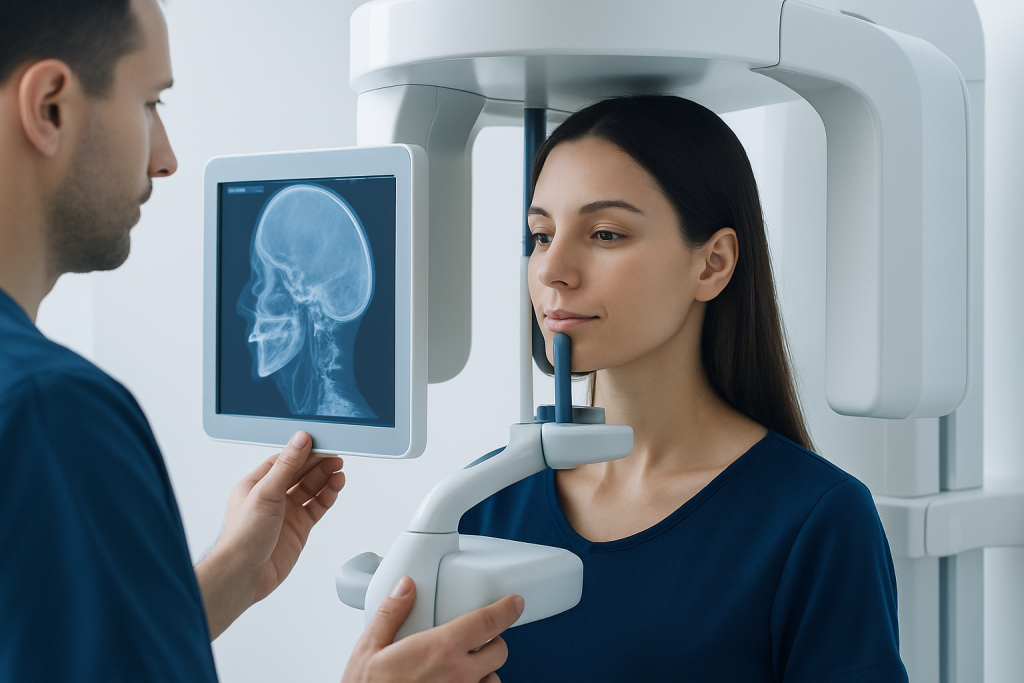
Imaging is often needed to confirm the injury and map its extent. A CT scan is commonly used because it shows the facial bones in detail and helps identify displacement, small fracture lines, or involvement of nearby structures. Plain X-rays may be used in some settings, but they are less detailed for complex facial injuries.
When a patient is traveling for specialist care, bringing any prior scans, discharge notes, and medication lists can save time and help the surgical team compare findings. If the injury happened recently, clinicians may also look for signs of soft tissue swelling, bleeding, or nerve irritation that can influence treatment planning.
Treatment Options
Treatment depends on whether the fracture is stable, displaced, or affecting function. Small, non-displaced fractures may be managed without surgery if the cheek shape is preserved and the eye and jaw are working normally. In these cases, close observation and follow-up imaging or examinations may be recommended.
If the bone has shifted, surgery may be needed to restore facial contour and protect nearby structures. Surgical repair can involve repositioning the bone and securing it with plates or screws. When the orbit is involved, the eye socket may also need careful reconstruction to prevent ongoing vision or movement problems.
Pain control, soft foods, and limits on heavy activity are often part of early care. Patients are usually advised to avoid pressure on the injured cheek, nose blowing if the orbit is affected, and contact sports until cleared by the treating team. In international-patient settings, multidisciplinary specialists and JCI-accredited hospitals such as Acibadem Health Point can diagnose and treat zygomatic bone injuries with coordinated care for patients who need assessment and follow-up away from home.
Prevention & Self-care
Not every zygomatic injury can be prevented, but some practical steps reduce risk. Protective face gear during sports, seat belts in vehicles, and appropriate helmets for cycling or motor sports all help limit facial impact. Improving home safety by reducing trip hazards and ensuring good lighting can also lower fall risk.
After injury or surgery, self-care focuses on protecting the healing bone and supporting comfort. Patients are commonly advised to sleep with the head elevated if swelling is significant, eat softer foods if chewing is uncomfortable, and keep scheduled follow-up visits even when they begin to feel better.
Good oral hygiene matters if mouth opening is limited or if surgery has been performed near the jaw. It is also sensible to avoid smoking, since it can slow healing and increase the risk of complications. Any new worsening pain, increasing swelling, fever, or change in vision should be reported promptly.
When to See a Doctor
Medical assessment is important after any facial trauma when there is ongoing pain, obvious flattening of the cheek, numbness, trouble opening the mouth, or a feeling that the teeth no longer fit together normally. Eye symptoms such as double vision, pain with eye movement, reduced vision, or a sunken appearance around the orbit need prompt attention.
A doctor should also evaluate injuries associated with heavy bleeding, head trauma, loss of consciousness, or fractures elsewhere in the face. Even when symptoms seem mild, delayed swelling can hide a more significant fracture, so an early specialist review is often the safest approach.
People arranging treatment from another country should seek care before traveling if possible, especially when vision or bite changes are present. That allows the receiving team to plan imaging, surgery if needed, and recovery instructions that fit the patient’s itinerary and follow-up needs.
Frequently asked questions
What does the zygomatic bone do?
The zygomatic bone helps create the cheek contour and contributes to the eye socket. It also supports nearby facial muscles and helps protect structures around the orbit and upper face.
How can someone tell if the zygomatic bone is fractured?
Signs may include cheek swelling, flattening of the face, numbness, pain when chewing, or double vision. Because swelling can hide the injury, imaging is often needed to confirm the diagnosis.
Is every zygomatic bone fracture treated with surgery?
No. Some fractures are stable and do not need an operation if the bone remains well aligned and important functions are intact. Surgery is more likely when the bone is displaced or the eye, jaw, or facial symmetry is affected.
How long does recovery usually take?
Recovery varies with the severity of the injury and whether surgery is needed. Many patients need several weeks of activity restriction and follow-up visits, while healing can continue beyond the period when pain has improved.
Can a zygomatic fracture affect vision?
Yes, especially if the orbit is involved. Double vision, pain with eye movement, or changes in vision should be evaluated quickly by a doctor.
What should patients avoid after a cheekbone injury?
Patients are often advised to avoid contact sports, heavy lifting, and pressure on the injured side of the face. If the orbit is affected, they may also be told to avoid nose blowing until cleared by the treating team.
References
- American Association of Oral and Maxillofacial Surgeons
- Cleveland Clinic
- Mayo Clinic
- Merck Manual Professional Edition
- National Library of Medicine
This article is for general information only and is not a substitute for professional medical advice. Please consult a qualified doctor about your individual situation.
More from the Health Library



Related Specialists

Prof. Dr. Ahmet Alanay
Orthopedic Surgery & Traumatology
Dr. Sinan Aksu
Orthopedic Surgery & Traumatology
Dr. Sirri Baştürk
Orthopedic Surgery & Traumatology
Prof. Dr. Korhan Özkan
Orthopedic Surgery & Traumatology