Ovulation Cramps

Key Takeaways
- Ovulation cramps often occur about midway through the menstrual cycle, near the time of egg release.
- Pain is usually mild to moderate and may affect one side of the lower abdomen.
- Hormonal changes and the stretching or irritation around the ovary are thought to contribute.
- Persistent, severe, or unusual pain should be assessed to rule out other conditions.
- Simple comfort measures may help, but recurring or changing symptoms deserve medical review.
Ovulation cramps are a common form of mid-cycle pelvic pain that some women notice around the time an ovary releases an egg. They are usually harmless, but understanding their pattern can help distinguish them from other causes of abdominal or pelvic discomfort.
Overview
Ovulation cramps are sometimes called mittelschmerz, a German term meaning “middle pain.” The discomfort typically appears around the middle of the menstrual cycle, when an ovary releases an egg. For some women, it is a brief twinge; for others, it is a more noticeable ache that can last from minutes to a day or two.
The pain is usually felt low in the abdomen or pelvis and may shift from one side to the other from month to month. Because the ovaries alternate activity, the location does not always stay the same. Many women recognize the timing after a few cycles, especially if they track periods and other cycle-related changes.
Although ovulation cramps are often normal, not every mid-cycle pain is related to ovulation. Similar discomfort can come from digestive issues, ovarian cysts, endometriosis, urinary problems, or pelvic infections. The goal is not to dismiss the symptom, but to understand its pattern and look for signs that suggest something else.
Symptoms
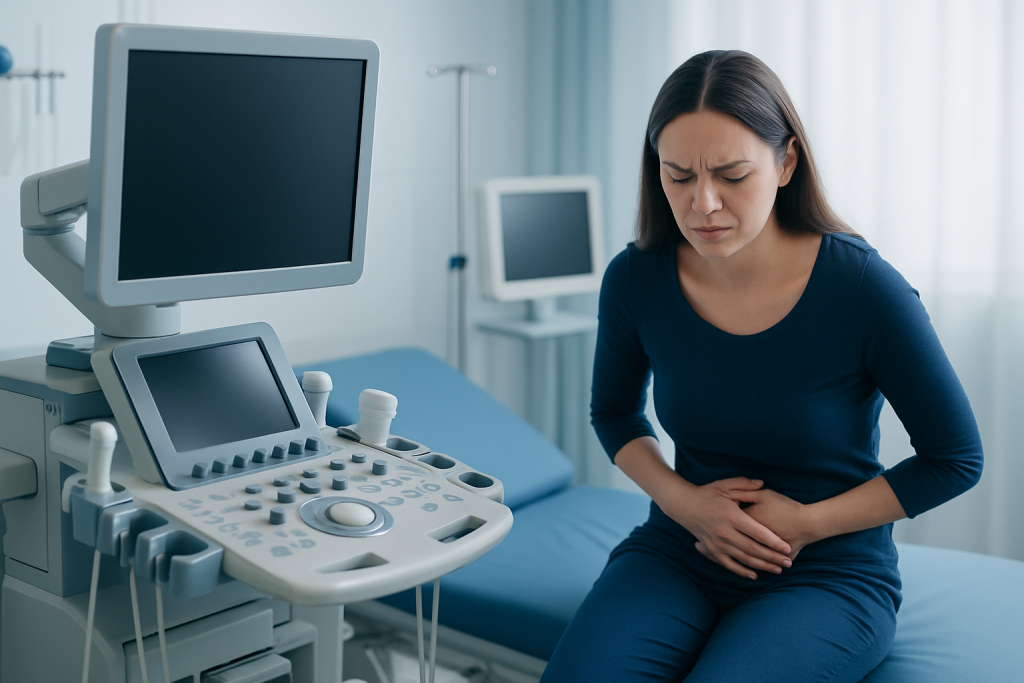
Ovulation pain is usually described as a dull ache, pressure, sharp pinch, or pulling sensation on one side of the lower abdomen. It may begin suddenly or build gradually and can last briefly or persist for several hours. Some women notice it only once in a while, while others experience it during many cycles.
Other changes may appear around the same time as the cramping. These can include a small amount of vaginal spotting, increased cervical mucus, or a sense of pelvic fullness. Mild bloating can also occur, which may make the discomfort feel more noticeable.
- One-sided lower abdominal or pelvic pain
- Mild spotting in the middle of the cycle
- Temporary increase in vaginal discharge
- Occasional back discomfort or pelvic pressure
Ovulation cramps are usually not severe enough to interrupt daily activities for long. If pain becomes intense, lasts longer than expected, or comes with fever, vomiting, or heavy bleeding, another cause should be considered.
Causes & Risk Factors
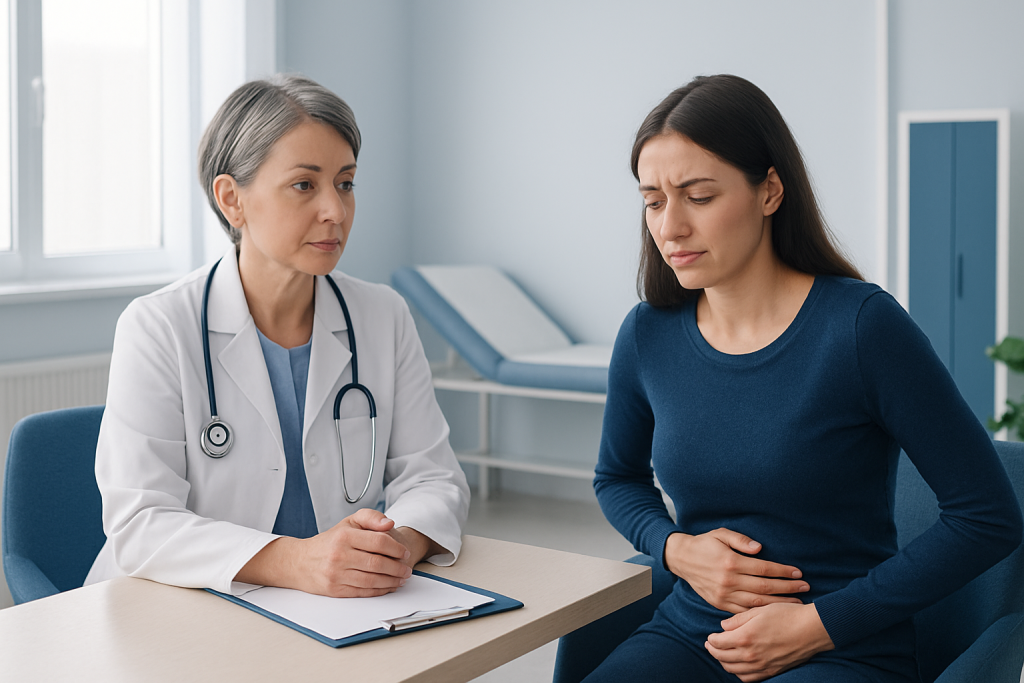
The exact reason ovulation cramps happen is not fully understood, but several normal changes during ovulation are thought to contribute. As the follicle grows and then releases the egg, the ovary and surrounding tissue may stretch. Small amounts of fluid or blood released during ovulation can also irritate nearby tissues and nerves.
Some women seem more likely to notice these cramps than others. A lower pain threshold, heightened awareness of cycle changes, or prior pelvic sensitivity can make symptoms feel stronger. In some cases, the pain is more noticeable when the ovary releases an egg from a larger follicle.
Conditions that affect the pelvis may make mid-cycle pain more difficult to interpret. Endometriosis, ovarian cysts, fibroids, pelvic inflammatory disease, and bowel disorders can all create discomfort that overlaps with the timing of ovulation. That is why the pattern, severity, and associated symptoms matter as much as the pain itself.
Diagnosis
In many cases, ovulation cramps are identified by the timing and character of the pain rather than by a single test. A clinician will usually ask when the discomfort happens, how long it lasts, which side is affected, and whether there are accompanying symptoms such as bleeding or discharge. Tracking symptoms alongside the menstrual cycle can make the pattern easier to recognize.
A pelvic examination or imaging study may be recommended if the symptoms are unusual, persistent, or worsening. Ultrasound can help look for ovarian cysts or other structural causes, while laboratory tests may be used if infection or pregnancy-related issues are a concern. The purpose is to rule out other explanations, not to overinvestigate pain that clearly follows a typical ovulation pattern.
For women who travel for care, a structured evaluation can be especially helpful when records from home are limited. Bringing period dates, symptom notes, and any previous test results to the appointment can save time and make follow-up smoother, particularly if care may continue across countries.
Treatment Options
Most ovulation cramps do not require medical treatment. Many women find relief with rest, a warm compress on the lower abdomen, gentle movement, or over-the-counter pain relief if it is safe for them to use. Comfort measures often work best when started early, soon after the pain begins.
If ovulation pain is frequent or disruptive, a doctor may discuss options to reduce ovulation itself. Certain hormonal methods of contraception can prevent ovulation and may lessen cycle-related pain. This is not the right choice for everyone, so it should be based on overall health, fertility goals, and personal preference.
When the symptoms are caused by another condition, treatment depends on the diagnosis. For example, ovarian cysts, endometriosis, or infection may need more specific medical care. A careful diagnosis is important because treating the wrong problem can delay relief and make the pain harder to manage.
Prevention & Self-care
Ovulation cramps cannot always be prevented, but some women reduce their discomfort by learning the rhythm of their own cycle. Keeping a simple symptom diary can help identify the days when pain is likely to appear, making it easier to plan rest, exercise, travel, or important workdays around that window.
Basic self-care can also make the episodes more manageable. Hydration, regular meals, light activity, and warmth to the lower abdomen are simple measures that many women find soothing. If pain relief medicine is appropriate, it is best used according to the package instructions or a clinician’s advice.
- Track cycle dates and symptom timing
- Use warmth for short-term comfort
- Maintain steady sleep, hydration, and meals
- Seek a review if the pattern changes
For women coordinating care from abroad, keeping a digital record of symptoms can be particularly useful. A clear history helps a specialist understand whether the pain is a routine cycle feature or a sign that more evaluation is needed.
When to See a Doctor
Medical advice is a good idea if ovulation pain is new, severe, or different from the usual pattern. It is also worth seeking evaluation if the pain lasts longer than a couple of days, happens outside the expected mid-cycle timing, or keeps returning in a way that is becoming more troublesome.
Prompt attention is important if the pain comes with fever, nausea or vomiting, fainting, painful urination, abnormal vaginal discharge, heavy bleeding, or a positive pregnancy test. These symptoms may point to infection, torsion, ectopic pregnancy, or another condition that needs timely care.
Women who are unsure whether the pain is related to ovulation often benefit from a specialist review, especially if symptoms interfere with daily life or fertility planning. Acibadem Health Point’s multidisciplinary specialists and JCI-accredited hospitals diagnose and treat this condition for Myomectomy Recovery for International Patients: The Usual Travel Timeline" class="ahp-ilk">international patients, supporting evaluation and follow-up with a coordinated approach.
If the discomfort is persistent or the diagnosis remains unclear, a clinician can help separate normal cycle pain from conditions that need treatment. That reassurance can be just as valuable as medication, particularly when symptoms are happening far from home and decisions need to be made confidently.
Living With Mid-Cycle Pain
For many women, ovulation cramps are a recurring but manageable part of the menstrual cycle. Understanding the timing, typical location, and expected duration often reduces worry and makes the symptom easier to recognize. A predictable pattern is usually reassuring.
Still, pain should never be ignored simply because it appears around ovulation. Changes in intensity, new associated symptoms, or a pattern that starts interfering with life are all reasons to have it checked. A balanced approach—neither alarmed nor dismissive—usually leads to the best care.
With good tracking and a clear plan for when to seek help, most women can manage ovulation cramps safely and confidently. When needed, a clinician can confirm the cause and discuss practical options that fit health needs and future fertility goals.
Frequently asked questions
What do ovulation cramps usually feel like?
They are often described as a dull ache, pressure, or a brief sharp pain on one side of the lower abdomen. Some women also notice mild spotting or increased discharge at the same time. The discomfort usually appears around the middle of the menstrual cycle.
How long do ovulation cramps last?
They may last only a few minutes or continue for several hours, and sometimes up to one or two days. Pain that is longer-lasting, severe, or getting worse should be evaluated. The timing and pattern help clinicians tell ovulation pain apart from other causes.
Are ovulation cramps normal?
They can be a normal part of the menstrual cycle for some women. However, normal does not mean every mid-cycle pain is ovulation-related. If the pain is new, intense, or unusual, it is sensible to check with a doctor.
Can ovulation cramps affect fertility?
Ovulation cramps themselves do not usually affect fertility. In some cases, the pain may simply reflect normal ovulation. If there are concerns about fertility or other symptoms such as irregular cycles, a clinician can assess whether another issue is present.
What can help ease the pain?
Many women find relief with rest, warmth on the lower abdomen, and general self-care. Some may use over-the-counter pain relief if it is safe for them, but this should be based on personal health factors. If symptoms recur often, a doctor can suggest additional options.
When should ovulation pain be checked urgently?
Urgent assessment is important if the pain is severe, comes with fever, vomiting, fainting, heavy bleeding, or a positive pregnancy test. These signs may indicate a condition that needs prompt treatment. If there is any uncertainty, it is safer to seek medical advice.
References
- American College of Obstetricians and Gynecologists
- Mayo Clinic
- National Health Service
- Merck Manual Professional Edition
- World Health Organization
This article is for general information only and is not a substitute for professional medical advice. Please consult a qualified doctor about your individual situation.
More from the Health Library



Related Specialists

Prof. Dr. A. Taner Usta
Gynecology & Obstetrics
Prof. Dr. Ahmet Tayyar
Gynecology & Obstetrics
Prof. Dr. Ahmet Cem Batukan
Gynecology & Obstetrics
Dr. Sevgi Selen
Gynecology & Obstetrics