Menstrual Disc

Key Takeaways
- A menstrual disc sits in the vaginal fornix and collects flow rather than absorbing it.
- It may suit people who want a low-profile option for swimming, travel, or longer wear intervals.
- Insertion and removal take a little practice, especially the first few cycles.
- Good hand hygiene and proper cleaning help reduce irritation and infection risk.
- Persistent pain, unusual bleeding, or trouble with insertion should be reviewed by a clinician.
A menstrual disc is a reusable or disposable period product placed high in the vagina to collect menstrual flow. It can be a comfortable option for many people, especially those looking for longer wear time and a different fit from a tampon or menstrual cup.
Overview
A menstrual disc is a period product designed to sit high in the vagina, just below the cervix, where it collects menstrual blood during a period. Unlike tampons, which absorb flow, a disc creates a soft reservoir that stays in place through gentle positioning and the body’s natural anatomy.
Many people first consider a menstrual disc after becoming curious about alternatives to pads, tampons, or menstrual cups. It may appeal to those who want fewer changes during the day, less awareness of a product once it is correctly placed, or a different fit for a body that has not been comfortable with other options.
For Myomectomy Recovery for International Patients: The Usual Travel Timeline" class="ahp-ilk">international patients who are planning travel, work trips, or surgery recovery away from home, period care is often part of practical preparation. A menstrual disc can be one option in that planning process, but the best choice depends on comfort, menstrual flow, pelvic anatomy, and any history of pelvic pain, vaginal infections, or gynecologic conditions.
Symptoms and Everyday Experience
A menstrual disc itself does not cause symptoms in the way a medical condition does, but users may notice how it feels when inserted, worn, or removed. When placed correctly, it is often not felt at all. Some people describe a sense of security because it can collect a larger amount of flow than many other period products before it needs changing.
The first few uses may involve a learning curve. It is common to need several cycles to become comfortable with folding the disc, guiding it into place, and ensuring the rim is tucked behind the pubic bone. Mild awareness during insertion is possible, but persistent discomfort is not something to ignore.
Signs that the product may not be fitting well include ongoing pressure, leakage soon after insertion, pain with removal, or a sensation that it is slipping out. These are often solved by technique adjustments or by trying a different size or style, but they can also be a clue that an underlying pelvic floor issue or vaginal dryness needs attention.
- Possible experiences include little to no sensation once placed correctly.
- Some users notice improved convenience during long workdays or travel.
- Leaking, pain, or pressure suggests the fit or placement should be reassessed.
Causes and Risk Factors

A menstrual disc is a device chosen for period management, so the main “cause” of any challenge is usually fit, technique, or an individual body difference rather than a disease. Vaginal length, cervical position, pelvic floor tone, and the shape of the vaginal fornix can all influence whether the disc feels comfortable and stays secure.
Some people find discs easier to use after childbirth, while others prefer them before pregnancy-related changes; there is no single pattern that fits everyone. Vaginal dryness, active infection, significant pelvic pain, endometriosis, fibroids, or a history of painful pelvic exams can make insertion or removal feel more difficult. In these situations, a thoughtful discussion with a gynecologist can help clarify whether a disc is appropriate.
Risk factors for irritation are often related to use rather than the product itself. These may include inserting with unwashed hands, leaving a reusable disc uncleaned between cycles, using a product that is too large or too firm, or wearing it beyond the recommended interval. Sensitivity to certain materials is less common but should be considered if itching or burning begins after starting a new brand.
Diagnosis and How Fit Is Assessed
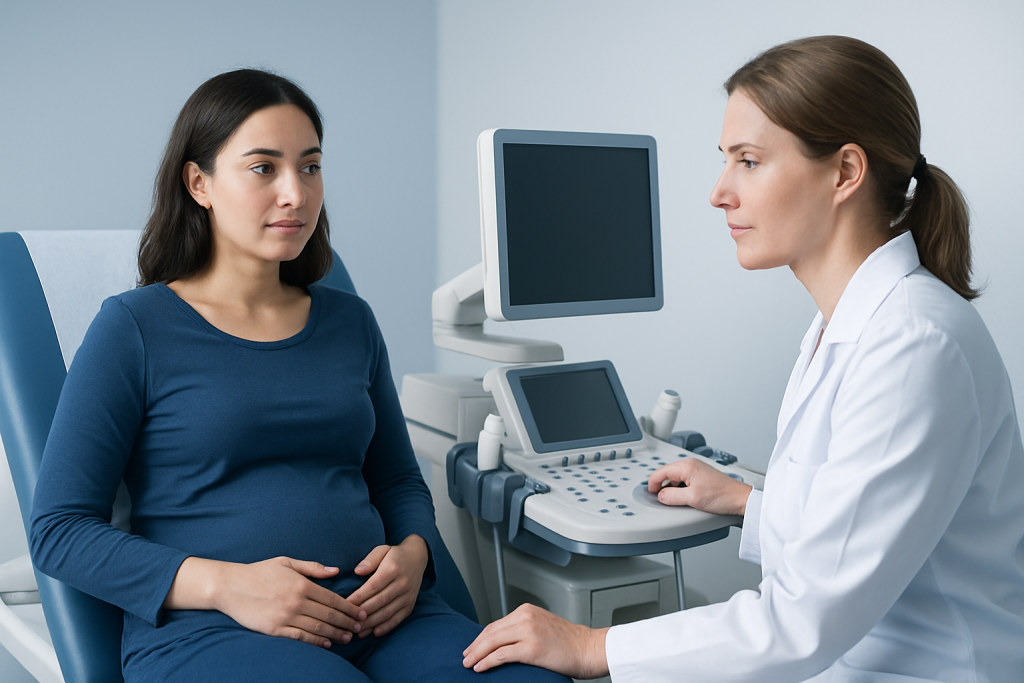
There is no medical diagnosis required to use a menstrual disc, but a clinician may help assess whether it is likely to fit comfortably. That conversation usually includes menstrual pattern, childbirth history, pelvic pain symptoms, vaginal dryness, and any past issues with tampons, cups, or pelvic examinations.
If a person is experiencing repeated leakage, discomfort, or inability to insert a disc, a pelvic exam may be recommended. This helps the clinician look for possible contributors such as vaginal sensitivity, prolapse, enlarged fibroids, cervical position changes, or muscle tension in the pelvic floor. The aim is not to judge whether someone is using the product correctly, but to understand whether another health issue is affecting comfort.
In international care settings, this assessment can be especially useful before travel or after a procedure, when patients may want period protection that feels reliable and simple. A careful history often provides enough guidance to suggest whether a disc, cup, tampon, pad, or another menstrual management strategy is the better fit.
Treatment Options and Product Choices
Because a menstrual disc is not a treatment for disease, the practical choices revolve around product type, technique, and support for any underlying condition. Discs come in reusable and disposable versions, and some are designed to be flatter, firmer, or more flexible than others. The best option depends on comfort, ease of insertion, and the person’s routine.
If a disc feels uncomfortable, changing the angle of insertion, relaxing the pelvic muscles, or choosing a smaller or softer style may help. Some people do better inserting it while standing with one leg raised, while others prefer squatting or sitting on the toilet. Removal usually involves reaching the rim, pinching it gently, and keeping the motion slow and calm to avoid a tugging sensation.
For people with heavy bleeding, a disc may be used as part of a broader plan that also includes tracking periods, checking for anemia if needed, or discussing heavy menstrual bleeding with a clinician. If pain, dryness, or vaginal spasms are part of the picture, treatment may focus on the underlying cause rather than the period product itself. That can include evaluation for endometriosis, fibroids, infections, or pelvic floor dysfunction.
- Reusable discs need careful cleaning according to the manufacturer’s instructions.
- Disposable discs may be preferred for travel or short-term use.
- Any product that repeatedly causes pain should be replaced with a different option or reviewed medically.
Prevention and Self-care
Good self-care with a menstrual disc starts with clean hands and a calm, unhurried approach. Reading the insertion instructions before the first use can reduce frustration, and many people find it helpful to practice on a day when they are not rushed or in pain. A little patience matters, because comfort often improves after the first one or two cycles.
For reusable discs, proper cleaning is important. The product should be washed as directed by the manufacturer between uses and fully dried before storage. During the cycle, changing the disc at appropriate intervals and keeping track of total wear time helps reduce odor, irritation, and accidental leakage.
Self-care also means listening to the body. If the vagina feels dry, a water-based lubricant may be helpful for insertion if the product instructions allow it. If removal is stressful, it may help to wait until the pelvic floor is relaxed, breathe slowly, and try again without force. People who are recovering from delivery, a gynecologic procedure, or an infection should ask their clinician before using an internal menstrual product.
When to See a Doctor
A menstrual disc should generally feel manageable, not painful. Medical advice is appropriate if there is persistent pain, repeated difficulty inserting or removing the disc, or ongoing leakage despite trying different sizes or techniques. These concerns do not necessarily mean something is seriously wrong, but they do deserve a closer look.
A clinician should also be contacted if periods suddenly become much heavier, bleeding occurs between periods, there is a foul-smelling discharge, itching or burning develops, or pelvic pain becomes more noticeable. These symptoms may point to an infection, hormonal change, fibroids, endometriosis, or another gynecologic issue that should not be assumed to be caused by the menstrual disc.
People who are uncertain whether internal menstrual products are safe after childbirth, surgery, or treatment for a pelvic condition should ask before using one. For international patients seeking coordinated advice, Acibadem Health Point’s multidisciplinary specialists and JCI-accredited hospitals can diagnose and treat gynecologic concerns with clear guidance for recovery and follow-up.
Frequently asked questions
What is a menstrual disc used for?
A menstrual disc is used to collect menstrual blood during a period. It is placed high in the vagina and can be an alternative to pads, tampons, or menstrual cups. Many people choose it for comfort, discretion, or longer wear time.
How is a menstrual disc different from a menstrual cup?
Both are internal period products, but they sit in different places and collect flow in different ways. A menstrual cup sits lower in the vaginal canal, while a disc rests higher near the cervix. Some people find one shape much easier to use than the other.
Can a menstrual disc leak?
Yes, leakage can happen if the disc is not positioned correctly, if it is full, or if the size is not a good match. A small adjustment in placement often helps, but repeated leakage may mean a different product or a medical evaluation is needed. Heavy bleeding can also contribute to leaking sooner.
Is it safe to use a menstrual disc overnight?
Many people use menstrual discs overnight, but safety depends on following the product’s wear-time instructions and individual comfort. It is important not to exceed the recommended time before emptying or replacing it. If overnight use causes discomfort or leakage, another option may be better.
Can someone use a menstrual disc after giving birth?
That depends on healing, bleeding, and a clinician’s advice. After childbirth, the vagina and pelvic floor may need time to recover, and internal products may not be appropriate right away. A healthcare professional can advise when it is reasonable to restart use.
What if inserting a menstrual disc hurts?
Pain during insertion is not expected and should be taken seriously. It may be related to dryness, tension in the pelvic floor, an unsuitable size, or another gynecologic issue. If the discomfort continues, a doctor can help identify the cause and suggest a better option.
References
- World Health Organization
- ACOG (American College of Obstetricians and Gynecologists)
- NHS (National Health Service)
- Mayo Clinic
- Cleveland Clinic
This article is for general information only and is not a substitute for professional medical advice. Please consult a qualified doctor about your individual situation.
More from the Health Library



Related Specialists

Prof. Dr. A. Taner Usta
Gynecology & Obstetrics
Prof. Dr. Ahmet Tayyar
Gynecology & Obstetrics
Prof. Dr. Ahmet Cem Batukan
Gynecology & Obstetrics
Dr. Sevgi Selen
Gynecology & Obstetrics