Uterine Myomas Symptoms

Key Takeaways
- Uterine myomas can cause heavy periods, pelvic pressure, frequent urination, pain, or fertility concerns, but some cause no symptoms.
- Symptoms often depend on the size, number, and location of the fibroids rather than the diagnosis alone.
- Evaluation usually includes a pelvic examination and imaging such as ultrasound, with other tests used when needed to rule out different causes.
- Treatment ranges from watchful waiting and medicines to procedures or surgery, depending on symptoms, age, and future pregnancy plans.
- A doctor should be consulted for bleeding that is unusually heavy, prolonged, or affecting daily life, or for persistent pelvic pain or pressure.
Uterine myomas, also called fibroids, are common noncancerous growths in the uterus that may cause a wide range of symptoms or none at all. Understanding the warning signs can help a person decide when to seek evaluation and what treatment options may fit their needs.
Overview
Uterine myomas, more commonly called fibroids, are noncancerous growths that develop in or on the uterus. They are common in people of reproductive age, and many are found incidentally during a routine exam or imaging test done for another reason.
The symptom pattern can be surprisingly different from one person to another. Some people notice no changes at all, while others begin to see heavier periods, a feeling of fullness in the lower abdomen, or discomfort that seems to build slowly over months.
For Myomectomy Recovery for International Patients: The Usual Travel Timeline" class="ahp-ilk">international patients, that uncertainty can be frustrating. A person may be trying to understand whether a change in bleeding is something minor, a hormone-related shift, or a sign that specialist evaluation is worthwhile before arranging travel or Endometriosis Treatment Abroad: Medication, Laparoscopy, or Both?" class="ahp-ilk">treatment abroad. In practice, the answer often depends on the symptoms, not just the name of the diagnosis.
Symptoms
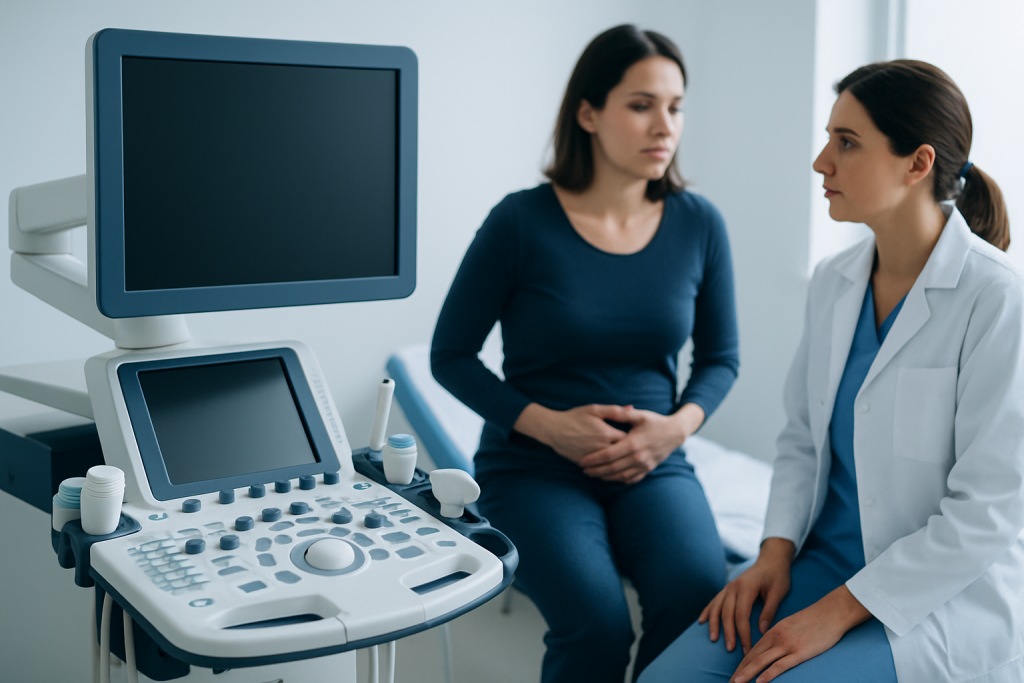
Symptoms of uterine myomas are usually related to where the fibroid sits in the uterus and how much space it occupies. A small fibroid may remain silent, while a larger one or one that distorts the uterine lining can make menstrual bleeding more noticeable.
Common symptoms may include:
- Heavy menstrual bleeding or periods that last longer than usual
- Bleeding between periods
- Pelvic pressure or a sense of fullness in the lower abdomen
- Frequent urination or difficulty emptying the bladder fully
- Constipation or a feeling of pressure on the bowel
- Lower back pain or aching in the pelvis
- Pain during intercourse
- Difficulty becoming pregnant or recurrent pregnancy loss in some cases
Not every symptom means fibroids are the cause. Similar complaints can happen with hormonal changes, endometriosis, adenomyosis, polyps, or other gynecologic conditions. That is one reason a careful assessment is more useful than guessing from symptoms alone.
Causes & Risk Factors
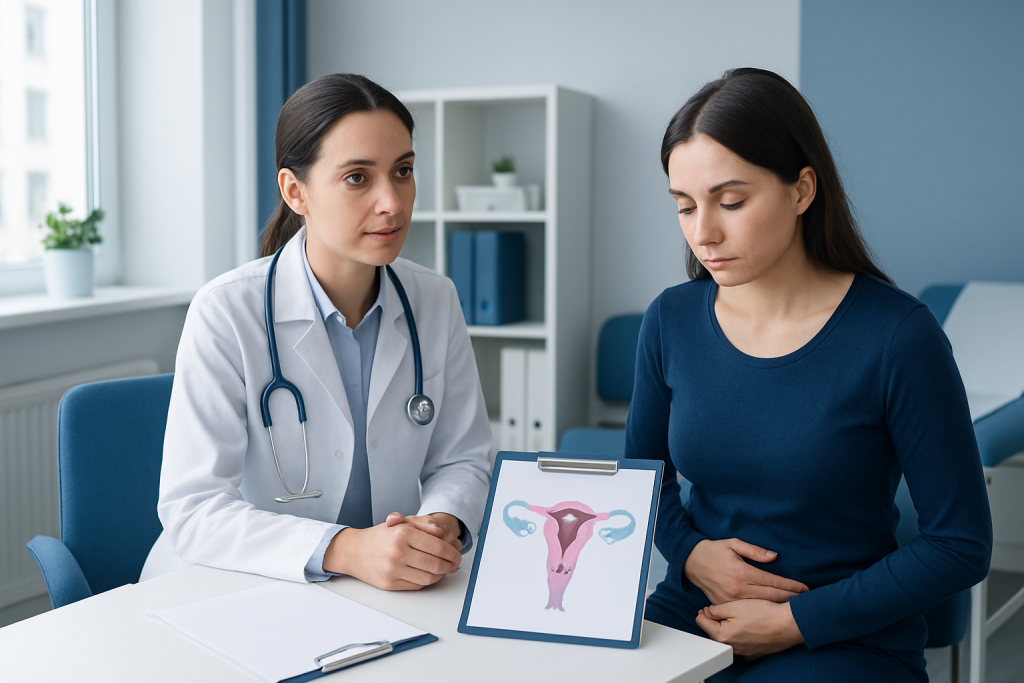
The exact reason uterine myomas develop is not fully understood. They appear to be influenced by hormones, especially estrogen and progesterone, as well as genetic factors and changes in the muscle tissue of the uterus.
Several factors are associated with a higher chance of developing fibroids. These may include family history, reproductive age, earlier onset of menstruation, and certain body weight patterns. Fibroids also tend to grow during the years when hormones are active and often shrink after menopause.
Risk factors do not determine who will develop symptoms, and they do not reliably predict severity. Two people with similar fibroid size or number may experience very different levels of bleeding or pressure, which is why the clinical picture matters as much as imaging findings.
Diagnosis
Diagnosis usually begins with a conversation about menstrual changes, pressure symptoms, pain, fertility concerns, and how long the symptoms have been present. A pelvic examination may suggest an enlarged or irregularly shaped uterus, but imaging is often needed to confirm the findings.
Ultrasound is the most common first test because it is widely available and provides a good view of the uterus and ovaries. In some situations, a clinician may recommend MRI for a more detailed map of fibroid size and location, especially before a procedure or surgery.
Additional tests may be used to check for anemia if bleeding has been heavy, or to look for other possible causes of symptoms. For someone planning care from another country, this step helps create a clear picture before travel so the next appointment can focus on treatment rather than uncertainty.
Treatment Options
Treatment depends on symptoms, fibroid size and location, the person’s age, and whether future pregnancy is important. When fibroids cause no problems, monitoring may be enough. If symptoms are affecting daily life, the care plan can range from medication to minimally invasive procedures or surgery.
Medicines may help reduce heavy bleeding, ease pain, or manage anemia. Hormonal treatments are sometimes used to control bleeding, while non-hormonal options may be appropriate in selected cases. These approaches can improve comfort, though they do not always remove the fibroid itself.
Procedures may be considered when symptoms are persistent or fibroids are large. Options can include myomectomy, which removes fibroids while preserving the uterus, or other interventions that reduce blood flow to the fibroid or remove it through selected techniques. Hysterectomy, removal of the uterus, may be recommended when symptoms are severe and childbearing is no longer desired.
Choosing among these options is often about priorities. Some patients want symptom relief with the least interruption to work and travel, while others are focused on preserving fertility or avoiding a major operation. A specialist can explain which approach best fits the individual situation.
Prevention & Self-care
There is no guaranteed way to prevent uterine myomas, but a few habits may support overall gynecologic health and help symptoms feel more manageable. The goal is not to “treat” fibroids at home, but to make daily life easier while medical care is being arranged or monitored.
Helpful self-care measures may include keeping track of menstrual flow, pain, and clotting patterns; maintaining a balanced diet with enough iron if bleeding is heavy; and staying hydrated and active as tolerated. Some people also find that scheduling rest during their heaviest days helps them function more comfortably.
If travel for care is being considered, it helps to bring prior reports, imaging results, and a simple symptom log. That makes it easier for the receiving team to review the case quickly and decide whether additional imaging or blood tests are needed before treatment planning.
When to See a Doctor
A doctor should be consulted if periods become noticeably heavier, last longer than usual, or begin to interfere with work, sleep, or everyday activities. New pelvic pressure, a growing abdominal bulge, frequent urination, or ongoing pain also deserves evaluation.
Medical attention is especially important if there are signs of anemia, such as fatigue, dizziness, or shortness of breath, or if bleeding is sudden and severe. People who are trying to conceive, have recurrent pregnancy loss, or are planning pregnancy should also seek timely assessment.
For patients arranging care from abroad, a specialist review can help confirm the diagnosis, discuss options in plain language, and decide whether treatment should be done now or monitored over time. Acibadem Health Point’s multidisciplinary specialists and JCI-accredited hospitals diagnose and treat uterine myomas for international patients, with care plans adapted to each person’s medical needs and travel timeline.
Living With Uterine Myomas
Many people live well with fibroids after understanding what symptoms belong to them and what signs should prompt follow-up. The diagnosis does not automatically mean surgery is needed, and it does not always mean symptoms will worsen.
What matters most is whether the condition is affecting quality of life, fertility goals, or day-to-day comfort. A thoughtful review with a gynecology team can help decide whether observation, medication, or a procedure is the most sensible next step.
With the right information, uterine myomas become easier to manage and less mysterious. Clear guidance, timely evaluation, and a treatment plan matched to the person’s priorities usually make the biggest difference.
Frequently asked questions
Can uterine myomas cause no symptoms at all?
Yes. Many fibroids are found only during a routine exam or imaging study and never cause noticeable problems. Symptoms usually appear when a fibroid changes the shape of the uterus, grows large, or affects the uterine lining.
Does heavy bleeding always mean fibroids are present?
No. Heavy periods can have several causes, including hormonal changes, polyps, adenomyosis, and bleeding disorders. A clinician can help sort out the cause and decide which tests are appropriate.
Can fibroids affect fertility or pregnancy?
They can, depending on their size and location, especially if they distort the uterine cavity. Many people with fibroids still become pregnant, but a fertility-focused evaluation may be helpful when conception is difficult or pregnancy losses have occurred.
Do fibroids go away on their own?
Some fibroids become less active after menopause, when hormone levels fall, and symptoms may improve. Before that time, they may stay stable, grow slowly, or become more noticeable, so follow-up is often based on symptoms and imaging.
What is the first test usually done for suspected fibroids?
Pelvic ultrasound is commonly the first imaging test because it is quick, noninvasive, and useful for seeing the uterus. Other tests may be added if the situation is unclear or if a more detailed map is needed for treatment planning.
When should someone seek urgent care for fibroid symptoms?
Urgent medical care is appropriate if bleeding is so heavy that pads or tampons are soaked very quickly, if there is fainting, chest pain, or severe weakness, or if pelvic pain is sudden and intense. These symptoms need prompt evaluation, even if fibroids are already known.
References
- American College of Obstetricians and Gynecologists
- Mayo Clinic
- National Institute of Child Health and Human Development
- World Health Organization
This article is for general information only and is not a substitute for professional medical advice. Please consult a qualified doctor about your individual situation.
More from the Health Library



Related Specialists

Prof. Dr. A. Taner Usta
Gynecology & Obstetrics
Prof. Dr. Ahmet Tayyar
Gynecology & Obstetrics
Prof. Dr. Ahmet Cem Batukan
Gynecology & Obstetrics
Dr. Sevgi Selen
Gynecology & Obstetrics