Normal Ejection Fraction

Key Takeaways
- Ejection fraction measures how efficiently the left ventricle pumps blood.
- A normal result is reassuring, but it does not always mean the heart is entirely healthy.
- Symptoms such as shortness of breath, swelling, or chest discomfort still deserve medical evaluation.
- Ejection fraction is usually assessed with an echocardiogram and sometimes other imaging tests.
- Healthy habits and treatment of conditions such as high blood pressure can help protect heart function.
Normal ejection fraction describes how much blood the left ventricle pumps out with each heartbeat, and it is often used as one part of a broader picture of heart health. A normal number is reassuring, but it does not by itself rule out heart disease or explain every symptom.
Overview
Ejection fraction is a simple phrase for an important idea: how much blood the left ventricle pushes out with each beat. When doctors say the ejection fraction is normal, they mean the pumping strength of that chamber is within the expected range for that test and that person.
It helps to think of ejection fraction as one window into heart performance, not the whole building. A person can have a normal ejection fraction and still have valve disease, rhythm problems, coronary artery disease, stiff heart muscle, or symptoms from a non-cardiac cause. That is why cardiology care usually looks at the number together with symptoms, exam findings, blood pressure, and imaging details.
For many international patients, this number becomes part of a larger care plan after an echocardiogram, CT, MRI, or hospitalization. Understanding what the result means can make follow-up decisions less confusing, especially when treatment needs to continue after returning home.
Symptoms and What a Normal Result Does — and Does Not — Explain
Normal ejection fraction often appears in people who feel well and in people who still have symptoms. Common complaints such as breathlessness, fatigue, palpitations, reduced exercise tolerance, ankle swelling, or chest pressure may come from many different heart and non-heart causes. A normal pumping percentage does not automatically identify the reason for those symptoms.
In some patients, the heart squeezes well but relaxes poorly. This can happen in conditions such as diastolic dysfunction or heart failure with preserved ejection fraction, where the ejection fraction remains normal even though heart-related symptoms may still be present. Others may have problems with the valves, rhythm disturbances, lung disease, anemia, thyroid disorders, or deconditioning that create similar complaints.
Because of this, doctors often ask not only about the number itself, but also about when symptoms started, what makes them worse, and whether there are warning signs such as fainting, new swelling, or pain with exertion. The full story matters more than a single measurement.
Causes & Risk Factors

There is no single cause of a normal ejection fraction; it is a result, not a diagnosis. Many healthy adults have a normal range because their hearts are structurally sound and their cardiovascular risk factors are controlled.
At the same time, several conditions can exist alongside a normal ejection fraction. High blood pressure, diabetes, obesity, sleep apnea, smoking, coronary artery disease, atrial fibrillation, valve disorders, and certain inherited heart conditions may affect the heart without lowering the ejection fraction right away. Age-related changes in the heart and blood vessels can also influence how symptoms are felt.
Some risk factors are especially relevant for people seeking care abroad, because they may arrive with a mix of old records, varying test methods, and treatment plans started in different health systems. In those situations, it helps to review prior imaging, medication history, and any known risk factors carefully rather than relying on a single report.
Diagnosis
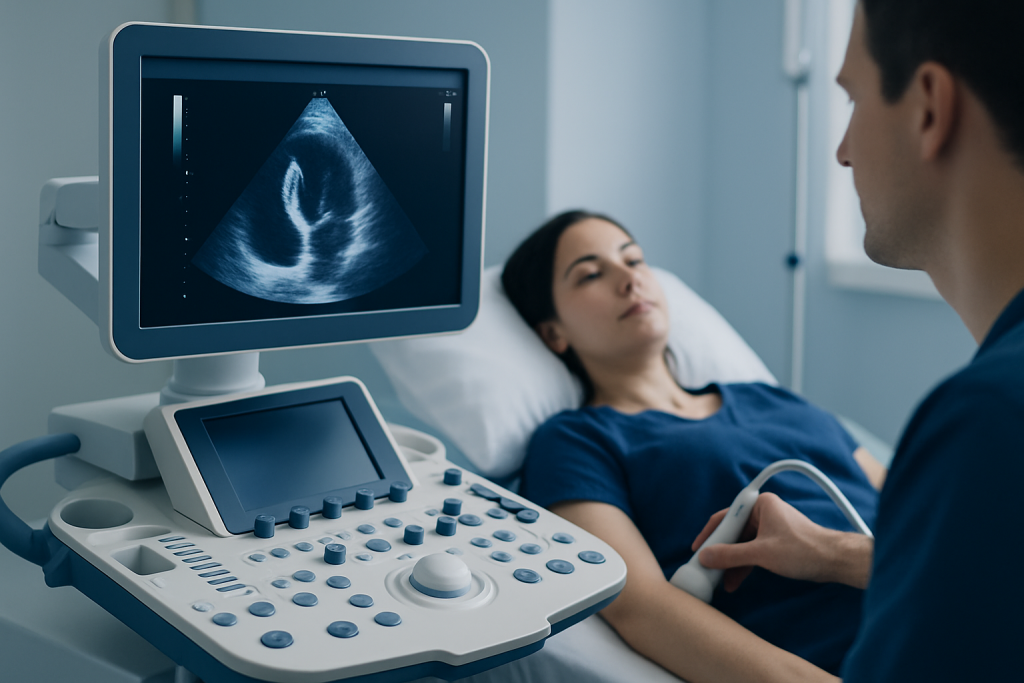
Ejection fraction is most commonly measured with an echocardiogram, a noninvasive ultrasound test that shows the heart’s motion in real time. The number is usually estimated from images of the left ventricle, and the exact method can vary between labs, which is one reason a report should always be interpreted by a clinician in context.
Sometimes other tests are used to clarify what a normal ejection fraction means. Cardiac MRI can offer more detailed anatomy and function, CT may help evaluate the coronary arteries in selected cases, and stress testing can show how the heart performs with exertion. Blood tests, ECG, and physical examination often help doctors decide whether symptoms are cardiac, pulmonary, or related to another condition.
Patients are often surprised to learn that “normal” has a range, not a single perfect number. A result near the lower end of normal may still be fine, but if symptoms are present, it may prompt a closer look at filling pressures, valve function, or other measurements that the ejection fraction alone does not capture.
Treatment Options
Normal ejection fraction itself usually does not need treatment. Management focuses on the underlying condition, overall cardiovascular risk, and any symptoms that may be present. For example, blood pressure control, rhythm management, valve care, cholesterol treatment, diabetes management, and smoking cessation may all be part of the plan.
If symptoms point to heart failure with preserved ejection fraction, treatment may include medicines to reduce fluid retention, optimize blood pressure, and address contributing factors such as obesity, sleep apnea, or atrial fibrillation. If coronary artery disease is suspected, clinicians may recommend further testing and targeted therapy. In some cases, reassurance is appropriate after a full evaluation confirms that the heart’s pumping function is normal and no dangerous cause is found.
For international patients, treatment planning often includes practical follow-through: how to monitor blood pressure at home, which symptoms should trigger repeat evaluation, and when to arrange a local cardiology visit after returning home. Clear written instructions matter, because cardiac care should remain coordinated even when travel schedules are involved.
- Control blood pressure and blood sugar as advised.
- Take prescribed heart medicines consistently.
- Keep follow-up appointments and repeat imaging when recommended.
- Discuss exercise, diet, and weight goals with the care team.
Prevention & Self-care
Protecting a normal ejection fraction is largely about protecting the heart over time. Regular physical activity, a heart-healthy eating pattern, healthy sleep, and avoiding tobacco all support cardiovascular function. These habits do not replace medical care, but they reduce strain on the heart and lower the risk of future disease.
Self-care also means staying alert to changes. A person who has been told their ejection fraction is normal should still report new shortness of breath, swelling, persistent fatigue, palpitations, dizziness, or exercise intolerance. Keeping track of symptoms, home blood pressure readings, and medication changes can help a clinician see patterns that a single clinic visit may miss.
If someone is traveling for evaluation or treatment, it can help to carry a short medical summary, medication list, and copies of prior heart tests. After treatment, scheduled follow-up is especially important so that progress can be checked and the plan adjusted safely if needed.
When to See a Doctor
Medical review is appropriate if symptoms continue even after a report shows normal ejection fraction. Persistent breathlessness, chest discomfort, new swelling, unexplained fatigue, fainting, or a racing or irregular heartbeat should be assessed rather than dismissed.
Urgent evaluation is especially important if chest pain is severe, breathing becomes difficult at rest, or symptoms develop suddenly. Even when the ejection fraction is normal, these signs can point to conditions that need timely care.
Patients who are coordinating evaluation from another country may benefit from a specialist team that can interpret the numbers, the symptoms, and the travel timeline together. Acibadem Health Point’s multidisciplinary specialists and JCI-accredited hospitals diagnose and treat this condition for international patients, with attention to both medical care and follow-up planning.
Living With the Result
Hearing that the ejection fraction is normal is often reassuring, but it is only one piece of the heart-health picture. Some people may need no further action beyond routine care, while others need a deeper explanation for symptoms or a search for conditions that do not change the pumping percentage.
The most useful next step is usually a conversation that connects the result to the person’s age, risk factors, medications, and current symptoms. That approach helps avoid both over-treatment and false reassurance.
When the result is placed in context, patients can usually move forward with a clearer plan. That may mean monitoring, lifestyle changes, treatment of another diagnosis, or simply continuing regular checkups with confidence.
Frequently asked questions
What is considered a normal ejection fraction?
Normal ejection fraction is usually described as the heart pumping within the expected range for the imaging test used. The exact cutoff can vary slightly by method and lab, so the report should be interpreted by a clinician rather than by the number alone. A doctor will also consider symptoms and other heart measurements.
Can someone have heart failure with a normal ejection fraction?
Yes. Some people have heart failure with preserved ejection fraction, which means the heart’s pumping percentage is normal but it does not relax or fill properly. This can still cause breathlessness, swelling, and reduced exercise tolerance. A full assessment is needed to understand the cause.
If the ejection fraction is normal, does that mean the heart is healthy?
Not always. A normal ejection fraction is reassuring, but it does not rule out valve disease, rhythm problems, coronary artery disease, or other heart conditions. It is one important piece of the overall picture.
How is ejection fraction measured?
It is most often measured with an echocardiogram, which uses ultrasound to show how the heart moves. In some cases, cardiac MRI, CT, or other tests may also help. The measurement is interpreted together with the rest of the exam and medical history.
What symptoms should not be ignored if ejection fraction is normal?
Persistent shortness of breath, chest discomfort, swelling, fainting, palpitations, or unexplained fatigue should be discussed with a doctor. These symptoms can come from many causes, some of which need treatment even when the ejection fraction is normal. Sudden or severe symptoms should be evaluated urgently.
Can lifestyle changes help keep ejection fraction normal?
Yes. Managing blood pressure, staying active, eating a heart-healthy diet, not smoking, and controlling diabetes can all support long-term heart health. Lifestyle steps work best alongside regular medical follow-up when risk factors are present.
References
- American Heart Association
- Mayo Clinic
- National Heart, Lung, and Blood Institute
- European Society of Cardiology
This article is for general information only and is not a substitute for professional medical advice. Please consult a qualified doctor about your individual situation.