Blood Pressure Readings Before Cardiac Treatment

Key Takeaways
- Blood pressure is read as two numbers: systolic and diastolic, and both matter in cardiac planning.
- A single elevated reading does not always mean a person cannot travel or receive treatment, but it should be assessed in context.
- Doctors consider current medications, heart symptoms, other illnesses, and recent blood pressure patterns before recommending cardiac care abroad.
- Bringing an accurate record of home readings can help specialists decide whether treatment timing or medication adjustments are needed.
- Seek prompt medical advice if high blood pressure comes with chest pain, shortness of breath, severe headache, neurologic symptoms, or fainting.
Medically reviewed by the Acıbadem clinical team — June 13, 2026
Blood pressure readings help doctors judge how safely a person can travel, undergo testing, or proceed with cardiac treatment abroad. Knowing what the numbers mean can make pre-treatment planning clearer and reduce avoidable delays.
Overview
Before cardiac treatment abroad, blood pressure is one of the first numbers specialists review. It offers a quick snapshot of how hard the heart is working and whether the body is likely to tolerate travel, diagnostic tests, procedures, anesthesia, and recovery.
For international patients, this matters not only on the day of consultation but also in the days leading up to the trip. Blood pressure can change with stress, sleep, pain, missed medication, dehydration, and even the excitement of preparing for care. A reading that looks concerning in a clinic may look different when repeated calmly at home.
Understanding the meaning behind the numbers helps patients ask better questions and share more useful information with the cardiac team. It also supports safer planning, especially when care is being arranged across borders and follow-up may continue after returning home.
What the Numbers Mean
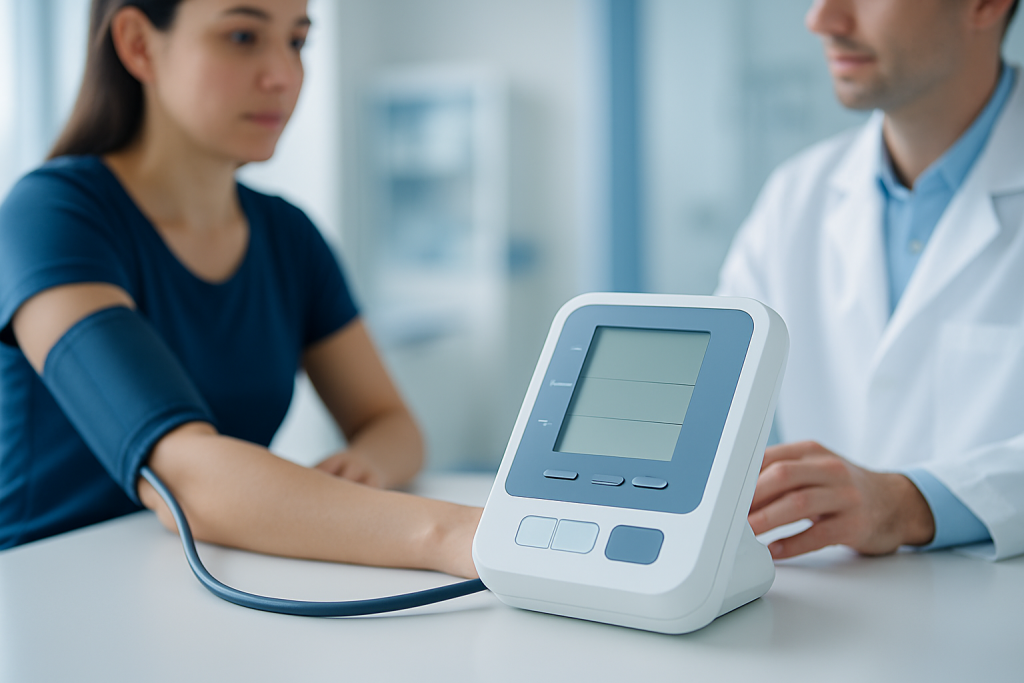
Blood pressure is written as two values, such as 120/80 mmHg. The first number is systolic pressure, which reflects the force in the arteries when the heart contracts. The second number is diastolic pressure, which reflects the pressure when the heart relaxes between beats.
Neither number should be interpreted in isolation. A higher systolic reading may be more concerning in some older adults, while a persistently elevated diastolic reading can matter more in other situations. Doctors look at the full pattern, including whether readings are stable, variable, or rising over time.
In pre-treatment cardiac assessment, the team is often trying to answer a practical question: is the blood pressure controlled enough for the planned care to proceed safely, or does it need review first? That answer depends on the procedure, the person’s overall heart health, and whether there are symptoms or related medical conditions.
- Normal range: often around 120/80 mmHg, though individual targets vary.
- Elevated or mildly high readings: may prompt closer monitoring rather than immediate concern.
- Very high or very low readings: may require assessment before travel or treatment.
Why Blood Pressure Matters Before Traveling for Cardiac Care

Cardiac treatment abroad usually involves more than the procedure itself. There may be long flights, changes in routine, time-zone shifts, pre-op fasting, imaging tests, medication adjustments, and a recovery period away from home. Blood pressure stability helps the medical team judge whether those steps are likely to be manageable.
High blood pressure can increase strain on the heart and blood vessels. In some situations it may raise the risk of procedure-related complications or lead doctors to postpone elective care until it is better controlled. Low blood pressure can also matter, especially if it suggests dehydration, medication side effects, infection, bleeding, or reduced heart function.
For international patients, another issue is continuity. A specialist abroad may need to coordinate with the patient’s home doctor, review previous records, and decide whether any changes made before travel should be continued after return. Reliable blood pressure data makes that handoff smoother and safer.
Common Causes of Abnormal Readings
Blood pressure can be temporarily higher or lower for reasons that are not directly related to the heart procedure itself. Anxiety before a consultation, pain, poor sleep, caffeine, nicotine, missed medication, and a rushed measurement can all affect the result. This is one reason clinicians often repeat readings after a few minutes of rest.
More persistent abnormal readings may reflect hypertension, medication effects, Kidney Disease Treatment" class="ahp-ilk">kidney disease, endocrine conditions, dehydration, anemia, heart rhythm problems, or other cardiovascular concerns. In some people, several factors are present at the same time, which is why blood pressure is interpreted alongside symptoms, examination findings, and test results.
People planning care abroad should mention anything that might influence readings, including recent illness, changes in medication adherence, over-the-counter cold medicines, supplements, or a history of white-coat hypertension. That detail can prevent a single unusual reading from being overinterpreted.
- Stress or anxiety during medical visits
- Missed doses of blood pressure or heart medicine
- Dehydration from travel, fasting, or illness
- Underlying hypertension or heart disease
- Medication, alcohol, or stimulant effects
How Doctors Assess Blood Pressure Before Cardiac Treatment
Specialists usually begin with more than one reading, ideally taken after a period of rest and with the correct cuff size. They may ask about home measurements, previous diagnoses, current prescriptions, and any symptoms such as dizziness, swelling, chest discomfort, or breathlessness. A pattern over time is more useful than one isolated number.
Depending on the planned treatment, the team may request additional checks such as ECG, echocardiography, blood tests, kidney function testing, or ambulatory blood pressure monitoring. For some patients, the goal is to confirm control before an elective procedure. For others, the goal is to identify why blood pressure is unstable and whether it changes the treatment plan.
When patients are coming from another country, the evaluation may also include a review of previous records, recent imaging, and medication lists translated into a format the team can use easily. Clear information helps the cardiology team decide whether treatment can proceed on schedule or whether a short period of optimization is safer first.
Treatment Options and Planning Adjustments
There is no single treatment pathway for abnormal blood pressure before cardiac care. If a reading is mildly elevated and the patient feels well, the team may repeat measurements, review medication timing, and observe trends before making changes. If blood pressure is consistently high, doctors may adjust the treatment plan before moving ahead with a procedure.
Treatment choices depend on the cause and the urgency of the cardiac condition. Options may include medication review, lifestyle guidance, hydration, treatment of pain or infection, and closer monitoring. In some cases, the cardiac procedure can still proceed with careful perioperative planning and blood pressure control during the hospital stay.
If blood pressure is very low or the patient has dizziness, fainting, chest pain, or signs of poor circulation, the priority is to understand the cause before travel or intervention. For international patients, this may mean modifying the travel schedule, arranging additional testing, or ensuring a monitored recovery period before returning home.
Prevention, Self-care, and Travel Preparation
Good preparation starts before the flight. Patients are often encouraged to take medications exactly as prescribed, bring an updated list of all medicines, and measure blood pressure at home if they have been instructed to do so. Recording the date, time, and reading can help the specialist see the trend rather than a single number.
Travel itself can affect blood pressure, so it helps to stay hydrated, avoid excessive alcohol, limit heavy salt intake, move around during long flights when medically allowed, and sleep as regularly as possible. Patients should also know in advance whether any medicines should be taken with a sip of water on the day of a test or procedure, since instructions differ depending on the intervention.
It is also wise to plan for follow-up after returning home. That may include sharing procedure notes, confirming medication changes, and arranging local blood pressure monitoring. For patients who choose Acibadem Health Point, multidisciplinary specialists and JCI-accredited hospitals help diagnose and treat cardiac conditions for international patients with coordinated pre-treatment and follow-up care.
- Keep a current medication list, including supplements
- Bring recent blood pressure readings if available
- Ask whether any medicines should be continued before travel or testing
- Confirm who to contact if symptoms change after treatment
When to See a Doctor
Anyone planning cardiac treatment abroad should speak with a doctor if blood pressure has been persistently high, unexpectedly low, or difficult to control. It is especially important to ask before travel if the patient has heart failure, kidney disease, diabetes, a history of stroke, or a recent change in symptoms.
Urgent medical assessment is needed if high or low blood pressure occurs with chest pain, shortness of breath, confusion, fainting, severe headache, weakness on one side of the body, vision changes, or a rapid worsening of swelling or fatigue. These symptoms may signal a more serious cardiovascular issue that should not wait for an overseas appointment.
For elective procedures, it is better to clarify blood pressure concerns early than to discover them at the airport or on admission day. A short conversation with the care team can prevent delays, improve safety, and make the overall treatment journey more predictable.
Frequently Asked Questions
Frequently asked questions
What blood pressure reading is considered too high before cardiac treatment abroad?
There is no single cutoff that applies to every patient or every procedure. Doctors look at the full picture, including how high the readings are, whether they are repeated, whether symptoms are present, and what type of cardiac treatment is planned. A specialist may recommend repeating measurements or adjusting medication before proceeding.
Can stress from travel or an overseas hospital visit raise blood pressure?
Yes. Anxiety, poor sleep, pain, and rushing can all temporarily increase blood pressure. That is why clinicians often repeat readings after rest and may ask for home measurements taken on different days.
Should a patient continue blood pressure medicines before flying for treatment?
Patients should follow the instructions given by their doctor, because guidance depends on the specific medicine and the procedure planned. In many cases, medicines are continued, but some may need timing changes around fasting or anesthesia. The safest approach is to confirm this well before travel.
Why might a doctor ask for home blood pressure readings instead of just one clinic result?
Home readings can show the usual pattern outside the stress of a medical visit. They help distinguish a temporary spike from a consistent problem and may reduce unnecessary delays. A log with dates and times is often more useful than one isolated number.
Can low blood pressure also affect cardiac treatment planning?
Yes. Low blood pressure can be a sign of dehydration, medication effects, infection, bleeding, or heart-related problems. Doctors want to know the cause before a procedure so they can reduce the chance of complications and support safe recovery.
What should an international patient bring to a cardiac appointment about blood pressure?
It helps to bring medication names, previous diagnoses, recent test results, and any home blood pressure logs. If possible, the patient should also share whether readings were taken sitting or standing, what device was used, and whether any symptoms were present. These details help the team interpret the numbers accurately.
References
- American Heart Association
- World Health Organization
- National Heart, Lung, and Blood Institute
- European Society of Cardiology
- NICE: National Institute for Health and Care Excellence
This article is for general information only and is not a substitute for professional medical advice. Please consult a qualified doctor about your individual situation.